

NEWS
Metal augers and plastic augers determine conveying reliability, with capacities reaching 7,000 kilograms per hour in selected commercial systems.
Steel flighting offers mechanical strength, while engineered plastic components provide corrosion resistance under compatible operating conditions.
Poultry feed augers require suitable dimensions, drive power, and material specifications for reliable performance.
Automated poultry feeding systems combine silos, conveying tubes, motors, and feed distribution equipment.
Correct equipment selection reduces maintenance risks and supports efficient poultry production across different farm sizes.
Get professional poultry farm construction guidance, equipment selection solutions, and the latest price lists, whatsApp to +8618830120193, click to learn more.
Technical Specifications: Commercial Auger System Benchmarks
Poultry feed augers require verified dimensions, conveying capacity, and drive power before equipment selection, particularly when feed mill augers operate continuously.
Data is for reference only.Swipe horizontally to view full table.
Selected commercial system specifications provide useful reference points for feed conveying augers, but actual performance depends on installation conditions.
Engineering Key Points
Metal augers and plastic augers require different engineering assessments, including material strength, wear, and environmental exposure.
Mechanical loading check shaft construction, flight geometry, and operating torque.
Abrasive wear evaluate feed particle characteristics and material resistance.
Corrosion exposure assess metal grades, protective coatings, and cleaning chemicals.
Polymer performance verify temperature limits and impact resistance.
Installation quality inspect alignment, clearances, and mounting connections.
For poultry feed augers, request material specifications and documented operating limits before ordering replacement components.
Feed Delivery Performance: Published Model Specifications
Automatic poultry feeding systems require compatible auger dimensions, motor power, and delivery rates to maintain consistent feed distribution.
Data is for reference only.Swipe horizontally to view full table.
Steel and pvc conveying configurations can have different dimensions despite similar published delivery rates, making model verification essential for feed mill auger replacements.
Maintenance Tip Card
Poultry feed auger maintenance should follow a documented inspection schedule and the manufacturer's approved procedures.
Inspection examine flight edges, shafts, bearings, and connections for abnormal wear.
Noise monitoring investigate changes in vibration or sound before continuing normal operation.
Cleaning remove accumulated feed and identify recurring blockages.
Component replacement record replacement dates and observed failure conditions.
Safety isolate electrical power and prevent unexpected startup before servicing equipment.
For inclined feed conveying augers, standard pitch is commonly used on routes up to approximately 20 degrees, while shorter pitch designs may help control material fallback on steeper routes.
Capacity And Operating Conditions
Poultry feed auger selection requires model-specific capacity data, particle-size limits, and installation measurements.
Data is for reference only.Swipe horizontally to view full table.
Feed conveying auger performance varies with feed density, particle characteristics, and operating conditions, so published ratings must be checked against the intended application.
Selection Workflow
A reliable poultry feed auger purchasing process should verify the complete installation before equipment approval.
Stage One: identify the feed source, destination, and required output.
Stage Two: Document particle size, bulk density, and environmental exposure.
Stage Three: Compare compatible metal grades and polymer formulations.
Stage Four: Confirm drive requirements, dimensions, and component interfaces.
Stage Five: Evaluate maintenance costs, replacement requirements, and downtime risks.
Stage Six: Request technical drawings and written specifications before ordering.
A structured selection process helps reduce compatibility problems and supports reliable operation across poultry feeding systems.
Steel Flighting And Plastic Tubing
Steel spiral flighting combined with plastic tubing is a common configuration worth evaluating when selecting poultry feed augers.
Data is for reference only.Swipe horizontally to view full table.
Steel flighting provides the conveying mechanism, while compatible plastic tubing guides feed through the system, allowing poultry equipment buyers to evaluate each component separately.
Equipment Combination Recommendation
A complete poultry feeding system should coordinate the feed silo, discharge assembly, conveying auger, drive motor, and distribution line.
Feed storage select a silo according to the farm's daily consumption and replenishment requirements.
Feed conveying match the auger and tube to the specified delivery capacity.
Drive assembly verify motor ratings and approved operating conditions.
Feed distribution configure feed lines and pans for the intended poultry house layout.
Control equipment integrate compatible sensors and controls where required.
Our poultry equipment solutions support project-based configuration, with component selection based on installation dimensions, operating requirements, and equipment compatibility.
Flight Geometry And Mechanical Design
Poultry feed auger geometry affects material movement, clearance requirements, and conveying performance.
Data is for reference only.Swipe horizontally to view full table.
These illustrative dimensions demonstrate common geometric relationships rather than certified specifications for a particular feed mill auger.
Purchasing Checklist
Poultry feed auger procurement should include technical documentation, material verification, and confirmation of system compatibility.
Data is for reference only.Swipe horizontally to view full table.
For feed conveying augers, request documented abrasion resistance, fatigue performance, and corrosion compatibility wherever applicable, rather than relying exclusively on general material descriptions.
Frequently Asked Questions
Q1: Are metal augers more durable than plastic augers?
A1: Metal augers can offer advantages under demanding mechanical loads, while compatible plastic components can resist many corrosion-related problems. Selection depends on the actual application.
Q2: Can plastic tubes be used with steel feed augers?
A2: Yes, provided the dimensions, clearances, material compatibility, and operating conditions are approved for the specified poultry feed conveying system.
Q3: How should buyers compare auger capacity?
A3: Compare rated throughput, conveying distance, motor requirements, and feed properties using the manufacturer's published specifications for each model.
Taiyu (HK) Group - One Of China Largest Auger Manufacturer
Auger engineering poultry feed auger solutions are selected according to conveying requirements, with commercial reference capacities reaching 7,000 kilograms per hour in specified configurations.
Factory direct supply global factory-direct coordination supports equipment specification, component selection, and project-based purchasing.
Poultry equipment integrated solutions cover feed silos, augers, conveying tubes, drive assemblies, and automated feeding equipment.
Turn-key engineering project coordination supports equipment layout, system compatibility, installation planning, and commissioning requirements.
Technical support customized quotations and component recommendations are available for poultry farms, distributors, and agricultural equipment projects.
Contact Us To Received Your Customized Poultry Farm Plan
Headquarters And Branchs

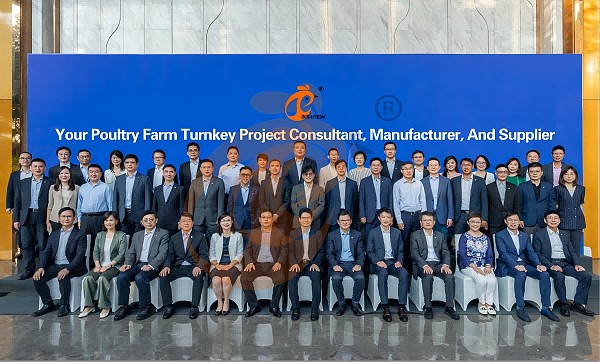
Hong Kong Headquarter Management Team
Hong Kong Headquarter Taiyu Industrial Group CO., LTD
China Hebei Best Machinery And Equipment CO., LTD
Nigeria Vanke Machinery And Equipment CO., LTD
Tanzania Best Machinery And Equipment CO., LTD
Ethiopia Best Hebei Machinery Manufacturing PLC




Reception /24 WhatsApp NO. : +8618830120193
PRODUCTS RECOMMENDED
 China Branch Manufacture Poultry Farm EquipmentRead More
 Ethiopia Branch Manufacture Poultry Farm EquipmentRead More
 Nigeria Branch Manufacture Poultry Farm EquipmentRead More
 Tanzania Branch Manufacture Poultry Farm EquipmentRead More
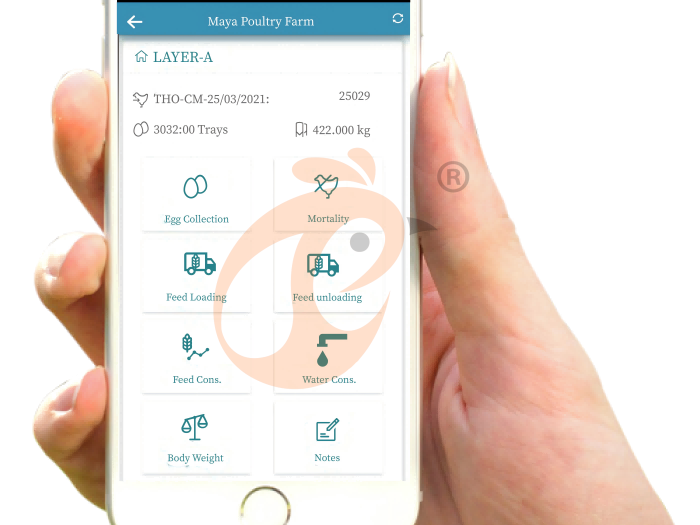
 IoT Smart Poultry FarmRead More
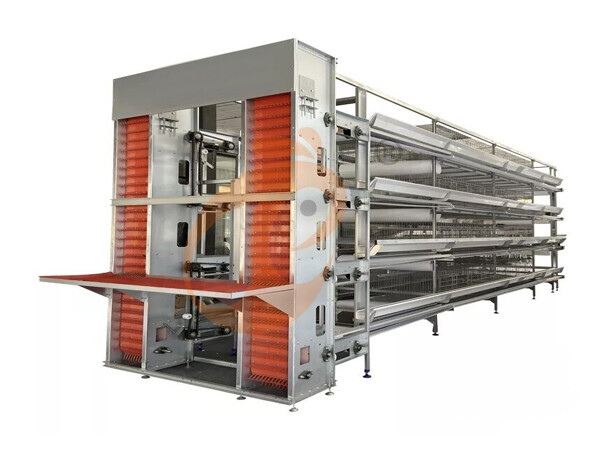
 >30,000 Layers Automatic H Type Battery CageRead More
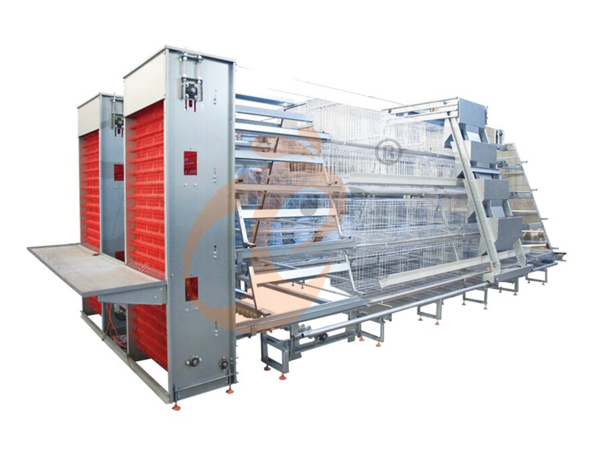
 10,000 - 30,000 Layers Automatic A Type Battery CageRead More
MESSAGE
NEWS
 50,000 - 100,000 chickens/house: poultry farm solution, chicken cage, poultry farm equipment, AI smart managementRead More
 30,000 - 50,000 chickens/house: poultry farm solution, chicken cage, poultry farm equipment, AI smart managementRead More
 10,000 - 30,000 chickens/house: poultry farm solution, chicken cage, poultry farm equipment, AI smart managementRead More
 100 - 10,000 chickens/house: poultry farm solution, chicken cage, poultry farm equipment, AI smart managementRead More