

NEWS
Pellet machine safety protects poultry feed production workers while supporting reliable daily output across modern feed mills
Proper guarding, inspections, and lockout procedures reduce mechanical hazards and prevent unexpected equipment startup
Industrial feed pellet machines require compatible motors, maintenance access, and suitable dust extraction systems
Integrated poultry feed equipment connects grinding, mixing, pelletizing, cooling, and screening operations efficiently
Technical specifications, operator training, and preventive maintenance support safer production and long-term equipment reliability
Get professional poultry farm construction guidance, equipment selection solutions, and the latest price lists, whatsApp to +8618830120193, click to learn more.
Select Appropriate Personal Protective Equipment
Operators need protective equipment suited to hazards identified around a feed pellet machine.
Feed dust, noise, hot surfaces, and rotating components require different controls.
Personal protective equipment complements engineering safeguards and never replaces machine guards.
Operators should assess workplace noise exposure using an 8-hour time-weighted average and select respiratory protection according to measured dust hazards and applicable requirements.
Data is for reference only.Swipe horizontally to view full table.
Actual ppe selection must follow workplace risk assessments, applicable standards, and equipment instructions.
Our poultry feed pellet machines can be evaluated alongside guarding, access arrangements, and maintenance requirements.
Inspect The Pellet Machine Before Operation
A pre-start inspection identifies developing faults before they interrupt production or expose workers to hazards.
Operators should examine guards, electrical components, transmission assemblies, feed inlets, and emergency controls.
Record motor current in amperes, bearing temperature in degrees celsius, and vibration velocity in millimeters per second against the selected pellet machine manufacturer's approved operating limits.
Data is for reference only.Swipe horizontally to view full table.
These figures are recommended management targets, not universal machine engineering limits.
Vibration, bearing temperature, and motor current thresholds must follow the pellet machine manufacturer's specifications.
Never operate machinery with missing guards or disabled protective devices.
Before investigating a blockage, isolate hazardous energy and verify safe servicing conditions.
Follow A Controlled Startup And Shutdown Process
A consistent pellet machine operating sequence reduces confusion and helps prevent unexpected movement.
Operational Flow
Prepare check the work area, confirm operator authorization, and inspect the equipment.
Start follow the manufacturer's sequence for the pellet machine and connected auxiliary equipment.
Monitor observe vibration, temperature, noise, feed flow, and pellet quality throughout production.
Stop and isolate follow the approved shutdown sequence and apply lockout procedures before servicing.
Allow approximately 5–10 minutes for a supervised initial operating observation when appropriate for the selected machine, following the manufacturer's startup procedure rather than treating this interval as a universal requirement.
Before restarting after maintenance, complete 2 independent verification checks: confirm the work area is clear and verify that guards and protective devices are restored.
Never reach into an operating feed inlet or use improvised tools to clear a jam.
Osha hazardous-energy requirements address unexpected startup and stored energy during covered maintenance activities.
Integrated poultry feed pellet machines can coordinate with conveyors and mixers when equipment interfaces are correctly engineered.
Control Dust, Noise, And Heat
Feed manufacturing can generate airborne particles during grinding, conveying, mixing, pelletizing, and screening.
Combustible feed dust may also create fire or explosion hazards under suitable conditions.
Dust extraction, housekeeping, ignition-source control, and appropriate electrical protection should be incorporated into feed pellet machine installation planning.
Dust extraction performance should be verified against the engineered airflow requirement, while combustible dust controls must account for material properties and installation-specific ignition risks.
Data is for reference only.Swipe horizontally to view full table.
Dust collection values are preliminary selection examples, not universal safety limits.
Actual airflow, filter area, and cleaning pressure depend on dust properties, system resistance, and collector design.
Our poultry feed equipment packages can integrate grinding, conveying, and dust collection according to site-specific engineering requirements.
Maintain Equipment And Never Bypass Safety Devices
Preventive maintenance supports pellet machine reliability and helps identify wear before mechanical failures develop.
Rollers, dies, bearings, drive components, and electrical systems require servicing according to manufacturer instructions.
Maintenance Checklist
Assign 1 designated maintenance lead to coordinate inspection records and service planning
Maintain 1 written isolation procedure for each machine model or system configuration
Keep operating manuals and approved spare-parts references available to authorized technicians
Record abnormal operating conditions and investigate repeated faults promptly
These are recommended management practices rather than universal staffing requirements.
Before servicing, identify and isolate relevant electrical, mechanical, pneumatic, and thermal energy sources.
Verify isolation before entering hazardous areas or beginning repair work.
For equipment using scheduled lubrication, follow the manufacturer's specified lubricant grade, application quantity, and service interval instead of applying a universal maintenance schedule.
Poultry feed pellet machine buyers should evaluate maintenance access, spare-parts availability, and technical assistance before purchasing equipment.
Compare Pellet Machine Specifications Before Purchasing
A suitable feed pellet machine must match feed formulation, production targets, utilities, and installation conditions.
Buyers should compare verified specifications rather than relying exclusively on advertised capacity.
Data is for reference only.Swipe horizontally to view full table.
These ranges are illustrative planning references, not verified specifications for every machine model.
Actual capacity depends on feed formulation, moisture, die configuration, and operating conditions.
The listed motor ratings are not necessarily suitable for every production line.
When requesting a quotation, provide target output, feed type, preferred pellet dimensions, electrical supply, and installation requirements.
Our team can use these details to recommend compatible poultry feed processing equipment.
Recommended Equipment Combinations For Poultry Farms
A pellet machine is one component of a complete poultry feed production system.
Matching upstream and downstream equipment can reduce unnecessary handling and support consistent workflow.
Package A: Small Farm Feed Processing
Feed grinder for preparing suitable raw materials
Feed mixer for achieving a more uniform ingredient blend
Compact feed pellet machine selected for farm demand
Package B: Growing Poultry Operation
Higher-capacity feed grinder
Batch or continuous feed mixer
Commercial feed pellet machine
Material conveyors
Pellet cooling and screening equipment
Package C: Integrated Feed Production Line
Raw-material handling and storage systems
Grinding and mixing equipment
Pelletizing and conditioning equipment, where required
Cooling, screening, and finished-feed conveying
Dust extraction and integrated electrical controls
A poultry feed production line may use a 3-stage workflow consisting of grinding, mixing, and pelletizing, with cooling and screening added according to finished-feed requirements.
Our poultry equipment solutions can accommodate different farm sizes, production targets, and installation constraints.
Final equipment selection should consider actual feed demand, maintenance access, and the safety requirements of the complete system.
Train Operators And Prepare For Emergencies
Training helps operators understand pellet machine controls, protective devices, abnormal conditions, and approved maintenance procedures.
Workers should know when to stop production and how to report equipment faults.
Data is for reference only.Swipe horizontally to view full table.
These figures are proposed training targets, not universal legal minimums.
Actual training duration depends on task complexity, operator experience, equipment design, and applicable requirements.
Training should cover startup, shutdown, ppe, hazard recognition, energy isolation, and emergency reporting.
Authorized employees must demonstrate competency before independently performing hazardous servicing tasks.
Poultry equipment customers can ask about operating manuals, commissioning assistance, and technical training during equipment selection.
Quantify And Reduce Common Operating Risks
Production pressure should never justify bypassing pellet machine safety controls.
Farms can use measurable inspection and maintenance indicators to identify recurring problems and assign corrective actions.
Data is for reference only.Swipe horizontally to view full table.
These are recommended internal performance targets rather than guarantees of incident-free operation.
Managers should review records regularly and assign responsibility for corrective actions.
Useful indicators include recurring mechanical faults, inspection completion, maintenance delays, and repeated safety violations.
When upgrading a feed production line, buyers should evaluate guarding, control accessibility, and maintenance support together.
Technical Parameters For A More Efficient Feed Mill
An integrated feed mill must balance equipment compatibility, production requirements, and safe access.
The following values support preliminary planning, but final design must follow selected machinery specifications and qualified engineering assessment.
Data is for reference only.Swipe horizontally to view full table.
These are planning examples, not universal design requirements.
Screen aperture and screening mesh must suit the intended process, while enclosure protection and supply frequency must match installation conditions.
Our poultry equipment range supports individual machine purchases and coordinated feed production lines.
Technical consultation can help customers compare equipment options, review interface requirements, and prepare project-specific specifications.
Invest In Safer Poultry Feed Production
Pellet machine operator safety depends on suitable protective equipment, pre-start inspections, controlled operating procedures, effective dust management, and disciplined maintenance.
Safety also depends on selecting machinery that can be installed, operated, and serviced correctly.
Before purchasing a feed pellet machine, request a written quotation specifying rated motor power in kilowatts, guaranteed throughput in tonnes per hour, electrical supply requirements, and applicable safety documentation.
For poultry farms, a well-planned feed production system supports organized workflows and future expansion.
The best equipment choice matches actual feed requirements, site conditions, maintenance capabilities, and applicable safety obligations.
Our poultry equipment solutions cover feed grinding, mixing, pelletizing, conveying, cooling, screening, and related production-line components.
We help customers identify suitable equipment combinations and clarify technical requirements before purchase.
Planning a poultry feed production project?
Contact our team with required output, feed formulation, preferred pellet dimensions, available power supply, and installation location.
We can help evaluate compatible machinery, discuss maintenance arrangements, and prepare an equipment proposal aligned with your operational requirements.
Frequently Asked Questions
Q1: What ppe is required for pellet machine operators?
Q1: Ppe depends on the workplace risk assessment and applicable regulations.
Hearing protection, safety eyewear, suitable footwear, and appropriate respiratory protection may be required.
An 85 dba, 8-hour time-weighted average is an important osha hearing conservation action level.
Q2: How often should a feed pellet machine be inspected?
A2: Operators should complete a pre-start inspection before each shift.
Maintenance intervals for bearings, rollers, dies, and drive components must follow the selected machine manufacturer's instructions.
Critical defects must be corrected before the machine returns to service.
Q3: What equipment is needed for a poultry feed production line?
A3: A typical line includes a feed grinder, feed mixer, feed pellet machine, conveyors, and cooling or screening equipment.
Dust collection and suitable electrical controls should be considered during system design.
Final equipment selection depends on feed formulation, target output, installation conditions, and safety requirements.
Taiyu (HK) Group - One Of China's Largest Pellet Machine Manufacturers
Industrial feed pellet machines support poultry feed processing, with motor ratings selected according to verified model specifications and production requirements
Global factory-direct supply connects poultry equipment buyers with compatible machinery, technical documentation, and project-specific equipment configurations
Poultry equipment packages integrate grinding, mixing, pelletizing, conveying, cooling, and screening according to site requirements
Turn-key engineering services coordinate equipment selection, layout planning, installation interfaces, commissioning, and operator training
Technical support covers equipment specifications, compatible spare parts, maintenance planning, and production-line optimization
Contact Us To Received Your Customized Poultry Farm Plan
Headquarters And Branchs

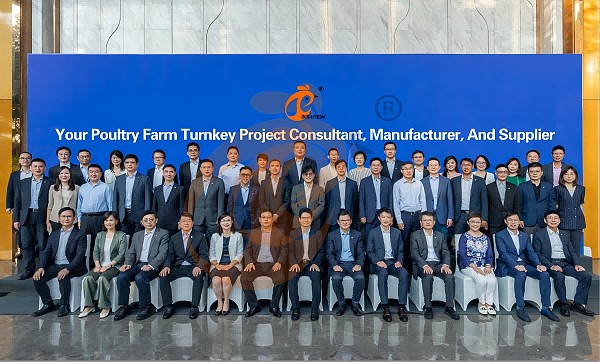
Hong Kong Headquarter Management Team
Hong Kong Headquarter Taiyu Industrial Group CO., LTD
China Hebei Best Machinery And Equipment CO., LTD
Nigeria Vanke Machinery And Equipment CO., LTD
Tanzania Best Machinery And Equipment CO., LTD
Ethiopia Best Hebei Machinery Manufacturing PLC




Reception /24 WhatsApp NO. : +8618830120193
PRODUCTS RECOMMENDED
 China Branch Manufacture Poultry Farm EquipmentRead More
 Ethiopia Branch Manufacture Poultry Farm EquipmentRead More
 Nigeria Branch Manufacture Poultry Farm EquipmentRead More
 Tanzania Branch Manufacture Poultry Farm EquipmentRead More
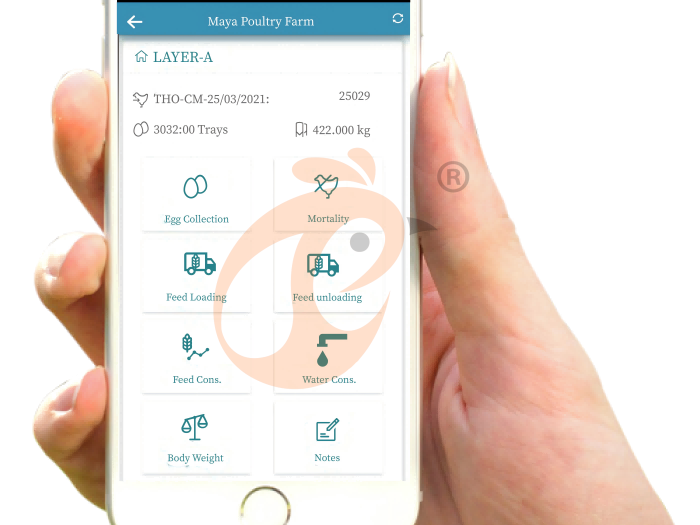
 IoT Smart Poultry FarmRead More
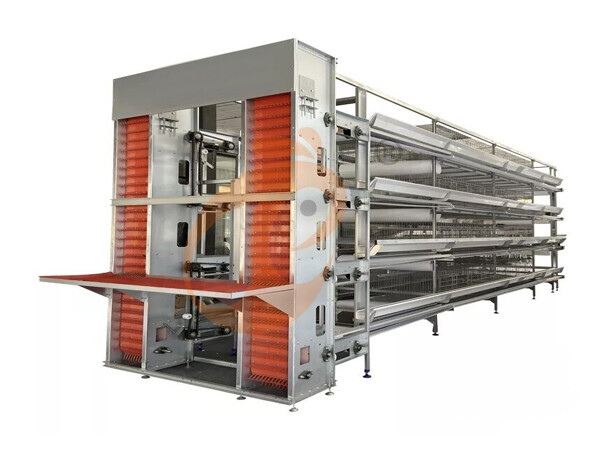
 >30,000 Layers Automatic H Type Battery CageRead More
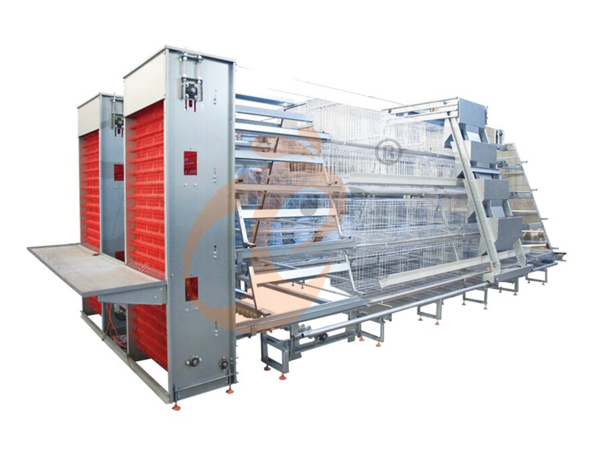
 10,000 - 30,000 Layers Automatic A Type Battery CageRead More
MESSAGE
NEWS
 50,000 - 100,000 chickens/house: poultry farm solution, chicken cage, poultry farm equipment, AI smart managementRead More
 30,000 - 50,000 chickens/house: poultry farm solution, chicken cage, poultry farm equipment, AI smart managementRead More
 10,000 - 30,000 chickens/house: poultry farm solution, chicken cage, poultry farm equipment, AI smart managementRead More
 100 - 10,000 chickens/house: poultry farm solution, chicken cage, poultry farm equipment, AI smart managementRead More