

NEWS
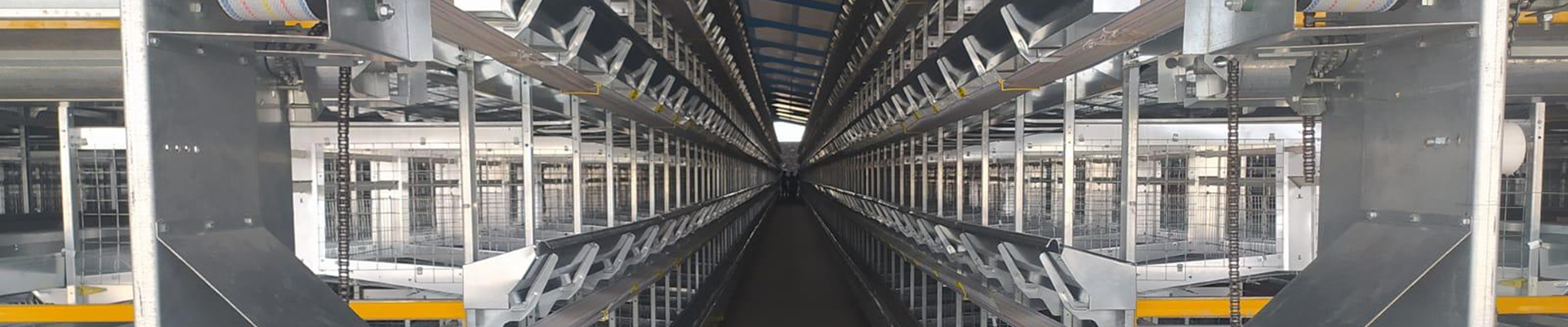
A type poultry cage system reduces routine labor requirements through automated feeding, egg collection, and manure removal, improving workforce efficiency across commercial layer farms
Automatic layer cage system configurations reduce daily handling time, with feeding cycles decreasing from 180 minutes to 15 minutes per 10,000 birds
Poultry farming equipment integrates regulated watering, ventilation, and lighting controls, supporting consistent environmental management and streamlined daily operations
Commercial a type poultry cage system investments require capital planning, since equipment costs rise from 45,000 dollars to 135,000 dollars under the supplied specifications
Automatic layer cage system installations combine labor savings, improved egg handling, and operational scalability, helping producers evaluate long-term costs against measurable production performance
Get professional poultry farm construction guidance, equipment selection solutions, and the latest price lists, whatsApp to +8618830120193, click to learn more.
Operational Framework Comparison
Data is for reference only.Swipe horizontally to view full table.
Engineering Highlights For Daily Operations
Structural Load Distribution
A type poultry cage system uses galvanized cold-rolled steel frames to maintain structural integrity under high stocking densities, with specified tensile yield strengths of 340 mpa for manual equipment and 420 mpa for automatic equipment.
Tier Clearance Optimization
Automatic layer cage system configurations specify 450 mm vertical clearance to support airflow between tiers and help manage ammonia accumulation through appropriate ventilation and manure removal.
Tension Regulation
Poultry farming equipment with spring-loaded counterweights helps maintain manure belt tension, reduce slippage, and limit mechanical wear during continuous operation.
Feed Trough Geometry
A type poultry cage system incorporates v-shaped galvanized steel troughs with anti-spill lips to reduce feed wastage during distribution, while motorized augers support consistent delivery across multiple tiers.
Daily Labor Allocation And Time Study
Data is for reference only.Swipe horizontally to view full table.
Workforce Efficiency Optimization Tips
Cross-Training Protocol
Automatic layer cage system operators should receive basic electrical troubleshooting training to reduce avoidable downtime when motors, control panels, or sensors malfunction.
Preventive Maintenance Schedule
Poultry farming equipment drive chains and gearboxes should be lubricated every 160 operating hours, following the equipment manufacturer's maintenance instructions and applicable safety procedures.
Feed Flow Calibration
A type poultry cage system feeding augers require calibration to distribute feed evenly across tiers, while the specified operating target of 12 meters per minute should be verified against the actual auger design and feed characteristics.
Belt Tracking Inspection
Automatic layer cage system manure belts should undergo alignment inspections every two weeks to identify edge fraying, uneven tension, and developing mechanical faults before repairs require additional manual labor.
Economic Manpower Breakdown
Data is for reference only.Swipe horizontally to view full table.
European union standard reference only.
A type poultry cage system financial planning should compare direct wages, training, supervision, and maintenance rather than relying exclusively on equipment purchase prices.
Based on the supplied figures, annual workforce expenses decrease from $127,000 to $43,000, producing a projected annual saving of $84,000 before additional operating costs and depreciation.
Automatic layer cage system investments require local currency verification, wage benchmarking, and a complete operating budget before procurement approval.
System Workflow Structure
Feed Storage And Distribution
A type poultry cage system begins with raw feed storage in a silo, followed by controlled discharge through an automatic auger and delivery into v-shaped troughs across the cage tiers.
Egg Collection And Transfer
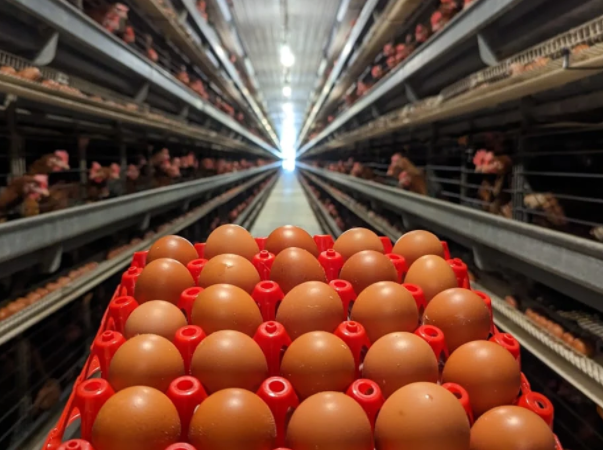
Automatic layer cage system conveyors transport collected eggs toward a central sorting table, reducing routine hand gathering and supporting consistent handling throughout daily production.
Manure Removal And Discharge
Poultry farming equipment uses pvc manure belts and external cross conveyors to move accumulated waste away from the bird housing area, helping simplify cleaning and manure handling.
Integrated Process Sequence
Feed storage, controlled discharge, auger distribution, tier feeding, egg collection, central sorting, manure belt removal, and external waste transfer form the specified operational sequence for the A type poultry cage system.
Equipment Investment And Depreciation Matrix
Data is for reference only.Swipe horizontally to view full table.
European union standard reference only.
A type poultry cage system capital planning should account for the supplied purchase prices, projected service life, residual value, and installation expenses.
Automatic layer cage system equipment carries a higher initial investment of $90,000 under the supplied figures, making verified labor savings and maintenance costs essential to payback calculations.
Poultry farming equipment selection should also consider galvanized coating specifications, motor capacity, structural loading, and the availability of replacement components.
Optimal Equipment Package Recommendations
Starter Commercial Package
A type poultry cage system installations for developing farms can combine a four-tier automated cage framework, a feed mixing system rated at 0.5 tons per hour, and a single-phase control panel, subject to electrical load verification.
High-Density Expansion Package
Automatic layer cage system expansion projects can incorporate a five-tier configuration, dual-motor manure removal belts, pneumatic egg elevators, and centralized plc touchscreen automation after structural, ventilation, and bird-density requirements have been assessed.
Retrofit Upgrade Kit
Poultry farming equipment retrofit projects can introduce galvanized feed troughs, nipple drinker conversion manifolds, and modular egg collection tracks into existing open-shed houses, provided the original structure and utilities support the upgrades.
Performance Metrics And Production Output
Data is for reference only.Swipe horizontally to view full table.
A type poultry cage system performance comparisons should distinguish supplied benchmark values from independently verified farm results.
Automatic layer cage system configurations are associated with a specified feed conversion ratio of 2.08, compared with 2.25 for manual equipment, while actual outcomes depend on feed formulation, bird genetics, flock health, and management.
Poultry farming equipment can support consistent feeding and egg handling, but production rates and mortality outcomes must be validated against farm records under comparable operating conditions.
Long-Term Financial Impact Analysis
A type poultry cage system planning for a 50,000-bird farm requires a detailed assessment of labor availability, daily operating schedules, egg handling, and manure management.
Manual operations may require substantial staffing across split shifts, while an automatic layer cage system can reduce repetitive handling when feeding, egg collection, and manure removal are mechanized.
The supplied economic comparison indicates annual workforce expenses falling from $127,000 to $43,000, representing a projected saving of $84,000 before additional costs.
Poultry farming equipment may also reduce egg breakage from a stated 3.50 percent to 0.85 percent, although actual marketable egg gains depend on collection practices and verified production records.
The supplied scenario estimates a payback period reduction from 48 months to 22 months, but this result requires validation against installed capital cost, financing, energy consumption, maintenance, and realized operating savings.
Maintenance And Utility Consumption Specifications
Data is for reference only.Swipe horizontally to view full table.
A type poultry cage system maintenance planning must account for the specified electrical demand, lubricant requirements, bearing intervals, and watering pressure.
Automatic layer cage system installations should verify the daily electrical consumption of 38.5 kwh against actual motor duty cycles, ventilation equipment, lighting schedules, and other connected loads.
Poultry farming equipment requires documented inspections, manufacturer-approved lubrication, and scheduled replacement of wear components to maintain reliable operation.
Strategic Conclusion And Implementation Roadmap
A type poultry cage system can reduce repetitive labor and improve operational consistency when automation is matched to flock size, housing design, and available infrastructure.
Automatic layer cage system procurement should begin with a site assessment covering stocking capacity, feed logistics, egg transport, manure removal, ventilation, and electrical supply.
Poultry farming equipment investment decisions should compare total ownership costs, including purchase, installation, electricity, maintenance, training, depreciation, and residual value.
Farm operators should validate projected labor reductions and production improvements through realistic operating budgets and measurable performance targets.
An appropriately engineered A type poultry cage system supports workforce efficiency, scalable production, and more systematic management of commercial layer operations.
Frequently Asked Questions
Q1: Which a type poultry cage system saves more labor cost?
A1: An automatic A type poultry cage system generally reduces repetitive manual work by mechanizing feeding, egg collection, and manure removal, with the supplied comparison showing annual workforce expenses decreasing from $127,000 to $43,000.
Q2: How much does an automatic layer cage system cost?
A2: The supplied equipment matrix lists $135,000 for the automatic configuration and $45,000 for the manual configuration, creating a $90,000 initial price difference before installation, utilities, and other project costs.
Q3: How can poultry farming equipment improve long-term profitability?
A3: Poultry farming equipment can reduce manual handling and egg breakage while supporting consistent feeding and manure management, but profitability depends on verified production results, local wages, electricity prices, and maintenance expenditure.
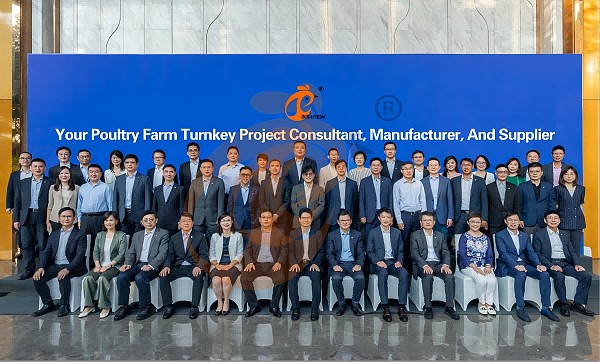
Taiyu (HK) Group - One Of Largest A Type Poultry Cage System Manufacturer
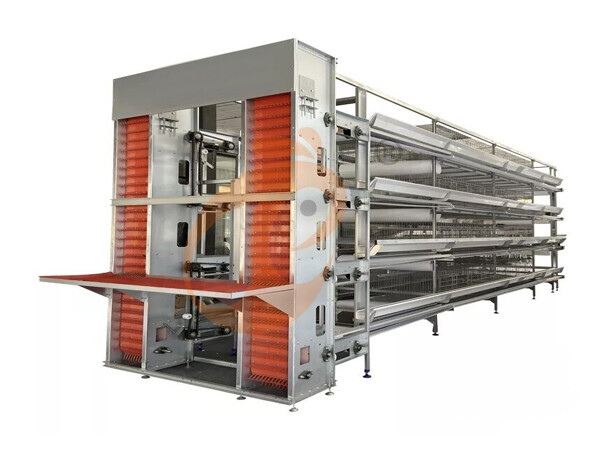
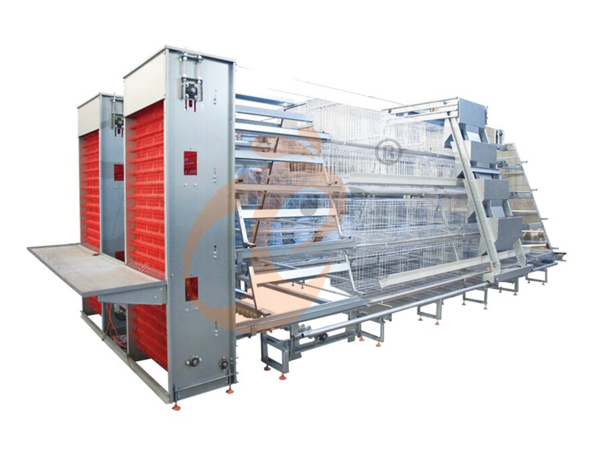
A Type poultry cage system engineering supports commercial layer housing with four-tier and five-tier configurations, automated feeding, and integrated manure handling designed around project-specific operating requirements
Global factory-direct supply coordinates poultry equipment manufacturing, technical specifications, component selection, and export preparation for commercial poultry farms across international markets
Turn-key engineering services integrate housing layouts, feeding systems, nipple drinking lines, egg collection conveyors, manure removal, and electrical control planning within a coordinated project scope
Poultry equipment project delivery incorporates installation guidance, commissioning procedures, operator training, and preventive maintenance planning to support reliable equipment operation
Customized engineering proposals address flock capacity, available shed dimensions, electrical infrastructure, automation levels, and lifecycle cost considerations for new installations and retrofit projects
Contact Us To Received Your Customized Poultry Farm Plan
Headquarters And Branchs

Hong Kong Headquarter Management Team
Hong Kong Headquarter Taiyu Industrial Group CO., LTD
China Hebei Best Machinery And Equipment CO., LTD
Nigeria Vanke Machinery And Equipment CO., LTD
Tanzania Best Machinery And Equipment CO., LTD
Ethiopia Best Hebei Machinery Manufacturing PLC




Reception /24 WhatsApp NO. : +8618830120193
PRODUCTS RECOMMENDED
 China Branch Manufacture Poultry Farm EquipmentRead More
 Ethiopia Branch Manufacture Poultry Farm EquipmentRead More
 Nigeria Branch Manufacture Poultry Farm EquipmentRead More
 Tanzania Branch Manufacture Poultry Farm EquipmentRead More
 IoT Smart Poultry FarmRead More
 >30,000 Layers Automatic H Type Battery CageRead More
 10,000 - 30,000 Layers Automatic A Type Battery CageRead More
MESSAGE
NEWS
 50,000 - 100,000 chickens/house: poultry farm solution, chicken cage, poultry farm equipment, AI smart managementRead More
 30,000 - 50,000 chickens/house: poultry farm solution, chicken cage, poultry farm equipment, AI smart managementRead More
 10,000 - 30,000 chickens/house: poultry farm solution, chicken cage, poultry farm equipment, AI smart managementRead More
 100 - 10,000 chickens/house: poultry farm solution, chicken cage, poultry farm equipment, AI smart managementRead More