

NEWS
Free range poultry system ventilation combines poultry ventilation system control with poultry house equipment engineering.
- Airflow architecture stabilizes oxygen supply, carbon dioxide removal, and ammonia dilution performance.
Mechanical fans, inlets, sensors, and controllers create continuous environmental equilibrium.
Humidity management protects litter quality while supporting healthier flock development.
Integrated poultry cage and housing equipment solutions improve productivity and commercial farm management.
Get professional poultry farm construction guidance, equipment selection solutions, and the latest price lists, whatsApp to +8618830120193, click to learn more:
Why Ventilation Determines Free Range Poultry Performance
Birds still spend significant time inside the poultry house, making indoor climate one of the largest factors affecting growth, egg production, feed conversion, and flock health.
Ventilation continuously removes moisture, carbon dioxide, ammonia, airborne dust, and excess heat while introducing fresh oxygen.
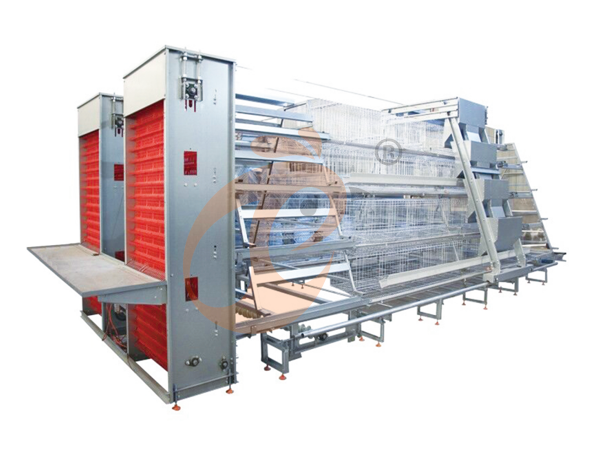
Modern poultry farms increasingly combine automated ventilation with feeding, drinking, manure removal, and poultry cage equipment to improve management efficiency.
Industry recommendations commonly focus on maintaining balanced airflow, humidity, temperature, and gas concentrations through properly designed mechanical ventilation systems.
Data is for reference only.Swipe horizontally to view full table.
Design Rule One: Build Stable Airflow Paths
Fresh air should move uniformly from air inlets toward exhaust fans instead of forming stagnant pockets.
Straight airflow channels reduce moisture accumulation and create consistent environmental conditions across every section of the poultry house.
When ventilation paths remain unobstructed, birds experience fewer temperature differences between locations.
Equipment such as adjustable air inlets, roof vents, circulation fans, and automated controllers improves airflow consistency while reducing manual intervention.
Selecting Mechanical Ventilation Equipment
Equipment selection directly determines long-term operating stability.
Commercial farms generally benefit from integrated ventilation packages rather than independent components because centralized controllers coordinate fan speed, curtain movement, and environmental sensors automatically.
These systems are engineered to operate together, reducing installation complexity while improving production consistency.
Data is for reference only.Swipe horizontally to view full table.
Design Rule Two: Maintain Balanced Pressure
Pressure balance prevents uncontrolled outside air from entering through random gaps.
Proper inlet adjustment allows incoming air to mix with warm indoor air before reaching birds.
Balanced pressure also improves fan efficiency and reduces unnecessary energy consumption.
Automated pressure monitoring minimizes seasonal adjustments and supports stable environmental control throughout the production cycle.
Why Fresh Air Matters
Bird metabolism continuously produces moisture and carbon dioxide.
Manure decomposition generates ammonia, while feeding activities increase airborne dust.
Without sufficient ventilation, these substances accumulate rapidly.
Scientific studies show that maintaining acceptable air quality supports respiratory health, improves feed intake, and stabilizes growth performance.
Ventilation therefore functions as both an environmental management tool and a disease prevention strategy.
Data is for reference only.Swipe horizontally to view full table.
Design Rule Three: Match Ventilation With Stocking Density
As bird numbers increase, heat generation and moisture production also increase.
Ventilation capacity should therefore be designed according to total biomass rather than building size alone.
Integrated environmental control systems automatically adjust fan operation according to sensor feedback, ensuring stable airflow as birds grow throughout the production cycle.
Data is for reference only.Swipe horizontally to view full table.
Design Rule Four: Coordinate Cooling And Ventilation
Ventilation alone cannot always remove sufficient heat during summer.
Cooling pads combined with exhaust fans improve indoor climate by reducing incoming air temperature before distribution.
Proper coordination between cooling systems and ventilation equipment prevents excessive humidity while maintaining bird comfort.
Data is for reference only.Swipe horizontally to view full table.
Energy Efficiency Through Intelligent Control
Energy represents a significant operating expense for commercial poultry farms.
Modern controllers adjust ventilation output according to real-time environmental conditions instead of running equipment continuously.
Variable-frequency fan control, programmable environmental curves, and sensor integration help reduce unnecessary electricity consumption while maintaining production stability.
Data is for reference only.Swipe horizontally to view full table.
Design Rule Five: Simplify Maintenance Access
Even the best ventilation system requires routine maintenance.
Designing sufficient maintenance space around fans, air inlets, electrical cabinets, and controllers allows technicians to complete inspections efficiently.
Modular equipment layouts reduce replacement time and improve long-term reliability.
Regular maintenance should include
Fan blade inspection
Belt tension adjustment
Air inlet cleaning
Sensor calibration
Electrical connection inspection
Controller software verification
Complete Poultry House Equipment Creates Greater Value
Purchasing equipment from multiple suppliers often creates compatibility issues.
Complete poultry house engineering solutions provide coordinated installation, unified electrical systems, matching structural components, and centralized technical support.
As a professional manufacturer of poultry cages and poultry house equipment, we provide customized engineering solutions covering project design, manufacturing, overseas installation guidance, equipment commissioning, and after-sales technical support.
Whether customers operate layer farms, broiler farms, breeder farms, or free range poultry projects, integrated equipment systems help improve productivity while reducing long-term operating costs.
Data is for reference only.Swipe horizontally to view full table.
Frequently Asked Questions
Q1: What ventilation rate is suitable for a free range poultry house?
A practical design target is often 6-10 air changes per hour during moderate weather, while higher rates are required during hot periods.
Ventilation capacity should be calculated according to house volume, bird biomass, and local climate conditions rather than building size alone.
Q2: How does ventilation affect ammonia control?
Ammonia concentration increases when moisture accumulates in the litter.
Maintaining relative humidity around 55-65% and providing continuous air exchange helps keep ammonia below approximately 25 ppm, protecting respiratory health and production performance.
Q3: Can automated environmental control reduce operating costs?
Yes.
Sensor-based fan control and variable-frequency drives can significantly reduce electricity consumption compared with fixed-speed operation.
Many commercial farms achieve measurable savings while maintaining more stable temperature and humidity conditions.
Taiyu (HK) Group - One Of China Largest Free Range Poultry System Ventilation Supplier
Free range poultry system ventilation integrates exhaust fans, air inlets, cooling pads, controllers, and poultry house environmental regulation equipment.
Global factory-direct supply supports standardized manufacturing, quality traceability, and competitive project procurement across multiple poultry production regions.
Complete poultry equipment portfolios include cages, feeding systems, drinking lines, manure removal systems, and climate control infrastructure.
Turn-key engineering services cover farm layout design, equipment selection, installation guidance, commissioning, and operational training programs.
Project-oriented technical support delivers coordinated electrical, structural, ventilation, and automation solutions for commercial layer, broiler, breeder, and free range farms.
Contact Us To Received Your Customized Poultry Farm Plan
Headquarters And Branchs
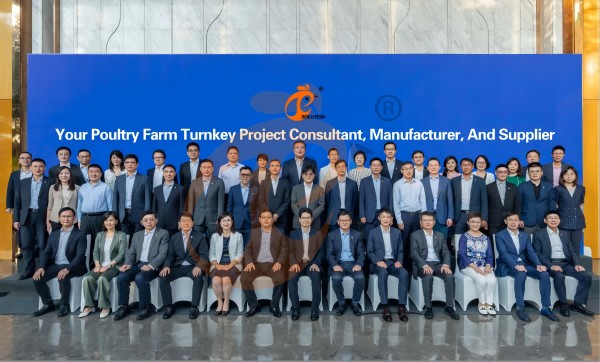
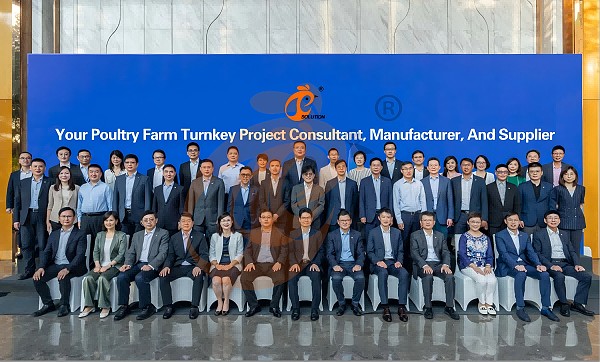
Hong Kong Headquarter Management Team
Hong Kong Headquarter Taiyu Industrial Group CO., LTD
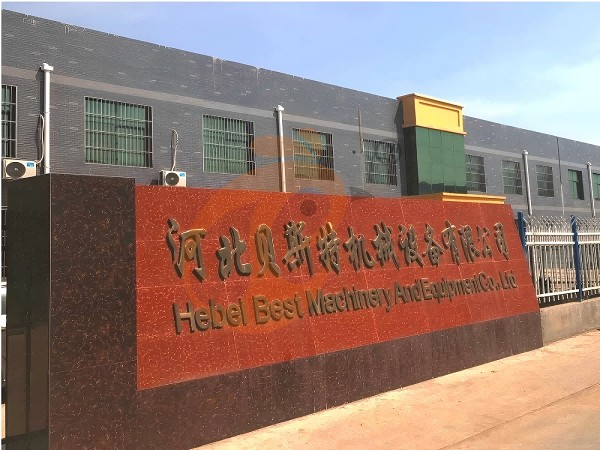
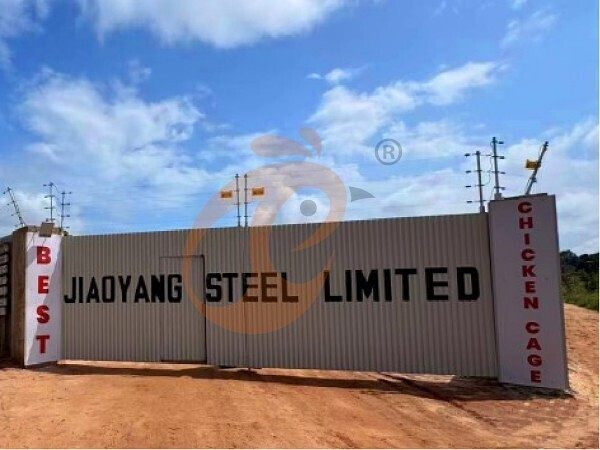
China Hebei Best Machinery And Equipment CO., LTD
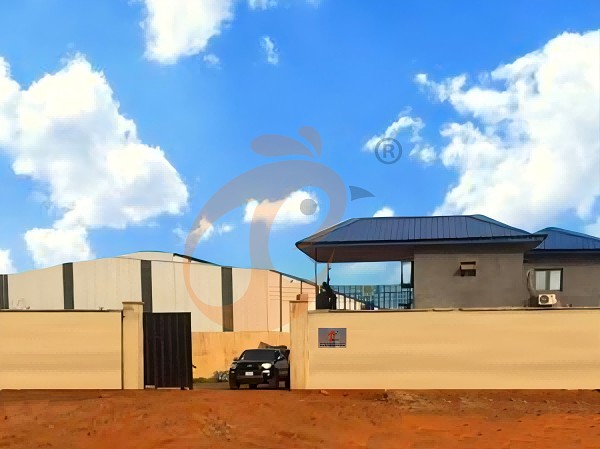
Nigeria Vanke Machinery And Equipment CO., LTD
Tanzania Best Machinery And Equipment CO., LTD
Ethiopia Best Hebei Machinery Manufacturing PLC
Reception /24 WhatsApp NO. : +8618830120193
PRODUCTS RECOMMENDED
 China Branch Manufacture Poultry Farm EquipmentRead More
 Ethiopia Branch Manufacture Poultry Farm EquipmentRead More
 Nigeria Branch Manufacture Poultry Farm EquipmentRead More
 Tanzania Branch Manufacture Poultry Farm EquipmentRead More
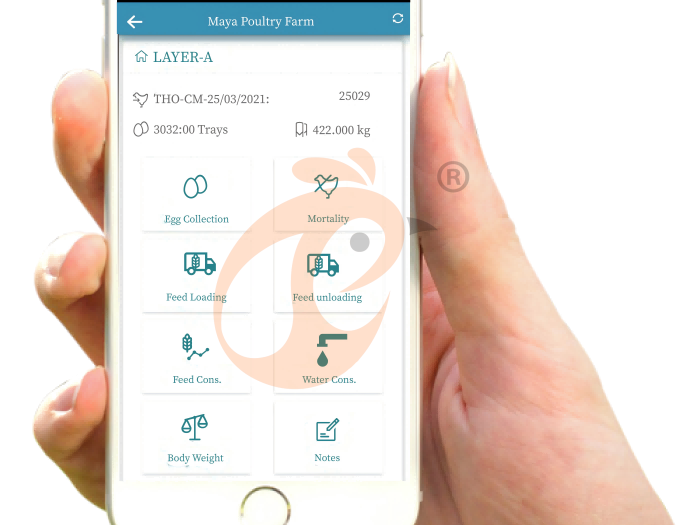
 IoT Smart Poultry FarmRead More
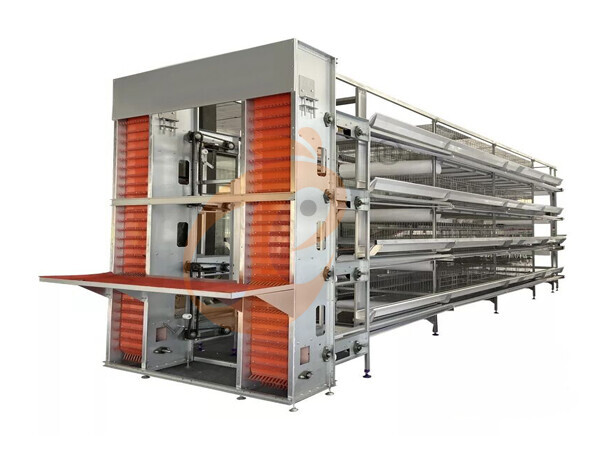
 >30,000 Layers Automatic H Type Battery CageRead More
 10,000 - 30,000 Layers Automatic A Type Battery CageRead More
MESSAGE
NEWS
 50,000 - 100,000 chickens/house: poultry farm solution, chicken cage, poultry farm equipment, AI smart managementRead More
 30,000 - 50,000 chickens/house: poultry farm solution, chicken cage, poultry farm equipment, AI smart managementRead More
 10,000 - 30,000 chickens/house: poultry farm solution, chicken cage, poultry farm equipment, AI smart managementRead More
 100 - 10,000 chickens/house: poultry farm solution, chicken cage, poultry farm equipment, AI smart managementRead More