

NEWS
Deep litter poultry system ventilation poultry house equipment integration supports airflow control ammonia reduction and environmental stabilization in commercial poultry farming operations
Article explains ventilation engineering principles air exchange balance temperature regulation humidity control and microbial litter activity across poultry housing systems
Content includes poultry equipment systems such as exhaust fans air inlets smart controllers and automated monitoring devices used in modern farms
Discussion covers ammonia formation moisture accumulation stocking density influence and respiratory health impacts in intensive poultry production environments
Overview highlights industrial poultry house design energy efficiency strategies and scalable equipment solutions for commercial farming infrastructure
Get professional poultry farm construction guidance, equipment selection solutions, and the latest price lists, whatsApp to +8618830120193, click to learn more:
Deep Litter Poultry System Overview
Deep litter poultry systems rely on biological decomposition of manure mixed with bedding materials.
Heat moisture and ammonia are continuously generated inside enclosed structures.
Ventilation systems regulate gas exchange and stabilize internal environment conditions.
Modern poultry houses integrate mechanical ventilation equipment to maintain stable airflow patterns and reduce disease risk.
Data is for reference only.Swipe horizontally to view full table.
Ammonia Formation Mechanism In Poultry Houses
Ammonia is produced through microbial decomposition of uric acid in poultry manure.
Moisture accumulation accelerates chemical breakdown and increases gas emission rate.
Ventilation systems reduce ammonia concentration by removing contaminated air and introducing fresh oxygen-rich airflow.
Data is for reference only.Swipe horizontally to view full table.
Poultry Ventilation Equipment System Structure
Mechanical ventilation systems regulate airflow direction pressure balance and gas exchange efficiency inside poultry houses.
These systems are widely used in large-scale commercial poultry production facilities.
Data is for reference only.Swipe horizontally to view full table.
Temperature Regulation In Deep Litter Systems
Biological fermentation generates internal heat affecting poultry house temperature stability.
Ventilation balances heat removal and bird comfort.
Data is for reference only.Swipe horizontally to view full table.
Humidity Control And Litter Stability Management
Humidity directly affects litter quality microbial activity and ammonia formation speed.
Excess moisture reduces bedding porosity.
Data is for reference only.Swipe horizontally to view full table.
Stocking Density And Biological Load Impact
Bird density determines manure output rate and ammonia production intensity.
High density requires stronger ventilation capacity.
Data is for reference only.Swipe horizontally to view full table.
Airflow Distribution Optimization In Poultry Houses
Uniform airflow prevents ammonia concentration hotspots and temperature imbalance zones.
Data is for reference only.Swipe horizontally to view full table.
Ventilation Failure Risk Control Systems
Ventilation failure increases ammonia concentration and thermal stress rapidly.
Backup systems are required for continuous operation.
Data is for reference only.Swipe horizontally to view full table.
Energy Consumption And System Efficiency
Ventilation energy usage varies based on airflow demand and seasonal conditions.
Data is for reference only.Swipe horizontally to view full table.
Frequently Asked Questions
Q1: What ammonia level is safe in deep litter poultry houses?
Ammonia concentration should remain below 25 ppm.
Levels above this reduce respiratory efficiency and increase disease risk.
Q2: How often should ventilation operate in poultry houses?
Ventilation must run continuously with minimum airflow maintained even in cold seasons to ensure stable humidity and gas balance.
Q3:What causes litter moisture accumulation?
Main causes include insufficient air exchange combined with high stocking density leading to humidity levels above 65%.
Taiyu (HK) Group - One Of China Biggest Deep Litter System Equipment Manufacturer
Poultry house ventilation exhaust fan system designed for deep litter poultry houses ensuring stable airflow ammonia control and environmental regulation in commercial farms
Global factory direct supply poultry equipment supports standardized production quality large scale installation and engineering customization services worldwide
Turn-key poultry farm engineering solutions integrate ventilation feeding systems cage equipment and environmental automation for complete farm construction projects
Industrial poultry equipment exporter provides international logistics technical guidance installation support and long term maintenance services for commercial farms
Advanced ventilation system design improves energy efficiency airflow precision and operational stability for modern poultry production infrastructure systems
Contact Us To Received Your Customized Poultry Farm Plan
Headquarters And Branchs
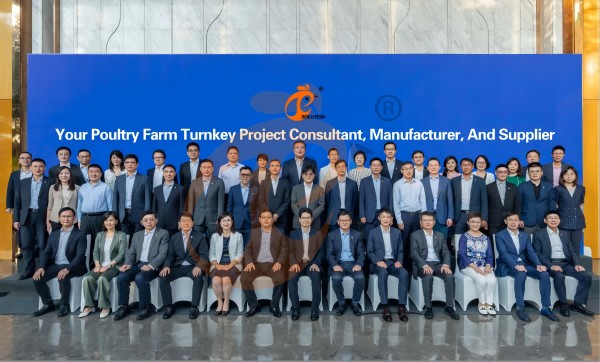
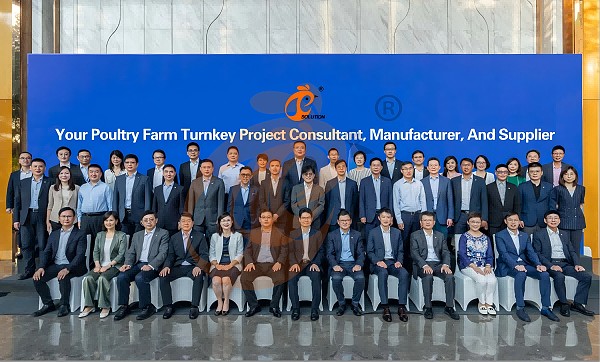
Hong Kong Headquarter Management Team
Hong Kong Headquarter Taiyu Industrial Group CO., LTD
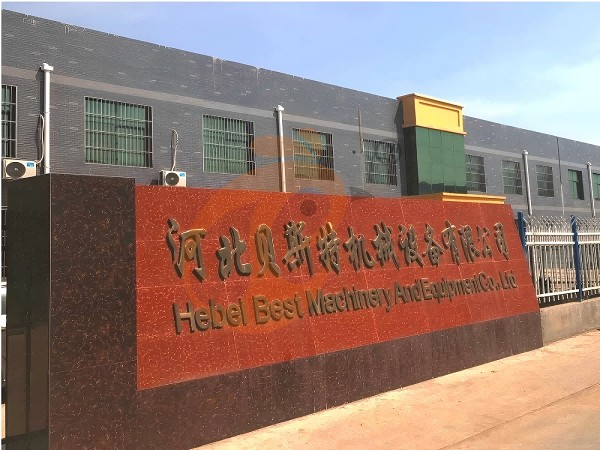
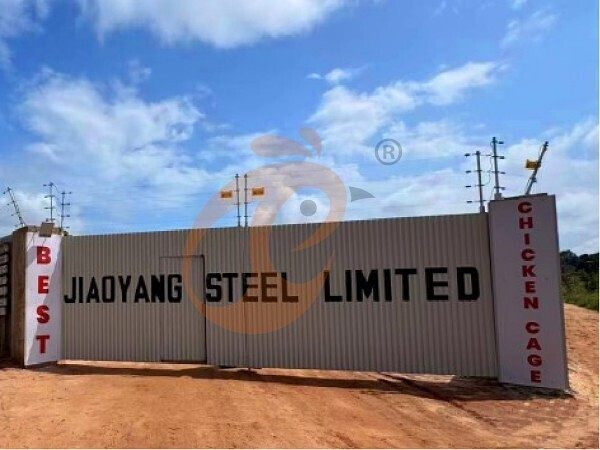
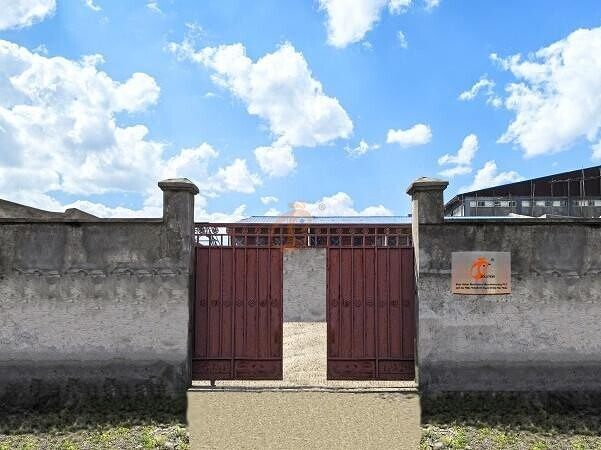
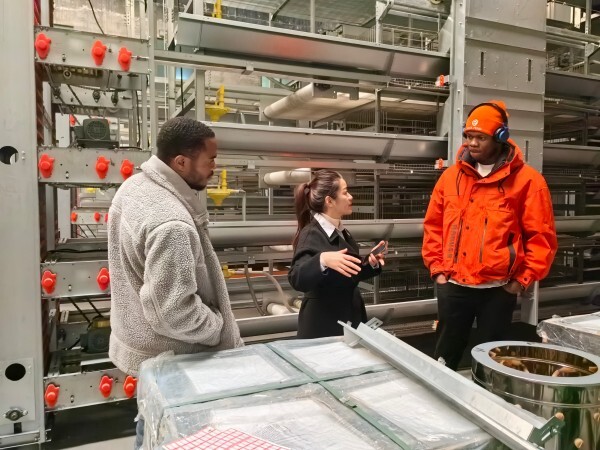
China Hebei Best Machinery And Equipment CO., LTD
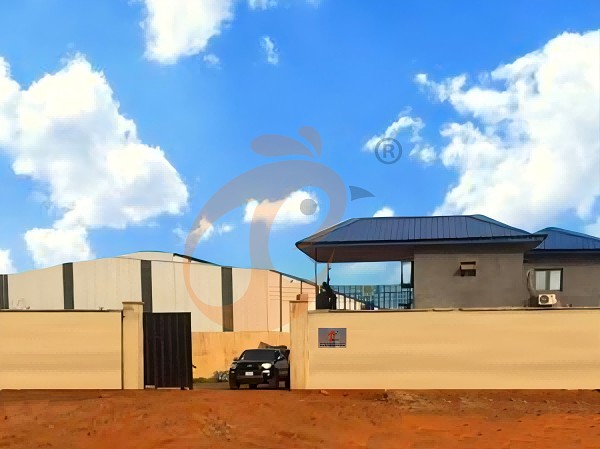
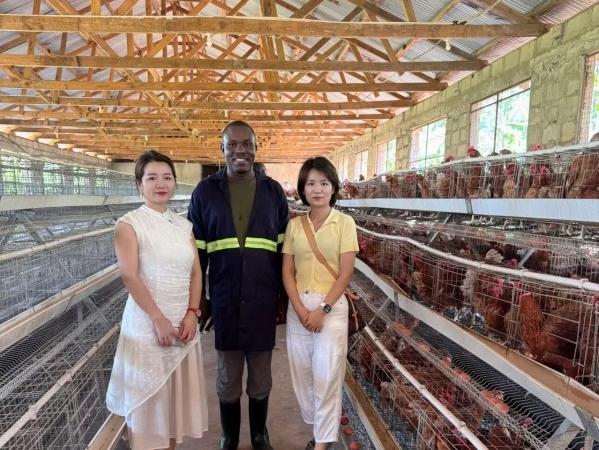
Nigeria Vanke Machinery And Equipment CO., LTD
Tanzania Best Machinery And Equipment CO., LTD
Ethiopia Best Hebei Machinery Manufacturing PLC
Reception /24 WhatsApp NO. : +8618830120193
PRODUCTS RECOMMENDED
 China Branch Manufacture Poultry Farm EquipmentRead More
 Ethiopia Branch Manufacture Poultry Farm EquipmentRead More
 Nigeria Branch Manufacture Poultry Farm EquipmentRead More
 Tanzania Branch Manufacture Poultry Farm EquipmentRead More
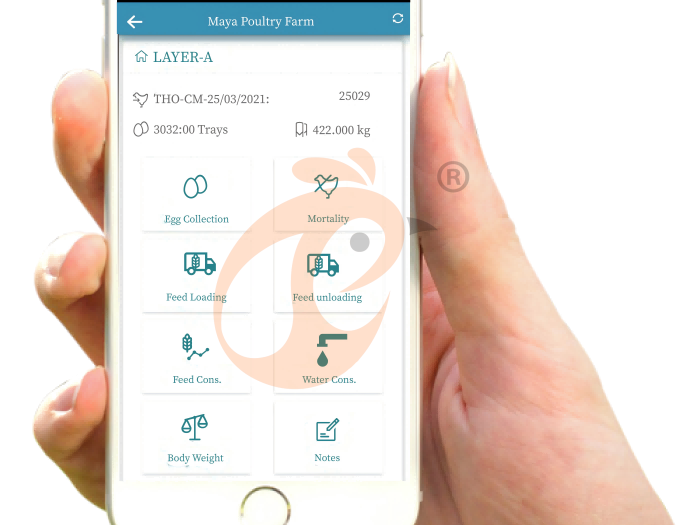
 IoT Smart Poultry FarmRead More
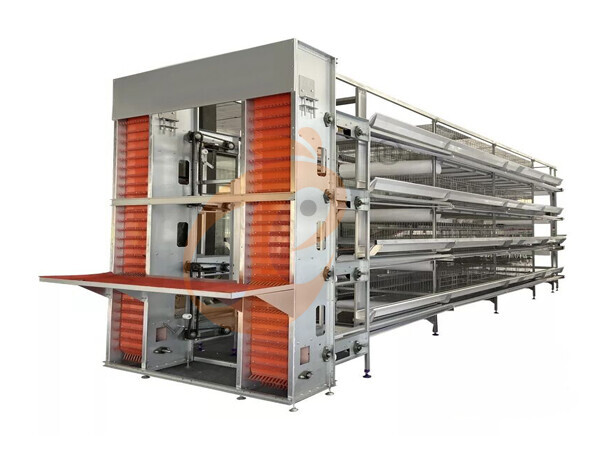
 >30,000 Layers Automatic H Type Battery CageRead More
 10,000 - 30,000 Layers Automatic A Type Battery CageRead More
MESSAGE
NEWS
 50,000 - 100,000 chickens/house: poultry farm solution, chicken cage, poultry farm equipment, AI smart managementRead More
 30,000 - 50,000 chickens/house: poultry farm solution, chicken cage, poultry farm equipment, AI smart managementRead More
 10,000 - 30,000 chickens/house: poultry farm solution, chicken cage, poultry farm equipment, AI smart managementRead More
 100 - 10,000 chickens/house: poultry farm solution, chicken cage, poultry farm equipment, AI smart managementRead More