

NEWS
Free range broiler housing combines outdoor movement with controlled indoor production, using 8–20 m house widths and coordinated poultry house equipment for practical commercial management.
Automatic poultry feeding system designs reduce repetitive labor while supporting accurate feed distribution across growing flocks, with centralized layouts serving modern farms efficiently.
Poultry ventilation system planning protects indoor air quality while supporting comfortable broiler production through measured airflow, environmental monitoring, and climate-responsive equipment.
Outdoor range organization, brooding preparation, water management, and automation work together to create a practical production model for farms targeting consistent results.
- Integrated equipment planning connects housing, feeding, drinking, ventilation, lighting, and controls into a scalable commercial system designed around flock capacity and future expansion.
Get professional poultry farm construction guidance, equipment selection solutions, and the latest price lists, whatsApp to +8618830120193, click to learn more:
Start With The Right Farm Layout
Begin with a layout that connects the poultry house, service area, feed storage, and outdoor range logically.
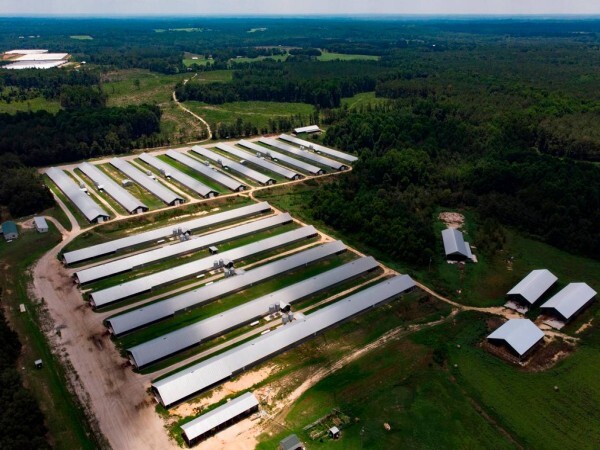
A house width of 8–20 m can accommodate different equipment configurations, while a sidewall height of 2.5–4 m provides installation space for ventilation and lighting systems.
A properly planned free range broiler housing layout should separate worker circulation from bird movement, keeping feed delivery and maintenance routes practical.
The outdoor range should connect directly with the house through controlled access points.
Plan worker circulation separately from bird movement so feed delivery, equipment inspection, and cleaning do not interfere with flock activity.
Equipment Selection: Build The System Around Efficiency
Data is for reference only.Swipe horizontally to view full table.
Equipment should be selected as one integrated system rather than as isolated components.
Feed lines, drinking lines, ventilation, lighting, and environmental controls need compatible layouts, power requirements, and maintenance access.
An integrated automatic poultry feeding system can connect centralized feed storage with distribution equipment while maintaining a practical house workflow.
Prepare A Comfortable Brooding House
Before chick placement, disinfect the house and test every operating system.
Brooding equipment should establish a stable environment from the first day; published broiler guidance places chick-level air temperature around 30°C during
whole-house brooding and litter temperature around 28–32°C.
A reliable free range broiler housing design should provide accessible equipment positions for inspection during the first production stage.
Data is for reference only.Swipe horizontally to view full table.
A reliable control panel is particularly valuable during brooding because temperature and humidity can change rapidly after ventilation adjustments.
Automated sensors allow the operator to respond according to measured conditions instead of relying only on visual inspection.
Manage Feed And Water Like A Profit Calculator
Feed and water systems should be engineered around the flock rather than added after construction.
For example, broiler guidance recommends 2.5 cm of trough access per bird where both sides are available, while nipple systems require adjustment according to bird size.
Data is for reference only.Swipe horizontally to view full table.
An automatic poultry feeding system can synchronize distribution across the house, while adjustable feed pans help accommodate different bird stages.
Proper feeder adjustment also supports cleaner floors by controlling unnecessary feed spillage.
Turn Ventilation Into A Competitive Advantage
Free-range access does not eliminate the need for mechanical ventilation.
During periods when birds remain indoors, the house must still remove moisture and maintain suitable air movement.
Tunnel systems can be designed around an air speed of approximately 2 m/s or more where applicable.
A properly engineered poultry ventilation system combines airflow management with measured environmental conditions instead of depending solely on manual
fan operation.
Data is for reference only.Swipe horizontally to view full table.
A professional ventilation package combines fans, inlets, sensors, and controllers.
The controller can coordinate fan operation according to measured environmental conditions, giving the farm a more consistent response to weather changes.
Design A Safe And Productive Outdoor Area
The outdoor range should encourage movement while remaining manageable for the operator.
Divide larger areas into sections so vegetation and soil can be managed progressively rather than allowing the entire range to receive continuous traffic.
A commercial free range broiler housing project should coordinate outdoor access with house capacity, service paths, and equipment maintenance requirements.
Data is for reference only.Swipe horizontally to view full table.
Secure fencing and properly positioned access doors reduce uncontrolled bird movement.
The range should also include shade and drainage features appropriate to the local climate, while equipment placement should keep service routes clear.
Automate The Daily Routine
Automation becomes increasingly valuable as flock size grows.
Instead of assigning workers to repeated feeding, watering, lighting, and climate-control tasks, integrate these functions through a central controller.
A coordinated automatic poultry feeding system can operate alongside ventilation and environmental controls, creating one practical management platform.
Data is for reference only.Swipe horizontally to view full table.
A centralized control system also simplifies expansion.
Additional feeding lines, sensors, or ventilation equipment can be incorporated according to the original electrical and structural design instead of rebuilding the
entire management system.
Protect Performance With Better House Equipment
The final step is continuous inspection.
Check drinker height, feed-line operation, fan performance, controller readings, and litter condition on a scheduled basis.
Water-line management is particularly important because nipple flow should be checked at multiple points along the line rather than assumed to be uniform.
A properly configured poultry ventilation system also needs routine inspection of fan belts, shutters, inlets, and sensor connections.
Data is for reference only.Swipe horizontally to view full table.
Equipment that allows tool-free adjustment, accessible components, and straightforward cleaning can shorten maintenance procedures.
Stainless-steel drinking components and corrosion-resistant structural materials are also practical choices for repeated production cycles.
Build A System, Not Just A Poultry House
Data is for reference only.Swipe horizontally to view full table.
A complete equipment supplier can therefore design the house around flock capacity, climate, building dimensions, and future expansion.
This approach prevents incompatible equipment from being installed at different stages of construction.
From Equipment To Long-Term Farm Value
A free-range product needs a production system capable of supporting its positioning.
Birds may have outdoor access, but consistent commercial output still depends on precise indoor management.
Integrated free range broiler housing gives operators a structured platform for coordinating production equipment and daily flock management.
For equipment buyers, durability and integration should be evaluated alongside purchase price.
A system designed for repeated cleaning, straightforward adjustment, and component replacement can provide more practical value over several production
cycles than a collection of low-cost standalone units.
Choose An Equipment Partner For The Next Production Cycle
Data is for reference only.Swipe horizontally to view full table.
The six-step approach is straightforward: plan the farm layout, prepare the brooding environment, engineer feed and water delivery, design ventilation, organize the outdoor range, and automate routine management.
The equipment behind these steps determines how efficiently the system operates.
For a commercial free-range broiler project, poultry house equipment should therefore be treated as part of the farm design rather than as an accessory.
Automatic feeding systems, nipple drinking lines, ventilation fans, environmental controllers, lighting systems, and related components can be engineered into one coordinated solution.
A professional equipment supplier can turn these individual components into a complete production system tailored to house dimensions, flock capacity, climate,
and expansion plans—giving free-range broiler farmers a stronger technical foundation for long-term operation.
Frequently Asked Questions
Q1: What equipment is essential for free range broiler housing?
Essential equipment includes automatic feeding lines, nipple drinking systems, ventilation fans, environmental controllers, and lighting systems.
A typical nipple allocation can range from 5–20 birds per nipple, depending on equipment specification and bird stage.
Q2: How does ventilation affect free range broiler production?
Mechanical ventilation maintains indoor air movement when birds remain inside during unsuitable outdoor conditions.
A properly designed system may operate with tunnel air speeds around 2.5–3.5 m/s according to house configuration and climate requirements.
Q3: Can poultry equipment be expanded after installation?
Yes.
Modular feeding, drinking, ventilation, and control systems can be designed for additional house capacity.
Initial electrical planning around 220/380 V and sufficient service space can simplify later equipment expansion.
Taiyu (HK) Group - One Of China Largest Poultry House Equipment Manufacturer
Poultry house equipment integrates feeding, drinking, ventilation, lighting, and environmental control into coordinated commercial broiler housing systems.
Global factory-direct supply covers poultry equipment packages engineered for different house dimensions, flock capacities, climates, and project specifications.
Poultry equipment projects support Turn-key engineering from system configuration and equipment production through installation guidance and commissioning.
Large-scale poultry projects can combine automatic feeding systems, drinking lines, ventilation equipment, and control systems under one technical supply structure.
Factory production and project-oriented engineering provide equipment configurations suitable for new construction, expansion, modernization, and free-range broiler housing applications.
Contact Us To Received Your Customized Poultry Farm Plan
Headquarters And Branchs
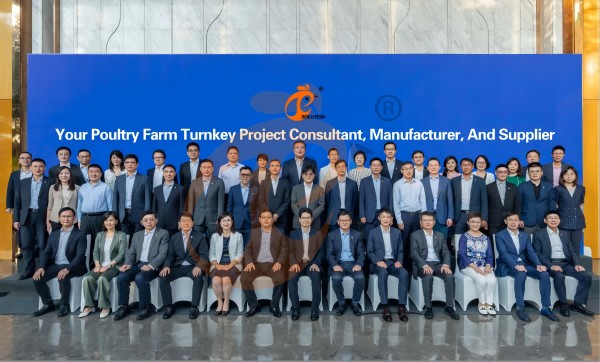
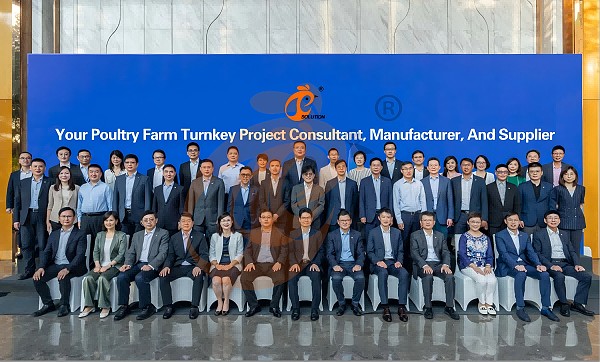
Hong Kong Headquarter Management Team
Hong Kong Headquarter Taiyu Industrial Group CO., LTD
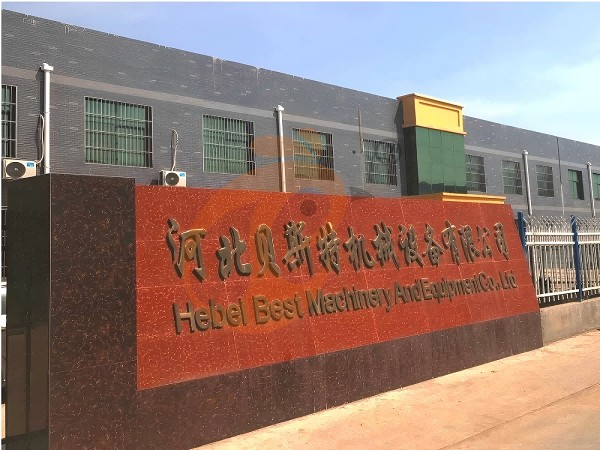
China Hebei Best Machinery And Equipment CO., LTD
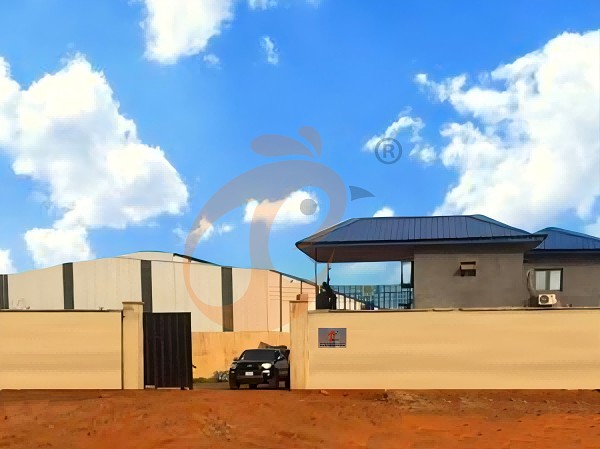
Nigeria Vanke Machinery And Equipment CO., LTD
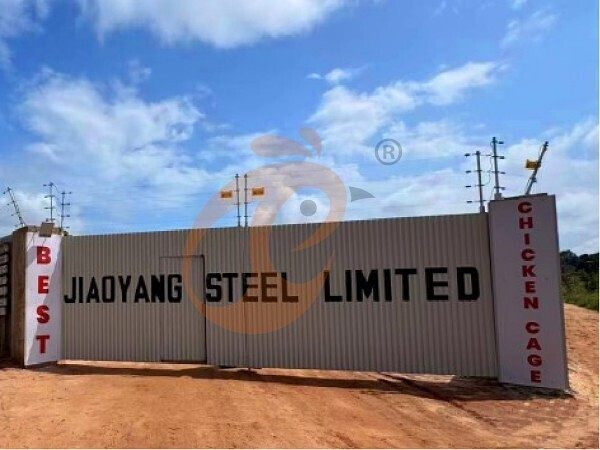
Tanzania Best Machinery And Equipment CO., LTD
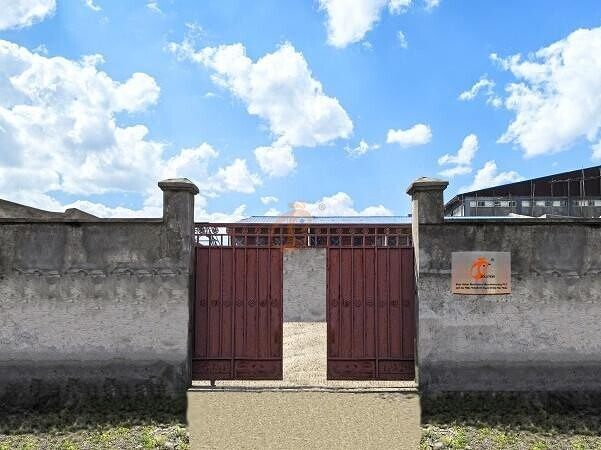
Ethiopia Best Hebei Machinery Manufacturing PLC
Reception /24 WhatsApp NO. : +8618830120193
PRODUCTS RECOMMENDED
 China Branch Manufacture Poultry Farm EquipmentRead More
 Ethiopia Branch Manufacture Poultry Farm EquipmentRead More
 Nigeria Branch Manufacture Poultry Farm EquipmentRead More
 Tanzania Branch Manufacture Poultry Farm EquipmentRead More
 IoT Smart Poultry FarmRead More
 >30,000 Layers Automatic H Type Battery CageRead More
 10,000 - 30,000 Layers Automatic A Type Battery CageRead More
MESSAGE
NEWS
 50,000 - 100,000 chickens/house: poultry farm solution, chicken cage, poultry farm equipment, AI smart managementRead More
 30,000 - 50,000 chickens/house: poultry farm solution, chicken cage, poultry farm equipment, AI smart managementRead More
 10,000 - 30,000 chickens/house: poultry farm solution, chicken cage, poultry farm equipment, AI smart managementRead More
 100 - 10,000 chickens/house: poultry farm solution, chicken cage, poultry farm equipment, AI smart managementRead More