

NEWS
- Broiler deep litter system planning connects housing design, litter control, feeding, drinking, ventilation, and climate management into one profitable production workflow for commercial farms.
Automatic broiler feeding system design reduces repetitive handling while supporting consistent feed delivery, accurate flock management, and scalable production across houses from 1,000 to 50,000 birds.
Poultry house ventilation system selection focuses on air exchange, moisture control, temperature stability, and equipment coordination, creating a more predictable environment through changing production stages.
Deep litter preparation, water management, environmental monitoring, and daily inspections combine practical husbandry with engineered equipment, helping farms control labor requirements and operational variation.
- Integrated equipment planning creates a stronger commercial foundation, combining reliable machinery, automation, installation expertise, and technical service for efficient broiler production and long-term farm development.
Get professional poultry farm construction guidance, equipment selection solutions, and the latest price lists, whatsApp to +8618830120193, click to learn more:
Build The Right Environment Before Chicks Arrive
Think of the poultry house as the first production tool—not simply a building.
Before placement, inspect the floor, walls, roof, ventilation openings, feeders, drinkers, heating system, and electrical equipment.
A reinforced concrete floor with a 1–2% drainage slope simplifies washing and sanitation, while a broiler deep litter system benefits from approximately 25–40 cm wall height above litter level to reduce material displacement.
The floor should be dry, level, washable, and suitable for uniform litter distribution.
Good insulation limits unnecessary heat exchange, while properly positioned air inlets guide incoming air toward the ceiling before reaching birds.
Professional equipment suppliers can configure poultry house ventilation system components, cooling pads, heaters, feeding lines, drinking lines, and
environmental controllers according to house dimensions and climate.
Prepare And Manage Deep Litter Correctly
Deep litter is a management system rather than simply bedding placed on the floor.
Suitable materials such as rice husks, wood shavings, or chopped straw should be clean, dry, absorbent, and free from contaminants.
For a broiler deep litter system, keeping bedding particles within approximately 2–5 mm improves handling characteristics and helps maintain a workable floor
surface during production.
Start with an appropriate bedding layer and inspect it every day.
Wet zones commonly develop beneath drinking points or where air movement is insufficient.
A mechanical litter-management solution can reduce compacted areas and improve working efficiency, while approximately 15–25 minutes of daily inspection per
1,000 birds provides a practical management routine.
Make Feeding A Precision Process
Feed is normally one of the largest operating costs in broiler production.
Poor distribution can create competition and uneven growth, while excessive feed accumulation increases waste.
An automatic broiler feeding system converts repeated manual handling into a controlled delivery process, with programmable feeding intervals commonly set
around 4–6 cycles during active daytime management.
A complete system can combine a silo, hopper, auger, drive motor, and pan feeders.
Adjustable feeder height allows the system to follow bird development, while scheduled operation coordinates feed delivery across the house.
The equipment configuration should be selected according to flock size and house layout rather than using a universal specification.
Put Water Management At The Center
If feed supplies nutrients for growth, water supports digestion, circulation, temperature regulation, and metabolism.
Continuous access is therefore essential.
Nipple drinking systems are widely used because they provide water at bird level while limiting contamination associated with open containers.
For an automatic broiler feeding system project, integrating drinking controls with feeding management can simplify daily operation, with water-line inspection
typically requiring less than 15 minutes per 1,000 birds.
Installation details determine system performance.
Check nipple alignment, pipe connections, filters, pressure regulation, and leakage during routine inspections.
A properly engineered water line can also be integrated with dosing equipment when farms need controlled administration of approved water-soluble products.
Control Climate Instead Of Reacting To It
Broilers respond to changes in temperature, humidity, air movement, and ventilation.
A modern poultry house should therefore connect poultry house ventilation system fans, cooling pads, heaters, sensors, and controllers into a coordinated environmental system instead of relying entirely on manual adjustments.
During brooding, heating equipment establishes the required thermal environment.
As birds grow, ventilation demand changes with body mass and outdoor conditions.
Tunnel ventilation, evaporative cooling, and circulation fans can then work together to manage heat and moisture, with air-inlet opening adjustments often
completed in increments of 5–10%.
Proper ventilation is particularly important because excessive moisture contributes to wet litter.
Turn Daily Management Into A Measurable Routine
The final step connects equipment with management.
Every day, evaluate bird activity, feed intake, water consumption, litter condition, temperature, humidity, air quality, and equipment operation.
Digital controllers can turn these observations into recorded production data, while a broiler deep litter system can be supported by inspection records covering
approximately 6–8 management indicators per house.
Do not wait until poor growth or excessive mortality appears before investigating.
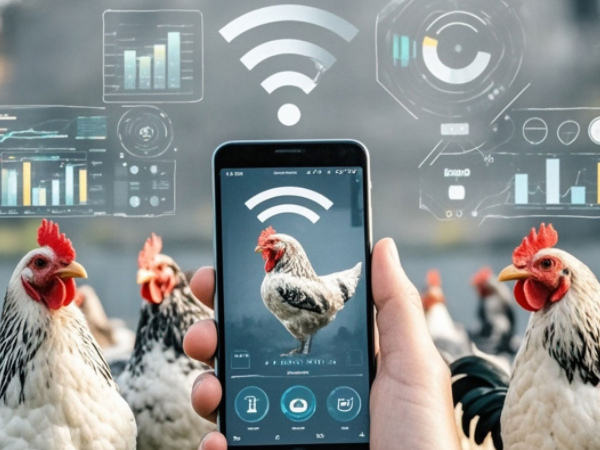
Modern systems can provide alarms and remote notifications when monitored conditions move outside programmed limits.
This makes the poultry house more responsive and allows workers to concentrate on flock management rather than repetitive equipment checks.
Why Deep Litter Works Better With The Right Equipment
A deep litter system can be economical and practical, but performance depends on how well the poultry house is engineered.
Automatic feeding reduces manual handling, nipple drinking systems control water delivery, ventilation equipment manages moisture, and environmental controllers coordinate multiple devices.
The commercial value comes from integration.
For example, an automated system can connect temperature sensors to fan and cooling-pad control, while water and feed monitoring provides additional production data.
A properly integrated poultry house ventilation system can also reduce unnecessary equipment cycling, with programmed fan staging commonly using 2–5 operating levels.
Build A Broiler House For The Next Flock—And The Next Ten
A successful broiler operation is built around repeatable processes.
The objective is not simply to raise one healthy flock, but to establish a house where every new flock benefits from controlled environmental management and efficient workflow.
Choosing an experienced poultry equipment manufacturer allows farmers to combine automatic broiler feeding system equipment, nipple drinking, ventilation, cooling, heating, environmental control, and monitoring according to house dimensions, climate, target live weight, and production objectives.
A properly planned project can allocate approximately 60–90 minutes of technical commissioning time per major equipment zone before flock placement.
When equipment works as one system, farmers can reduce repetitive labor, respond to environmental changes faster, and establish a more consistent production process.
Frequently Asked Questions
Q1: What equipment is essential for a broiler deep litter system?
Core equipment normally includes automatic feeding, nipple drinking, ventilation, heating, cooling, and environmental control.
A commercial house should also reserve approximately 5–10% additional electrical capacity for system expansion and auxiliary equipment.
Q2: How does ventilation affect deep litter management?
Ventilation removes moisture generated by birds, drinking systems, and manure.
A properly engineered poultry house ventilation system supports litter management by controlling air movement and moisture distribution rather than relying only on adding fresh bedding.
Q3: Why choose an automatic broiler feeding system?
Automation provides controlled feed delivery, reduces repetitive manual handling, and supports consistent flock access.
For commercial projects, equipment selection should consider house length, bird quantity, feed type, and expected expansion rather than purchasing equipment by price alone.
Taiyu (HK) Group - One Of China Toppest Broiler Deep Litter System Manufacturer
Broiler deep litter system integrates feeding, drinking, ventilation, environmental control, and floor-level management into an engineered production platform for commercial broiler houses.
Global factory direct supply provides poultry equipment with coordinated manufacturing, technical configuration, quality inspection, and international project support for different farm capacities.
Poultry equipment solutions cover automatic feeding lines, nipple drinking systems, tunnel ventilation, cooling, heating, controllers, and related house components under one technical supply structure.
Turn-Key engineering connects project planning, equipment layout, manufacturing, shipment, installation guidance, commissioning, and operational support for complete poultry production facilities.
International project delivery supports farm developments through engineering coordination, equipment matching, spare-parts planning, and technical service from initial design through production operation.
Contact Us To Received Your Customized Poultry Farm Plan
Headquarters And Branchs
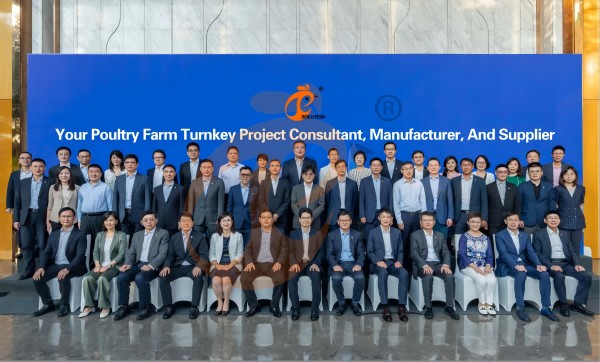
Hong Kong Headquarter Management Team
Hong Kong Headquarter Taiyu Industrial Group CO., LTD
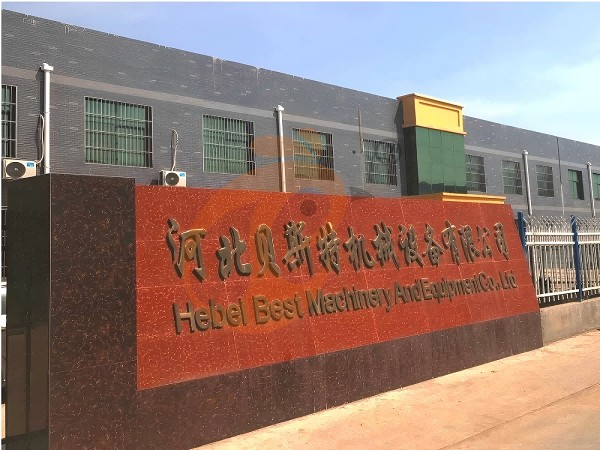
China Hebei Best Machinery And Equipment CO., LTD
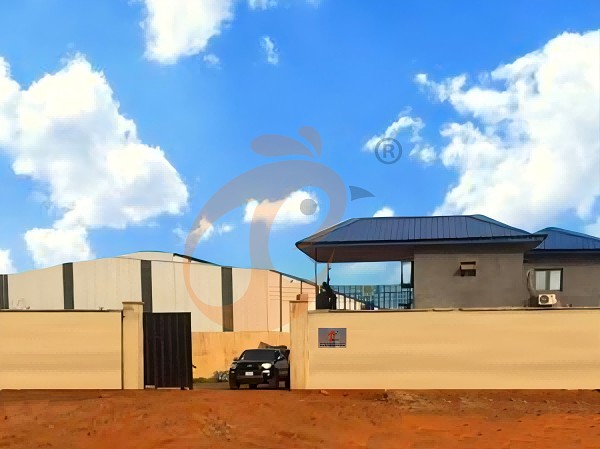
Nigeria Vanke Machinery And Equipment CO., LTD
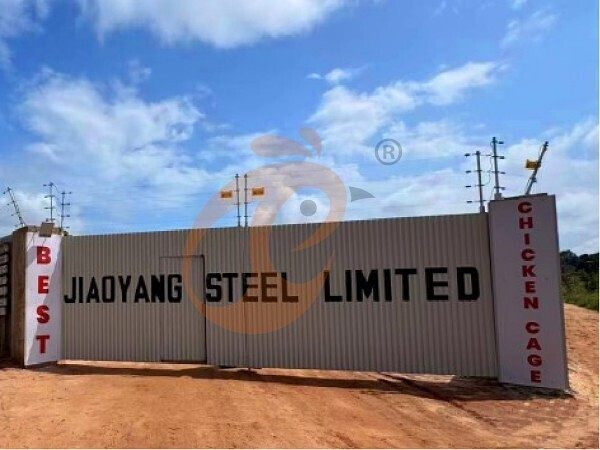
Tanzania Best Machinery And Equipment CO., LTD
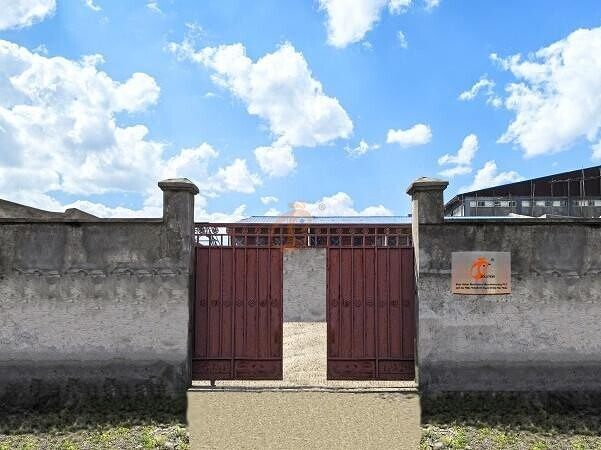
Ethiopia Best Hebei Machinery Manufacturing PLC
Reception /24 WhatsApp NO. : +8618830120193
PRODUCTS RECOMMENDED
 China Branch Manufacture Poultry Farm EquipmentRead More
 Ethiopia Branch Manufacture Poultry Farm EquipmentRead More
 Nigeria Branch Manufacture Poultry Farm EquipmentRead More
 Tanzania Branch Manufacture Poultry Farm EquipmentRead More
 IoT Smart Poultry FarmRead More
 >30,000 Layers Automatic H Type Battery CageRead More
 10,000 - 30,000 Layers Automatic A Type Battery CageRead More
MESSAGE
NEWS
 50,000 - 100,000 chickens/house: poultry farm solution, chicken cage, poultry farm equipment, AI smart managementRead More
 30,000 - 50,000 chickens/house: poultry farm solution, chicken cage, poultry farm equipment, AI smart managementRead More
 10,000 - 30,000 chickens/house: poultry farm solution, chicken cage, poultry farm equipment, AI smart managementRead More
 100 - 10,000 chickens/house: poultry farm solution, chicken cage, poultry farm equipment, AI smart managementRead More