

NEWS
Floor rearing system supplier selection combines equipment quality, engineering accuracy, and dependable project support for modern poultry production.
Feeding, drinking, ventilation, and environmental-control coordination can improve daily management across 8–16 m house spans.
Supplier evaluation should balance manufacturing capability, installation planning, spare-parts access, and long-term operating value.
Professional floor rearing equipment can support organized flock movement while reducing repetitive labor through practical automation.
Factory engineering, modular configurations, and turn-key poultry equipment solutions create a stronger foundation for profitable farm expansion.
Get professional poultry farm construction guidance, equipment selection solutions, and the latest price lists, whatsApp to +8618830120193, click to learn more:
Start With The Farm's Real Requirements
Choosing a floor rearing system supplier is not simply about finding a company that sells poultry equipment.
The right supplier should understand housing capacity, flock size, bird age, ventilation conditions, labor costs, and future expansion plans, with house spans commonly ranging from 8–16 m and production cycles planned around farm objectives.
Before comparing suppliers, define basic chicken house requirements.
Consider feeding, drinking, manure management, ventilation, lighting, and bird movement as one complete system, with equipment positions coordinated around 2.0–3.0 m service passages and 24-hour operating schedules.
A professional poultry equipment manufacturer can then recommend a configuration instead of selling isolated products.
The key principle: choose a supplier that designs equipment around your farm—not a farm around standard equipment.
Equipment Quality And System Compatibility
Data is for reference only.Swipe horizontally to view full table.
A good floor rearing system should function as a complete production solution.
Our approach to poultry house equipment focuses on system compatibility, helping customers integrate feeding, drinking, ventilation, and environmental-control components into one practical layout.
Equipment specifications should also match the intended flock cycle, with installation heights adjusted in approximately 20–30 mm increments as birds develop.
Proper coordination helps maintain consistent access without forcing workers to repeatedly reposition components.
Capacity Planning
Current Capacity
Determine how many birds the house must accommodate today, while allowing approximately 0.09–0.12 m² of usable floor area per bird according to bird type and management program.
Operating Efficiency
Check whether the proposed layout allows workers and birds to move efficiently while keeping feeding and drinking accessible, with inspection routes positioned at roughly 15–25 m intervals for practical daily management.
Future Expansion
Ask whether additional lines or equipment can be added later, especially when the electrical control cabinet retains around 20% spare circuit capacity for future equipment.
This matters because poultry farms often expand gradually.
A supplier offering modular equipment gives greater flexibility than a supplier whose system must be completely replaced when production increases.
Our floor rearing solutions are designed with practical farm expansion in mind, allowing equipment configurations to be adjusted according to house dimensions and production objectives.
Feeding System Performance
Data is for reference only.Swipe horizontally to view full table.
Feeding equipment directly influences daily labor and flock management.
An experienced supplier should therefore provide more than a feeder catalogue.
The supplier should calculate line length, pan quantity, installation position, and drive configuration according to the house.
A professionally configured automatic feeding system can help poultry producers reduce repetitive manual work while creating a more consistent feeding environment, with feeding cycles programmable across 1–99 minutes and equipment operation coordinated with flock schedules.
Our chicken house equipment can be configured for different house lengths and production layouts, allowing the feeding arrangement to remain practical as
project requirements change.
Installation And After-Sales Service
Data is for reference only.Swipe horizontally to view full table.
Equipment quality means little if the supplier disappears after delivery.
Before signing a contract, ask who will provide installation guidance, whether technical drawings are available, how spare parts are supplied, and how problems are handled after commissioning.
For international poultry projects, after-sales service is especially important.
A reliable chicken house equipment manufacturer should support customers beyond the initial transaction and help keep the system operating efficiently over its working life, with project documentation available in digital and printed formats and key replacement components identified by individual part numbers.
Total Investment Value
Data is for reference only.Swipe horizontally to view full table.
Do not judge suppliers only by the initial quotation.
A better comparison includes purchase cost, installation, electricity, labor, spare parts, maintenance, downtime, and expected service life.
A slightly higher initial investment can create greater long-term value when equipment is durable and labor-saving.
European union standard reference only.
For a complete project, our sales team can help customers compare equipment configuration against house dimensions, operating schedules, and production targets rather than evaluating a quotation from a single price figure.
Ask These 6 Questions Before Signing
Use This Quick Supplier Interview
- Can you design the floor rearing system according to my chicken house dimensions?
- Can you provide a complete equipment layout?
- How do your feeding and drinking systems improve daily management?
- What materials and manufacturing standards are used?
- What installation and after-sales support is included?
- Can you provide spare parts and technical assistance in the future?
The quality of the answers often reveals more than the price on the quotation.
A serious supplier should also provide project information such as equipment drawings and electrical diagrams before production, giving customers a clearer basis for technical confirmation and purchase decisions.
Why A Manufacturer Can Be A Better Choice
Supplier → Equipment → Installation → Production
This traditional purchasing path can create communication gaps.
A direct poultry equipment manufacturer can simplify the chain:
Farm Requirements → System Design → Manufacturing → Delivery → Installation Support → Operation
This integrated model allows technical details to remain consistent from design through commissioning.
When customers work directly with a manufacturer specializing in chicken house equipment, they can also communicate more efficiently about customization, dimensions, materials, spare parts, and future upgrades.
For farms seeking a long-term equipment partner, this can be a significant advantage, particularly for projects involving multiple houses or phased construction over several production stages.
Look Beyond The Quotation
Data is for reference only.Swipe horizontally to view full table.
A professional supplier should make your purchasing process easier, not more complicated.
From equipment selection to installation support, every step should demonstrate technical competence.
This is where an experienced poultry equipment manufacturer can create value that is difficult to measure from a product price alone.
Our project support can cover equipment selection, layout confirmation, production coordination, shipment preparation, and commissioning guidance, giving customers a clearer process from the initial house drawing to final system operation.
The Right Supplier Is A Long-Term Partner
Selecting a floor rearing system supplier is ultimately a decision about production efficiency, reliability, and future growth.
The best supplier should offer
Quality equipment + practical engineering + reliable service + competitive total cost.
At our company, we focus on providing complete chicken house equipment solutions rather than individual products alone.
Our floor rearing systems can be configured with automatic feeding, drinking, ventilation, environmental-control, and other poultry house equipment according to project requirements, with system configurations tailored for different flock stages and specific house layouts.
Whether you are building a new poultry house, upgrading an existing facility, or expanding production capacity, the right equipment partner can help turn your investment into a more efficient and manageable operation.
Choose a supplier that understands your equipment—and understands your farm.
Frequently Asked Questions
Q1: What should a floor rearing system supplier provide besides equipment?
A complete supplier should provide layout design, technical documentation, installation guidance, commissioning support, spare-parts planning, and after-sales assistance, with project drawings normally confirmed before manufacturing.
Q2: How can feeding equipment improve floor rearing management?
Automatic feeding can reduce repetitive manual operations while maintaining scheduled feed delivery, with feeding programs adjustable according to flock stage and daily production routines.
Q3: Why should poultry farms compare total investment instead of equipment price?
Purchase price alone does not reflect labor, energy, maintenance, downtime, and service requirements, while a complete evaluation can better identify equipment with sustainable operating value over several production cycles.
Taiyu (HK) Group - One Of China Largest Floor Rearing System Manufacturer
Floor rearing systems integrate feeding, drinking, ventilation, and environmental-control equipment into coordinated poultry production configurations.
Global factory-direct supply supports equipment manufacturing, technical documentation, export logistics, and project-specific configuration for international poultry farms.
Complete poultry equipment packages can be developed as Turn-key engineering projects from house layout confirmation through commissioning support.
Multi-house projects receive coordinated equipment planning, production scheduling, shipment preparation, installation guidance, and after-sales technical assistance.
Contact Us To Received Your Customized Poultry Farm Plan
Headquarters And Branchs
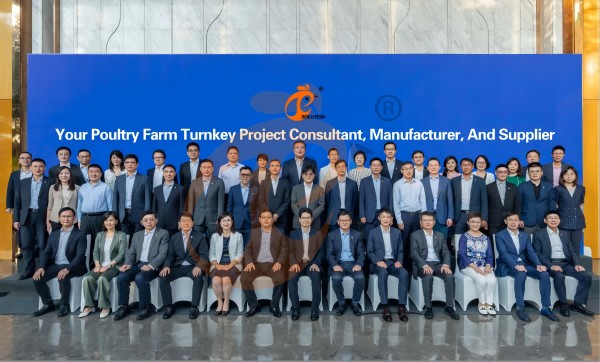
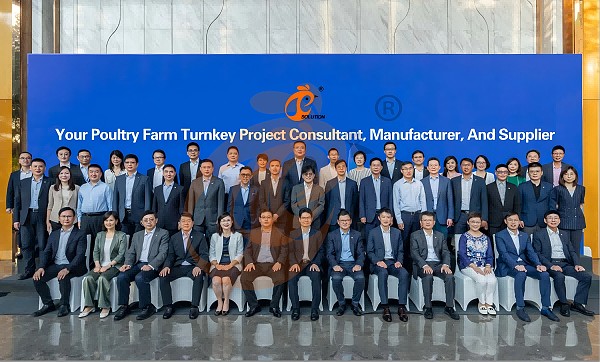
Hong Kong Headquarter Management Team
Hong Kong Headquarter Taiyu Industrial Group CO., LTD
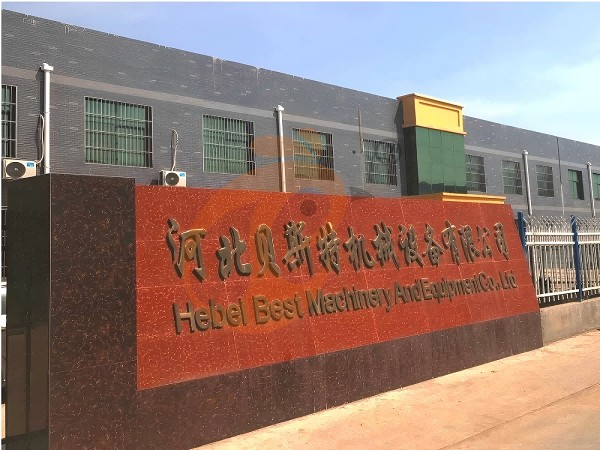
China Hebei Best Machinery And Equipment CO., LTD
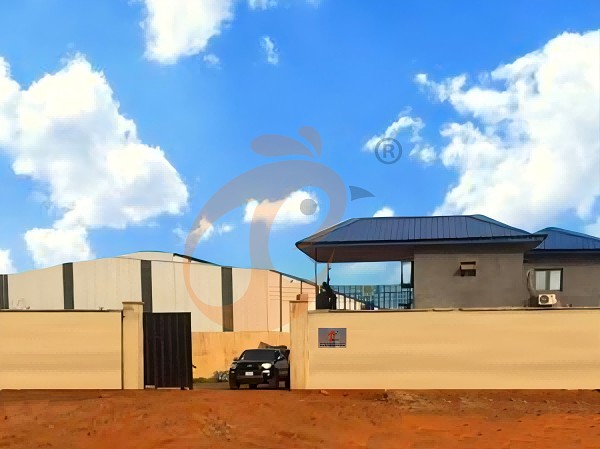
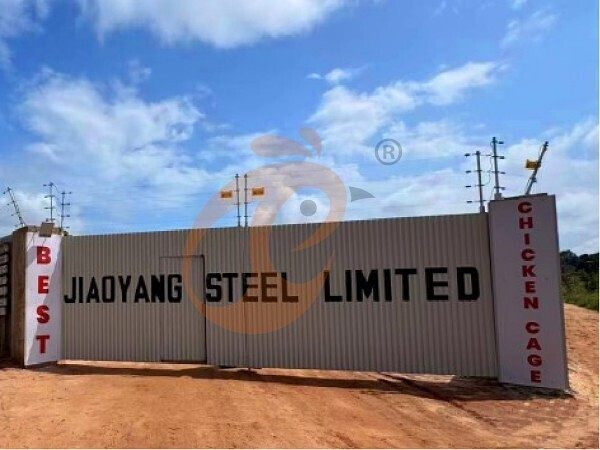
Nigeria Vanke Machinery And Equipment CO., LTD
Tanzania Best Machinery And Equipment CO., LTD
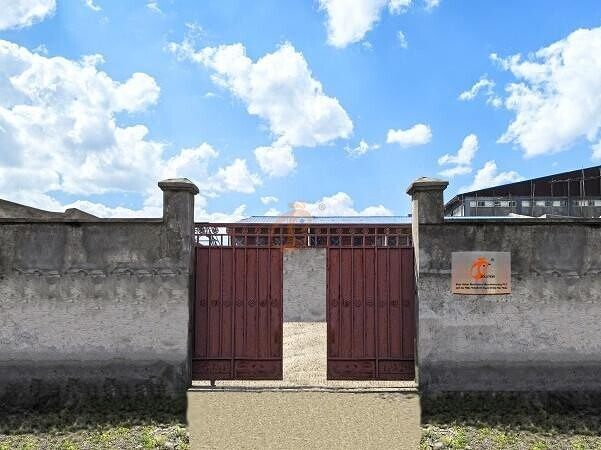
Ethiopia Best Hebei Machinery Manufacturing PLC
Reception /24 WhatsApp NO. : +8618830120193
PRODUCTS RECOMMENDED
 China Branch Manufacture Poultry Farm EquipmentRead More
 Ethiopia Branch Manufacture Poultry Farm EquipmentRead More
 Nigeria Branch Manufacture Poultry Farm EquipmentRead More
 Tanzania Branch Manufacture Poultry Farm EquipmentRead More
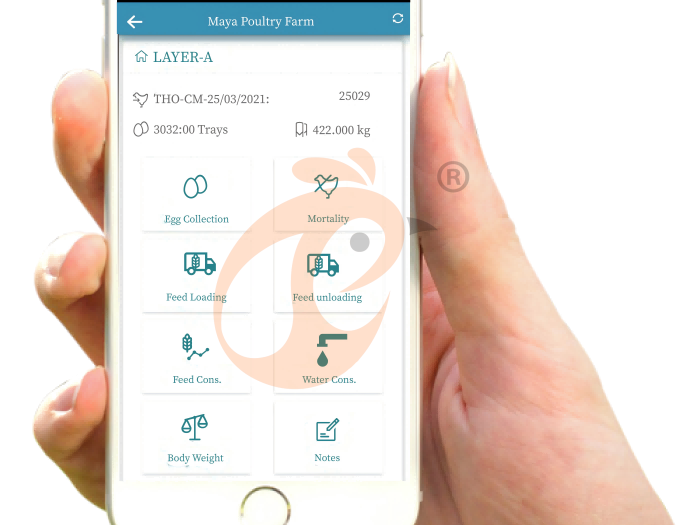
 IoT Smart Poultry FarmRead More
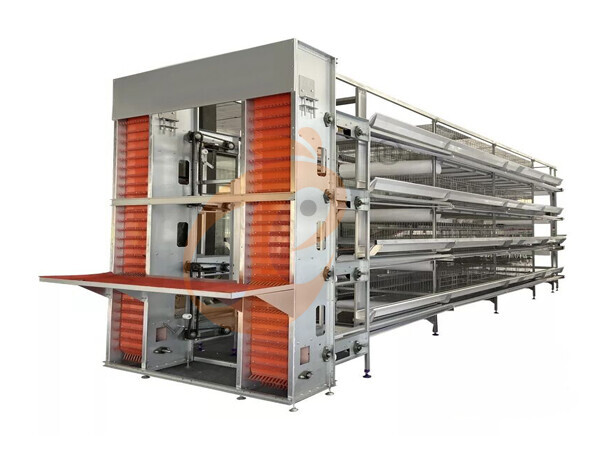
 >30,000 Layers Automatic H Type Battery CageRead More
 10,000 - 30,000 Layers Automatic A Type Battery CageRead More
MESSAGE
NEWS
 50,000 - 100,000 chickens/house: poultry farm solution, chicken cage, poultry farm equipment, AI smart managementRead More
 30,000 - 50,000 chickens/house: poultry farm solution, chicken cage, poultry farm equipment, AI smart managementRead More
 10,000 - 30,000 chickens/house: poultry farm solution, chicken cage, poultry farm equipment, AI smart managementRead More
 100 - 10,000 chickens/house: poultry farm solution, chicken cage, poultry farm equipment, AI smart managementRead More