

NEWS
Free range poultry system planning connects housing, feeding, drinking, ventilation, automation, and outdoor access into one commercial production strategy, with practical equipment parameters supporting efficient farm development.
Poultry house equipment selection affects labor, hygiene, bird movement, maintenance, and expansion, while integrated layouts help coordinate daily operations across different production zones.
Automatic feeding system and controlled drinking solutions improve routine management, helping commercial farms establish consistent feed distribution and dependable water delivery throughout production cycles.
Environmental control equipment supports ventilation, temperature management, monitoring, and automation, creating a more stable operating environment across changing seasonal conditions.
Integrated engineering, scalable equipment, and turn-key project support create a practical route toward reliable free range production, combining technical specifications with long-term commercial farm value.
Get professional poultry farm construction guidance, equipment selection solutions, and the latest price lists, whatsApp to +8618830120193, click to learn more:
Start With The Right Planning Framework
A successful free range poultry system is more than a chicken house with an outdoor area.
An integrated free range poultry system must balance bird welfare, labor efficiency, ventilation, feeding, drinking, egg collection, manure management, and farm expansion.
Before purchasing equipment, define six planning steps: site evaluation, flock capacity, house layout, feeding and drinking, ventilation and climate control, and automation and future expansion.
A practical house design can use a 2.4–3.0 m internal service clearance and a 0.35–0.45 W/m² LED lighting load to coordinate daily operations.
The best equipment strategy is to design systems together rather than select individual machines separately.
A complete poultry house equipment package can be configured around 50–80 birds per automatic feeder circuit and one controller cabinet for each production house to simplify system coordination.
Evaluate The Site And Free Range Area
Data is for reference only.Swipe horizontally to view full table.
Site planning should consider the relationship between the indoor house and ranging area.
Free range poultry equipment should support smooth bird movement while minimizing unnecessary drafts and water infiltration.
Doors should provide easy bird movement while preventing unnecessary drafts and water infiltration.
Outdoor pop-hole openings can be designed at approximately 400–500 mm above finished floor level with 450–600 mm clear opening height, depending on flock type and building design.
Commercial farms should reserve space for feed silos, electrical systems, manure handling, and maintenance access.
Such planning keeps poultry house equipment accessible for service and allows future capacity upgrades without rebuilding the entire farm.
Match House Capacity To The Flock
Data is for reference only.Swipe horizontally to view full table.
Capacity should never be determined by floor space alone.
A free range flock needs convenient access to feeders, drinkers, nests, perches, ventilation, and outdoor exits.
A house planned for 12,000 layers may require 300–360 m of usable perch length, depending on the applicable production standard and selected housing configuration.
For egg-producing farms, an automatic egg collection system can become a major labor-saving investment as flock size increases.
Proper nest placement also helps reduce floor eggs and keeps collected eggs cleaner.
Automatic nest belts can be specified with 500–700 mm belt widths to match different collection layouts.
Design The House Around Bird Flow
Rest → Eat → Drink → Lay → Move Outdoors → Return → Rest
Each activity should have a logical position.
Resting Zone: Keep comfortable, dry areas away from excessive equipment traffic.
Feeding Zone: Position feeders so birds can reach feed without creating congestion.
Drinking Zone: Distribute nipple drinkers evenly throughout the house.
Laying Zone: Place nest boxes in quieter areas with controlled lighting.
Outdoor Access: Provide multiple exits where practical to reduce crowding.
Service Zone: Keep mechanical components accessible to workers.
This flow-based approach also improves equipment utilization.
Modern poultry house equipment can combine automatic pan feeding, nipple drinking systems, automatic nest boxes, egg conveyors, manure removal, and environmental controls into one coordinated production system.
Equipment lines can be arranged with 1.0–1.5 m operator passages and 25–40 mm adjustable mounting tolerances for installation alignment.
Feeding System: Build For Consistency
Data is for reference only.Swipe horizontally to view full table.
Feed management is one of the most important operating costs on a poultry farm.
An automatic feeding system helps deliver feed consistently while reducing the amount of manual work required.
A correctly sized feed motor can operate within a 0.75–2.2 kW power range for different conveying configurations.
A complete equipment supplier can provide the silo, auger, feeder line, sensors, and controller as a matched system.
This integrated approach simplifies installation and helps ensure that each component operates correctly.
Drinking System: Protect Water Quality
Data is for reference only.Swipe horizontally to view full table.
Water equipment should be designed for reliability because interruptions can quickly affect flock performance.
An automatic poultry drinking system provides water directly to birds while reducing open-water contamination.
A well-designed system should include filtration, pressure regulation, flushing, and convenient inspection points.
Water lines can be supported at 1.5–2.0 m intervals to maintain stable alignment during daily operation.
For larger farms, water meters and monitoring devices can also help managers identify abnormal consumption before a small equipment problem becomes a major production issue.
Ventilation And Climate Control
Design Formula
Fresh Air + Stable Temperature + Controlled Humidity = Better House Environment
Free range poultry houses face changing outdoor conditions, including heat, cold, rain, and strong wind.
Environmental control equipment therefore needs to provide flexible ventilation management across seasonal conditions.
Fan selection can be based on an airflow range of 18,000–45,000 m³/h per unit, depending on house volume and climate calculations.
During hot weather, tunnel or high-capacity ventilation can remove heat efficiently.
During colder periods, controlled air inlets can introduce fresh air without creating harmful drafts at bird level.
Automatic controllers can coordinate fans, inlets, curtains, heaters, and sensors.
Instead of relying on manual adjustment throughout the day, farmers can establish target temperature and ventilation parameters.
Temperature sensors can be installed at approximately 300–500 mm above bird level, while separate outdoor sensors can provide weather reference data.
Professional poultry house equipment helps turn a simple poultry building into a predictable production environment.
Select Equipment As An Integrated Package
Data is for reference only.Swipe horizontally to view full table.
Buying equipment individually may appear inexpensive, but compatibility problems can increase installation and maintenance costs.
A properly engineered poultry equipment system can use 380–415 V three-phase motors and 50 Hz electrical configurations where specifications match the local power supply.
A better strategy is to choose a supplier capable of designing a complete system.
Feeders, drinkers, nests, ventilation, controllers, and conveyors should be selected according to the same house dimensions and production objectives.
Plan Automation For Labor Efficiency
Before Vs. After
Traditional Approach
Manual feeding
→ Manual water checks
→ Manual ventilation adjustment
→ Manual egg collection
→ More routine labor
→ Greater variation between daily operations
Integrated Approach
Automatic feeding
→ Controlled drinking
→ Automated climate management
→ Centralized monitoring
→ More efficient farm management
Automation does not mean removing the farmer from the operation.
Instead, automation allows workers to spend less time on repetitive tasks and more time monitoring flock condition, equipment performance, hygiene, and production data.
A centralized interface can connect 8–16 environmental input channels and store operating records at 1–5 minute intervals.
For growing farms, automation should be scalable.
Start with essential systems and select equipment that can later connect to additional sensors, controllers, egg conveyors, or feeding lines.
Modular control architecture can also reserve 20–30% spare I/O capacity for future equipment additions.
Equipment Selection Scorecard
Data is for reference only.Swipe horizontally to view full table.
Price should not be the only purchasing criterion.
A low-cost component that requires frequent replacement can become more expensive over its operating life.
By contrast, durable poultry house equipment with reliable motors, strong structures, stable control systems, and accessible spare parts can provide better long-term value.
When comparing suppliers, evaluate equipment specifications, engineering support, installation guidance, customization capability, and after-sales service.
A professional supplier should also provide equipment drawings in DWG/PDF formats and recommended spare-parts lists covering the first 12 months.
The Six-Step Final Check
01 — Site
Confirm land, drainage, access, biosecurity, and expansion possibilities.
02 — Capacity
Match flock size with house dimensions, feeding points, drinking points, and nest capacity.
03 — Layout
Create a smooth bird flow between resting, feeding, drinking, laying, and outdoor areas.
04 — Environment
Select ventilation, cooling, heating, lighting, and environmental controllers according to the local climate.
05 — Automation
Identify repetitive tasks that can be handled by automatic feeding, drinking, egg collection, and climate systems.
06 — Expansion
Choose modular free range poultry equipment that can grow with the farm.
During commissioning, equipment circuits should be tested sequentially, with 24-hour continuous trial operation for critical automated systems and at least three inspection points per production line for mechanical alignment.
Build The System Around Long-Term Farm Value
Data is for reference only.Swipe horizontally to view full table.
A successful free range poultry system should be designed for both today's flock and tomorrow's farm.
The right equipment can improve labor efficiency, operational consistency, hygiene, and management visibility while supporting the natural movement requirements of free range birds.
For poultry producers, the most valuable investment is not simply buying more equipment—it is choosing the right combination of poultry equipment.
A professional poultry equipment manufacturer can help transform the six planning steps into a complete solution, from house layout and feeding systems to drinking lines, nest boxes, egg collection, ventilation, environmental control, and future expansion.
With an integrated design, every component works toward the same goal: a more efficient, reliable, and scalable free range poultry operation.
Frequently Asked Questions
Q1: What equipment is essential for a free range poultry system?
Core equipment normally includes feeding lines, nipple drinking systems, nest boxes, ventilation equipment, environmental controllers, and egg handling equipment.
A commercial house can integrate several automated circuits into one control architecture.
Q2: How can automatic feeding equipment improve farm operation?
An automatic feeding system reduces repetitive manual distribution and supports scheduled feed delivery.
Motorized conveying can be configured according to house length, flock size, and feed consumption requirements.
Q3: Why should poultry equipment be designed as one integrated system?
Integrated design improves equipment compatibility, installation planning, electrical coordination, and future expansion.
A modular project can reserve approximately 20–30% control capacity for later equipment additions.
Taiyu (HK) Group - One Of China Toppest Poultry Equipment Manufacturer
Free Range Poultry System: Integrated feeding, drinking, ventilation, nest, egg collection, and environmental control equipment is engineered around house dimensions, flock capacity, utility conditions, and production targets.
Global Factory Direct Sales: Direct manufacturing supports standardized component supply, customized specifications, factory inspection, export packaging, and technical coordination for international poultry projects.
Poultry Equipment Turn-Key Engineering: Project delivery can cover layout design, equipment configuration, production, installation guidance, commissioning support, and system integration from one technical source.
International Project Supply: Poultry equipment packages are structured for commercial farms, breeder projects, layer houses, and free range production facilities across different operating environments.
Engineering-Based Service: Equipment selection follows measurable requirements for capacity, electrical compatibility, ventilation, automation, maintenance access, spare parts, and planned farm expansion.
Contact Us To Received Your Customized Poultry Farm Plan
Headquarters And Branchs

Hong Kong Headquarter Management Team
Hong Kong Headquarter Taiyu Industrial Group CO., LTD
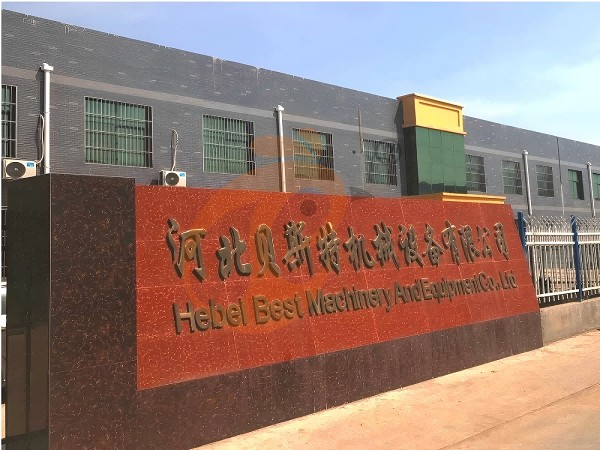
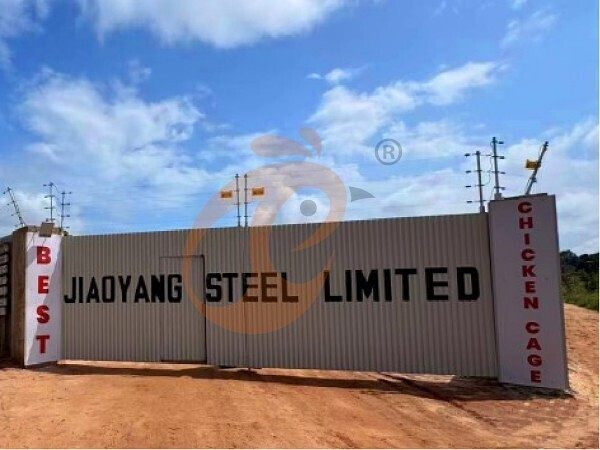
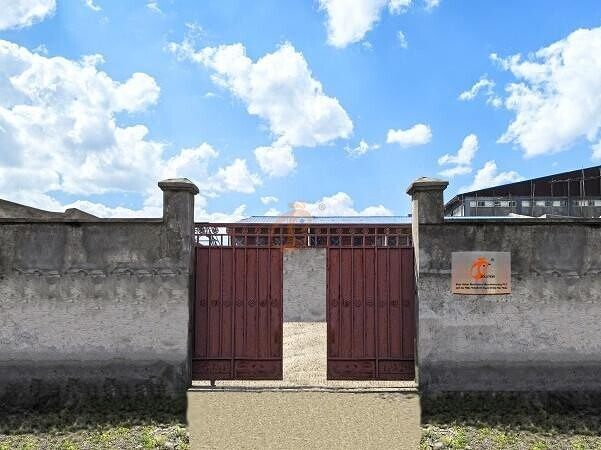
China Hebei Best Machinery And Equipment CO., LTD
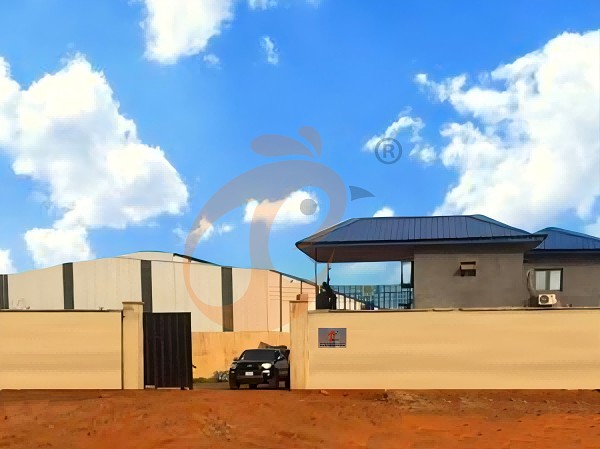
Nigeria Vanke Machinery And Equipment CO., LTD
Tanzania Best Machinery And Equipment CO., LTD
Ethiopia Best Hebei Machinery Manufacturing PLC
Reception /24 WhatsApp NO. : +8618830120193
PRODUCTS RECOMMENDED
 China Branch Manufacture Poultry Farm EquipmentRead More
 Ethiopia Branch Manufacture Poultry Farm EquipmentRead More
 Nigeria Branch Manufacture Poultry Farm EquipmentRead More
 Tanzania Branch Manufacture Poultry Farm EquipmentRead More
 IoT Smart Poultry FarmRead More
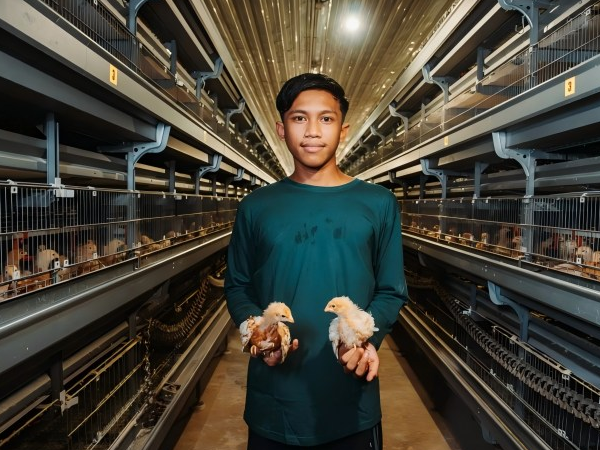
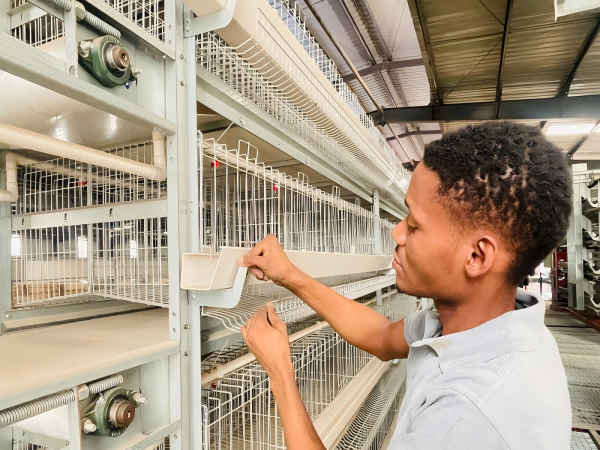
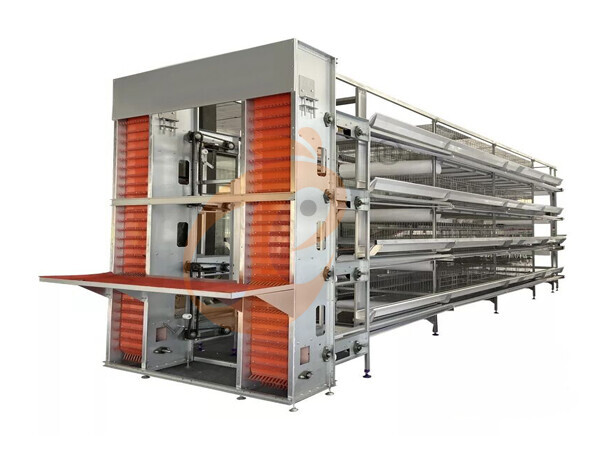
 >30,000 Layers Automatic H Type Battery CageRead More
 10,000 - 30,000 Layers Automatic A Type Battery CageRead More
MESSAGE
NEWS
 50,000 - 100,000 chickens/house: poultry farm solution, chicken cage, poultry farm equipment, AI smart managementRead More
 30,000 - 50,000 chickens/house: poultry farm solution, chicken cage, poultry farm equipment, AI smart managementRead More
 10,000 - 30,000 chickens/house: poultry farm solution, chicken cage, poultry farm equipment, AI smart managementRead More
 100 - 10,000 chickens/house: poultry farm solution, chicken cage, poultry farm equipment, AI smart managementRead More