

NEWS
Poultry equipment systems coordinate feeding, watering, ventilation, cooling, heating, and automation, creating structured production environments for commercial farms.
Standard poultry equipment provides proven configurations, while custom poultry equipment adapts dimensions, capacity, positioning, controls, and expansion requirements.
Technical selection connects feeder delivery, drinking pressure, airflow, cooling performance, sensor accuracy, stocking density, and electrical architecture with farm conditions.
Integrated poultry house equipment supports labor reduction, environmental consistency, maintenance planning, and scalable infrastructure for expanding operations.
Factory engineering, manufacturing, layout design, installation guidance, and turn-key support create a practical purchasing pathway for poultry producers seeking long-term production reliability.
Get professional poultry farm construction guidance, equipment selection solutions, and the latest price lists, whatsApp to +8618830120193, click to learn more:
Standard Vs. Custom Poultry Equipment: Technical Comparison
Data is for reference only.Swipe horizontally to view full table.
Standard and custom poultry equipment are built around the same fundamental objective: delivering feed, water, ventilation, cooling, heating, and environmental control with consistent coordination.
Commercial systems commonly combine automatic feeding, nipple drinking, tunnel ventilation, cooling pads, and centralized controllers.
The difference is how closely the equipment is engineered around the individual poultry house.
A standard package is manufactured from established configurations and can simplify procurement.
A custom system modifies equipment quantity, positioning, capacity, control logic, and installation details to correspond with the actual farm layout.
Feeding System: Where Configuration Directly Affects Operation
Data is for reference only.Swipe horizontally to view full table.
Automatic feeding systems can use pan or chain configurations, with adjustable delivery and automated control.
Commercial poultry equipment commonly incorporates feed delivery capacities reaching 800 kg/h and silo storage extending to 35 t.
For a poultry equipment manufacturer, the important issue is not simply supplying a feeder.
The system must match house geometry, bird population, silo location, motor arrangement, and daily feeding schedule.
Our automatic feeding solutions can be configured around the farm layout, while standardized components maintain manufacturing consistency and simplify replacement.
Customization Should Solve A Specific Problem
Example 1 — Renovation
An existing house contains structural columns that interfere with conventional feed-line positioning.
A customized suspension layout can adapt line placement without rebuilding the structure.
Example 2 — Expansion
A farm plans to add another poultry house within three years.
The electrical architecture and control strategy can be prepared for additional equipment.
Example 3 — Climate
A house operating in a hot region may require a tunnel ventilation arrangement with carefully positioned fans, inlets, and evaporative cooling components.
Example 4 — Labor
A farm wants to reduce routine manual feeding and environmental adjustments.
Automatic feeding, drinking, and climate-control systems can be integrated through a centralized controller.
This is the practical meaning of customization: modify the system where modification produces operational value.
Cost Comparison: Initial Price Vs. Long-Term Value
Data is for reference only.Swipe horizontally to view full table.
Looking only at purchase price can produce the wrong decision.
A cheaper system may become expensive if it creates excessive feed waste, requires more workers, produces uneven ventilation, or makes future expansion difficult.
Conversely, a custom system may have a higher initial investment but reduce operating costs over many production cycles.
The Integrated System Advantage
Poultry equipment performs best when major components are designed to work together.
Think of the house as a chain
Feed → Water → Climate → Bird Comfort → Growth → Production → Profit
If one part is poorly matched, the whole system can suffer.
For example, automatic feeding equipment should deliver feed consistently across the house.
Nipple drinking systems should provide reliable water access without unnecessary leakage.
Ventilation equipment must correspond with house volume and climate-control requirements.
Controllers should coordinate fans, cooling, heating, and other environmental functions.
As a poultry equipment manufacturer, we focus on this system-level approach.
Instead of simply supplying individual machines, we can help configure equipment according to the complete poultry house.
Equipment Selection By Farm Priority
Data is for reference only.Swipe horizontally to view full table.
There is no universal “best” poultry equipment system.
A small farm with a conventional house may gain little from excessive customization.
A large commercial farm, however, can lose substantial revenue when equipment capacity, house dimensions, and environmental control are poorly matched.
The best supplier should therefore recommend the simplest system that can reliably achieve your production target, rather than the most complicated system available.
A Practical Decision Path
If your house has standard dimensions
→ Start with a standard equipment package.
If your house has unusual dimensions
→ Request a layout-based equipment design.
If labor is expensive or difficult to retain
→ Increase automation.
If climate control is a major concern
→ Prioritize ventilation, cooling, heating, and intelligent control.
If expansion is planned
→ Choose modular equipment with sufficient future compatibility.
If you already own equipment
→ Ask for an integration assessment before replacing everything.
This process makes equipment purchasing more objective and reduces the risk of over-investment.
Ventilation And Cooling: Match Air Movement To House Design
Data is for reference only.Swipe horizontally to view full table.
Tunnel ventilation systems commonly use large exhaust fans, air inlets, and evaporative cooling pads.
Published equipment specifications include 50–54 inch fans and airflow figures exceeding 50,000 m³/h depending on model and operating pressure.
Ventilation is particularly important because poultry houses must continuously remove heat, moisture, dust, and gases.
USDA guidance also emphasizes continuous airflow and ammonia management as essential elements of poultry-house ventilation.
Our ventilation packages can be engineered according to house dimensions and local climate conditions instead of applying one fan arrangement to every project.
The Custom Design Workflow
Stage 1 — Farm Data
House drawings, dimensions, bird capacity, climate, electricity, water source, and production method.
Stage 2 — Equipment Calculation
Feeding, drinking, ventilation, cooling, heating, lighting, and control requirements are calculated.
Stage 3 — Layout
Equipment positions are placed on the house drawing.
Stage 4 — Technical Review
The proposed system is checked for accessibility, installation, maintenance, and future expansion.
Stage 5 — Manufacturing
Approved specifications are converted into production drawings and equipment orders.
Stage 6 — Installation Support
Installation instructions, component identification, commissioning procedures, and operating guidance are provided.
This workflow is particularly useful for commercial poultry projects where equipment mistakes can affect thousands of birds simultaneously.
Environmental Control System: From Manual Adjustment To Automation
Data is for reference only.Swipe horizontally to view full table.
Modern environmental systems can connect temperature and humidity sensors with ventilation, heating, cooling, lighting, and alarm functions.
Programmable controllers allow operators to coordinate these devices rather than adjust each machine independently.
For farms investing in automation, the controller should be considered the operating center of the poultry house.
Our integrated control solutions are designed to coordinate equipment responses according to programmed environmental conditions, helping operators manage daily production with fewer manual adjustments.
Which Configuration Fits Different Farm Projects?
Data is for reference only.Swipe horizontally to view full table.
A commercial broiler layout can combine multiple automatic feeding lines, nipple drinking lines, tunnel fans, cooling pads, and environmental controls.
Published design references for large broiler houses demonstrate how equipment quantities can be scaled according to house dimensions and flock size.
The final configuration should always be confirmed through engineering calculations rather than selected from bird numbers alone.
Final Technical Selection Checklist
Data is for reference only.Swipe horizontally to view full table.
Published poultry-equipment references commonly use reinforced concrete floors with a 1–2% slope, litter depths of 5–15 cm, and commercial broiler stocking references within approximately 8–12 birds/m² depending on the production model.
USDA guidance recommends maintaining ammonia below 10 ppm where practicable and not exceeding 25 ppm.
The decision between standard and custom poultry equipment should therefore be based on engineering compatibility rather than the label attached to the system.
For a conventional house, our standard poultry equipment packages can provide automatic feeding, nipple drinking, ventilation, cooling, heating, and environmental control using proven components.
For complex buildings, large commercial projects, renovations, or expansion plans, our engineering team can customize equipment layout, capacity, control integration, and installation configuration.
Frequently Asked Questions
Q1: When should a farm choose standard poultry equipment?
Standard equipment suits conventional houses where established layouts can accommodate feeding, drinking, ventilation, and control systems without major structural changes.
Q2: When does custom poultry equipment become necessary?
Custom engineering becomes useful when building dimensions, existing structures, climate requirements, automation targets, or expansion plans require equipment positioning beyond a conventional layout.
Q3: Can standard components be used in a custom poultry house?
Yes.
Standard motors, feeders, drinkers, fans, controllers, and accessories can be combined with customized quantities, positioning, suspension, and control architecture.
Taiyu (HK) Group - One Of China Toppest Poultry Equipment Manufacturer
Poultry Equipment Systems: Integrated feeding, drinking, ventilation, cooling, heating, environmental control, and automation equipment is engineered as one coordinated production system.
Global Factory Direct Sales: Factory manufacturing supports direct international supply of poultry equipment with standardized components, technical documentation, and project-based configuration.
Poultry Equipment: Commercial projects can combine equipment manufacturing, engineering calculations, house layouts, component matching, and technical installation guidance within one procurement structure.
Turn-Key Engineering: Complete poultry-house projects can progress from initial drawings and equipment calculations through manufacturing, delivery, installation support, commissioning, and operational guidance.
Project Engineering Support: Broiler, layer, renovation, expansion, and climate-control projects receive configuration based on house dimensions, production targets, local conditions, and future development requirements.
Contact Us To Received Your Customized Poultry Farm Plan
Headquarters And Branchs
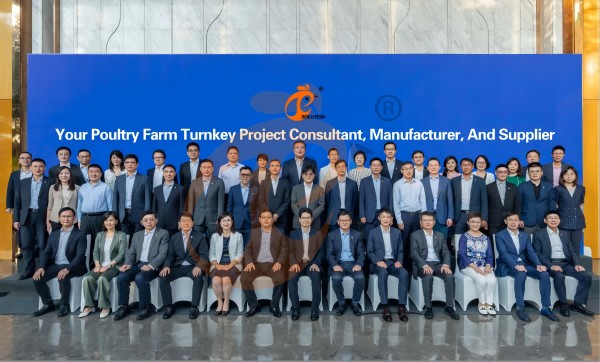
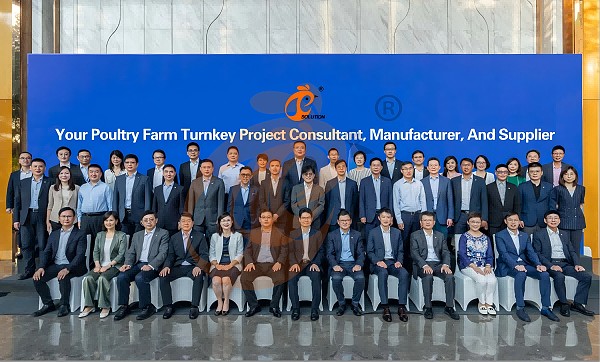
Hong Kong Headquarter Management Team
Hong Kong Headquarter Taiyu Industrial Group CO., LTD
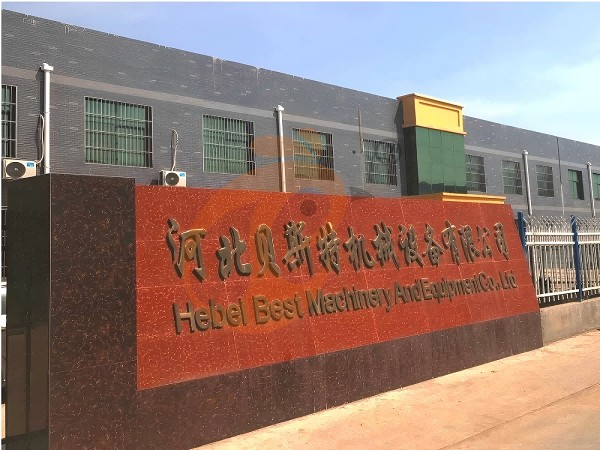
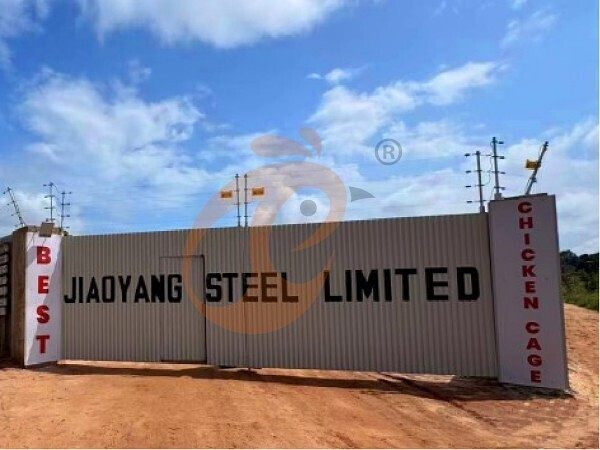
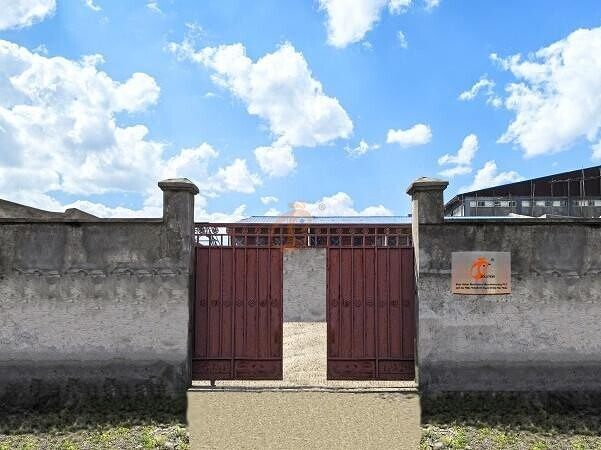
China Hebei Best Machinery And Equipment CO., LTD
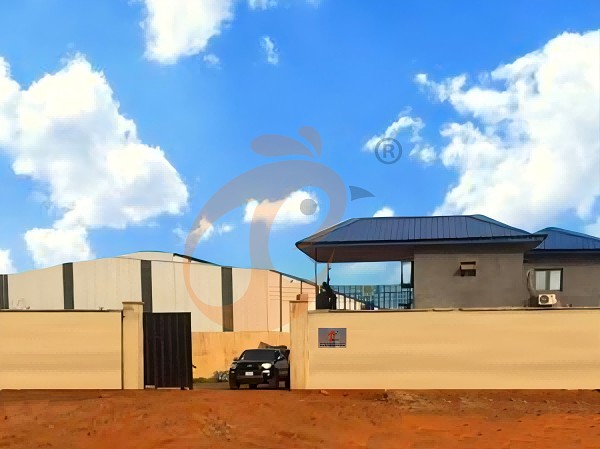
Nigeria Vanke Machinery And Equipment CO., LTD
Tanzania Best Machinery And Equipment CO., LTD
Ethiopia Best Hebei Machinery Manufacturing PLC
Reception /24 WhatsApp NO. : +8618830120193
PRODUCTS RECOMMENDED
 China Branch Manufacture Poultry Farm EquipmentRead More
 Ethiopia Branch Manufacture Poultry Farm EquipmentRead More
 Nigeria Branch Manufacture Poultry Farm EquipmentRead More
 Tanzania Branch Manufacture Poultry Farm EquipmentRead More
 IoT Smart Poultry FarmRead More
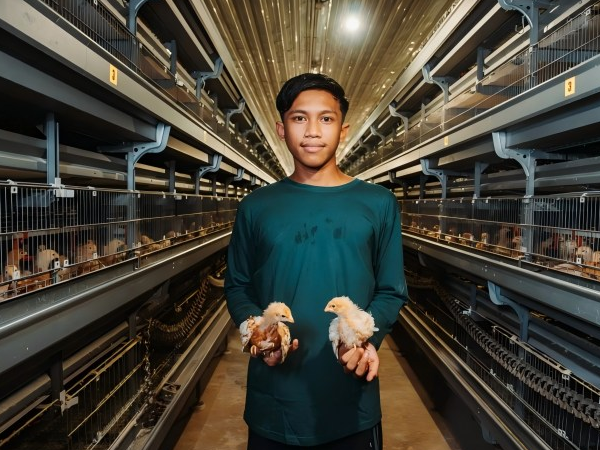
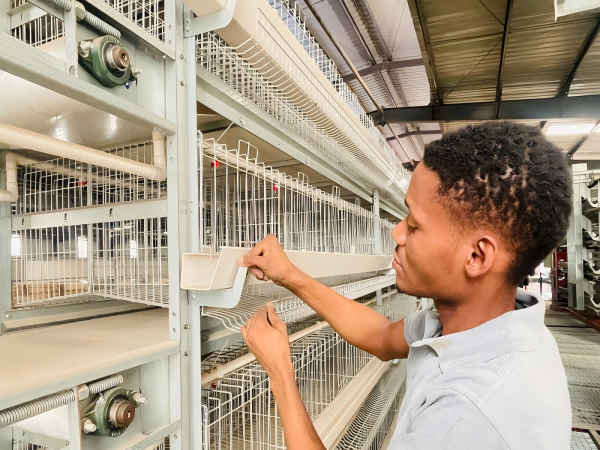
 >30,000 Layers Automatic H Type Battery CageRead More
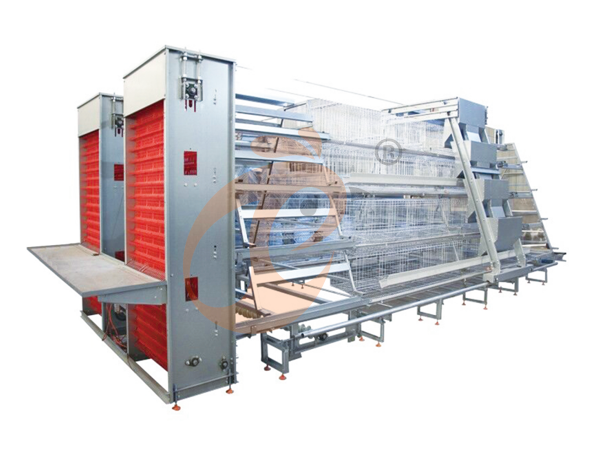
 10,000 - 30,000 Layers Automatic A Type Battery CageRead More
MESSAGE
NEWS
 50,000 - 100,000 chickens/house: poultry farm solution, chicken cage, poultry farm equipment, AI smart managementRead More
 30,000 - 50,000 chickens/house: poultry farm solution, chicken cage, poultry farm equipment, AI smart managementRead More
 10,000 - 30,000 chickens/house: poultry farm solution, chicken cage, poultry farm equipment, AI smart managementRead More
 100 - 10,000 chickens/house: poultry farm solution, chicken cage, poultry farm equipment, AI smart managementRead More