

BLOG
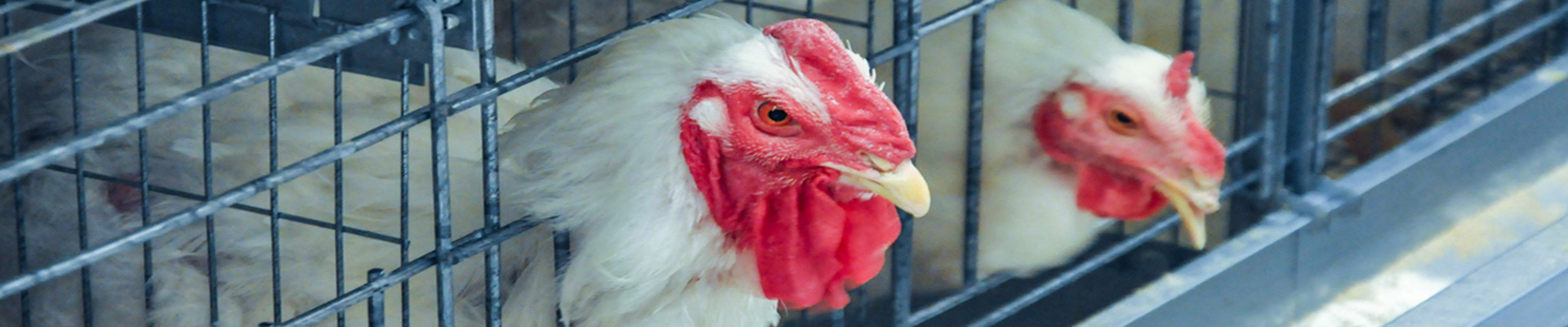
Understanding layer cage system price helps farmers estimate long-term poultry investment and improve production efficiency.
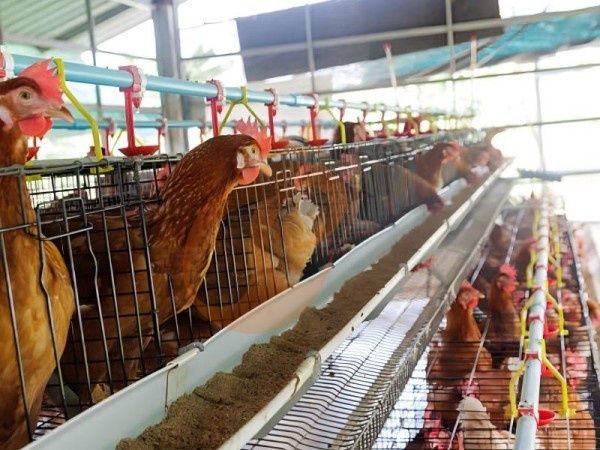
Cage systems reduce feed waste, egg breakage, and daily labor intensity.
Proper equipment selection supports stable egg production across different Ethiopian climates.
Investment decisions should consider materials, design configuration, automation level, and logistics costs.
Choosing durable galvanized equipment can significantly extend the service life of poultry housing infrastructure.
Get professional poultry farm construction guidance, equipment selection solutions, and the latest price lists, whatsApp to +8618830120193, click to learn more:

Ethiopia Branch Office And Factory Of Poultry Farm Equipment
Understanding The Price Structure Of Layer Cage Systems
When investigating the layer cage system price, farmers must distinguish between low upfront costs and real long-term investment value.
Most poultry equipment is imported through Djibouti port and transported inland, which means logistics and customs duties affect the final equipment cost in Ethiopian Birr (ETB).
Data is for reference only.Swipe horizontally to view full table.
Efficiency improvements from cages typically recover equipment investment within about 24–36 months under proper farm management.
Typical starter cage investments for small farms range between Ethiopian Birr 120,000 and Ethiopian Birr 450,000 depending on flock size.
(European union standard reference only).
Material Quality And Galvanization Standard
Material quality is a major factor affecting poultry cage system cost and service life.
Different Ethiopian climates can accelerate metal corrosion, especially in regions with seasonal rainfall and humidity changes.
Data is for reference only.Swipe horizontally to view full table.
Hot-dip galvanized steel provides stronger structural protection and longer operational cycles for cage systems.
Higher durability reduces replacement frequency and long-term operational costs.
Typical hot-dip galvanized cage equipment may cost Ethiopian Birr 550–Ethiopian Birr 900 per bird capacity depending on specifications.
(European union standard reference only).
Cage Configuration Options For Poultry Farms
Cage design structure directly affects layer cage system price and poultry house layout planning.
Data is for reference only.Swipe horizontally to view full table.
A-type cage installations for medium farms often require Ethiopian Birr 350,000–Ethiopian Birr 900,000 depending on building size and capacity.
(European union standard reference only).
Automation Level And Operational Efficiency
Automation level determines labor efficiency and daily farm management workload.
Semi-automation is commonly adopted by medium poultry farms because it balances labor savings and equipment investment.
Data is for reference only.Swipe horizontally to view full table.
Automatic nipple drinkers improve hygiene and water efficiency.
Fully automated systems are usually installed in farms exceeding 10,000 birds, where equipment investment can reach Ethiopian Birr 2,500,000–Ethiopian Birr 6,000,000 depending on automation modules.(European union standard reference only).
Logistics And Import Economics
Transportation logistics play a major role in the final poultry cage system cost in Ethiopia.
Equipment typically arrives by sea freight to Djibouti and then moves by truck to inland poultry farms.
Data is for reference only.Swipe horizontally to view full table.
Shipping and inland logistics may add Ethiopian Birr 80,000–Ethiopian Birr 350,000 to total project investment depending on distance and container quantity.
(European union standard reference only).
Scale Economics For Poultry Equipment Investment
Farm size significantly affects the average cost per bird capacity.
Larger projects distribute logistics and installation costs across more production units.
Data is for reference only.Swipe horizontally to view full table.
Large farms benefit from container shipping optimization and reduced installation costs per cage row.
Common Planning Considerations For Poultry Cage Projects
Some farms experience equipment inefficiencies due to mismatched building design and cage systems.
Correct farm planning improves airflow, water management, and equipment lifespan.
Data is for reference only.Swipe horizontally to view full table.
Frequently Asked Questions About Poultry Cage System Price
Q1: How much does a poultry cage system cost for a small farm in Ethiopia?
A1: A starter farm with about 1000 laying hens may require an equipment investment of approximately Ethiopian Birr 120000 to Ethiopian Birr 450000 depending on cage material, building size, and logistics.
Q2: Which cage type is most suitable for Ethiopian poultry farms?
A2: A-type cage systems are widely used because they work well in open poultry houses and require minimal electricity.
Q3: Does automation significantly increase poultry cage investment?
A3: Yes, automated feeding, egg collection, and manure systems increase initial costs but reduce labor requirements and improve long-term operational efficiency.
Ethiopia Best Hebei Machinery Manufacturing Plc - One Of Ethiopia Largest Poultry Cage Manufacturer
Global factory direct supply of poultry farm equipment, including advanced poultry cage systems for commercial farms.
Professional design and delivery of Turn-key poultry farming projects from farm layout to equipment installation.
Production lines manufacture hot-dip galvanized poultry cage equipment with zinc layer about 275 g/m² and lifespan over 25+ years.
Cage systems available for 1,000 to 120,000 bird capacity, including A-type and H-type automated production solutions.
Export experience supporting poultry projects across Africa, Asia, and the Middle East with full logistics coordination.
Contact Us To Received Your Customized Poultry Farm Plan
Headquarters And Branchs

Hong Kong Headquarter Management Team
Hong Kong Headquarter Taiyu Industrial Group CO., LTD
China Hebei Best Machinery And Equipment CO., LTD
Nigeria Vanke Machinery And Equipment CO., LTD
Tanzania Best Machinery And Equipment CO., LTD
Ethiopia Best Hebei Machinery Manufacturing PLC




Reception /24 WhatsApp NO. : +8618830120193
PRODUCTS RECOMMENDED
 China Branch Manufacture Poultry Farm EquipmentRead More
 Ethiopia Branch Manufacture Poultry Farm EquipmentRead More
 Nigeria Branch Manufacture Poultry Farm EquipmentRead More
 Tanzania Branch Manufacture Poultry Farm EquipmentRead More
 IoT Smart Poultry FarmRead More
 >30,000 Layers Automatic H Type Battery CageRead More
 10,000 - 30,000 Layers Automatic A Type Battery CageRead More
MESSAGE
NEWS
 What Makes A Factory-Direct A Type Chicken Battery Cage More Cost-Effective? 4 ReasonsRead More
 Deep Litter System For Broilers Vs Cage | Which Is More Profitable?Read More
 Free Range Broiler System Vs Intensive Farming | Which Is More Profitable?Read More
 Broiler Floor Rearing System Cost | 6 Factors Affecting PriceRead More