

BLOG
Chicken cage price in Ethiopia directly affects the startup budget for commercial egg farms and determines long-term equipment durability and productivity.
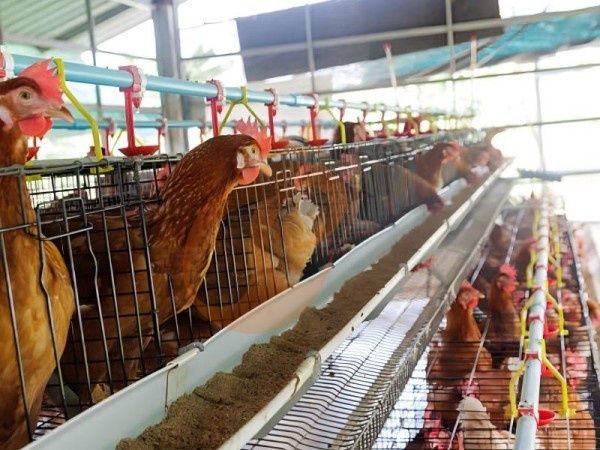
Layer cage system design influences bird density, ventilation efficiency, and egg collection performance in modern poultry houses.
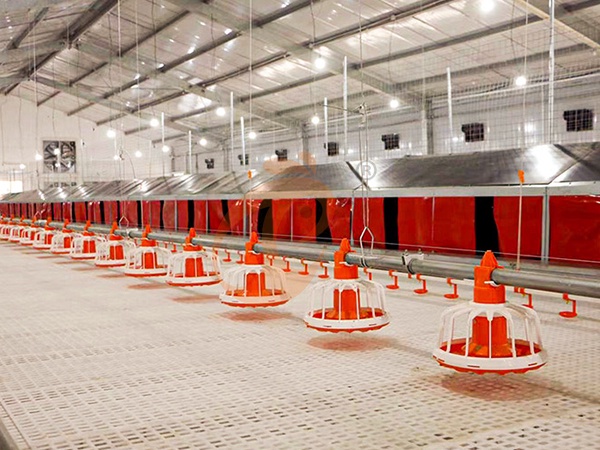
Automation level determines labor requirements, feed distribution precision, and overall operational stability on medium and large farms.
Import logistics, transportation distance, and installation configuration affect the final investment structure of poultry cage equipment.
Get professional poultry farm construction guidance, equipment selection solutions, and the latest price lists, whatsApp to +8618830120193, click to learn more:

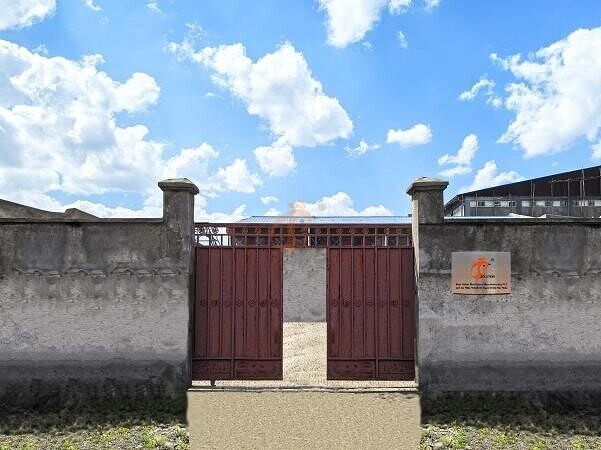
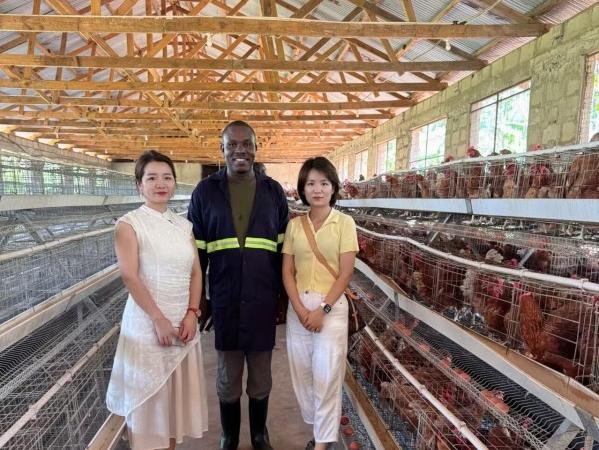
Ethiopia Branch Office And Factory Of Poultry Farm Equipment
Material Durability: The Cost Of Hot-Dip Vs. Cold-Dip Galvanization
In many parts of Ethiopia, such as the humid regions of Gambela or the rainy seasons in the Oromia highlands, rust gradually reduces the structural integrity of poultry cage equipment.
When evaluating layer chicken cages price in Ethiopia, the first technical factor is the surface treatment of the steel wire.
Cages treated with hot-dip galvanization provide significantly longer operational life.
A farmer choosing cold-dip galvanized cages may reduce the purchase cost initially, but corrosion can appear within three to six years because of ammonia exposure from manure.
Data is for reference only.Swipe horizontally to view full table.
Capacity And Design: A-Type Configuration Costs
For many Ethiopian poultry farms raising 10,000–30,000 layers, the A-type layer cage system offers efficient space usage and reliable ventilation.
During the Ethiopian Bega dry season, proper airflow inside poultry houses reduces heat stress and maintains egg productivity.
The cage price is typically calculated per set.
A standard A-type 3–5 tier configuration is widely installed because it maximizes the vertical space inside poultry houses built near urban agricultural zones.
Data is for reference only.Swipe horizontally to view full table.
Automation Level: Reducing The Feed Waste Challenge
Feed expenses often represent up to 75% of poultry farm operational costs in Ethiopia.
Manual feeding troughs can cause feed spillage and uneven distribution among birds.
Therefore, many commercial farms consider installing an automatic feeding system together with their layer cage system cost in Ethiopia.
A motorized trolley feeding system ensures equal feed access for every bird.
Uniform feed distribution improves feed conversion efficiency and reduces monthly feed waste.
Data is for reference only.Swipe horizontally to view full table.
Watering Systems: Solving The Hygiene Challenge
Closed drinking systems are essential in modern poultry farms because water contamination can spread bacterial diseases.
A nipple drinking system allows birds to drink directly from sealed water pipes.
Dust and manure cannot enter the water supply line.
Many poultry houses in rural Ethiopia also require water pressure regulators to maintain stable flow rate when water pressure fluctuates.
Data is for reference only.Swipe horizontally to view full table.
Manure Removal: Labor Vs Machine
Manure accumulation inside poultry houses increases ammonia concentration and affects bird health.
Large poultry farms often install mechanical manure removal systems to maintain hygiene and reduce labor intensity.
Data is for reference only.Swipe horizontally to view full table.
Logistics Customs And The Djibouti To Addis Transport Factor
Ethiopia imports most poultry equipment through the Port of Djibouti because the country does not have direct sea access.
Transportation, customs clearance, and inland delivery therefore influence the chicken cage cost in Ethiopia.
Data is for reference only.Swipe horizontally to view full table.
Why Cage Farming Performs Better Than Deep Litter Systems
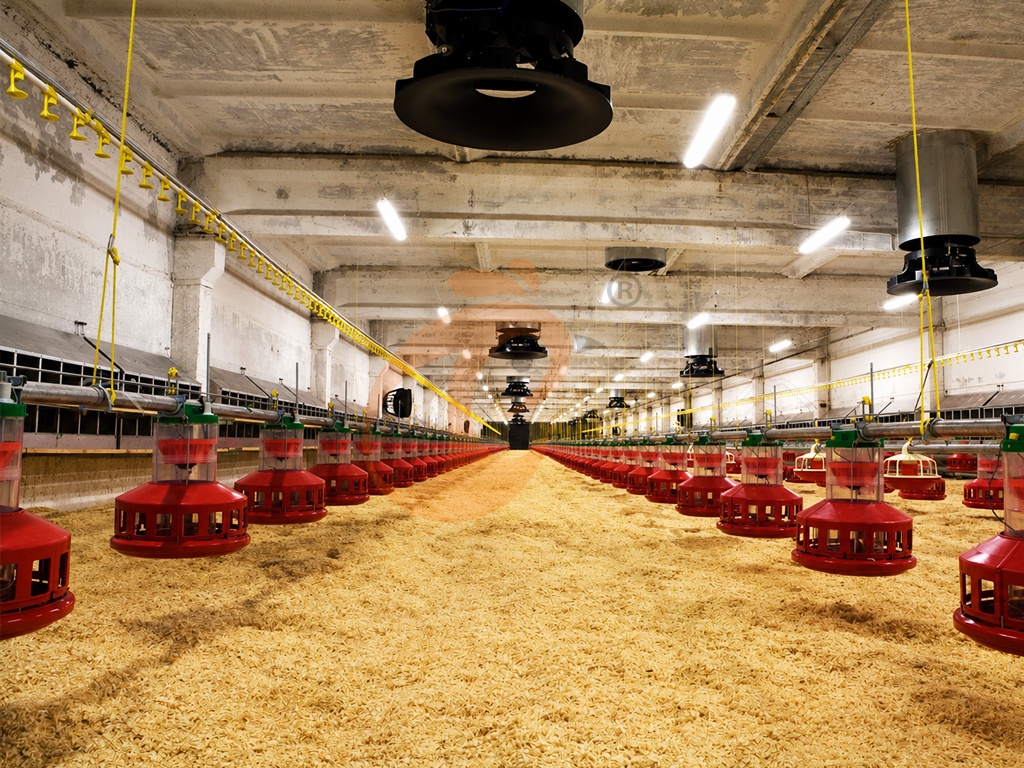
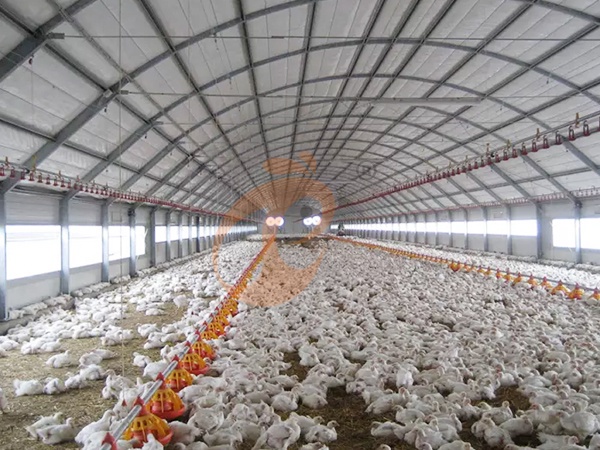
Some traditional poultry farms still operate with deep litter systems because the initial equipment cost appears lower.
However, cage systems significantly improve production efficiency.
Egg collection through the 8° mesh slope design reduces breakage and prevents eggs from remaining inside bedding materials.
Data is for reference only.Swipe horizontally to view full table.
Frequently Asked Questions
Q1: How much does a chicken cage system cost in Ethiopia for 10,000 layers?
A1: A standard A-type cage system with feeding and drinking equipment generally costs between 2,200,000 and 3,300,000 Ethiopian Birr depending on automation level and manure removal configuration.
Q2: Which cage material lasts longest in Ethiopian poultry farms?
A2: Hot-dip galvanized steel cages with zinc coating above 275 g/m² provide service life exceeding 25+ years under typical poultry house conditions.
Q3: What type of cage system is suitable for different farm sizes?
A3: A-type cages are commonly used for farms raising 10000–30000 birds with 3–5 tiers, while H-frame cages with 4–16 tiers are suitable for larger farms raising 30000–100000 birds.
Ethiopia Best Hebei Machinery Manufacturing Plc - One Of Ethiopia Largest Layer Cage Manufacturer
Global factory direct supply providing reliable poultry farm equipment solutions for modern poultry operations.
Professional production of poultry cage systems, including A-type and H-frame configurations for layer and broiler farms.
Complete Turn-key poultry farm engineering, including cage design, feeding system, manure removal system, and drinking line installation.
Verified engineering parameters such as 275–350 g/m² galvanization coating, 0.75–1.1 kW feeding motors, and standardized cage structural dimensions.
Export service covering equipment delivery, technical guidance, and poultry farm construction planning for international agricultural
investors.
Contact Us To Received Your Customized Poultry Farm Plan
Headquarters And Branchs

Hong Kong Headquarter Management Team
Hong Kong Headquarter Taiyu Industrial Group CO., LTD
China Hebei Best Machinery And Equipment CO., LTD
Nigeria Vanke Machinery And Equipment CO., LTD
Tanzania Best Machinery And Equipment CO., LTD
Ethiopia Best Hebei Machinery Manufacturing PLC
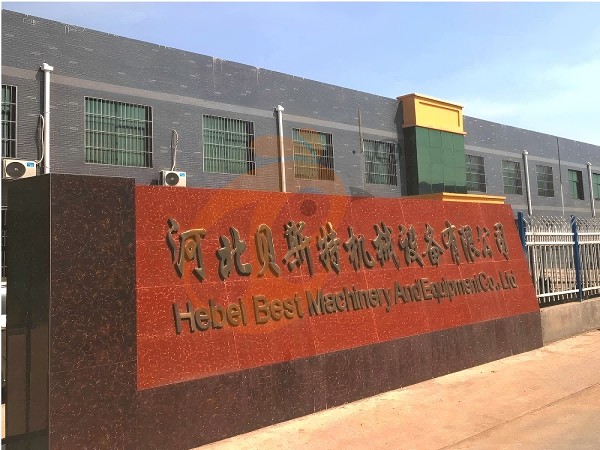
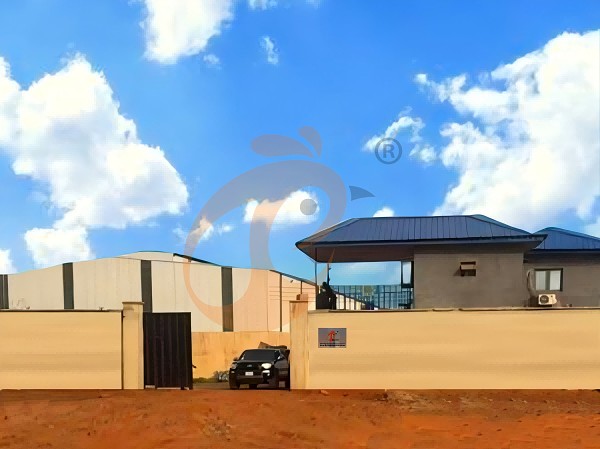
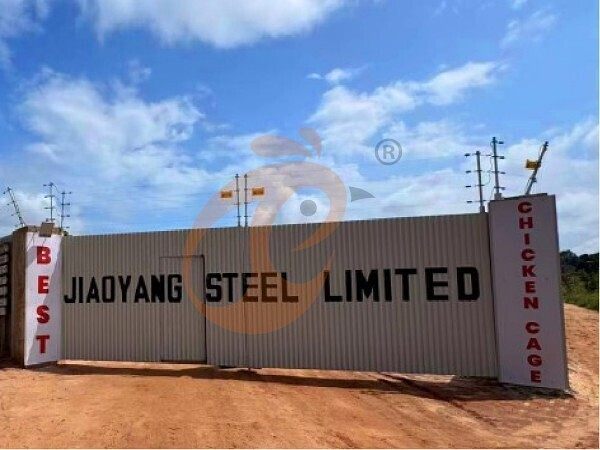
Reception /24 WhatsApp NO. : +8618830120193
PRODUCTS RECOMMENDED
 China Branch Manufacture Poultry Farm EquipmentRead More
 Ethiopia Branch Manufacture Poultry Farm EquipmentRead More
 Nigeria Branch Manufacture Poultry Farm EquipmentRead More
 Tanzania Branch Manufacture Poultry Farm EquipmentRead More
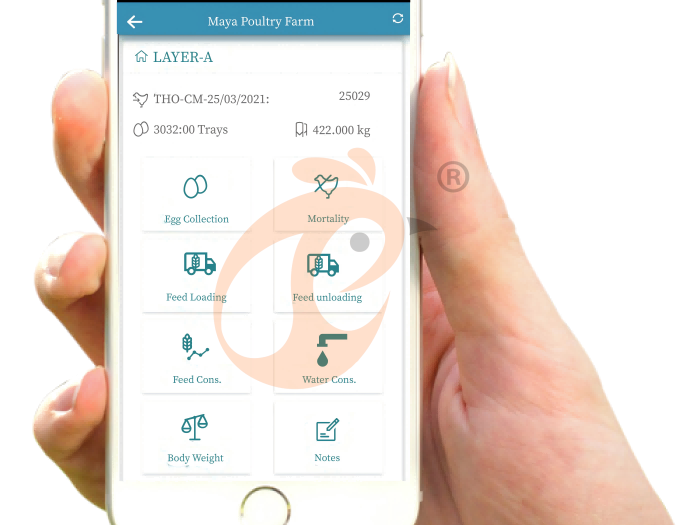
 IoT Smart Poultry FarmRead More
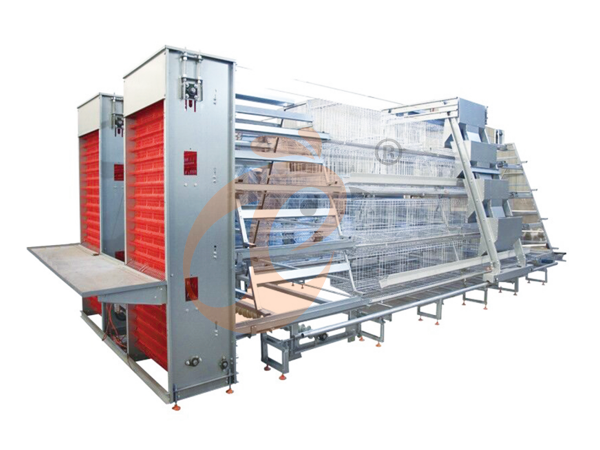
 >30,000 Layers Automatic H Type Battery CageRead More
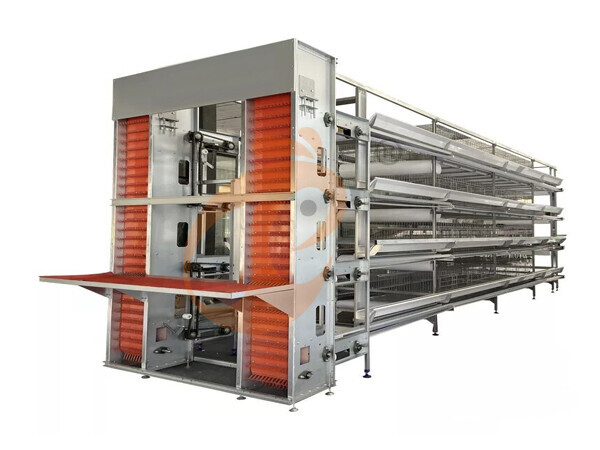
 10,000 - 30,000 Layers Automatic A Type Battery CageRead More
MESSAGE
NEWS
 What Makes A Factory-Direct A Type Chicken Battery Cage More Cost-Effective? 4 ReasonsRead More
 Deep Litter System For Broilers Vs Cage | Which Is More Profitable?Read More
 Free Range Broiler System Vs Intensive Farming | Which Is More Profitable?Read More
 Broiler Floor Rearing System Cost | 6 Factors Affecting PriceRead More