

BLOG
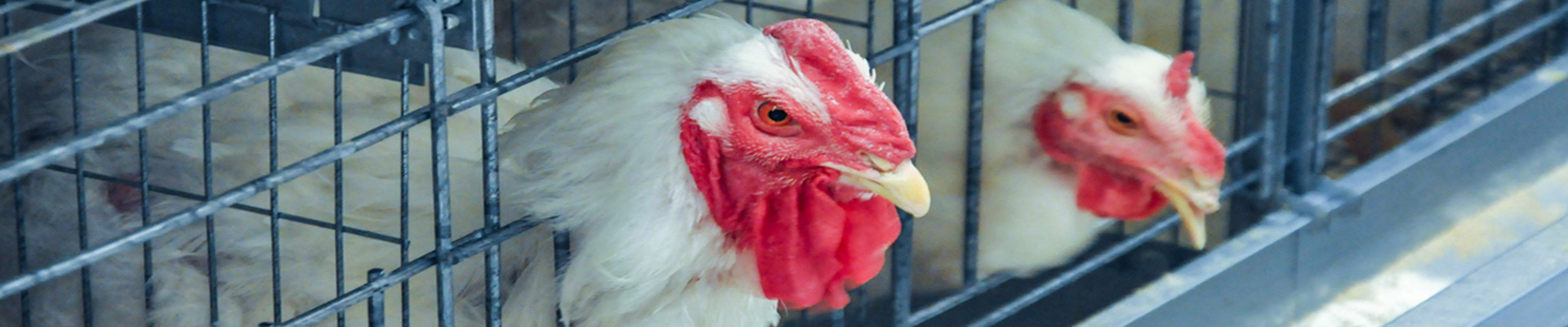
Ethiopian H type chicken cages are gaining popularity for egg producers.
They help improve egg production efficiency and farm profitability.
Farmers face feed scarcity, disease, and limited housing materials.
Cage adoption reduces labor and simplifies egg collection processes.
Proper design ensures hen welfare and reduces environmental stress.
Local materials can be integrated to lower initial costs.
Support from extension agents and cooperatives enhances success.
Efficient cages can contribute to sustainable poultry farming practices.
Get professional poultry farm construction guidance, equipment selection solutions, and the latest price lists, whatsApp to +8618830120193, click to learn more:

Ethiopia Branch Office And Factory Of Poultry Farm Equipment
The Ethiopian Poultry Context
Ethiopia has one of the largest poultry populations in Africa, with millions of indigenous chickens across smallholder and commercial farms.
Most farmers, particularly in rural highlands and midlands, raise indigenous hens in scavenging systems.
While such systems are low-cost, they often result in low hen performance, poor feed conversion, and high mortality due to disease, predators, and seasonal feed shortages.
The Ethiopian government, NGOs, and private sector stakeholders have encouraged transition toward improved housing and management systems.
In this context, H-type chicken cages have been introduced as a scalable approach to raising laying hens (egg chickens) more productively.
Key local challenges include
Feed scarcity during dry seasons
High disease prevalence
Limited access to reliable housing materials
Low egg productivity per hen
H-type cages, designed with these challenges in mind, offer a pathway for farmers to improve productivity without drastic capital investment, supporting egg production efficiency Ethiopia.
What Are Ethiopian H Type Chicken Cages?
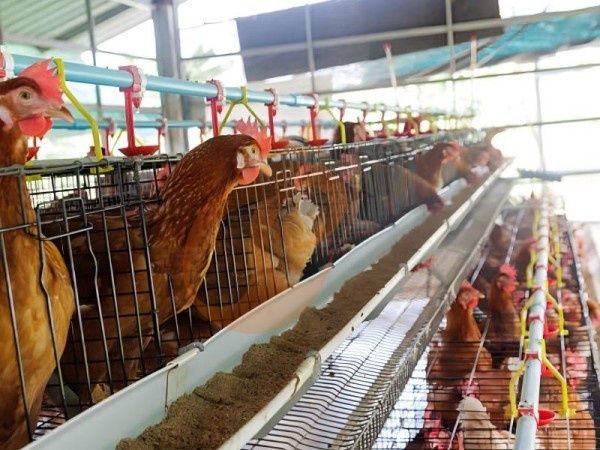
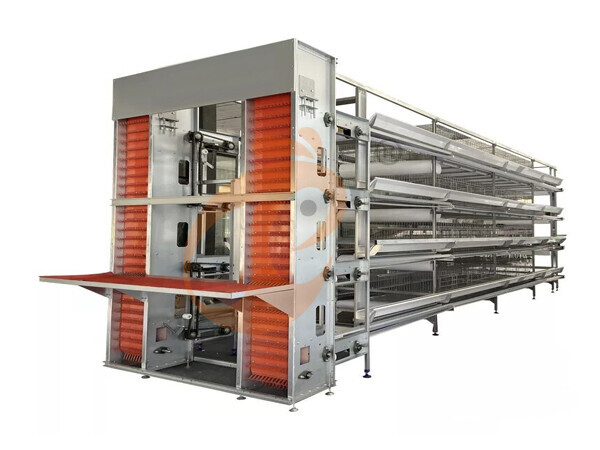
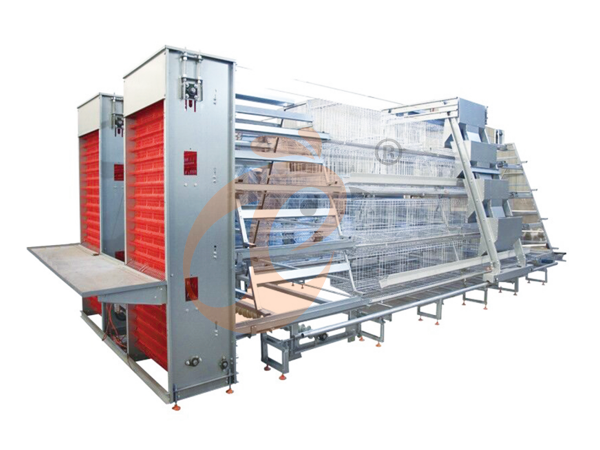
H-type chicken cages are tiered cage systems optimized for egg-laying hens.
The ''H'' name derives from the cage's cross-section profile, where feed troughs, birds, and egg collection spaces align vertically and horizontally in an efficient arrangement.
These cages differ from traditional floor pens and simple poultry shelters.
They are engineered to
Reduce labor in feeding and egg collection
Improve biosecurity
Limit exposure to environmental stress
Enhance bird health and productivity
Structural Components Of H Type Cages
Understanding cage structure is key to optimizing operations.
Data is for reference only.Swipe horizontally to view full table.
These components are modified to suit Ethiopian conditions, such as incorporating local steel suppliers and simple fabrication techniques for Ethiopian poultry cage system.
H Type Chicken Cages In Ethiopian Farm Workflows
To truly understand the role of H-type cages, it helps to look at how they integrate into daily operations.
Feeding And Water Management
Data is for reference only.Swipe horizontally to view full table.
Egg Collection Efficiency
Data is for reference only.Swipe horizontally to view full table.
For Ethiopian farmers focusing on supplying local markets, reducing broken eggs directly increases profitability and improves egg production efficiency Ethiopia.
Performance Data From Ethiopian Farms Using H Type Cages
Collecting data from farm trials in Ethiopian highlands shows significant performance improvements.
Data is for reference only.Swipe horizontally to view full table.
These figures are indicative of controlled feeding, better disease control, and reduced stress from environmental exposure.
European union standard reference only.
Disease Control And Biosecurity
Disease is a persistent concern, especially in traditional open systems.
H-type cages can improve biosecurity by
Reducing bird-to-bird contact
Minimizing ground contamination
Simplifying cleaning of manure trays
Data is for reference only.Swipe horizontally to view full table.
With proper vaccination and cage sanitation protocols, cage systems help break a common cycle of recurring infections.
Thermal Comfort And Housing Design In Ethiopia
Ethiopian climates can vary dramatically—high cool highlands and hot arid lowlands alike.
Housing design around H-type cages affects hen comfort and productivity.
Common adaptations include
Ventilated roofs with insulation for heat stress areas (e.g., Afar, Somali regions)
Windbreaks for cold seasons in the Ethiopian highlands
Data is for reference only.Swipe horizontally to view full table.
Proper design mitigates heat and cold stress, improving hen welfare and laying rates for sustainable chicken farming Ethiopia.
Economics Of H Type Cages In Ethiopian Settings
Transitioning to cage systems is an investment.
However, when analyzed over a typical 2-year period, returns are strong.
Data is for reference only.Swipe horizontally to view full table.
Higher productivity more than compensates for initial cage investment, especially with proper management.
European union standard reference only.
Success Stories In Ethiopia
Sidama High Plateau
A cooperative of 50 farmers installed H-type cages for 5,000 hens.
After 9 months, average egg production increased from 60 to 105 eggs per hen per month.
Oromia Peri-Urban Enterprise
A small enterprise supplying Addis Ababa markets reported a 70% increase in revenue after shifting to H-type cages, attributed to reduced feed waste and fewer broken eggs.
These cases show how localized implementation combined with technical support can yield meaningful results.
Design Considerations For Ethiopian Conditions
Data is for reference only.Swipe horizontally to view full table.
Aligning cage design with local conditions enhances adoption and effectiveness for Ethiopian poultry cage system.
Frequently Asked Questions
Q1: How do Ethiopian H type chicken cages improve egg productivity?
A1: H-type cages reduce stress, improve feed efficiency, and allow easy egg collection, resulting in higher egg production.
Q2: Are H type cages suitable for all regions in Ethiopia?
A2: Yes, with proper design adaptations for temperature, ventilation, and local feed availability.
Q3: What are the main cost benefits of adopting H type cages?
A3: Reduced labor, lower feed wastage, fewer broken eggs, and higher overall revenue make cages cost-effective.
Ethiopia Best Hebei Machinery Manufacturing Plc - One Of Ethiopia Largest Chicken Cage Supplier
Global factory direct sales support all customers worldwide.
Provide full poultry farm equipment solutions for all scales.
Supply high-quality poultry cage for commercial egg farms.
Turn-key (Turn-key) engineering projects completed efficiently.
Local and international after-sales service ensures smooth operation.
Contact Us To Received Your Customized Poultry Farm Plan
Headquarters And Branchs

Hong Kong Headquarter Management Team
Hong Kong Headquarter Taiyu Industrial Group CO., LTD
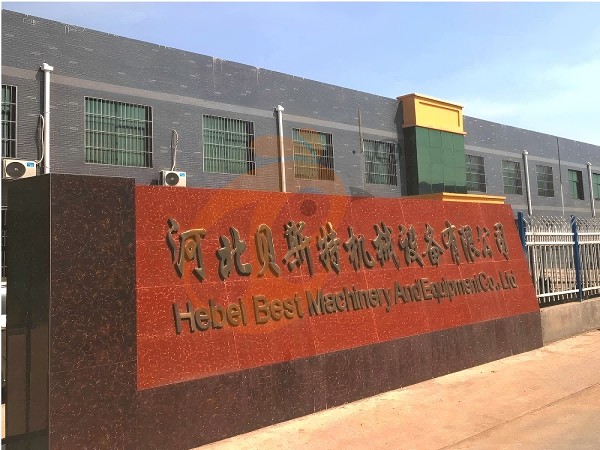
China Hebei Best Machinery And Equipment CO., LTD
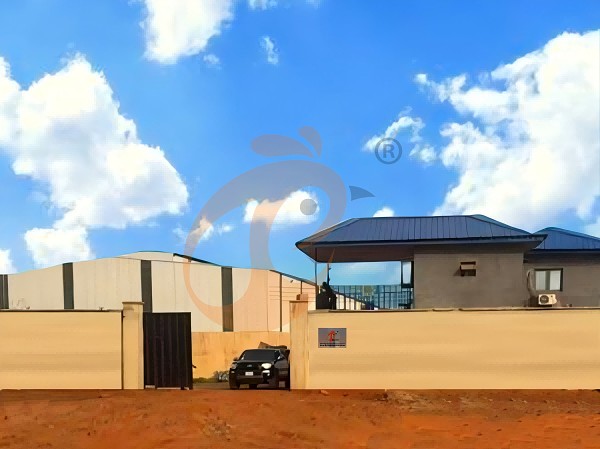
Nigeria Vanke Machinery And Equipment CO., LTD
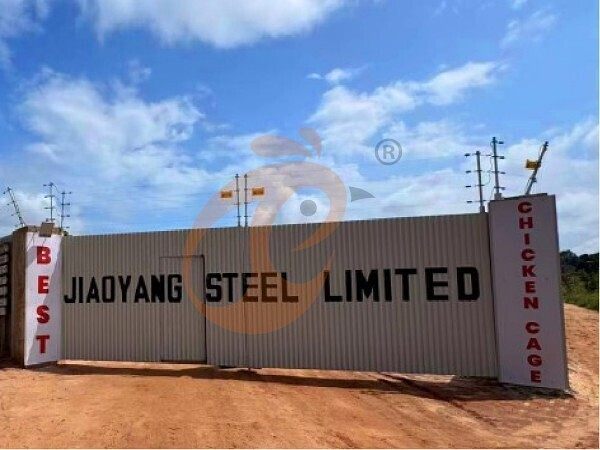
Tanzania Best Machinery And Equipment CO., LTD
Ethiopia Best Hebei Machinery Manufacturing PLC

Reception /24 WhatsApp NO. : +8618830120193
PRODUCTS RECOMMENDED
 China Branch Manufacture Poultry Farm EquipmentRead More
 Ethiopia Branch Manufacture Poultry Farm EquipmentRead More
 Nigeria Branch Manufacture Poultry Farm EquipmentRead More
 Tanzania Branch Manufacture Poultry Farm EquipmentRead More
 IoT Smart Poultry FarmRead More
 >30,000 Layers Automatic H Type Battery CageRead More
 10,000 - 30,000 Layers Automatic A Type Battery CageRead More

MESSAGE
NEWS
 What Makes A Factory-Direct A Type Chicken Battery Cage More Cost-Effective? 4 ReasonsRead More
 Deep Litter System For Broilers Vs Cage | Which Is More Profitable?Read More
 Free Range Broiler System Vs Intensive Farming | Which Is More Profitable?Read More
 Broiler Floor Rearing System Cost | 6 Factors Affecting PriceRead More