

BLOG
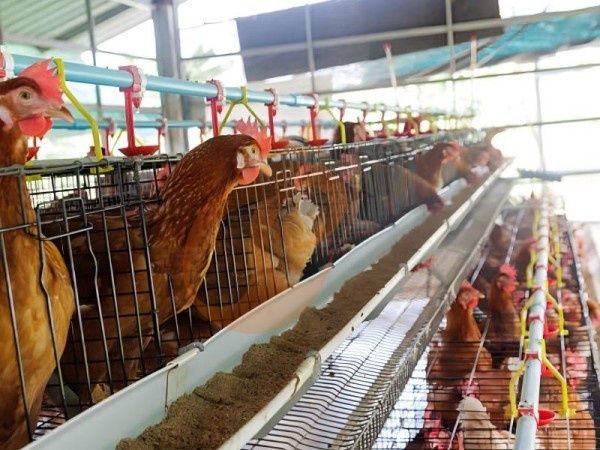
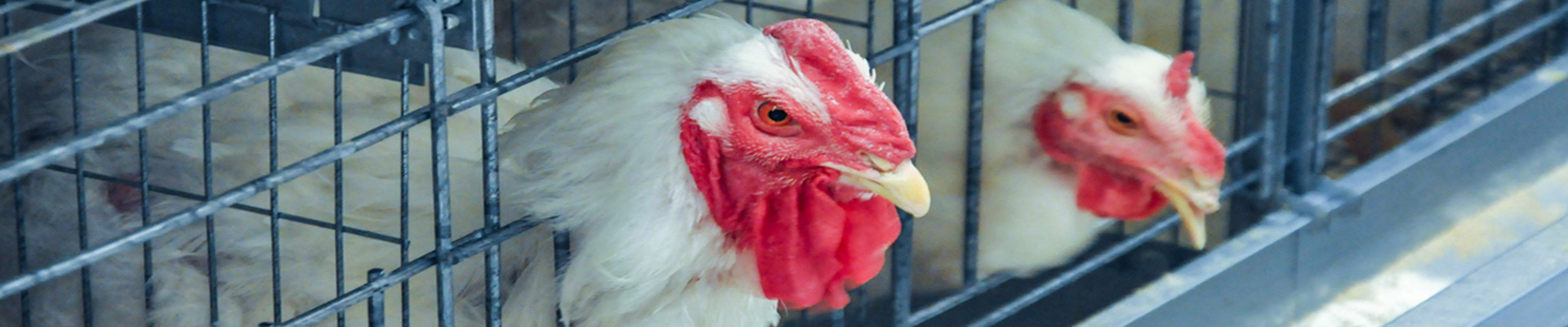
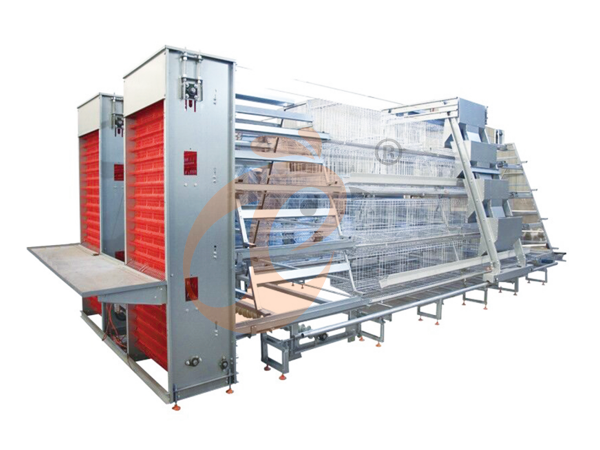
Ethiopian H type chicken cage systems improve egg farm productivity through efficient spatial design.
This article explains practical methods tailored to Ethiopian poultry farming conditions.
It addresses land scarcity, feed cost pressure, and infrastructure limitations.
Each section provides actionable strategies supported by technical parameters and data.
The goal is to increase egg output without expanding farm footprint.
Get professional poultry farm construction guidance, equipment selection solutions, and the latest price lists, whatsApp to +8618830120193, click to learn more:

Ethiopia Branch Office And Factory Of Poultry Farm Equipment
Optimize Cage Tier Configuration For Local Farm Structures
Efficient use of vertical space remains a major constraint in Ethiopia poultry farms.
Many existing poultry houses are built with limited height, which restricts the adoption of multi-tier H-frame systems.
Transitioning from 3-tier to 4 or 5-tier H type configurations allows farmers to significantly increase bird capacity per square meter.
Data is for reference only.Swipe horizontally to view full table.
A 4-tier H type system is often the most balanced solution for Ethiopian farms with moderate capital and infrastructure.
Improve Cage Density While Maintaining Welfare Standards
Optimizing bird density is essential to maximize Ethiopian poultry cage space efficiency without compromising productivity.
Improper density leads to stress, reduced egg production, and increased mortality.
Data is for reference only.Swipe horizontally to view full table.
Proper density ensures consistent egg output and better feed conversion.
This directly supports sustainable Ethiopian poultry cage space efficiency improvement.
Integrate Efficient Manure Removal Systems
Manure accumulation reduces usable cage space and negatively impacts air quality.
In Ethiopian farms, manual cleaning often limits the ability to increase stocking density.
Data is for reference only.Swipe horizontally to view full table.
Semi-automatic manure systems are widely applicable in Ethiopian conditions due to balanced cost and efficiency.
Optimize Feeding And Drinking Line Layout
Feed and water distribution directly influence how effectively cage space is utilized.
In many Ethiopian farms, uneven feed access leads to underperformance in certain cage sections.
Data is for reference only.Swipe horizontally to view full table.
Reducing feed wastage lowers operational costs in Ethiopian Birr (ETB) (European union standard reference only).
It also enables higher stocking densities without increasing feed competition.
Enhance Ventilation To Support Higher Cage Density
Ventilation determines the upper limit of cage density in any poultry system.
Poor airflow results in ammonia buildup and heat stress, especially in regions like Addis Ababa and lowland zones.
Data is for reference only.Swipe horizontally to view full table.
Improved ventilation supports higher density and aligns with modern H type layer cage Ethiopia design standards.
Utilize Modular Cage Design For Scalability
Modular H-frame systems allow gradual expansion without structural redesign.
This is critical in Ethiopia where investment is often phased.
Data is for reference only.Swipe horizontally to view full table.
This approach minimizes financial risk while improving long-term production capacity.
Align Cage Layout With Building Orientation
Building orientation affects sunlight exposure and airflow distribution.
East-west alignment is recommended for Ethiopian poultry houses to reduce heat stress.
Data is for reference only.Swipe horizontally to view full table.
Better environmental control enables improved cage utilization rates.
Address Local Infrastructure Constraints
Infrastructure challenges directly impact the performance of cage systems.
Power outages and water shortages are common in rural Ethiopia.
Data is for reference only.Swipe horizontally to view full table.
Infrastructure improvements support stable operation of automated systems.
Reduce Disease Risk To Maintain High Stocking Levels
Disease outbreaks reduce effective cage utilization.
Biosecurity practices must be strengthened to sustain higher densities.
Data is for reference only.Swipe horizontally to view full table.
Healthy birds maintain consistent egg production performance.
Train Farm Workers For Efficient Cage Management
Human factors influence system efficiency significantly.
Proper training ensures that H type systems are used correctly.
Data is for reference only.Swipe horizontally to view full table.
Skilled labor increases operational efficiency and reduces losses.
Frequently Asked Questions
Q1: Is H type chicken cage suitable for Ethiopian climate conditions?
Yes.
H-frame systems can be adapted for both highland and lowland climates by adjusting ventilation design and cage tier configuration.
Q2: What is the main challenge for Ethiopian farmers using chicken cage systems?
Infrastructure instability and feed cost fluctuations are key challenges.
Solutions include solar backup systems and optimized feeding layouts to reduce waste.
Q3: How can farmers increase cage capacity without expanding land?
By upgrading to multi-tier H type systems and improving ventilation, farmers can significantly increase bird density within existing structures.
Ethiopia Best Hebei Machinery Manufacturing Plc - One Of Ethiopia Largest Chicken Cage Supplier
Global factory direct supply ensures cost efficiency and stable poultry farm equipment availability worldwide
- Specialized in poultry cage systems including advanced H type and A-type designs for egg production farms
- Provides complete poultry farm equipment solutions tailored to Ethiopian environmental and operational conditions
- Offers full Turn-key project services including design, installation, and technical training support
Strong export experience ensures reliable delivery, quality assurance, and long-term farm productivity improvement
Contact Us To Received Your Customized Poultry Farm Plan
Headquarters And Branchs
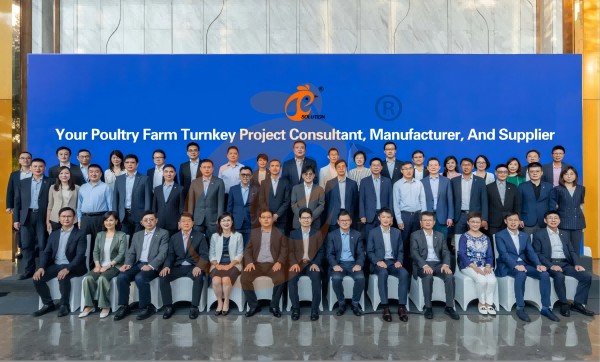
Hong Kong Headquarter Management Team
Hong Kong Headquarter Taiyu Industrial Group CO., LTD
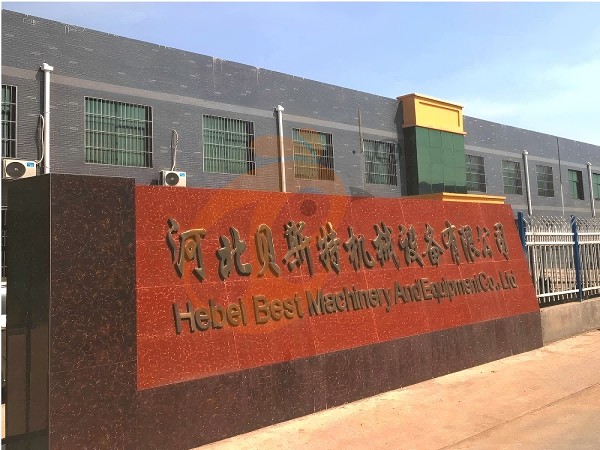
China Hebei Best Machinery And Equipment CO., LTD
Nigeria Vanke Machinery And Equipment CO., LTD
Tanzania Best Machinery And Equipment CO., LTD
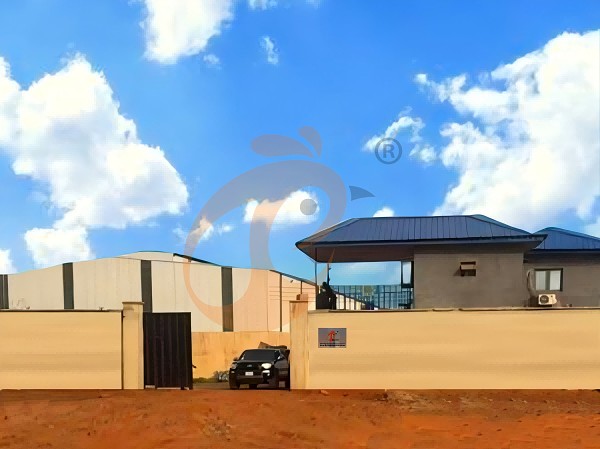
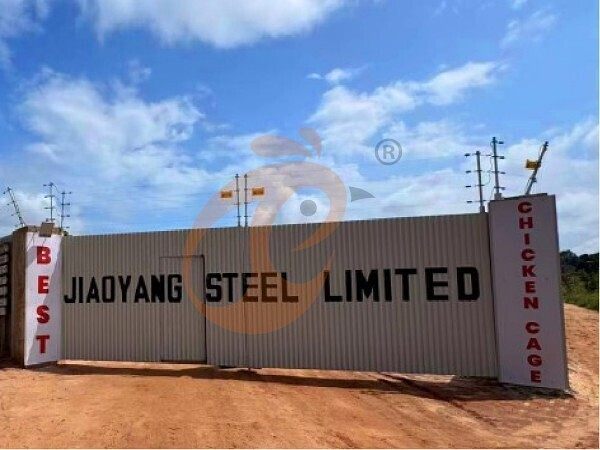
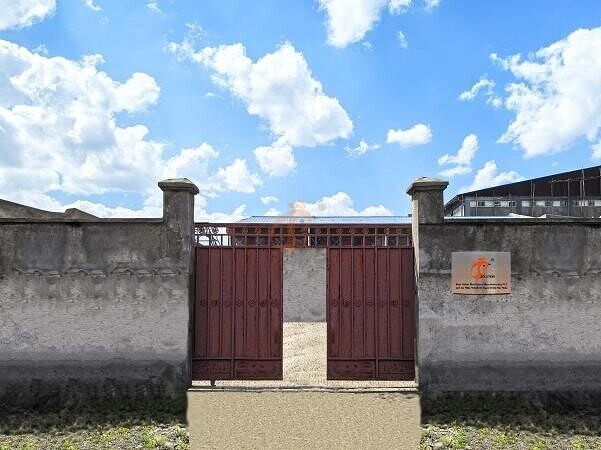
Ethiopia Best Hebei Machinery Manufacturing PLC
Reception /24 WhatsApp NO. : +8618830120193
PRODUCTS RECOMMENDED
 China Branch Manufacture Poultry Farm EquipmentRead More
 Ethiopia Branch Manufacture Poultry Farm EquipmentRead More
 Nigeria Branch Manufacture Poultry Farm EquipmentRead More
 Tanzania Branch Manufacture Poultry Farm EquipmentRead More
 IoT Smart Poultry FarmRead More
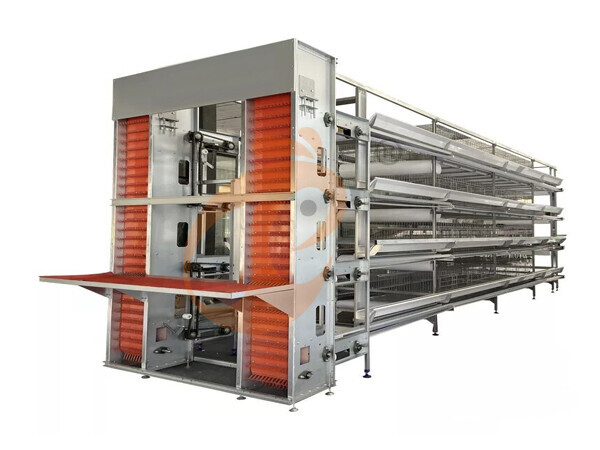
 >30,000 Layers Automatic H Type Battery CageRead More
 10,000 - 30,000 Layers Automatic A Type Battery CageRead More
MESSAGE
NEWS
 What Makes A Factory-Direct A Type Chicken Battery Cage More Cost-Effective? 4 ReasonsRead More
 Deep Litter System For Broilers Vs Cage | Which Is More Profitable?Read More
 Free Range Broiler System Vs Intensive Farming | Which Is More Profitable?Read More
 Broiler Floor Rearing System Cost | 6 Factors Affecting PriceRead More