

BLOG
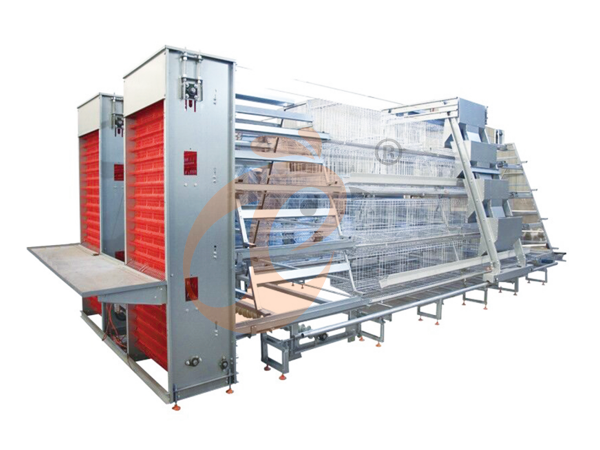
H-type chicken cage installation is essential for Ethiopian poultry farms.
This article highlights seven critical checks for successful farm operations.
Local climate, cage dimensions, feed, water systems, and power supply are considered.
Farm layout and biosecurity practices are analyzed for operational efficiency.
Performance monitoring ensures sustainable egg production and financial viability.
Practical solutions address Ethiopia-specific challenges for layer production.
Guidance includes compatible equipment, local materials, and labor considerations.
Get professional poultry farm construction guidance, equipment selection solutions, and the latest price lists, whatsApp to +8618830120193, click to learn more:

Ethiopia Branch Office And Factory Of Poultry Farm Equipment
Assess Local Climate And Housing Requirements
Ethiopia features diverse climates ranging from hot lowlands to temperate highlands.
Temperature and humidity levels directly affect bird comfort, feed intake, and egg production.
Heat stress in lowland areas such as Afar can reduce egg yield.
Highland chill increases maintenance feed consumption.
Proper housing design ensures productivity and minimizes environmental stress on layers.
Data is for reference only. Swipe horizontally to view full table.
Natural ventilation is preferred in areas with unstable electricity.
Ridge vents, side curtains, and windbreaks help maintain optimal airflow.
Solar-powered fans and LED lighting reduce dependency on grid power.
They improve overall layer comfort.
Verify Cage Dimensions And Bird Welfare Standards
Cage dimensions are crucial for layer welfare, feed efficiency, and egg quality.
Many Ethiopian farms adapt imported A-type or H-frame cages using local fabrication.
Ensuring proper cage spacing reduces stress, feather pecking, and mortality.
Data is for reference only. Swipe horizontally to view full table.
Proper welfare-oriented cage design aligns with Ethiopian layer productivity goals.
Adaptations should maintain the original H-type structural benefits.
They should also accommodate local feed and labor practices.
Evaluate Feed And Watering Systems Compatibility
Feed and water delivery systems must align with cage configuration.
Common Ethiopian feed ingredients include maize and noug cake.
Particle size and moisture content affect trough flow and consumption rates.
Poorly designed systems can cause feed wastage and reduced egg production.
Data is for reference only. Swipe horizontally to view full table.
Ensuring proper alignment of feed and water systems improves feed conversion.
It also reduces labor input.
Local water filtration and periodic cleaning of drinkers are essential in Ethiopia.
Confirm Electrical And Backup Power Solutions
Reliable electricity is critical for fans, lighting, and automated feeders.
Grid interruptions are frequent in many rural Ethiopian areas.
Solar systems with batteries are increasingly used to stabilize operation.
Data is for reference only. Swipe horizontally to view full table.
Power planning is essential to prevent drops in egg production.
Solar panels with energy storage are cost-effective in rural Ethiopia.
They ensure consistent poultry cage operation.
Check Farm Layout And Accessibility
Farm layout affects egg collection, feed distribution, and labor efficiency.
Narrow rural roads and uneven terrain are common in Ethiopian poultry farms.
Planning for aisle width, drainage, and accessible walkways reduces labor.
It also ensures smooth operation.
Data is for reference only. Swipe horizontally to view full table.
Raised walkways, proper drainage, and clear row layouts support Ethiopian farms.
They are especially critical during rainy seasons.
Review Biosecurity And Disease Prevention Measures
Ethiopia faces major poultry diseases including Newcastle disease.
Egg drop syndrome is another significant risk.
H-type chicken cages reduce disease risk if combined with strict hygiene.
Worker training and vaccination programs are essential.
Data is for reference only. Swipe horizontally to view full table.
Regular monitoring and veterinary support help Ethiopian farms maintain biosecurity.
Cage design should complement biosecurity plans.
It supports disease mitigation.
Define Performance Monitoring And Record-Keeping Systems
Monitoring key performance indicators ensures sustainable operation.
Ethiopian farms often lack structured record-keeping.
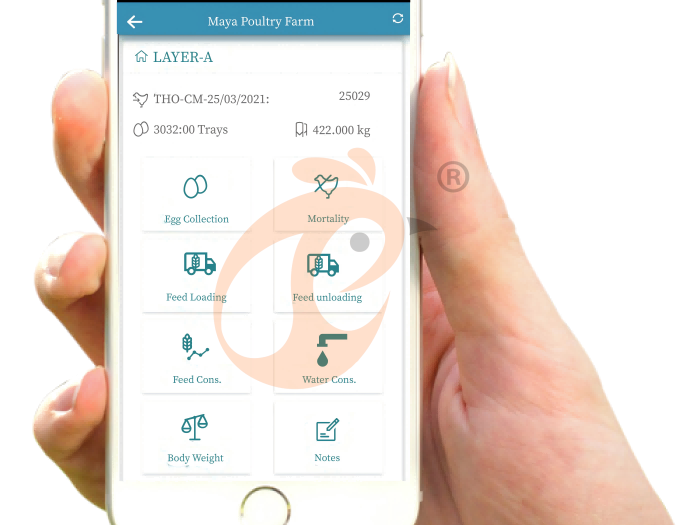
Adopting digital or diary-based systems improves management.
Data is for reference only. Swipe horizontally to view full table.
Consistent KPI tracking allows quick identification of underperformance.
Adjustments in feed, housing, or health management can be made promptly.
Addressing Ethiopian Pain Points
Feed Ingredient Variability
Seasonal variation in maize and noug cake quality impacts nutrition.
Testing nutrient content ensures stable ration formulation.
Labor Skill Gaps
Many smallholders lack trained staff.
Collaboration with agricultural extension or training programs enhances productivity.
Capital Constraints
Imported cage systems are expensive.
Local fabrication using standard H-type designs lowers costs.
It maintains efficiency and production.
Climate Adaptation
Ventilation, shading, and solar solutions address high temperature challenges.
They also mitigate cold stress in highlands.
Frequently Asked Questions
Q1: Is H-type chicken cage suitable for Ethiopia's climate?
Yes, with proper ventilation, shading, and solar backup.
H-type cages maintain layer comfort in lowland heat and highland cold.
Q2: How can small farms implement biosecurity in Ethiopia?
Controlled entry, footbaths, vaccination, and pest control reduce disease risks.
Cages support separation and reduce labor exposure.
Q3: Are local materials acceptable for cage installation?
Yes, steel fabricated locally can meet H-type specifications.
Proper alignment ensures welfare, production, and cost efficiency.
Ethiopia Best Hebei Machinery Manufacturing Plc - One Of Ethiopia Largest Layer Chicken Cage Manufacturer
HB BEST provides global factory direct sales for poultry farm equipment and chicken cages.
The company delivers turnkey engineering projects adapted to Ethiopian layer production needs.
Professional support ensures cage installation meets local welfare and productivity standards.
- HB BEST offers custom H-type designs using quality steel suitable for Ethiopian conditions.
Comprehensive service includes maintenance guidance, training, and spare parts for long-term operations.
Contact Us To Received Your Customized Poultry Farm Plan
Headquarters And Branchs
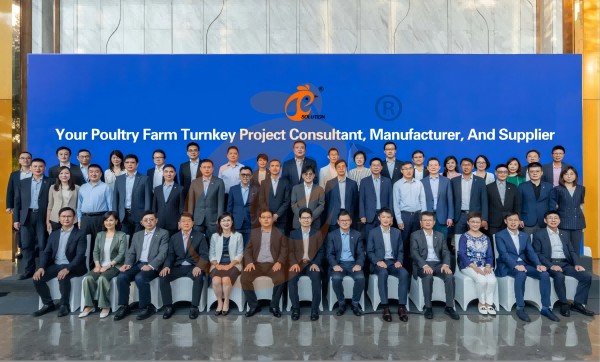
Hong Kong Headquarter Management Team
Hong Kong Headquarter Taiyu Industrial Group CO., LTD
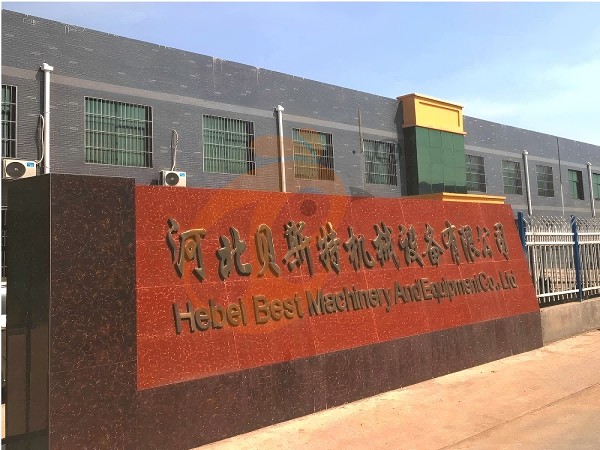
China Hebei Best Machinery And Equipment CO., LTD
Nigeria Vanke Machinery And Equipment CO., LTD
Tanzania Best Machinery And Equipment CO., LTD
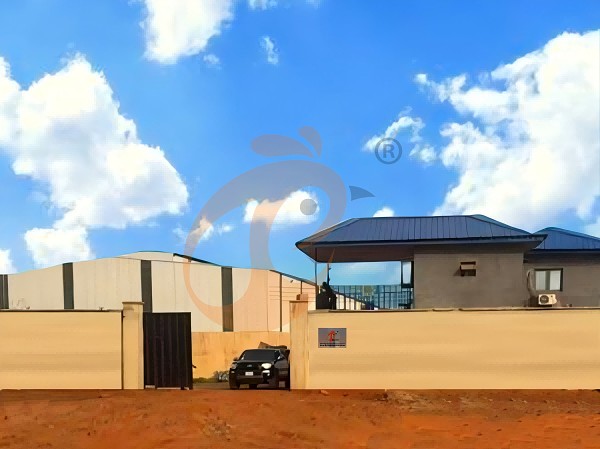
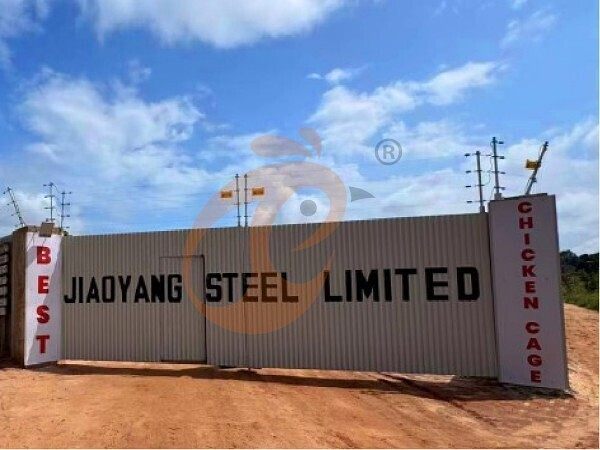
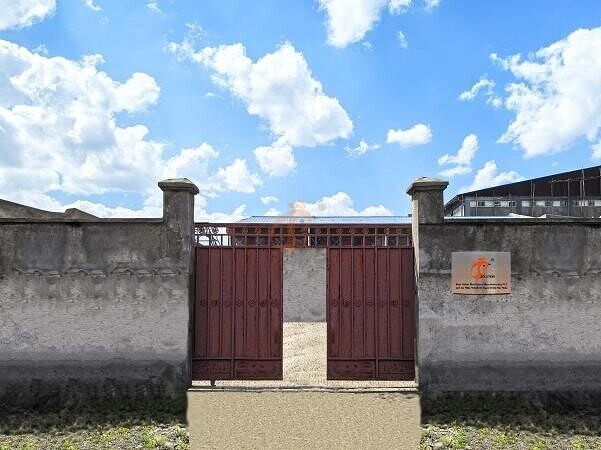
Ethiopia Best Hebei Machinery Manufacturing PLC
Reception /24 WhatsApp NO. : +8618830120193
PRODUCTS RECOMMENDED
 China Branch Manufacture Poultry Farm EquipmentRead More
 Ethiopia Branch Manufacture Poultry Farm EquipmentRead More
 Nigeria Branch Manufacture Poultry Farm EquipmentRead More
 Tanzania Branch Manufacture Poultry Farm EquipmentRead More
 IoT Smart Poultry FarmRead More
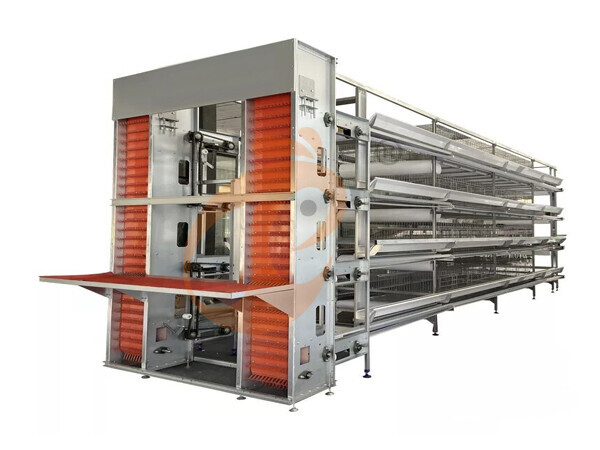
 >30,000 Layers Automatic H Type Battery CageRead More
 10,000 - 30,000 Layers Automatic A Type Battery CageRead More
MESSAGE
NEWS
 What Makes A Factory-Direct A Type Chicken Battery Cage More Cost-Effective? 4 ReasonsRead More
 Deep Litter System For Broilers Vs Cage | Which Is More Profitable?Read More
 Free Range Broiler System Vs Intensive Farming | Which Is More Profitable?Read More
 Broiler Floor Rearing System Cost | 6 Factors Affecting PriceRead More