

NEWS
Poultry Farm Equipment Manufacturer Vs Trading Company: 7 Differences Every Buyer Must Know Before Investing
Selecting a reliable poultry farm equipment manufacturer rather than relying solely on a trading company directly affects equipment performance, project costs, and long-term farm management.
A professional poultry farm equipment manufacturer should demonstrate measurable production capability, engineering coordination, and dependable supply arrangements.
Factory verification review production records, material traceability, and equipment inspection procedures before ordering.
Project engineering for a 90-meter poultry house, preliminary layout planning should account for equipment access aisles and maintenance clearance.
Electrical planning a 15 kw ventilation load requires an appropriately calculated power supply, protective devices, and backup arrangements.
Supplier comparison evaluate manufacturing control, technical documentation, spare-parts support, and installation coordination before making an investment.
Q:I want to build a commercial poultry farm.
Should I purchase equipment directly from a manufacturer or choose a trading company?
A:An integrated manufacturer combines factory-direct production with international trading and equipment supply capabilities.
This allows customers to benefit from manufacturing control, flexible procurement, and coordinated project services through one business partner.
Get professional poultry farm construction guidance, equipment selection solutions, and the latest price lists, whatsApp to +8618830120193, click to learn more.
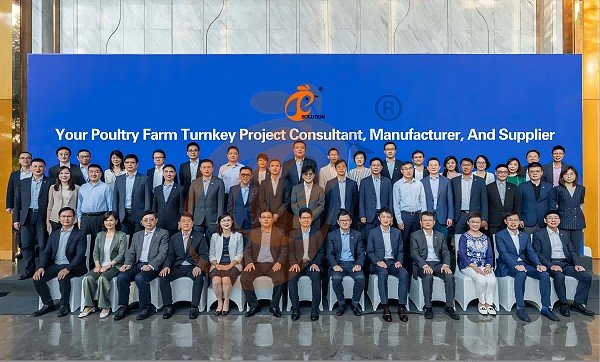
Taiyu Group (HK): Global Poultry Equipment Manufacturer & Supplier
Poultry Farm Equipment Manufacturer Vs Trading Company: 7 Differences Every Buyer Must Know Before Investing
Choosing between a poultry farm equipment manufacturer and a trading company affects equipment quality, project coordination, delivery schedules, and long-term operating costs.
Buyers comparing suppliers should evaluate at least 4 dimensions production capability, technical support, product traceability, and project responsibility.
A manufacturer may control fabrication and assembly, while a trading company may coordinate products from several factories.
An integrated supplier combines manufacturing resources with project planning and export services.
The following comparison uses indicative engineering and procurement data; actual specifications must be confirmed against the farm design, local regulations, and equipment configuration.
1. Poultry Farm Equipment Manufacturer Vs Trading Company: Understanding The Differences
1.1 What Is A Poultry Farm Equipment Manufacturer?
A poultry farm equipment manufacturer produces equipment through its own or directly controlled production facilities.
Its operations may include metal processing, welding, surface treatment, component assembly, and quality inspection.
A typical factory evaluation can cover 5 production stages raw-material inspection, cutting, forming, welding, and final assembly.
Buyers should request measurable records such as material certificates, batch numbers, dimensional inspection reports, and equipment test results.
1.2 What Is A Poultry Equipment Trading Company?
A poultry equipment trading company purchases products from external manufacturers and resells them to customers.
It can provide access to multiple product categories, but its control over production specifications and factory quality may vary.
For example, a project involving 4 product groups, 3 separate factories, and 2 different delivery schedules may require additional coordination.
Buyers should identify who handles technical drawings, replacement parts, installation questions, and warranty claims before signing a contract.
1.3 What Is An Integrated Poultry Equipment Manufacturer?
An integrated poultry equipment manufacturer combines manufacturing resources, product sourcing, engineering coordination, and export services.
This model can simplify projects that involve several buildings, equipment systems, and installation teams.
A coordinated supplier can manage 4 key interfaces: equipment compatibility, drawing approval, shipment planning, and after-sales communication.
The buyer should still verify which products are factory-made, which are sourced externally, and who accepts responsibility for each system.
1.4 Manufacturer vs Trading Company vs Integrated Manufacturer
Data is for reference only. Swipe horizontally to view full table.
Q: Is an integrated manufacturer better than a traditional manufacturer or trading company?
A: For commercial poultry projects, an integrated business model offers more flexibility by combining manufacturing, international trading, equipment sourcing, and project coordination.
2. Seven Advantages Of A Poultry Farm Equipment Manufacturer With Integrated Supply
2.1 Direct Production Control And Consistent Quality
Direct production control helps align product dimensions, materials, and assembly methods across equipment batches.
Buyers can compare inspection records from 3 stages incoming materials, in-process production, and finished-product testing.
x.com
2.2 More Transparent Manufacturing Costs
Factory-direct purchasing can reduce unnecessary intermediary layers and make product specifications easier to compare.
A quotation should separate at least 4 cost components: equipment, packaging, inland transportation, and international freight.
For buyers comparing factory-direct procurement options, reviewing the product range and supply scope of Taiyu Group (HK) Poultry Farm Equipment can help clarify purchasing requirements and project coordination expectations.
Explore practical poultry equipment solutions for your farm project. WhatsApp to +8618830120193.
2.3 Better Customization For Different Farm Designs
A manufacturer can adjust equipment layouts to match building dimensions, flock management plans, and maintenance access.
Relevant design inputs include building length, usable floor area, service corridor width, and equipment loading requirements.
Data is for reference only. Swipe horizontally to view full table.
These are illustrative layout values, not universal building standards.
Final dimensions depend on structural design, local fire and safety requirements, and the selected equipment system.
2.4 More Efficient Communication And Technical Support
Direct access to technical personnel can reduce communication gaps during design and installation.
Buyers should agree on measurable service arrangements, such as drawing-review deadlines, response windows, and the number of scheduled project meetings.
2.5 More Reliable Spare Parts And Maintenance Planning
A manufacturer familiar with its own equipment can identify compatible components and maintenance requirements.
Before purchasing, request a spare-parts list covering critical wear items, recommended stock quantities, and component identification codes.
Data is for reference only. Swipe horizontally to view full table.
The quantities above are planning examples.
Actual spare-parts stock should reflect equipment quantity, operating conditions, supplier lead times, and the consequences of a component failure.
2.6 Better Coordination Across Multiple Equipment Systems
Integrated supply can help coordinate feeding, drinking, ventilation, manure handling, and egg collection.
A complete technical review should check system interfaces, including conveyor transfer points, control signals, water connections, and maintenance clearances.
2.7 Greater Accountability For Large Projects
A single project coordinator can help manage equipment schedules, technical revisions, and delivery documentation.
Buyers should define 4 responsibilities in writing design approval, product acceptance, installation coordination, and warranty administration.
Q: I do not want to contact five different factories for cages, feeding equipment, ventilation, and egg collection.
Can one supplier coordinate everything?
A: Our integrated business model combines core manufacturing with supporting equipment sourcing and project coordination.
This helps customers simplify procurement and manage equipment compatibility more efficiently.
3. How To Verify A Reliable Poultry Equipment Factory
3.1 Check The Actual Production Facilities
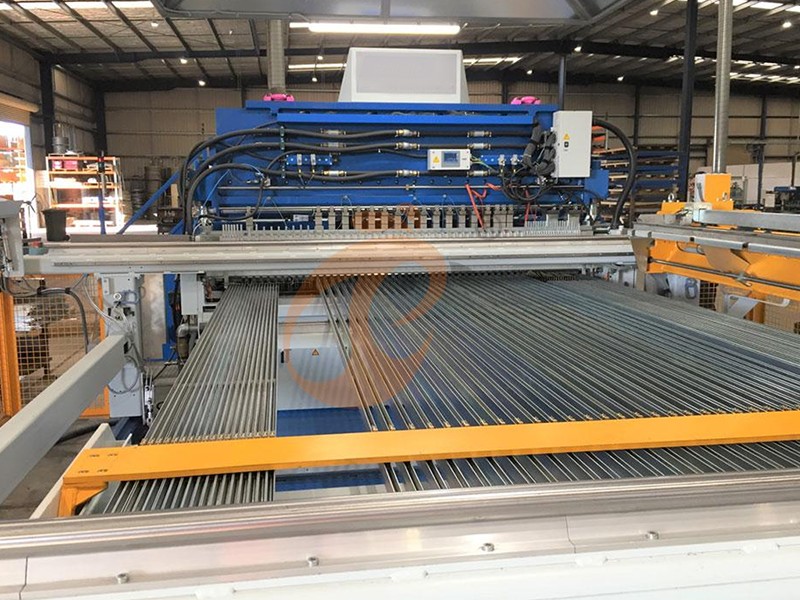
A factory visit or live video inspection should show the production floor, equipment inventory, assembly areas, and finished-goods storage.
Ask to inspect at least 4 representative processes rather than relying only on showroom displays.
3.2 Review Manufacturing Equipment And Process Capability
Production machinery can indicate whether a supplier controls key fabrication operations.
Buyers may request machine lists, maintenance records, and sample inspection reports for the main production processes.
Data is for reference only. Swipe horizontally to view full table.
Actual machinery and process values vary by factory and product.
Confirm them through equipment nameplates, production records, and sample inspections.
3.3 Verify Material Quality And Product Durability
Material selection affects corrosion resistance, structural performance, and service life.
Ask the supplier to identify steel grades, coating methods, polymer specifications, and the test standards used for each product family.
3.4 Request Quality-Control Documents
A reliable supplier should provide traceable documents for the equipment being purchased.
Useful records include material certificates, inspection reports, assembly checklists, electrical test records, and packaging photographs.
3.5 Evaluate Export And Project Experience
Export experience should be assessed through project references and shipping documents, not only marketing claims.
Buyers can review destination markets, equipment categories, shipment records, and installation references from comparable projects.
Q: How can I confirm that your company really manufactures poultry equipment?
A: We encourage customers to review our production facilities, manufacturing processes, product specifications, quality inspection procedures, and project records.
Online factory tours and on-site visits can also help customers verify our capabilities.
4. Poultry Farm Equipment Solutions For Different Farm Capacities
4.1 Equipment Planning For Small And Medium Farms
Smaller farms may prioritize simple operation, accessible maintenance, and phased investment.
A practical design review should compare building layout, flock type, labor availability, and the number of independent equipment zones.
4.2 Equipment Planning For Large Commercial Farms
Large farms require stronger coordination between equipment systems, building services, and operating procedures.
Planning should include electrical load schedules, water demand calculations, ventilation design, and emergency operating arrangements.
Data is for reference only. Swipe horizontally to view full table.
These figures are illustrative planning assumptions, not capacity recommendations.
Final equipment sizing must be calculated from flock numbers, climate conditions, building design, and local engineering requirements.
When evaluating suppliers for a large commercial project, buyers can review Taiyu Group (HK) Poultry Farm Equipment to understand available equipment categories and assess whether the proposed supply scope matches the farm's engineering plan.
Planning a commercial poultry farm? Contact our team to discuss equipment configurations. WhatsApp to +8618830120193.
5. Complete Poultry Equipment Manufacturing And Integrated Supply Solutions
5.1 Poultry Feeding Systems
Feeding solutions may include feed silos, conveying lines, hoppers, distribution pans, and drive assemblies.
System selection should consider feed type, conveying distance, delivery rate, and cleaning access.
5.2 Poultry Drinking Systems
Drinking systems can include water filters, pressure regulators, drinker lines, dosing equipment, and flushing assemblies.
Design checks should cover water quality, line pressure, flow uniformity, and access for sanitation.
showhoobuilding.com
5.3 Poultry Ventilation And Environmental Control Systems
Ventilation equipment may include exhaust fans, air inlets, cooling pads, circulation fans, and environmental controllers.
System calculations should consider air exchange, static pressure, heat load, and humidity management.
5.4 Poultry Manure Handling And Egg Collection Systems
Manure belts, scrapers, elevators, egg conveyors, and collection tables can be integrated according to the farm's production layout.
Buyers should verify line capacity, transfer height, cleaning access, and the connection between equipment sections.
Data is for reference only. Swipe horizontally to view full table.
The listed values are examples for comparing technical quotations.
They should not be treated as final design specifications without project calculations and product documentation.
5.5 Manure Removal And Environmental Control Systems
Manure removal and environmental control systems support poultry house sanitation, air exchange, temperature regulation, and environmental monitoring.
Manure removal and environmental control parameters
Data is for reference only. Swipe horizontally to view full table.
Key Engineering Considerations
Manure belt width and conveyor length should match cage dimensions and house layout.
Exhaust fan quantity should be calculated according to bird numbers, house volume, climate, and required ventilation rate.
Cooling pad area should match the designed incoming airflow and operating static pressure.
Temperature and humidity sensors should be distributed across different monitoring zones.
5.6 Feed Silos And Supporting Equipment
Feed silos and conveying equipment provide centralized feed storage, transportation, and distribution for automatic poultry feeding systems.
Feed Storage And Conveying Parameters
Data is for reference only. Swipe horizontally to view full table.
Q: Do you only manufacture poultry cages, or can you also supply complete automatic equipment systems?
A: We provide core poultry equipment manufacturing and integrated supply solutions covering cages, feeding, drinking, egg collection, manure removal, and environmental control.
Equipment is selected according to your farm capacity and project requirements.
6. Why Integrated Manufacturing And Trading Matter For Large Poultry Projects
6.1 One Supplier Can Coordinate Multiple Equipment Categories
A coordinated supplier can help align different equipment packages under one project schedule.
For a project with 5 equipment systems, buyers should require a consolidated equipment list, interface schedule, and responsibility matrix.
6.2 Easier Technical Drawing And Layout Coordination
A unified engineering process can reduce inconsistencies between equipment drawings and building plans.
Before production, review equipment footprints, foundation details, cable routes, pipe routes, and maintenance access.
6.3 More Organized Packaging And Shipment Planning
Shipment planning should account for package dimensions, gross weight, container loading sequence, and unloading requirements.
Ask for a packing list showing package identification, quantities, dimensions, and handling instructions.
Before confirming an international procurement plan, reviewing Taiyu Group (HK) Poultry Farm Equipment can help buyers compare equipment options and prepare a clearer product scope for quotation and shipment coordination.
Get equipment information and project supply support for your next poultry farm investment. WhatsApp to +8618830120193.
6.4 Better Installation And Commissioning Coordination
Installation planning should define the sequence for mechanical assembly, electrical connection, system testing, and operator training.
A commissioning checklist can assign responsibilities across 4 stages pre-installation, installation, trial operation, and handover.
6.5 More Consistent After-Sales Responsibility
A project contract should specify warranty coverage, excluded items, response procedures, and spare-parts availability.
Buyers should also confirm the documentation required to make a warranty claim, including serial numbers and fault records.
Q: We are planning a 100,000-layer project and need several equipment systems.
Can your company coordinate the entire procurement process?
A: We can coordinate core equipment manufacturing, supporting equipment sourcing, system specifications, international delivery, installation guidance, and technical support according to your project requirements.
7. Why Choose Taiyu Group (HK) As Your Poultry Farm Equipment Manufacturer?
7.1 Integrated Poultry Equipment Supply
Taiyu group (HK) can be evaluated as a supplier for projects requiring multiple poultry equipment categories.
Buyers should confirm the manufacturing or sourcing arrangement for each product group and identify the responsible technical contact.
7.2 Equipment Solutions For Different Farm Designs
Equipment selection should be based on the farm's building drawings, flock plan, and operating requirements.
A project review can compare 3 elements house layout, equipment configuration, and installation sequence.
7.3 Factory And Product Quality Verification
Before placing an order, request factory information, product specifications, and quality-control documents.
Buyers can use a 4-part verification process covering production capability, material traceability, product testing, and shipment inspection.
7.4 Export Coordination And Project Communication
International projects require clear communication about specifications, packaging, shipping documents, and delivery responsibilities.
Confirm the agreed destination, trade terms, document list, and shipment milestones in the purchase contract.
7.5 Technical Support And Long-Term Cooperation
Long-term cooperation depends on equipment compatibility, replacement-part support, and clear service procedures.
Discuss the maintenance schedule, spare-parts identification, training materials, and escalation contacts before commissioning.
Q: Why should I choose taiyu instead of purchasing from several independent factories?
A: Our integrated business model combines manufacturing, international trading, equipment integration, and global project coordination.
Customers can work with one main business partner to simplify procurement, delivery, and after-sales communication.
8. Ten Things To Check Before Choosing A Poultry Equipment Supplier
8.1 Supplier Evaluation Checklist
Before selecting a poultry equipment supplier, compare actual manufacturing capabilities, technical documentation, product quality, and project services.
The following criteria help buyers distinguish suppliers with verifiable production and engineering capabilities from companies relying mainly on product sourcing.
Data is for reference only. Swipe horizontally to view full table.
A supplier should be assessed according to the evidence provided for each category, the relevance of its experience to the proposed project, and its ability to accept clearly defined responsibilities.
Buyers should compare equivalent equipment scopes and service commitments rather than relying on a simple total score.
Q: What documents should I request before making a deposit?
A: We recommend reviewing company registration, quotations, technical specifications, product drawings where applicable, quality requirements, delivery schedules, warranty terms, and project references before signing the contract.
9. Get Factory-Direct Poultry Equipment And Complete Project Support
9.1 Prepare Your Poultry Farm Project Information
To receive a useful quotation, provide building drawings, farm type, planned flock size, equipment preferences, and destination details.
Include measurable information such as house dimensions, roof height, column spacing, and available utility connections.
9.2 Request A Detailed Equipment Quotation
A professional quotation should identify model numbers, quantities, materials, technical ratings, and included accessories.
It should also state delivery terms, production lead time, packaging method, payment milestones, and warranty conditions.
9.3 Work With A Supplier That Can Support The Full Project
Choosing a poultry farm equipment manufacturer or integrated supplier is a decision about more than the initial purchase price.
Compare production evidence, technical compatibility, project coordination, and after-sales commitments before investing.
For factory-direct poultry equipment, request a product catalogue, factory information, and a project-specific equipment proposal from taiyu group (HK).
Q: I am ready to purchase poultry equipment. How can I get a quotation?
A: Please share your target bird capacity, poultry type, equipment requirements, and destination country.
Our team will prepare a customized equipment configuration and quotation according to your project needs.
10. Taiyu (HK) Group - One Of China's Largest Poultry Farm Equipment Manufacturers
1. Global Service Network
Headquartered in Hong Kong, with branches and factories in China, Vietnam, Thailand, Nigeria, Kenya, Ethiopia, and Tanzania, providing more localized project and after-sales support.
2. International Quality Standards
Strict quality control and double inspections.
Certifications and export documents include CE, SGS, ISO 9001, CCVO, PVOC, SONCAP, COC, ECTN, FORM F, and more.
3. One-To-One VIP Service
Dedicated account managers provide customized farm designs, equipment configurations, and quotations for projects ranging from 500 to 100,000+ birds per house.
4. Lifetime After-Sales Service
Installation guidance, equipment commissioning, operator training, remote technical support, spare parts supply, and ongoing maintenance.
11. Contact Us To Received Your Customized Poultry Farm Plan
Headquarters And Branchs

Hong Kong Headquarter Management Team
Hong Kong Headquarter Taiyu Industrial Group CO., LTD
China Hebei Best Machinery And Equipment CO., LTD
Nigeria Vanke Machinery And Equipment CO., LTD
Tanzania Best Machinery And Equipment CO., LTD
Ethiopia Best Hebei Machinery Manufacturing PLC




Reception /24 WhatsApp NO. : +8618830120193
PRODUCTS RECOMMENDED
 China Branch Manufacture Poultry Farm EquipmentRead More
 Ethiopia Branch Manufacture Poultry Farm EquipmentRead More
 Nigeria Branch Manufacture Poultry Farm EquipmentRead More
 Tanzania Branch Manufacture Poultry Farm EquipmentRead More
 IoT Smart Poultry FarmRead More
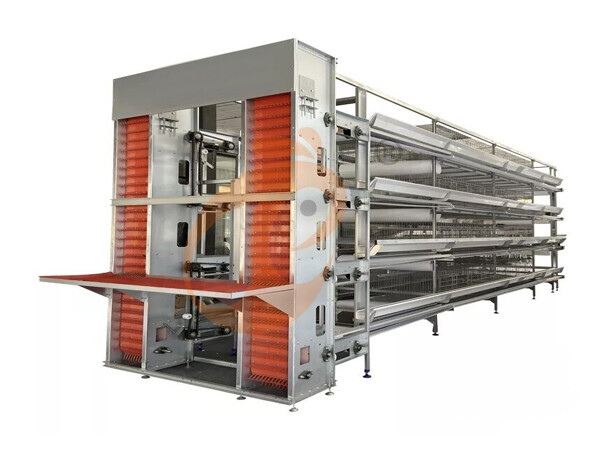
 >30,000 Layers Automatic H Type Battery CageRead More
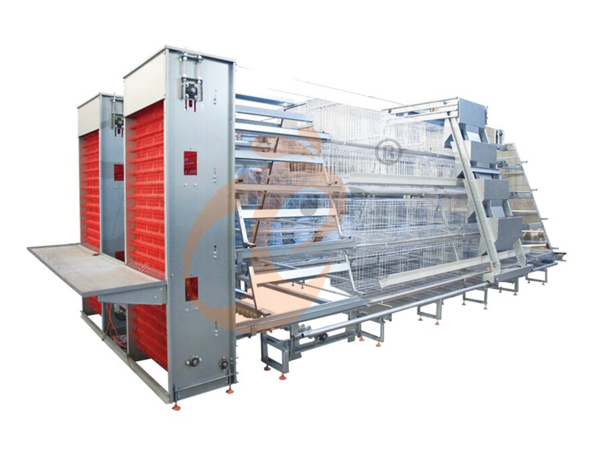
 10,000 - 30,000 Layers Automatic A Type Battery CageRead More
MESSAGE
NEWS
 50,000 - 100,000 chickens/house: poultry farm solution, chicken cage, poultry farm equipment, AI smart managementRead More
 30,000 - 50,000 chickens/house: poultry farm solution, chicken cage, poultry farm equipment, AI smart managementRead More
 10,000 - 30,000 chickens/house: poultry farm solution, chicken cage, poultry farm equipment, AI smart managementRead More
 100 - 10,000 chickens/house: poultry farm solution, chicken cage, poultry farm equipment, AI smart managementRead More