

NEWS
Automatic poultry equipment vs semi-automatic poultry equipment directly affects farm productivity, equipment utilization, operating costs, and long-term production stability.
Selecting suitable machinery requires evaluating technical specifications, bird requirements, building dimensions, and electrical infrastructure rather than comparing automation levels alone.
Feeding capacity evaluate feed delivery rates, hopper volumes, and conveyor operating speeds.
Water distribution calculate nipple quantities, pipeline pressure, and peak water demand.
Environmental control consider fan performance, static pressure, lighting intensity, and temperature monitoring.
System compatibility check motor specifications, controller interfaces, and emergency power arrangements.
For example, a commercial broiler project with a 90 m × 16 m house requires coordinated feed distribution, water supply, ventilation, and environmental monitoring.
Automatic poultry equipment vs semi-automatic poultry equipment should therefore be evaluated through measurable engineering specifications.
Get professional poultry farm construction guidance, equipment selection solutions, and the latest price lists, whatsApp to +8618830120193, click to learn more.
Taiyu Group (HK): Global Poultry Equipment Manufacturer & Supplier
1. Automatic Poultry Equipment Vs Semi-Automatic Poultry Equipment: Which Is Better For Your Farm?
Choosing between automatic and semi-automatic poultry equipment depends on production objectives, house configuration, labor organization, and equipment utilization.
Automatic configurations provide centralized operation, while semi-automatic systems offer greater flexibility for farms with different production arrangements.
1.1 Farm Selection Factors
Data is for reference only.Swipe horizontally to view full table.
The figures represent illustrative engineering targets rather than universal manufacturer guarantees.
Actual performance depends on equipment quality, feed characteristics, installation tolerances, and operating conditions.
A farm with centralized feed storage, multiple production buildings, and continuous production scheduling may benefit from integrated automation.
Smaller operations with flexible feeding schedules may find independent equipment more economical.
Clients
We are planning to start a poultry farm, but we are not sure whether to choose automatic or semi-automatic equipment.
Which option is more suitable for our business?
Taiyu Group (HK)
The right choice depends on your farm capacity, investment budget and management plan.
We can compare both configurations according to your house layout and production targets, so you can select a system that meets current needs without overlooking future expansion.
2. Automatic Vs Semi-Automatic Poultry Equipment: Labor Savings And Work Efficiency
Automatic feeding, drinking, and manure removal systems reduce repetitive activities and improve daily workflow.
Semi-automatic equipment requires additional manual intervention but allows employees to control individual operations directly.
2.1 Daily Labor Comparison
Data is for reference only.Swipe horizontally to view full table.
The figures are illustrative workflow estimates for comparable farm operations, not guaranteed labor savings.
Actual working hours depend on flock size, feed storage capacity, conveyor length, and the number of buildings.
Automated systems can also reduce delays between feeding cycles.
For example, programmable feed motors can distribute feed according to predetermined schedules, while independent controllers allow employees to identify abnormal motor operation.
Clients
Labor costs are increasing every year.
Can automatic poultry equipment really reduce the number of workers needed on our farm?
Taiyu Group (HK)
Yes. Automatic feeding, drinking and manure removal systems can reduce repetitive work.
We recommend calculating the time spent on each task before selecting equipment, so the expected labor savings are based on your actual farm operation.
3. Automatic Poultry Equipment Vs Semi-Automatic Poultry Equipment: Main Features And Differences
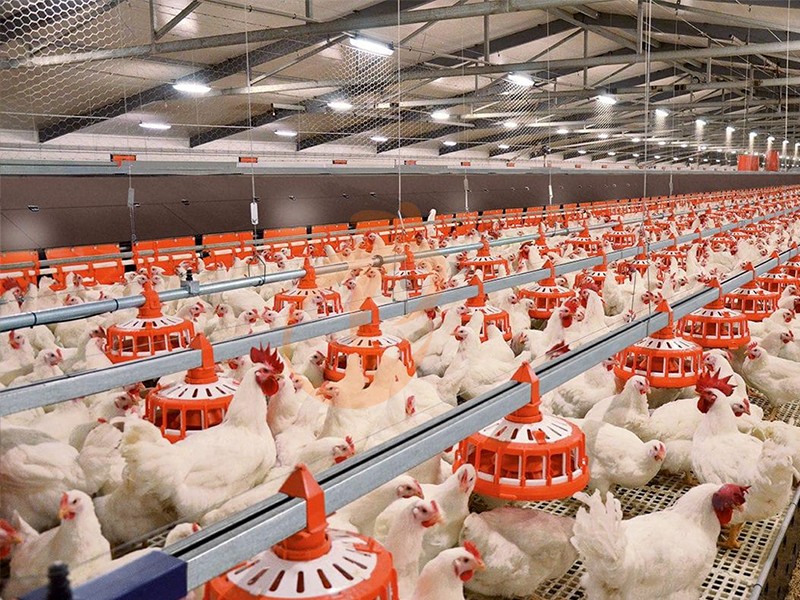
Automatic and semi-automatic equipment often shares similar mechanical structures, but control methods and operating configurations differ.
Technical evaluation should include motor power, conveyor speed, feed distribution accuracy, and water delivery performance.
3.1 Equipment Feature Comparison
Data is for reference only.Swipe horizontally to view full table.
Motor ratings and protection classes are equipment selection examples, not specifications applicable to every poultry machine.
Final selection requires checking the manufacturer's rated load, starting current, operating pressure, and environmental protection documentation.
Understanding the differences between poultry farming systems can help investors make better long-term operational decisions.
Explore Taiyu Group (HK) Poultry Farm Equipment for more information about poultry farm development.
Need professional guidance for your poultry farming project? WhatsApp to +8618830120193.
Clients
Are automatic systems completely different machines from semi-automatic systems?
Taiyu Group (HK)
Not always.
Many systems share similar basic components.
The difference is the addition of motors, conveyors, sensors and integrated controls.
We can also design selected automatic functions instead of requiring you to automate every operation at once.
4. Automatic And Semi-Automatic Poultry Equipment For 1,000–100,000+ Birds
Equipment configurations should match poultry quantity, building dimensions, production type, and machinery capacity.
Feed storage, conveyor routing, ventilation resistance, and water supply should be calculated independently for each poultry house.
4.1 Farm Capacity And Equipment Configuration
Data is for reference only.Swipe horizontally to view full table.
The table provides preliminary planning ranges rather than fixed equipment specifications.
Actual storage requirements depend on feed delivery intervals, daily consumption, water demand, and emergency reserves.
Additional engineering considerations include:
Building structure evaluate roof loading, steel-frame spacing, foundation bearing capacity, and equipment suspension points.
Feed silos confirm discharge cone geometry, filling height, and pneumatic delivery connections.
Water storage calculate daily consumption, cleaning requirements, and independent emergency reserves.
Ventilation distribution evaluate inlet area, fan placement, and air pressure losses throughout the building.
Clients
We plan to raise between 5,000 and 20,000 chickens.
Do we need a fully automatic system from the beginning?
Taiyu Group (HK)
Not necessarily.
We first evaluate your poultry type, house dimensions, labor availability and future expansion plan.
A partial-automation solution may be a better starting point, while the layout can be designed to make later upgrades easier.
5. Automatic Vs Semi-Automatic Poultry Equipment: Initial Investment And Purchase Costs
Automatic poultry equipment generally requires additional motors, electrical cabinets, sensors, wiring, and control infrastructure.
Semi-automatic systems can reduce initial purchasing expenses while maintaining essential feeding and drinking functions.
5.1 Investment Cost Categories
Data is for reference only.Swipe horizontally to view full table.
European union standard reference only.
A well-planned investment strategy helps balance initial construction costs, operating expenses, and future production goals.
Learn more about poultry farm planning at Taiyu Group (HK) Poultry Farm Equipment.
Planning your poultry farm investment? Contact our team for project assistance. WhatsApp to +8618830120193.
The amounts are illustrative budgeting allowances in usd, not taiyu group (HK) quotations or fixed market prices.
Actual costs depend on equipment brands, installation distances, electrical specifications, and local construction requirements.
Other technical factors affecting purchasing costs include
Electrical distribution three-phase 400 v systems are common in European installations, with 230 v auxiliary circuits where appropriate.
Frequency compatibility motors designed for 50 hz and 60 hz supplies require appropriate electrical specifications.
Cable sizing voltage drop should generally be designed within approximately 3% for final branch circuits, subject to applicable electrical codes.
Control cabinet protection ip54 and ip65 enclosures may be selected according to indoor dust exposure and washdown conditions.
Clients
Our investment budget is limited. Is it better to purchase semi-automatic equipment first to reduce the initial cost?
Taiyu Group (HK)
Semi-automatic equipment can help control initial investment.
We recommend comparing the complete project cost and identifying which operations should be automated first.
This helps you avoid paying for unnecessary functions while keeping the project suitable for future development.
6. Automatic Vs Semi-Automatic Poultry Equipment: Daily Farm Management And Labor Requirements
Automation changes employee responsibilities rather than eliminating workers.
Employees still need to inspect equipment, monitor flock health, maintain records, and respond to unexpected problems.
6.1 Daily Management Responsibilities
Feeding inspect hopper discharge, conveyor tension, feed accumulation, and motor temperature.
Drinking monitor water meters, filter condition, pressure regulators, and pipeline leakage.
Manure removal check belt alignment, scraper contact, bearing temperature, and discharge points.
Environmental inspection record air temperature, humidity, carbon dioxide, and ammonia concentrations.
Production management review feed consumption, water consumption, mortality, and production uniformity.
Additional environmental monitoring parameters should include
Air speed approximately 0.1–0.2 m/s at bird level during cold-weather minimum ventilation, with higher velocities used for cooling under suitable conditions.
Static pressure approximately 25–37.5 Pa is a useful reference range for evaluating negative-pressure house sealing.
Light distribution measure lux at bird level across multiple house positions rather than relying on a single sensor.
Water temperature drinking water around 10–14°c is a commonly referenced management target, subject to source conditions and local climate.
Automatic monitoring can record these indicators at predetermined intervals, while semi-automatic systems generally require more manual measurements and adjustment.
Clients
Even if we install automatic equipment, will our workers still need to operate the machines throughout the day?
Taiyu Group (HK)
Workers are still essential, but their responsibilities change.
Automatic systems can handle many routine operations, allowing your team to focus more on bird health, production records, equipment inspection and farm management.
7. Automatic And Semi-Automatic Poultry Equipment: Essential Systems And Functions
Essential equipment varies according to poultry type and housing method.
Broilers require feeding, drinking, ventilation, heating, and litter management, while layer farms additionally need nesting, egg collection, and manure handling arrangements.
7.1 Poultry Housing Methods And Equipment Requirements
Data is for reference only.Swipe horizontally to view full table.
These are preliminary equipment allocation references.
Actual requirements depend on bird weight, feeder dimensions, access from both sides, local welfare legislation, and equipment manufacturers' specifications.
Different housing arrangements also require different engineering solutions
Floor-raised systems litter depth commonly starts around 5–8 cm, with bedding selection adjusted for moisture absorption and local climate.
Cage-raised layers egg belts, manure belts, feed troughs, and cage-row dimensions must be coordinated before building installation.
Free-range systems outdoor fencing, access openings, drainage, and weather protection must be incorporated into the site plan.
Layer egg collection egg conveyors should be designed to minimize excessive transfer points, sudden drops, and shell damage.
Clients
Which equipment should we prioritize?
Do we need to purchase every automatic system at once?
Taiyu Group (HK)
We recommend prioritizing reliable feeding, drinking and ventilation.
Other systems should be selected according to your poultry type, house design and budget.
For layer farms, we can also evaluate cage, manure removal and egg collection requirements as part of the equipment plan.
8. Automatic Vs Semi-Automatic Poultry Equipment: ROI And Payback Period
Return on investment depends on equipment depreciation, energy consumption, replacement parts, production efficiency, and labor utilization.
A project-specific calculation should include operating hours, electricity tariffs, maintenance frequency, and production-cycle duration.
8.1 Payback Calculation Example
Consider a hypothetical farm investing an additional $24,000 in automatic equipment.
Estimated payback period
$24,000 ÷ $6,000 = 4 Years
The example excludes financing, taxes, depreciation, and changes in production performance.
European union standard reference only.
Careful capacity planning supports stable production and allows poultry farms to adapt to changing business requirements.
Discover more at Taiyu Group (HK) Poultry Farm Equipment.
Expanding your poultry production capacity? WhatsApp to +8618830120193 for professional assistance.
Additional financial engineering indicators include
Motor energy calculate rated power multiplied by operating hours and annual working days.
Demand charges include peak electrical demand where local utilities charge additional capacity fees.
Replacement parts estimate conveyor belts, bearings, contactors, sensors, and pump components separately.
Production losses evaluate equipment downtime against flock-cycle length and potential interruptions in feed or water delivery.
A reliable return on investment model should compare identical production conditions and use actual farm records rather than theoretical savings alone.
Clients
Automatic equipment costs more.
How can we know whether the additional investment will pay off?
Taiyu Group (HK)
We can compare the additional equipment investment with the expected annual savings using your local labor costs, electricity prices and farm operating data. This gives you a project-specific payback estimate instead of relying on a general promise.
9. Upgrading From Semi-Automatic To Automatic Poultry Equipment: Requirements And Planning
Upgrading requires compatible house dimensions, electrical capacity, feeding pipelines, drinking lines, and control systems.
Early engineering preparation can reduce unnecessary modifications and prevent equipment compatibility problems.
9.1 Upgrade Preparation Checklist
House layout reserve equipment access, motor mounting positions, and maintenance clearance.
Electrical capacity evaluate connected loads, starting current, and future power demand.
feed pipelines confirm conveyor diameter, silo outlet position, and delivery capacity.
Water pipelines calculate hydraulic losses, filtration capacity, and pressure regulation.
Control systems confirm communication protocols, sensor inputs, and expansion terminals.
Additional technical specifications should include
Power factor Industrial motor installations commonly require evaluation around 0.85–0.95, depending on motor characteristics and electrical system design.
Frequency inverters variable-speed drives should be selected according to motor rated current and overload requirements.
Water Filtration filter mesh selection should follow nipple valve and manufacturer specifications, with pressure differential monitored during operation.
Emergency switching critical ventilation and drinking circuits should have clearly identified emergency isolation and transfer arrangements.
A detailed upgrade drawing should include equipment positions, cable routes, hydraulic connections, motor schedules, and control cabinet interfaces.
Clients
We want to start with semi-automatic equipment and upgrade later.
Is this possible without replacing the entire system?
Taiyu Group (HK)
It may be possible, depending on the existing design and equipment compatibility.
We recommend planning the house layout, electrical capacity and pipeline connections before installation, so future upgrades can be completed with fewer modifications.
10. Choosing A Manufacturer For Automatic And Semi-Automatic Poultry Equipment
A reliable manufacturer should provide suitable equipment, engineering solutions, installation guidance, and dependable after-sales support.
Overseas buyers should assess manufacturing capability, technical documentation, component quality, and spare-parts availability.
10.1 Manufacturer Evaluation Criteria
Data is for reference only.Swipe horizontally to view full table.
These values are proposed procurement and acceptance references rather than mandatory specifications for every machine.
Pressure testing must follow the pipeline manufacturer's maximum allowable working pressure and applicable safety procedures.
Professional purchasing should also examine
Manufacturing inspection request material certificates, motor documentation, dimensional inspection records, and functional test reports.
Installation drawings confirm dimensions, cable schedules, pipeline routing, and equipment connection points.
Quality documentation review batch identification, component traceability, and inspection procedures.
Overseas support confirm technical response arrangements, replacement component lead times, and remote troubleshooting capabilities.
Clients
How can we know whether a poultry equipment manufacturer is reliable, especially when purchasing from overseas?
Taiyu Group (HK)
Check the manufacturer's production capability, project references, equipment specifications, installation support and spare-parts availability.
We recommend reviewing the layout, equipment list and quotation together before confirming the order.
11. Why Choose Taiyu Group (HK) For Automatic And Semi-Automatic Poultry Equipment?
Taiyu group (HK) provides poultry equipment solutions designed around farm capacity, poultry type, housing dimensions, and investment objectives.
Coordinated equipment planning helps customers evaluate automatic and semi-automatic configurations for different production requirements.
11.1 Complete Poultry Farm Solutions
Equipment manufacturing feeding, drinking, ventilation, manure removal, and related systems.
House layout design equipment arrangement according to building dimensions and production requirements.
Automation configuration automatic, semi-automatic, and phased upgrade options.
Project coordination equipment selection and configuration for complete poultry farm development.
Customized quotations solutions based on poultry quantity, house dimensions, and project budget.
A customized engineering proposal should incorporate the following information
Building drawings provide architectural plans with dimensions, elevations, and structural details.
Electrical information specify available supply voltage, frequency, transformer capacity, and backup generation.
Water information provide source flow rate, water quality, storage arrangement, and pumping conditions.
Production information identify bird breed, target weight, production cycle, and daily feeding schedule.
Commercial information confirm equipment delivery destination, installation scope, and project implementation schedule.
Clients
Can you provide a complete poultry farm solution instead of supplying individual machines?
Taiyu Group (HK)
Yes.
We can help plan a poultry equipment solution according to your farm capacity, poultry type, house dimensions and budget.
Our goal is to provide a coordinated configuration that supports your current production needs and future development.
11.2 Request A Customized Poultry Equipment Solution
Share your planned bird capacity, poultry type, chicken house dimensions, housing method, and investment budget with taiyu group (HK).
Our team can evaluate suitable automatic and semi-automatic poultry equipment configurations and prepare a customized quotation for your project.
12. Taiyu (HK) Group - One Of China’s Biggest Poultry Farm Equipment Manufacturers
1. Global Service Network
Headquartered in Hong Kong, with branches and factories in China, Vietnam, Thailand, Nigeria, Kenya, Ethiopia, and Tanzania, providing more localized project and after-sales support.
2. International Quality Standards
Strict quality control and double inspections.
Certifications and export documents include CE, SGS, ISO 9001, CCVO, PVOC, SONCAP, COC, ECTN, FORM F, and more.
3. One-To-One Vip Service
Dedicated account managers provide customized farm designs, equipment configurations, and quotations for projects ranging from 500 to 100,000+ birds per house.
4. Lifetime After-Sales Service
Installation guidance, equipment commissioning, operator training, remote technical support, spare parts supply, and ongoing maintenance.
13. Contact Us To Received Your Customized Poultry Farm Plan
Headquarters And Branchs

Hong Kong Headquarter Management Team
Hong Kong Headquarter Taiyu Industrial Group CO., LTD
China Hebei Best Machinery And Equipment CO., LTD
Nigeria Vanke Machinery And Equipment CO., LTD
Tanzania Best Machinery And Equipment CO., LTD
Ethiopia Best Hebei Machinery Manufacturing PLC




Reception /24 WhatsApp NO. : +8618830120193
PRODUCTS RECOMMENDED
 China Branch Manufacture Poultry Farm EquipmentRead More
 Ethiopia Branch Manufacture Poultry Farm EquipmentRead More
 Nigeria Branch Manufacture Poultry Farm EquipmentRead More
 Tanzania Branch Manufacture Poultry Farm EquipmentRead More
 IoT Smart Poultry FarmRead More
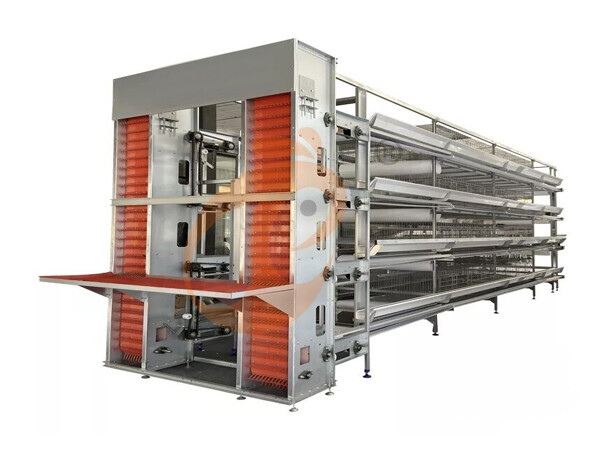
 >30,000 Layers Automatic H Type Battery CageRead More
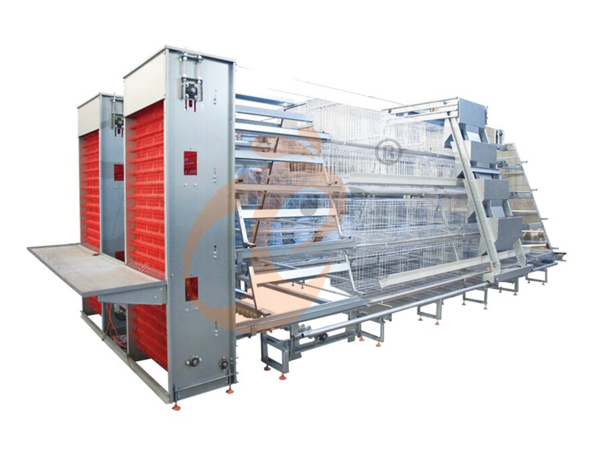
 10,000 - 30,000 Layers Automatic A Type Battery CageRead More
MESSAGE
NEWS
 50,000 - 100,000 chickens/house: poultry farm solution, chicken cage, poultry farm equipment, AI smart managementRead More
 30,000 - 50,000 chickens/house: poultry farm solution, chicken cage, poultry farm equipment, AI smart managementRead More
 10,000 - 30,000 chickens/house: poultry farm solution, chicken cage, poultry farm equipment, AI smart managementRead More
 100 - 10,000 chickens/house: poultry farm solution, chicken cage, poultry farm equipment, AI smart managementRead More