

BLOG
Floor rearing systems in poultry production require strict environmental control, biosecurity engineering, and pathogen suppression strategies.
Disease risk in floor rearing system is primarily driven by microbial accumulation, ammonia imbalance, and stocking density stress.
System stability depends on environmental feedback control and continuous hygiene intervention cycles.
Operational efficiency of floor rearing system relies on integrated monitoring and preventive disease suppression strategies.
This document presents six engineered methods to reduce disease risk in floor rearing system operations.
Get professional poultry farm construction guidance, equipment selection solutions, and the latest price lists, whatsApp to +8618830120193, click to learn more:
Baseline Disease Burden In Floor Rearing System
Disease pressure in floor rearing system is associated with prolonged litter contact and airborne pathogen exposure.
Field data indicates infection clustering during mid-cycle production phases under high organic load conditions.
Pathogen accumulation increases significantly when ventilation and sanitation parameters deviate from control thresholds.
Data is for reference only.Swipe horizontally to view full table.
Epidemiological Structure In Floor Rearing System
Transmission dynamics in floor rearing system follow density-dependent infection propagation mechanisms.
Contact frequency and environmental contamination jointly determine pathogen spread intensity.
Mathematical modeling indicates exponential infection escalation under uncontrolled density conditions.
Data is for reference only.Swipe horizontally to view full table.
Litter Moisture Control In Floor Rearing System
Litter condition is a primary determinant of microbial survival in floor rearing system environments.
Moisture elevation accelerates bacterial replication and parasitic oocyst development.
Mechanical drying and turning improve environmental stability and reduce pathogen load.
Data is for reference only.Swipe horizontally to view full table.
Stocking Density Regulation In Floor Rearing System
Stocking density directly affects disease transmission probability in floor rearing system production units.
Higher density increases contact frequency and environmental contamination load.
Growth performance declines when density exceeds physiological comfort range.
Data is for reference only.Swipe horizontally to view full table.
Airflow And Ammonia Regulation In Floor Rearing System
Ventilation balance is critical for maintaining air quality stability in floor rearing system houses.
Ammonia accumulation directly impacts respiratory health and immune response efficiency.
Air exchange rate determines particulate dispersion and gas equilibrium.
Data is for reference only.Swipe horizontally to view full table.
Biosecurity Entry Control In Floor Rearing System
Biosecurity entry control defines external contamination load entering floor rearing system facilities.
Personnel and equipment movement contribute measurable microbial introduction pressure.
Disinfection cycles reduce cross contamination risk and pathogen transmission probability.
Data is for reference only.Swipe horizontally to view full table.
Vaccination Response In Floor Rearing System
Vaccination programs strengthen immune resistance within floor rearing system production cycles.
Antibody levels determine protection efficiency against primary poultry pathogens.
Timing and dosage consistency directly affect immune response stability.
Data is for reference only.Swipe horizontally to view full table.
Water Hygiene Management In Floor Rearing System
Water systems act as secondary transmission pathways within floor rearing system environments.
Biofilm accumulation increases microbial concentration over time.
pH variation correlates with bacterial proliferation intensity.
Data is for reference only.Swipe horizontally to view full table.
Integrated Disease Control Model For Floor Rearing System
Integrated management combines environmental, biological, and operational control layers in floor rearing system.
Simultaneous optimization of density, ventilation, and hygiene produces multiplicative risk reduction.
System synergy significantly reduces mortality and improves production stability.
Data is for reference only.Swipe horizontally to view full table.
Economic Performance In Floor Rearing System
Disease reduction improves feed conversion efficiency in floor rearing system operations.
Lower mortality reduces operational loss and medication expenditure.
Profitability increases under stabilized biological performance conditions.
Data is for reference only.Swipe horizontally to view full table.
Operational Monitoring Framework
Continuous sensor monitoring maintains environmental stability in floor rearing system.
Predictive control algorithms detect threshold deviations before disease escalation occurs.
Feedback loops ensure real-time correction of ventilation and environmental parameters.
Real Time Sensing Layer
- CO₂ maintained within 2800–3200 ppm.
- Relative humidity stabilized at 52–65%.
- Dust concentration controlled below 2.0 mg/m³.
Predictive Control Logic
- Alert threshold ±8% deviation.
- Response time under 15 minutes.
- Automated ventilation adjustment.
System Feedback Stability
- Refresh cycle 30–60 seconds.
- Signal loss under 2%.
Multi-zone synchronization.
Frequently Asked Questions
Q1: What is main disease driver in floor rearing system?
Main driver is microbial accumulation in litter combined with excessive stocking density and ventilation imbalance.
Q2: How does ventilation influence floor rearing system health?
Ventilation regulates ammonia and particulate concentration affecting respiratory and immune stability.
Q3: What is most effective control strategy in floor rearing system?
Combined control of stocking density and litter moisture provides highest disease reduction efficiency.
Taiyu (HK) Group - One Of China Biggest Floor Rearing System Manufacturer
Floor rearing system integrated disease reduction solution designed for commercial poultry houses with controlled density airflow and litter management architecture.
Global factory direct supply of floor rearing system equipment with standardized production lines and industrial grade manufacturing consistency.
Turn-key poultry farm engineering centered on floor rearing system including house layout ventilation design and biosecurity zoning deployment.
Supporting equipment for floor rearing system including feeding lines drinking systems environmental control units and automatic disinfection modules.
Export oriented production capacity enabling large scale floor rearing system projects across Asia Middle East Europe and South America markets.
Contact Us To Received Your Customized Poultry Farm Plan
Headquarters And Branchs

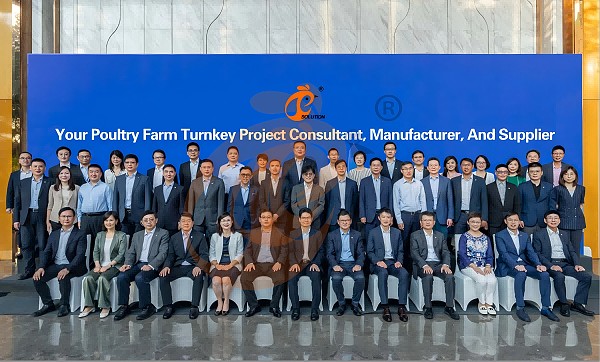
Hong Kong Headquarter Management Team
Hong Kong Headquarter Taiyu Industrial Group CO., LTD
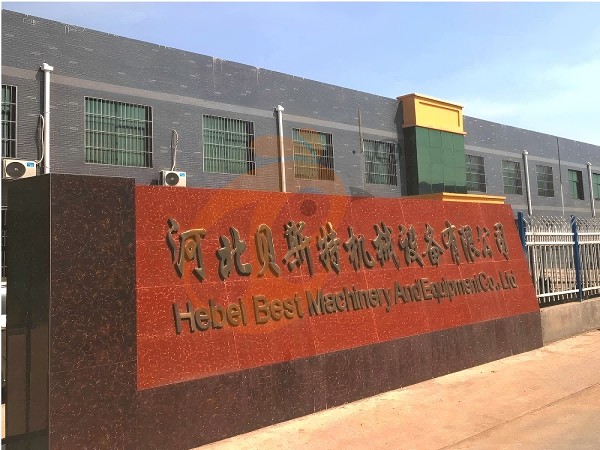
China Hebei Best Machinery And Equipment CO., LTD
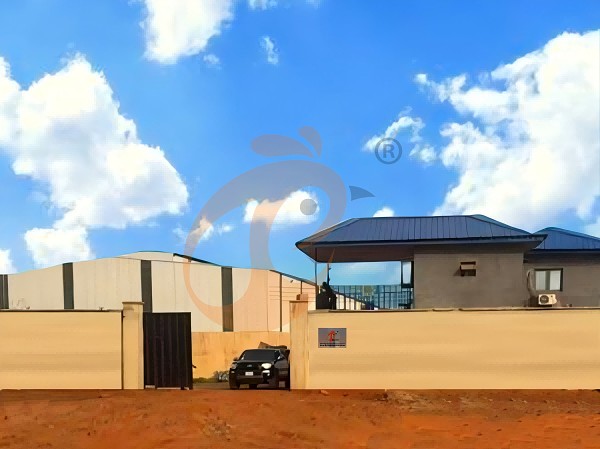
Nigeria Vanke Machinery And Equipment CO., LTD
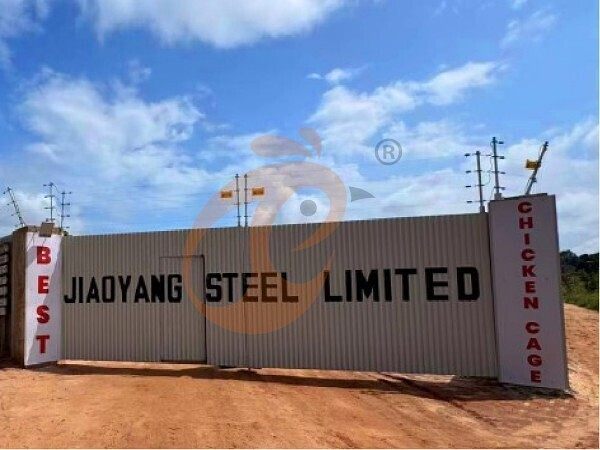
Tanzania Best Machinery And Equipment CO., LTD
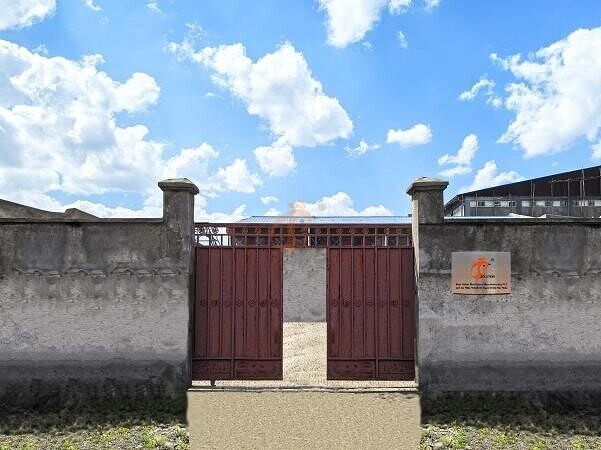
Ethiopia Best Hebei Machinery Manufacturing PLC
Reception /24 WhatsApp NO. : +8618830120193
PRODUCTS RECOMMENDED
 China Branch Manufacture Poultry Farm EquipmentRead More
 Ethiopia Branch Manufacture Poultry Farm EquipmentRead More
 Nigeria Branch Manufacture Poultry Farm EquipmentRead More
 Tanzania Branch Manufacture Poultry Farm EquipmentRead More
 IoT Smart Poultry FarmRead More
 >30,000 Layers Automatic H Type Battery CageRead More
 10,000 - 30,000 Layers Automatic A Type Battery CageRead More
MESSAGE
NEWS
 What Makes A Factory-Direct A Type Chicken Battery Cage More Cost-Effective? 4 ReasonsRead More
 Deep Litter System For Broilers Vs Cage | Which Is More Profitable?Read More
 Free Range Broiler System Vs Intensive Farming | Which Is More Profitable?Read More
 Broiler Floor Rearing System Cost | 6 Factors Affecting PriceRead More