

BLOG
Poultry cage cost Ethiopia is a major concern for small-scale layer farmers.
Many farmers in Oromia and Amhara face capital limitations and infrastructure gaps.
Transport routes from Djibouti significantly influence equipment pricing structures.
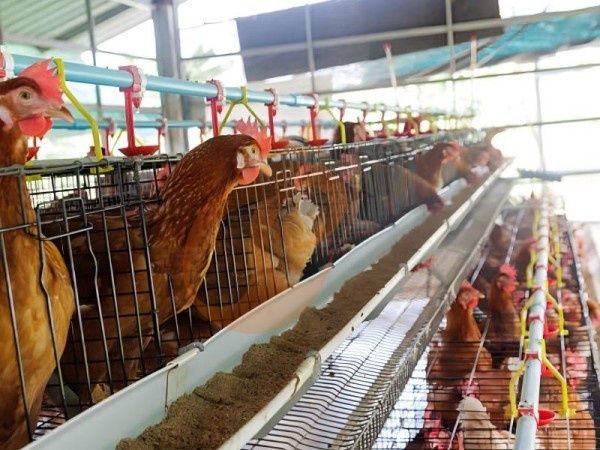
Efficient housing systems directly affect egg productivity and farm profitability.
Selecting the right chicken cage improves long-term operational sustainability.
Get professional poultry farm construction guidance, equipment selection solutions, and the latest price lists, whatsApp to +8618830120193, click to learn more:

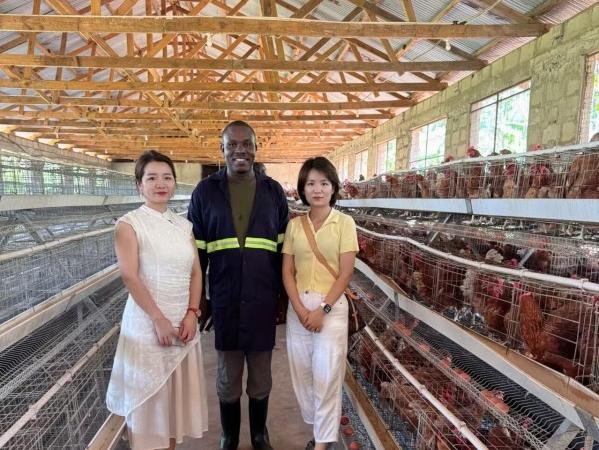
Ethiopia Branch Office And Factory Of Poultry Farm Equipment
Overview Of Poultry Cage Cost In Ethiopia
Ethiopia's poultry sector has expanded rapidly in recent years, driven by urban demand for eggs in cities such as Addis Ababa, Adama, and Bahir Dar.
For small-scale farmers in Oromia, Amhara, and Tigray regions, one persistent constraint remains the initial cost of layer chicken cage systems.
Equipment is largely imported through Djibouti, and transport, currency fluctuation, and material quality significantly influence final prices.
In the context of poultry cage cost Ethiopia, farmers must carefully evaluate both initial investment and lifecycle cost.
Before making any purchasing decision, it is necessary to understand the current pricing structure across different cage configurations available in the Ethiopian market.
Data is for reference only.Swipe horizontally to view full table.
This pricing comparison helps farmers identify which system aligns with their capital capacity and production goals.
Key Cost Drivers For Ethiopian Farmers
Understanding cost structure is critical before selecting a chicken cage system.
Transport alone can significantly increase costs because equipment travels over 900 km inland from Djibouti port to central Ethiopia.
Exchange rate instability of the Ethiopian Birr further complicates long-term planning.
To manage investment risk, farmers must break down each cost component and evaluate its impact on the final purchase price.
Data is for reference only.Swipe horizontally to view full table.
By understanding these variables, farmers can better negotiate procurement strategies and avoid unnecessary expenses.
Small Farm Investment Structure Case 5000 Layers
Small Ethiopian farms often start with 3000–5000 birds to balance risk and return.
The investment structure below reflects a typical peri-urban farm supplying eggs to Addis Ababa markets.
This scale is common in poultry cage cost Ethiopia evaluations for new entrants.
A detailed cost breakdown allows farmers to anticipate cash flow requirements and avoid undercapitalization during the setup phase.
Data is for reference only.Swipe horizontally to view full table.
This investment framework provides a realistic financial reference for farmers planning medium-scale layer operations.
European union standard reference only
Option 1 Basic A-Type Manual Cage Most Affordable
This is the most common entry-level system in Ethiopia.
It is widely adopted in rural areas where electricity and automation are limited.
Basic A-type systems remain central to affordable layer chicken cage price Ethiopia planning.
Understanding technical specifications helps farmers ensure the system matches bird welfare and production needs.
Data is for reference only.Swipe horizontally to view full table.
These parameters define the structural capacity and directly influence stocking density and egg output efficiency.
Option 2 Multi-Tier Density Optimization Cage
Land around Addis Ababa is increasingly expensive due to urban expansion.
Multi-tier cage systems help farmers maximize productivity per square meter.
This approach is essential for improving poultry cage cost Ethiopia efficiency.
Evaluating space utilization is crucial for farms operating under land constraints or high lease costs.
Data is for reference only.Swipe horizontally to view full table.
Higher density systems allow farmers to scale production without proportional increases in land investment.
Option 3 Semi-Automatic Layer Cage System
Semi-automatic systems provide a balance between cost and operational efficiency.
They are increasingly adopted in regions where labor costs are rising.
Farmers benefit from improved feed distribution and egg handling.
Breaking down the additional cost components helps determine whether the efficiency gains justify the investment.
Data is for reference only.Swipe horizontally to view full table.
These enhancements contribute to more stable daily operations and reduced long-term labor dependency.
European union standard reference only
Option 4 Durable Hot Dip Galvanized Cage Long Term Saving
Durability is critical in Ethiopia's varied climate conditions including humidity and temperature variation.
Hot dip galvanized cages provide extended service life compared to electro galvanized alternatives.
This option aligns with long-term layer chicken cage price Ethiopia optimization.
Material selection should be based on long-term cost efficiency rather than only initial purchase price.
Data is for reference only.Swipe horizontally to view full table.
Choosing durable materials reduces replacement frequency and ensures consistent production over time.
Operating Cost Context In Ethiopia
Cage choice directly affects operating efficiency and production output.
Feed remains the dominant cost component in Ethiopian poultry farming systems.
Farmers must align housing systems with feed efficiency strategies.
Understanding annual cost distribution helps farmers prioritize investment areas that yield the highest return.
Data is for reference only.Swipe horizontally to view full table.
This cost structure highlights the importance of integrating efficient feeding systems within cage design.
European union standard reference only
Ethiopian Specific Challenges And Solutions
Ethiopian poultry farmers face structural and economic constraints that influence cage selection.
These challenges require localized solutions rather than generic global approaches.
Identifying practical solutions ensures that cage systems remain functional under real Ethiopian farm conditions.
Data is for reference only.Swipe horizontally to view full table.
Applying these solutions can significantly improve farm sustainability and reduce operational risks.
Cost Optimization Strategy For Small Farmers
To reduce financial risk, Ethiopian farmers should adopt phased investment strategies.
Gradual scaling allows better cash flow management and operational learning.
A structured growth plan helps farmers transition from small to medium scale production efficiently.
Data is for reference only.Swipe horizontally to view full table.
This staged approach minimizes financial pressure while allowing continuous productivity improvement.
Frequently Asked Questions About Poultry Cage Cost In Ethiopia
Q1: Is this chicken cage system suitable for Ethiopian climate conditions?
Yes, these systems are designed to operate under varied Ethiopian climates including highland and lowland regions.
Hot dip galvanized materials improve durability against humidity and temperature variation.
Q2: How can small farmers reduce poultry cage investment pressure in Ethiopia?
Farmers can start with basic A-type cages and expand gradually.
Cooperative purchasing and shared logistics can reduce transport costs significantly.
Q3: Are semi-automatic systems practical for rural Ethiopia farms?
Yes, semi-automatic systems are practical where electricity access is stable.
They reduce labor demand and improve egg handling efficiency for growing farms.
Ethiopia Best Hebei Machinery Manufacturing Plc - One Of Ethiopia Largest Poultry Cage Supplier
Global factory direct supply ensures competitive pricing and consistent equipment quality standards.
Specialized in poultry farm equipment including advanced poultry cage systems for layers.
Provides complete Turn-key engineering solutions tailored for Ethiopian farm conditions.
Strong logistics coordination supports delivery from port to inland farm locations efficiently.
Technical support team offers installation guidance and long-term maintenance solutions.
Contact Us To Received Your Customized Poultry Farm Plan
Headquarters And Branchs

Hong Kong Headquarter Management Team
Hong Kong Headquarter Taiyu Industrial Group CO., LTD
China Hebei Best Machinery And Equipment CO., LTD
Nigeria Vanke Machinery And Equipment CO., LTD
Tanzania Best Machinery And Equipment CO., LTD
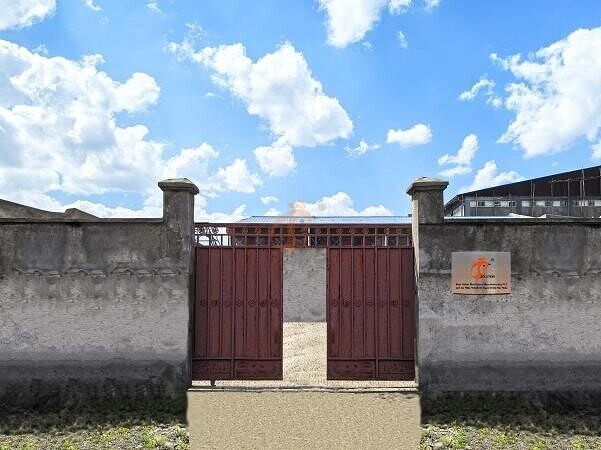
Ethiopia Best Hebei Machinery Manufacturing PLC
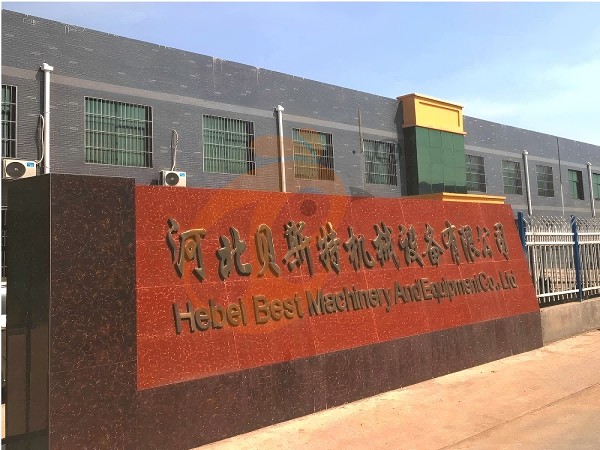
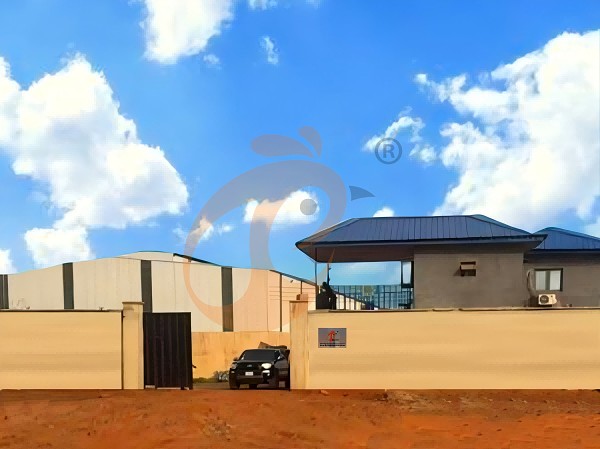
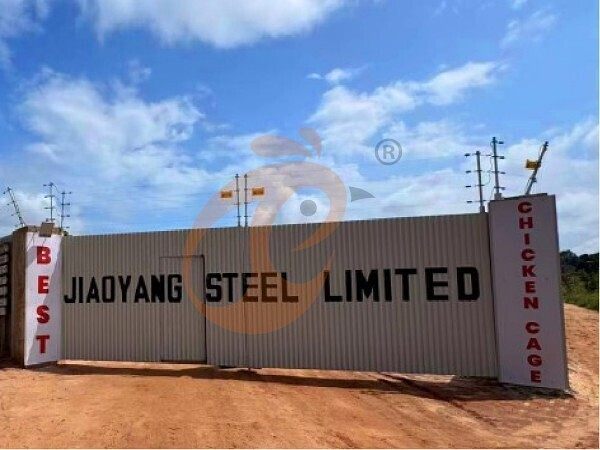
Reception /24 WhatsApp NO. : +8618830120193
PRODUCTS RECOMMENDED
 China Branch Manufacture Poultry Farm EquipmentRead More
 Ethiopia Branch Manufacture Poultry Farm EquipmentRead More
 Nigeria Branch Manufacture Poultry Farm EquipmentRead More
 Tanzania Branch Manufacture Poultry Farm EquipmentRead More
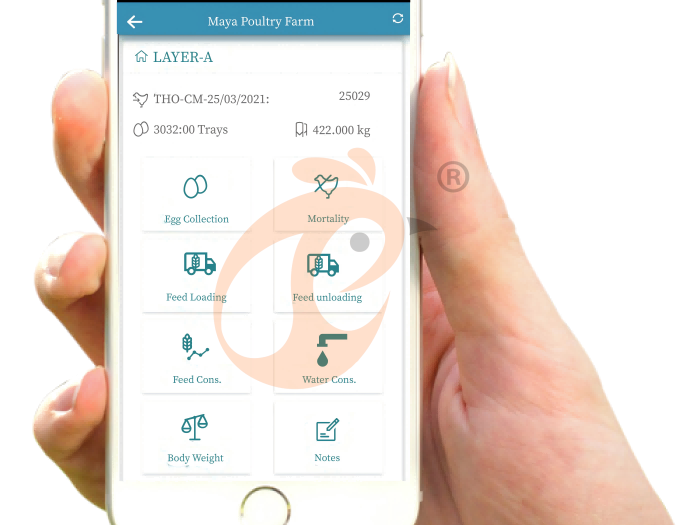
 IoT Smart Poultry FarmRead More
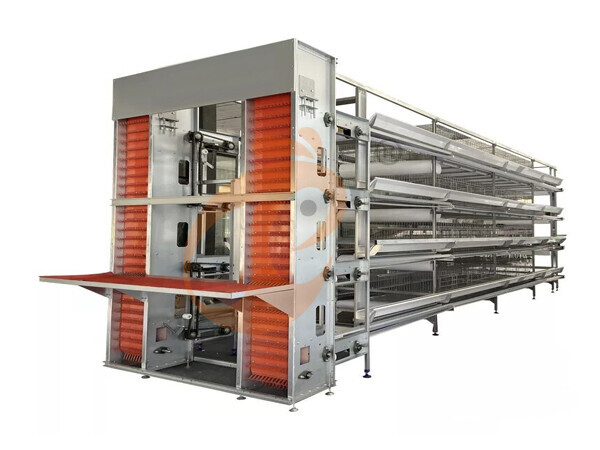
 >30,000 Layers Automatic H Type Battery CageRead More
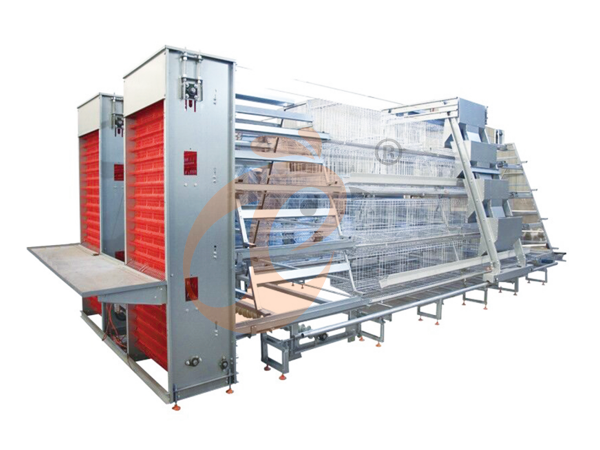
 10,000 - 30,000 Layers Automatic A Type Battery CageRead More
MESSAGE
NEWS
 What Makes A Factory-Direct A Type Chicken Battery Cage More Cost-Effective? 4 ReasonsRead More
 Deep Litter System For Broilers Vs Cage | Which Is More Profitable?Read More
 Free Range Broiler System Vs Intensive Farming | Which Is More Profitable?Read More
 Broiler Floor Rearing System Cost | 6 Factors Affecting PriceRead More