

BLOG
Nipple Drinkers Price & Benefits Poultry Farms analysis focuses on hydraulic pressure design, stocking density, and system cost per bird capacity in broiler housing.
The article explains nipple drinker mechanical structure, pipeline engineering logic, and poultry housing integration parameters.
Covers total system investment per 10,000-bird house including nipples, PVC pipelines, regulators, and installation labor cost structure.
Evaluates water loss %, microbial load variation, and Feed Conversion Ratio (FCR) impact across different drinking systems.
Presents maintenance cycle design, ROI model, and operational control strategy for poultry farm equipment systems.
Get professional poultry farm construction guidance, equipment selection solutions, and the latest price lists, whatsApp to +8618830120193, click to learn more:
Nipple Drinkers System Structure And Equipment Classification
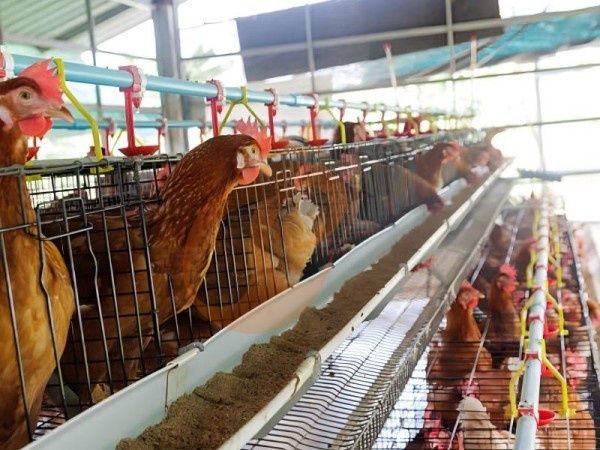
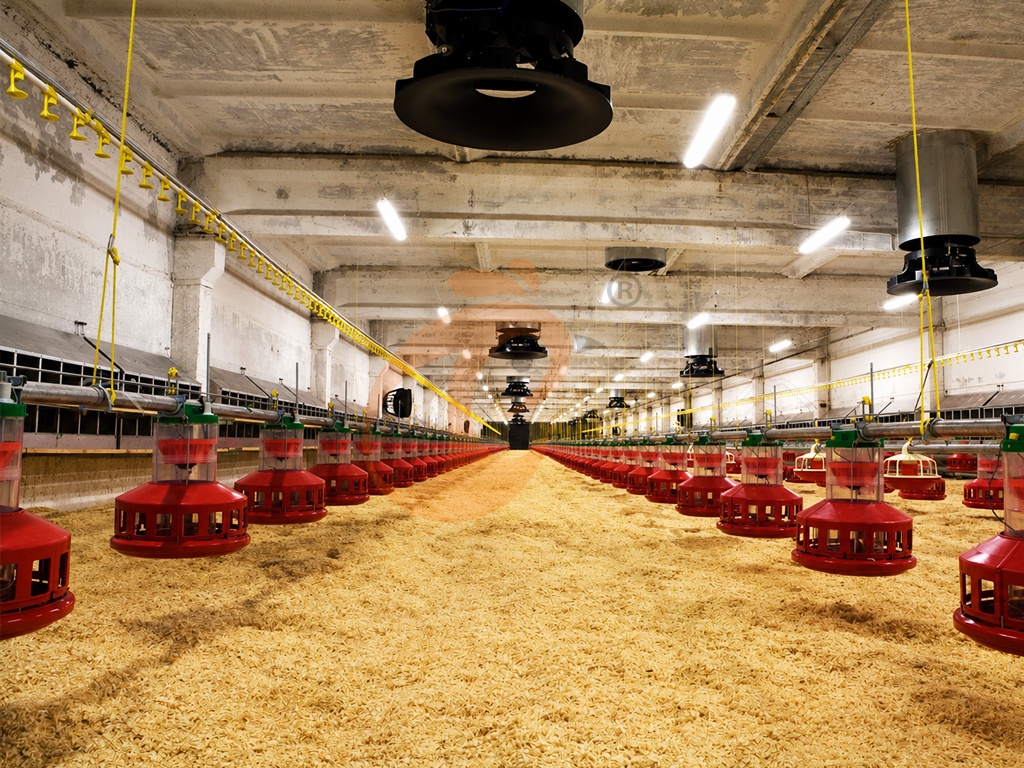
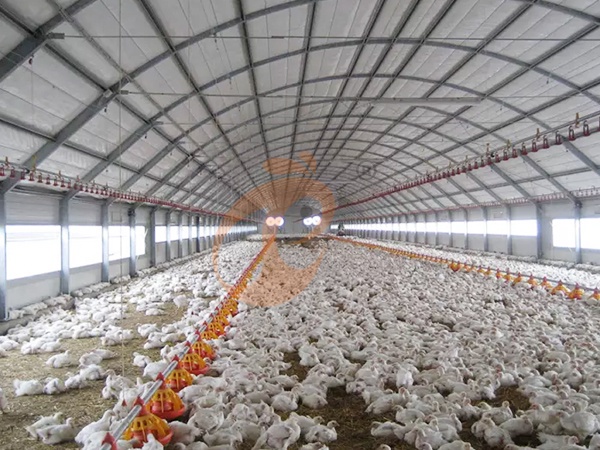
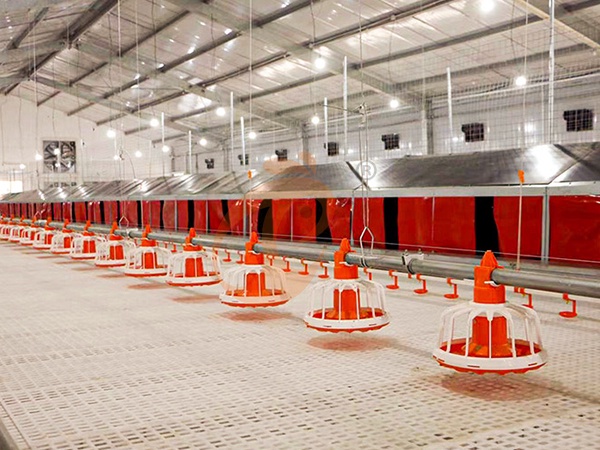
Nipple drinking systems operate as closed hydraulic distribution infrastructure in poultry houses.
Water release is triggered by mechanical pin displacement under bird peck force.
System performance depends on pressure stability, pipeline slope, and density per m².
Data is for reference only.Swipe horizontally to view full table.
Water pressure stability is maintained at 18–35 cm water column for consistent activation behavior.
Pipe slope deviation above 2 cm per 10 m reduces hydraulic uniformity.
Market Price Structure Of Nipple Drinkers
Nipple drinkers price is determined by SS304 grade, valve machining tolerance, and hydraulic response calibration accuracy.
System cost is calculated based on nipple density per m and total house geometry length.
Poultry cage integration affects pipe routing density and regulator layout.
Data is for reference only.Swipe horizontally to view full table.
European union material standard reference applies to corrosion resistance validation only.
Total cost is driven by nipple density per m² and house layout geometry.
Water Line Design And Installation Engineering
Installation geometry defines hydraulic uniformity and pressure gradient stability across poultry houses.
Nipple drinkers price efficiency depends on pressure loss per meter and pipe leveling accuracy.
House structure must maintain consistent slope and suspension height across all zones.
Data is for reference only.Swipe horizontally to view full table.
Pipe deflection above 3 mm per m causes uneven flow distribution in long houses.
Frame rigidity directly affects long-term system calibration stability.
Maintenance Workflow And Operational Scheduling
Maintenance cycles are defined by hydraulic cleanliness, microbial load control, and valve response stability.
Poultry farm equipment performance declines when sediment thickness exceeds 0.3 mm inside pipelines.
Nipple drinkers price efficiency depends on stable calibration over repeated production cycles.
Data is for reference only.Swipe horizontally to view full table.
European union hygiene reference applies to disinfectant calibration method only.
Cleaning delay above 48 hours increases bacterial adhesion rate in pipelines.
Water Consumption And System Efficiency Metrics
Water intake stability directly affects Feed Conversion Ratio (FCR) and litter moisture index.
Nipple drinkers price value is based on water loss reduction %.
Hydraulic stability determines flock drinking synchronization.
Data is for reference only.Swipe horizontally to view full table.
European union FCR benchmark applies to standardized poultry performance modeling.
Litter moisture above 28% increases ammonia emission concentration in closed houses.
Disease Control And Biosecurity Engineering
Closed nipple systems eliminate open water exposure and reduce contamination interfaces.
Nipple drinkers price advantage is linked to reduced microbial growth surfaces.
System design reduces bird contact with stagnant water zones.
Data is for reference only.Swipe horizontally to view full table.
European union microbial sampling reference applies to lab calibration only.
Biofilm above 0.5 mm increases flushing frequency requirement.
Equipment Durability And Replacement Cycle Analysis
Service life depends on water hardness, particulate load, and spring fatigue rate.
Nipple drinkers price lifecycle model is based on flock cycle count.
PVC deformation occurs under long-term pressure instability.
Data is for reference only.Swipe horizontally to view full table.
European union fatigue reference applies to durability classification only.
Hydraulic instability accelerates valve degradation rate.
Return On Investment Analysis For Poultry Farm Equipment Investment
Return is driven by water saving, labor reduction, and mortality control efficiency.
Nipple drinkers price recovery depends on flock density and market volatility.
System integration reduces operational variance across cycles.
For a 10,000-bird house, savings include water reduction 18–35 USD per cycle.
Labor savings contribute 25–70 USD per cycle.
Mortality reduction benefit contributes 40–120 USD per cycle.
Practical Tips For Poultry Farms
Adjust nipple height every 7–10 days during growth cycle.
Maintain 20–30 cm water column pressure stability.
Install dual-stage filtration before system entry.
Flush pipelines every 3–5 days during production.
Divide house into zones for activation sampling.
Frequently Asked Questions
Q1: What determines nipple drinkers price in poultry farms?
Pricing depends on valve grade, hydraulic precision, and density per m².
System length and layout geometry also affect total cost.
Q2: How often should poultry farm equipment be maintained?
Flushing occurs every 3–5 days with sanitation between batches.
Hydraulic stability depends on strict interval control.
Q3: Are nipple drinkers suitable for poultry cage systems?
Yes, when pressure and height calibration are properly controlled.
Cage structure defines routing density and spacing.
Taiyu (HK) Group - One Of China Biggest Nipple Drinkers Manufacturer
Nipple drinkers system provides efficient poultry water supply solutions designed for stable hydraulic pressure control and consistent flock hydration performance in modern poultry farming operations.
Global factory direct supply ensures cost efficiency, stable delivery, and reliable access to poultry equipment for international poultry farm projects.
Integrated poultry cage systems support high-density production with optimized water line routing and durable long-term structural performance.
Turn-key engineering solutions include full farm planning, installation guidance, and complete system integration for automated poultry housing projects.
Taiyu delivers scalable manufacturing capacity, export support, and customized system design for global poultry production and farm expansion needs.
Contact Us To Received Your Customized Poultry Farm Plan
Headquarters And Branchs

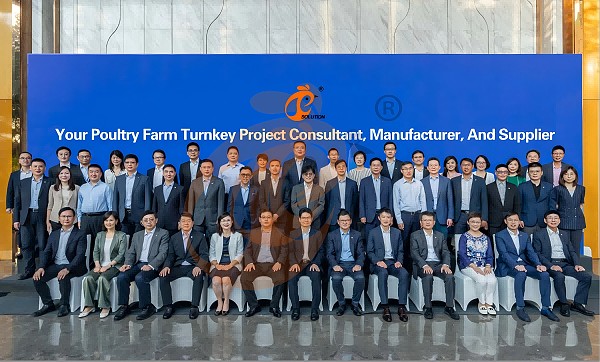
Hong Kong Headquarter Management Team
Hong Kong Headquarter Taiyu Industrial Group CO., LTD
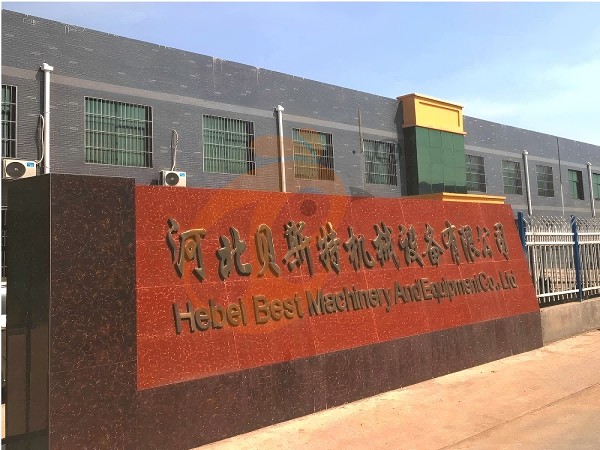
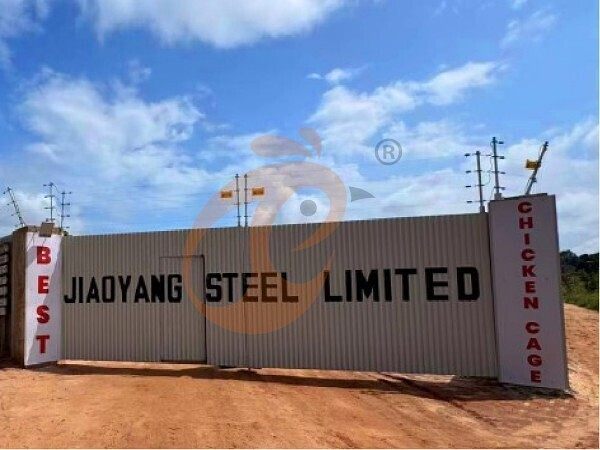
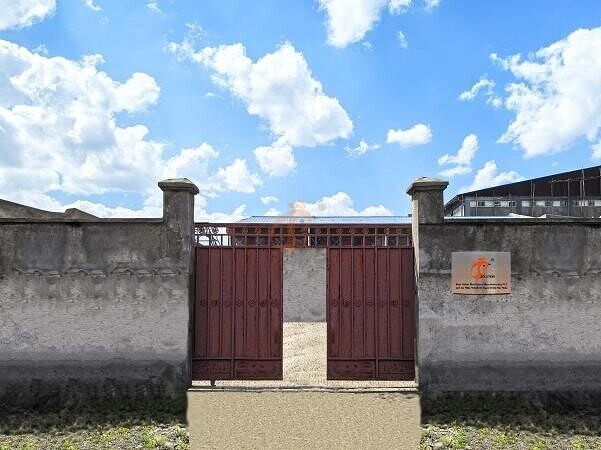
China Hebei Best Machinery And Equipment CO., LTD
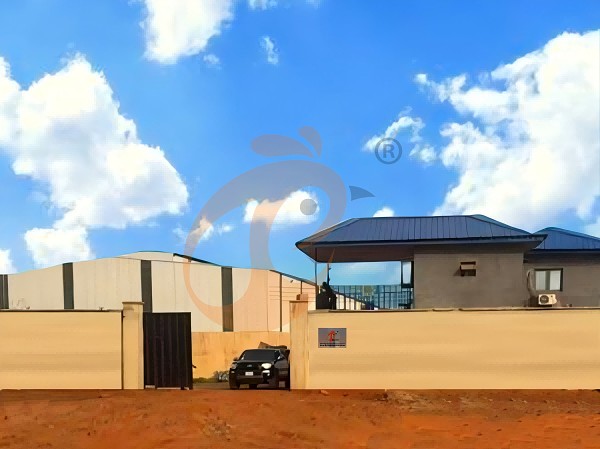
Nigeria Vanke Machinery And Equipment CO., LTD
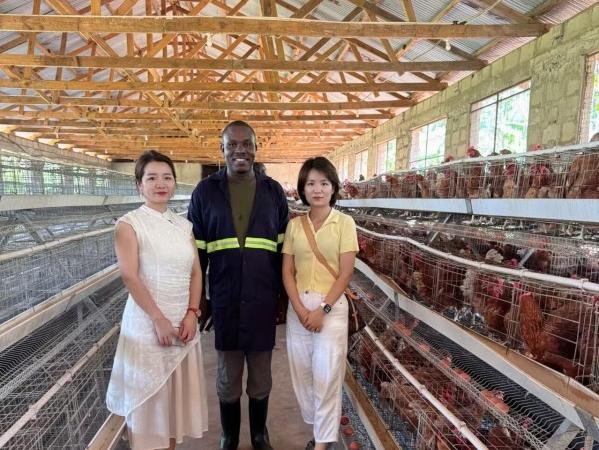
Tanzania Best Machinery And Equipment CO., LTD
Ethiopia Best Hebei Machinery Manufacturing PLC
Reception /24 WhatsApp NO. : +8618830120193
PRODUCTS RECOMMENDED
 China Branch Manufacture Poultry Farm EquipmentRead More
 Ethiopia Branch Manufacture Poultry Farm EquipmentRead More
 Nigeria Branch Manufacture Poultry Farm EquipmentRead More
 Tanzania Branch Manufacture Poultry Farm EquipmentRead More
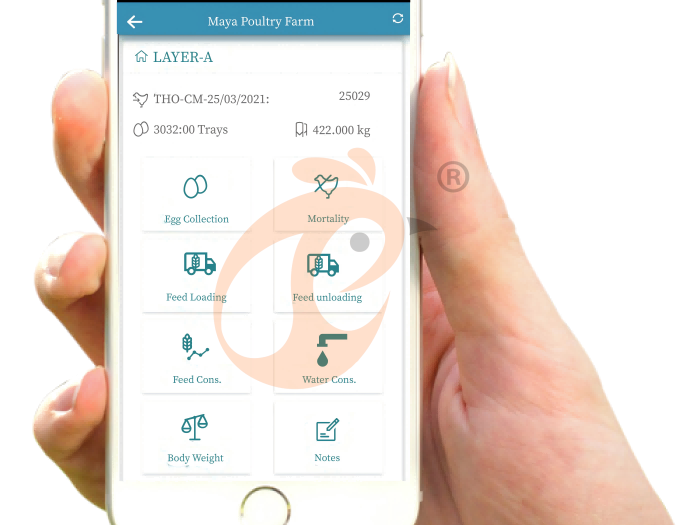
 IoT Smart Poultry FarmRead More
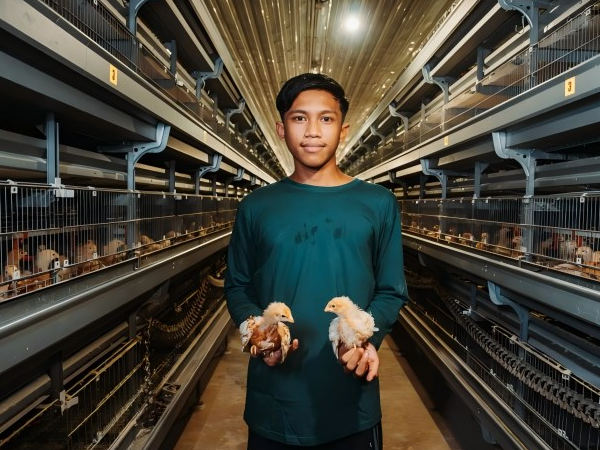
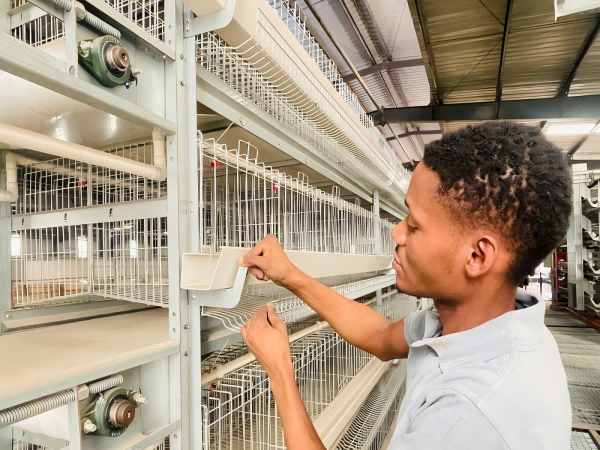
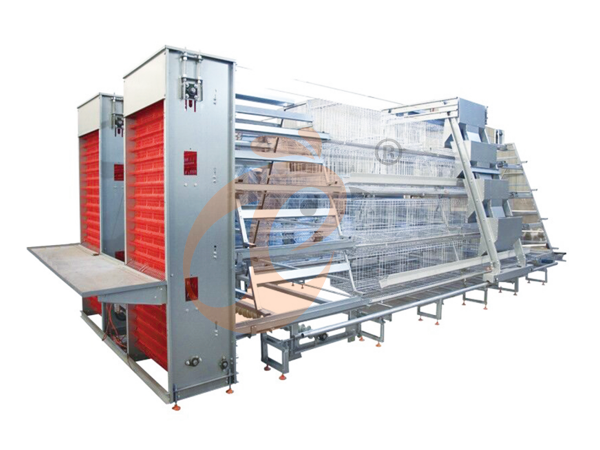
 >30,000 Layers Automatic H Type Battery CageRead More
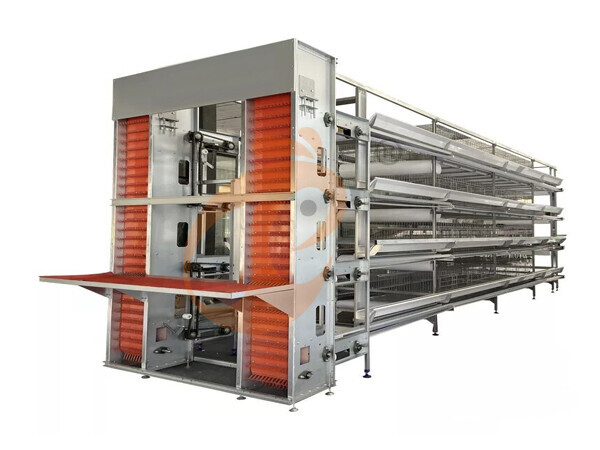
 10,000 - 30,000 Layers Automatic A Type Battery CageRead More

MESSAGE
NEWS
 What Makes A Factory-Direct A Type Chicken Battery Cage More Cost-Effective? 4 ReasonsRead More
 Deep Litter System For Broilers Vs Cage | Which Is More Profitable?Read More
 Free Range Broiler System Vs Intensive Farming | Which Is More Profitable?Read More
 Broiler Floor Rearing System Cost | 6 Factors Affecting PriceRead More