

BLOG
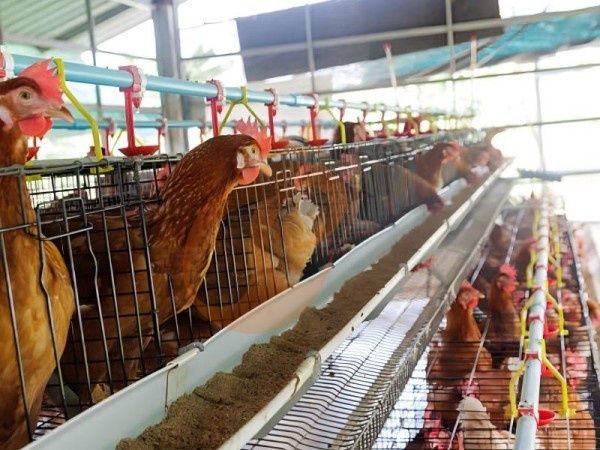
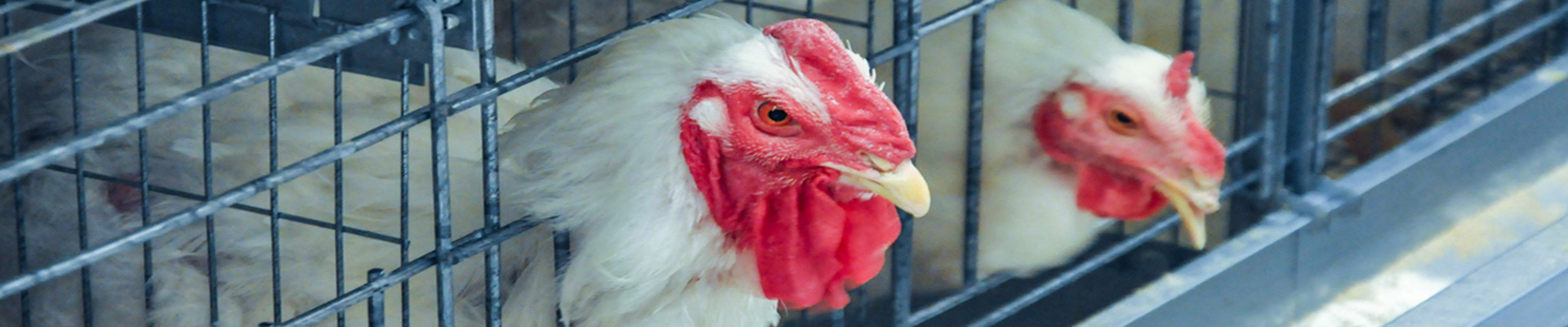
Nigeria battery cage for broiler offers scalable, profitable broiler production in modern farms.
Nigeria battery cage for broiler enables high stocking density while reducing labor and feed costs.
Nigeria battery cage for broiler improves bird welfare under controlled environmental and sanitary conditions.
Nigeria battery cage for broiler supports integration of smart farm systems for better monitoring and management.
Benefits Of Density
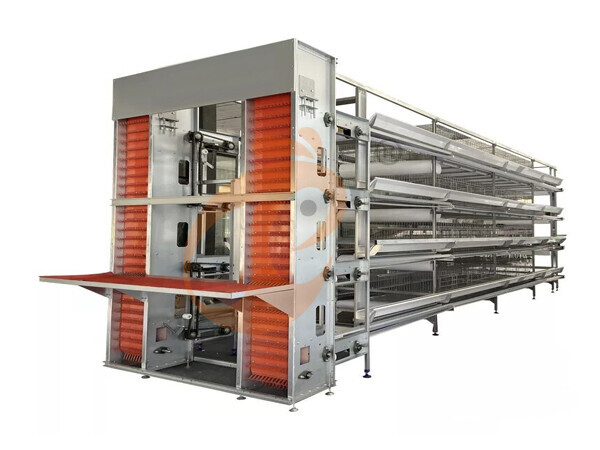
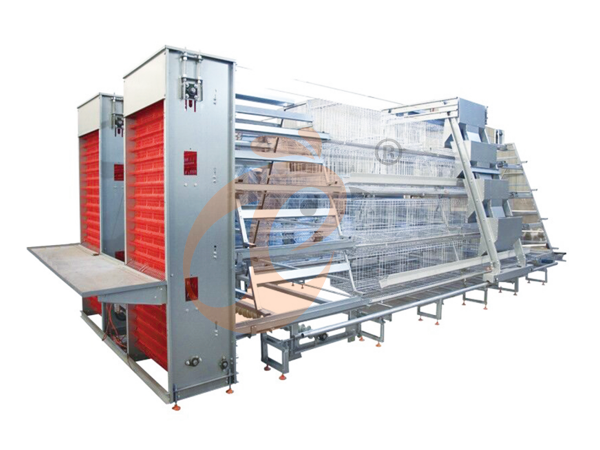
Using H‑type configuration in a Nigeria battery cage for broiler operation significantly increases stocking density while maintaining acceptable welfare standards.
The vertical arrangement allows farmers to accommodate more broilers per square meter without expanding the footprint.
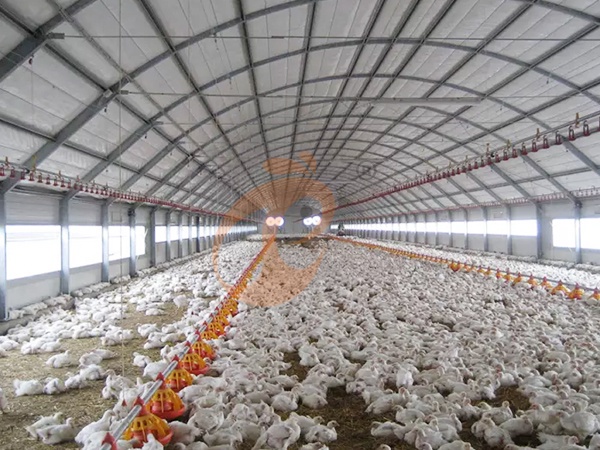
This density benefit helps meet high market demand with limited land — a common challenge for broiler farms in Nigeria.
It also decreases per‑bird infrastructure cost when scaled across thousands of birds.
Data is for reference only. Swipe horizontally to view full table.
H‑type achieves roughly 50% higher bird density than conventional floor systems while reducing labor requirements.
That density gain means less floor area per bird and more efficient farm footprint — critical for broiler demand surges in Nigeria markets.
Feed And Water Efficiency
A Nigeria battery cage for broiler equipped with regulated feeders and nipple‑drinkers reduces feed and water wastage compared to open-floor or manual systems.
Since feed is confined and water supply is controlled, birds cannot scatter feed or spill water as often.
This efficiency translates into lower per-bird consumption and cost savings.
Data is for reference only. Swipe horizontally to view full table.
By adopting H‑type cages in Nigeria battery cage for broiler farms, feed wastage declines by around 28%, and water wastage drops significantly.
Reduced feed and water usage cut recurring costs and help manage farm profitability even when input prices fluctuate.
Environmental Control
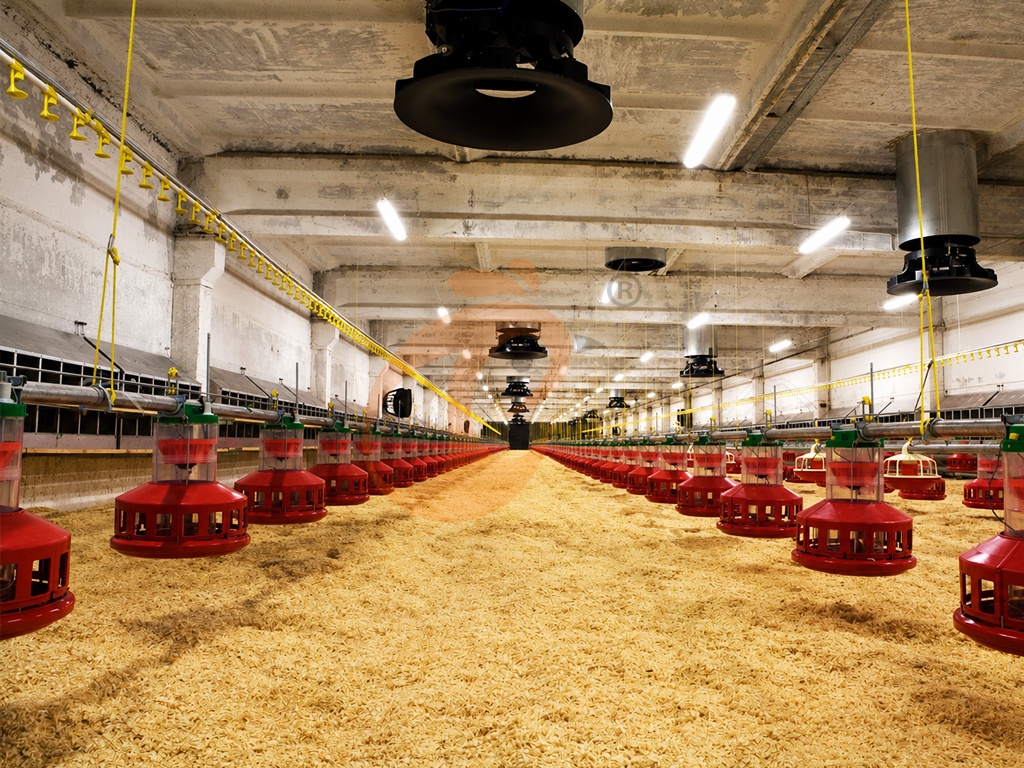
Maintaining optimal temperature and humidity is vital when using Nigeria battery cage for broiler in hot climates.
H‑type cages support better airflow due to tiered layout, reducing heat stress.
They also simplify manure removal with belt or conveyor systems — lowering ammonia and humidity levels in the house.
Controlled environment reduces disease pressure and enhances bird welfare, crucial when many birds share confined space.
Data is for reference only. Swipe horizontally to view full table.
Improved ventilation and timely manure removal in Nigeria battery cage for broiler operations help keep humidity and pathogenic load at manageable levels.
Healthier environmental conditions directly support lower mortality rates and better daily weight gain.
Growth Stage Management
Effective broiler care requires adapting management practices for different growth stages.
A Nigeria battery cage for broiler farm using H‑Type cages allows flexible compartmentalization to match the needs of each stage.
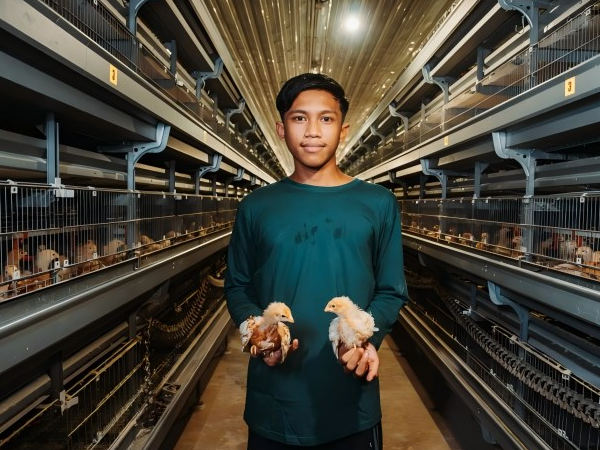
Chick phase (0–3 weeks):
Smaller compartments in lower tiers help maintain stable temperature and reduce competition for feed.
Movable heat lamps or heating pads can be installed to provide localized warmth.
Close monitoring ensures uniform early growth and lower mortality.
Grower/finisher phase (3–7 weeks):
Birds are transferred to larger compartments within the same H‑type cage.
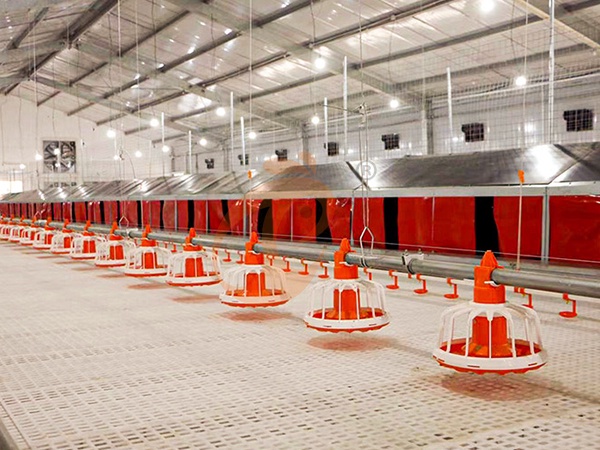
Automatic feeders and nipple-drinkers support consistent nutrition and water access.
Structured tier management prevents overcrowding, promotes uniform weight gain, and simplifies daily monitoring.
This stage-wise management ensures birds achieve target daily weight gain while maintaining welfare standards in high-density Nigeria battery cage for broiler operations.
Data is for reference only. Swipe horizontally to view full table.
IoT And Smart Farm Integration
Modern Nigeria battery cage for broiler farms increasingly adopt IoT (Internet of Things) and smart control systems to monitor environmental conditions, feed/water delivery, and bird health.
Data is for reference only. Swipe horizontally to view full table.
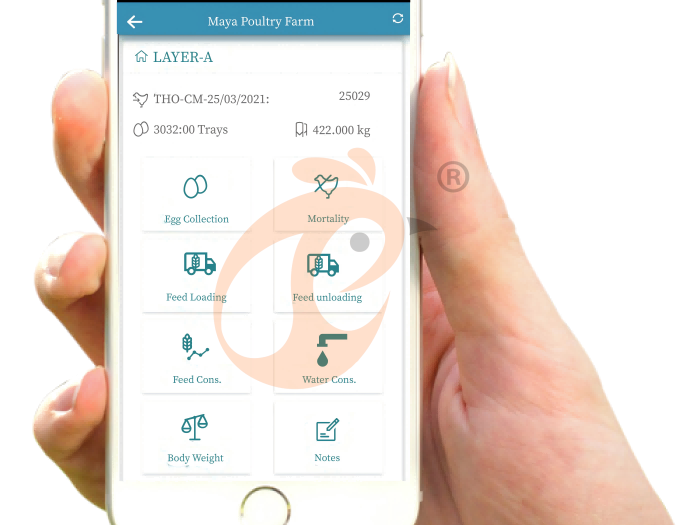
Sensors feed data to a centralized control panel or mobile app.
Automated alerts notify managers when values exceed thresholds.
Smart systems adjust fans, heaters, and water pumps automatically.
Integration reduces manual labor, ensures consistency, and supports large-scale farms operating thousands of birds.
Farm Case Study Example
On a medium‑scale farm outside Lagos, operators installed a Nigeria battery cage for broiler H‑type system housing 20,000 birds.
Tiers divided for chicks, growers, and finishers to optimize growth at each stage.
Manure belts simplified cleaning and reduced labor workload.
After six production cycles:
Feed savings: ₦1,250,000
Labor hour reduction: 35%
Mortality rate: 4.9%
Average daily gain: 55–60 g/day
Feed conversion ratio improved compared to previous floor‑system operations
Smart control panel monitored temperature and humidity in real-time.
Alerts for water dripper blockages and ammonia spikes ensured timely corrective actions.
Result: higher throughput, lower cost per bird, and more consistent batch quality.
Manure Management And Fertilizer Value
Proper waste handling can turn a Nigeria battery cage for broiler farm from a sanitation challenge into an additional revenue stream.
When manure from H‑type cages is collected via manure belts, it is drier and cleaner — making it ideal for composting or direct use as organic fertilizer.
This approach reduces disposal costs and helps recoup part of operational expenses.
Data is for reference only. Swipe horizontally to view full table.
With H‑type cages under a Nigeria battery cage for broiler setup, a 1000‑bird flock over a typical 42‑day cycle can generate roughly 2.2 metric tons of usable dry fertilizer after composting.
That fertilizer, sold at ₦30 per kilogram, can bring in about ₦66,000 — supplementing farm income and offsetting part of feed or labor cost.
Compared with floor‑reared birds, manure from H‑type cages is easier to handle and yields more usable fertilizer, reducing disposal cost and environmental burden.
Frequently Asked Questions
What does Nigeria battery cage for broiler mean for small‑scale farmers?
It means small or mid‑size farmers can implement compact, efficient broiler production without large land needs.
H‑type cages allow scaling up within existing infrastructure.
Can birds grow normally in high‑density cage systems?
Yes. With proper feed, water, ventilation and stage-wise management, birds in Nigeria battery cage for broiler systems show comparable weight gain and health to floor‑reared broilers.
Is maintenance difficult for H‑type cage farms?
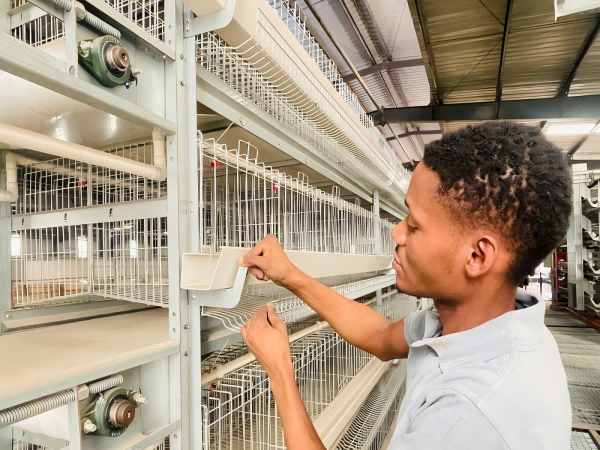
Routine cleaning, feed refilling, and monitoring are simplified with manure belts, automated feeders, and drinkers.
Integration with smart controls further reduces manual oversight.
HB BEST - One Of China Most Famous Nigeria Battery Cage For Broiler Exporter
HB BEST is a trusted partner in providing high-quality H‑type cages and complete Nigeria battery cage for broiler systems.
Our company offers professional design, durable equipment, and full after-sales support to ensure smooth farm operations.
Complete solutions: Full cage sets, feeders, drinkers, and smart control integration for Nigeria battery cage for broiler farms.
Custom layouts: Tailored farm designs for optimal density, feed efficiency, and environmental control.
Reliable service: Installation guidance, maintenance training, and 24/7 technical support for all farm sizes.
Interactive consultation: Contact us for batch optimization, smart farm integration advice, and cost-saving recommendations.
Choose HB BEST to boost farm productivity, reduce labor and feed wastage, and maximize broiler output with consistent quality.
Contact Us To Received Your Customized Poultry Farm Plan
Headquarters And Branchs

Hong Kong Headquarter Management Team
Hong Kong Headquarter Taiyu Industrial Group CO., LTD
China Hebei Best Machinery And Equipment CO., LTD
Nigeria Vanke Machinery And Equipment CO., LTD
Tanzania Best Machinery And Equipment CO., LTD
Ethiopia Best Hebei Machinery Manufacturing PLC




Reception /24 WhatsApp NO. : +8618830120193
PRODUCTS RECOMMENDED
 China Branch Manufacture Poultry Farm EquipmentRead More
 Ethiopia Branch Manufacture Poultry Farm EquipmentRead More
 Nigeria Branch Manufacture Poultry Farm EquipmentRead More
 Tanzania Branch Manufacture Poultry Farm EquipmentRead More
 IoT Smart Poultry FarmRead More
 >30,000 Layers Automatic H Type Battery CageRead More
 10,000 - 30,000 Layers Automatic A Type Battery CageRead More
MESSAGE
NEWS
 What Makes A Factory-Direct A Type Chicken Battery Cage More Cost-Effective? 4 ReasonsRead More
 Deep Litter System For Broilers Vs Cage | Which Is More Profitable?Read More
 Free Range Broiler System Vs Intensive Farming | Which Is More Profitable?Read More
 Broiler Floor Rearing System Cost | 6 Factors Affecting PriceRead More