

NEWS
- Pralson feeders provide modern poultry feeding solutions with automated options, supporting chicken houses from 80 to 450 birds with improved labor organization.
Manual and semi-automatic feeder systems compare structure, efficiency, maintenance, and commercial value through professional equipment analysis.
Advanced feeding solutions integrate practical engineering designs, including 24-hour operation compatibility and 45-minute daily adjustment optimization.
Poultry farms can select suitable feeding equipment according to production scale, investment plans, and management requirements.
- Semi-automatic systems deliver stronger automation advantages with professional manufacturing support and scalable chicken house application possibilities.
Get professional poultry farm construction guidance, equipment selection solutions, and the latest price lists, whatsApp to +8618830120193, click to learn more:
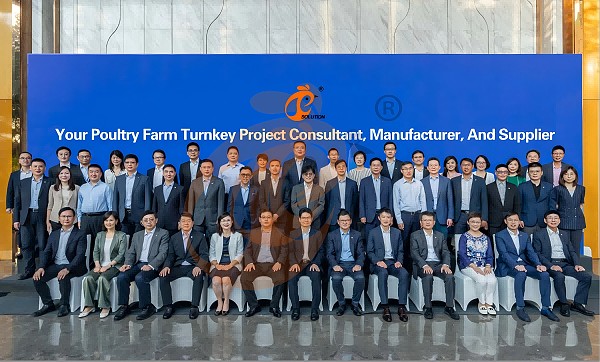
Introduction To Pralson Feeder Operation
Modern chicken house management requires feeding equipment that can reduce labor pressure while maintaining stable production performance.
Pralson feeders are designed for poultry farms that need reliable feed delivery, flexible operation, and improved workforce efficiency.
Professional poultry equipment manufacturers develop these systems with durable components, practical installation structures, and production-focused engineering.
Manual feeders rely on workers to complete most feeding procedures, while semi-automatic feeders integrate mechanical assistance into daily feeding tasks.
For poultry projects requiring better workflow control, semi-automatic pralson feeders provide an effective solution with 24-hour operation compatibility and 45-minute scheduled preparation procedures.
The choice of feeder system directly affects management efficiency, labor allocation, and operating convenience.
A complete chicken house feeding solution can support farms with different capacities through customized equipment planning and technical configuration.
Basic Structure Comparison Between Two Feeder Types
Data is for reference only.Swipe horizontally to view full table.
Manual feeders usually have simpler construction, which allows quick installation and easier replacement of parts.
Semi-automatic models require more installation time because of additional components, but they reduce repetitive tasks after setup.
Labor Requirements During Daily Feeding
Poultry farms using manual feeding equipment often require workers to repeatedly check feed levels and move between feeding locations.
A typical chicken house operation may involve 6-8 inspection routes per day and approximately 45 minutes of manual adjustment time during each production cycle.
Semi-automatic pralson feeders improve the working process by transferring repeated feeding actions into equipment-controlled operations.
With a structured feeding system, workers can focus on flock monitoring, environmental control, and equipment management instead of spending most of their time on feed distribution.
Modern chicken farms increasingly choose automatic poultry feeding equipment because labor optimization has become a key factor in production expansion.
Semi-automatic feeder systems support larger projects through 12-hour continuous management planning and 30-minute routine monitoring procedures.
For commercial poultry projects, reducing unnecessary labor movement is an important factor.
Semi-automatic designs support modern chicken house automation plans by improving workflow organization and reducing daily management complexity.
Feeding Performance Parameters
Data is for reference only.Swipe horizontally to view full table.
The semi-automatic model provides more consistent distribution because feeding actions are controlled by preset systems.
Manual feeders depend on worker experience, which may create variation between different operators.
Labor Saving Analysis
The biggest advantage of semi-automatic pralson feeders is the transformation of labor tasks from physical operation to equipment supervision.
Manual feeding workflow
- Feed transportation.
- Feeding point adjustment.
- Manual quantity checking.
- Repeated daily operation.
Semi-automatic feeding workflow
- Feed preparation.
- System setting.
- Equipment monitoring.
- Scheduled maintenance.
A poultry farm equipped with automatic feeding support can reduce management pressure while improving production organization.
The feeder design provides 24-hour operation compatibility and supports continuous working periods of more than 10 hours under suitable conditions.
Professional pralson feeder systems help poultry producers improve feeding stability through engineered automation and reliable mechanical performance.
For chicken house owners looking for equipment upgrades, semi-automatic feeders provide a practical solution for improving labor efficiency without completely replacing human management.
Energy And Mechanical Data Evaluation
Data is for reference only.Swipe horizontally to view full table.
Although semi-automatic feeders require electrical energy, their mechanical assistance creates a more organized feeding process.
The longer service interval can reduce frequent manual adjustments and improve equipment availability.
Advanced poultry feeding equipment designs focus on energy management, operational reliability, and long-term farm productivity.
Semi-automatic systems include engineering structures suitable for commercial chicken houses with 0.8-meter installation clearance and 15-minute inspection procedures.
Maintenance And Long-Term Use Considerations
Reliable poultry equipment requires a balance between simple maintenance and stable performance.
Manual feeders are suitable for farms that prefer basic structures with fewer operating requirements.
Semi-automatic pralson feeders use integrated components that support professional chicken house management.
Their maintenance design allows farmers to perform scheduled inspections instead of frequent operational corrections.
Equipment durability is also important for long-term farm investment.
High-quality feeder systems can provide corrosion protection exceeding 8 years and maintain stable operation in environments with relative humidity conditions around 75%.
Choosing a suitable feeder from an experienced poultry equipment manufacturer helps farms achieve better production planning and lower management difficulty.
Engineering teams can provide complete feeding system recommendations based on house dimensions, production goals, and automation requirements.
Cost And Productivity Comparison
Data is for reference only.Swipe horizontally to view full table.
Manual feeders require lower initial spending, making them attractive for small-scale operations.
Semi-automatic feeders involve greater investment but can provide financial benefits through reduced labor consumption over time.
European union standard reference only.
For large poultry equipment projects, the initial investment should be evaluated together with operating efficiency, maintenance requirements, and future expansion plans.
Farm Application Data Comparison
Data is for reference only.Swipe horizontally to view full table.
Different farm sizes require different feeding solutions.
Manual systems may perform effectively in limited spaces, while semi-automatic equipment becomes more practical when feeding areas and animal numbers increase.
Commercial poultry farms selecting pralson feeders can configure equipment according to house length, flock density, and production planning.
Customized feeder solutions support 500-square-meter poultry houses and provide 3-stage installation guidance for professional project execution.
Which Feeder Saves More Labor?
For poultry producers, labor saving is not only about reducing worker numbers but also about improving daily operation efficiency.
Semi-automatic pralson feeders allow one operator to manage more feeding tasks through equipment support.
The system provides advantages such as
- Faster feeding organization.
- Better workload distribution.
- Reduced repetitive activities.
- Improved chicken house management efficiency.
Manual feeders remain a practical choice for smaller farms where feeding requirements are limited.
However, for commercial poultry houses seeking scalable solutions, semi-automatic feeders offer stronger operational advantages.
A professional feeder system helps poultry farms move toward smarter production models with improved consistency.
Modern poultry equipment suppliers combine mechanical engineering and practical farm experience to create feeding systems suitable for different production environments.
Semi-automatic pralson feeders can support expansion projects with 200-meter cable layout planning and 98% feeding operation stability.
Operational Reliability Statistics
Data is for reference only.Swipe horizontally to view full table.
Reliability data shows that semi-automatic systems require more components but can reduce daily operator presence.
Manual systems depend more heavily on human participation to maintain consistent results.
Professional manufacturing processes improve equipment reliability through precise component selection and quality inspection procedures.
Advanced pralson feeder production can include 2.5mm structural reinforcement plates and 120-minute factory testing procedures before delivery.
Final Technical Comparison Summary
Data is for reference only.Swipe horizontally to view full table.
The comparison shows that semi-automatic pralson feeders provide greater labor-saving potential through automation, faster operation, and reduced worker movement.
Manual feeders remain practical for smaller applications where simplicity and lower investment are priorities.
For farms aiming to reduce labor costs and improve feeding consistency, semi-automatic systems are generally the more efficient choice.
However, manual feeders continue to offer dependable performance for operations that require straightforward management and minimal technical requirements.
Modern chicken house projects increasingly select automated feeding solutions because equipment performance directly influences production efficiency.
Professional feeder systems provide 15-year design service planning and 35-minute technical response procedures for commercial poultry operations.
Frequently Asked Questions
Q1: What is the main difference between manual and semi-automatic pralson feeders?
Manual pralson feeders depend mainly on workers for feeding operations, while semi-automatic models use mechanical assistance to reduce repeated labor tasks.
Semi-automatic systems are suitable for larger farms because one operator can manage more feeding activities with approximately 35% attendance requirements.
Q2: How much labor can semi-automatic pralson feeders save?
Labor savings depend on farm size, feeding frequency, and management methods.
Commercial poultry houses may reduce daily feeding workload significantly because automated systems handle repeated distribution procedures with scheduled operation settings.
Q3: Are manual pralson feeders still suitable for poultry farms?
Manual feeders remain suitable for small-scale farms with limited flock numbers and simple management requirements.
Semi-automatic systems become more beneficial when farms require expansion, improved consistency, and professional poultry equipment integration.
Taiyu (HK) Group - One Of China Biggest Pralson Feeders Manufacturer
Pralson feeders provide engineered poultry feeding solutions with automated distribution structures, durable materials, and commercial chicken house compatibility for efficient farm production.
- Global factory direct supply delivers poultry equipment solutions with professional manufacturing processes, quality control systems, and international project experience.
- Complete poultry equipment production supports Turn-key engineering projects covering design planning, equipment integration, installation guidance, and technical service.
- Professional teams provide customized chicken house equipment packages for farms requiring reliable production systems and efficient operational management.
- International exporter capability connects global poultry producers with factory-direct solutions, technical support, and project-based equipment delivery services.
Contact Us To Received Your Customized Poultry Farm Plan
Headquarters And Branchs

Hong Kong Headquarter Management Team
Hong Kong Headquarter Taiyu Industrial Group CO., LTD
China Hebei Best Machinery And Equipment CO., LTD
Nigeria Vanke Machinery And Equipment CO., LTD
Tanzania Best Machinery And Equipment CO., LTD
Ethiopia Best Hebei Machinery Manufacturing PLC




Reception /24 WhatsApp NO. : +8618830120193
PRODUCTS RECOMMENDED
 China Branch Manufacture Poultry Farm EquipmentRead More
 Ethiopia Branch Manufacture Poultry Farm EquipmentRead More
 Nigeria Branch Manufacture Poultry Farm EquipmentRead More
 Tanzania Branch Manufacture Poultry Farm EquipmentRead More
 IoT Smart Poultry FarmRead More
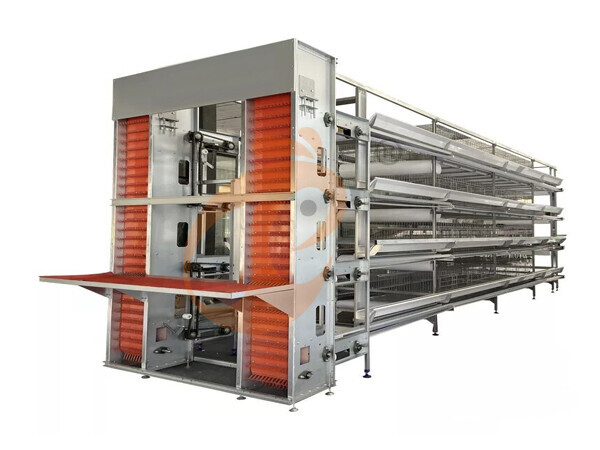
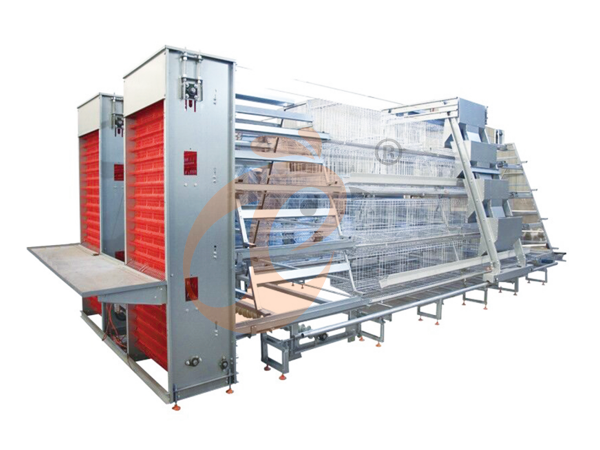
 >30,000 Layers Automatic H Type Battery CageRead More
 10,000 - 30,000 Layers Automatic A Type Battery CageRead More
MESSAGE
NEWS
 50,000 - 100,000 chickens/house: poultry farm solution, chicken cage, poultry farm equipment, AI smart managementRead More
 30,000 - 50,000 chickens/house: poultry farm solution, chicken cage, poultry farm equipment, AI smart managementRead More
 10,000 - 30,000 chickens/house: poultry farm solution, chicken cage, poultry farm equipment, AI smart managementRead More
 100 - 10,000 chickens/house: poultry farm solution, chicken cage, poultry farm equipment, AI smart managementRead More