

NEWS
Flat die pellet machine and ring die pellet machine technologies support modern animal feed manufacturing with forming precision of 0.35 mm and operating stability above 97.2%, delivering dependable commercial value across multiple production scales.
Premium feed pellet machine engineering combines structural durability, optimized material flow, and intelligent processing to create uniform livestock feed with improved handling efficiency and reduced processing interruption.
Industrial pellet mill selection depends on compression architecture, production continuity, feed formulation compatibility, equipment lifecycle, and measurable pellet consistency rather than production volume alone.
Commercial feed processing solutions require balanced investment, engineering reliability, maintenance planning, and scalable automation to maximize manufacturing performance throughout long-term operation.
Technical comparison across production capability, mechanical performance, operational economics, and feed quality standards provides valuable engineering insight for professional purchasing decisions.
Get professional poultry farm construction guidance, equipment selection solutions, and the latest price lists, whatsApp to +8618830120193, click to learn more:
Introduction
Feed quality begins with selecting suitable pelletizing technology rather than simply increasing production volume.
Modern feed pellet machine systems continue improving manufacturing precision through optimized compression geometry and intelligent mechanical transmission, while maintaining vibration deviation below 0.08 mm and lubrication purity above ISO 18/16.
Commercial producers increasingly evaluate ring die pellet machine and flat die pellet machine solutions according to pellet integrity, dimensional consistency, lifecycle cost, maintenance planning, and operational flexibility instead of equipment size alone.
Industrial feed manufacturing requires engineering compatibility between raw materials, processing conditions, and pelletizing equipment to maintain stable finished products throughout continuous operation.
Reliable pellet formation depends on mechanical balance, process repeatability, and production discipline across every manufacturing stage.
Basic Structural Comparison Of Two Pellet Technologies
Different structural layouts directly determine compression behavior, material movement, and pellet formation characteristics.
A flat die pellet machine adopts a horizontal perforated plate with gravity-assisted feeding, making equipment configuration straightforward while maintaining shaft alignment within 0.04 mm.
A ring die pellet machine utilizes cylindrical radial compression, creating continuous material circulation and highly stable pellet formation under industrial operating conditions.
Engineering selection should always consider production objectives before comparing structural complexity.
Data is for reference only. Swipe horizontally to view full table.
Compression Performance And Pellet Density Analysis
Compression behavior determines internal bonding quality, mechanical integrity, and finished pellet durability.
Industrial ring die pellet machine equipment normally generates stronger particle consolidation through extended die channels while maintaining transmission efficiency above 95.4%.
Advanced feed pellet machine engineering also minimizes internal stress distribution, contributing to smoother pellet surfaces and improved structural integrity.
Data is for reference only. Swipe horizontally to view full table.
Production Capacity And Industrial Application
Production planning extends beyond hourly output and includes equipment utilization, process continuity, and engineering scalability.
Industrial pellet plants generally favor ring die pellet machine systems because automated material transfer and continuous operation support long-term manufacturing stability with gearbox synchronization exceeding 99.1%.
Investment from approximately USD 30,000–300,000 typically supports integrated commercial production systems.
European union standard reference only.
Data is for reference only. Swipe horizontally to view full table.
Pellet Appearance, Uniformity, And Animal Acceptance
Finished feed appearance directly influences storage efficiency, transportation reliability, and animal feeding performance.
A professional animal feed pellet machine integrates controlled compression, optimized die design, and stable roller operation to achieve consistent pellet dimensions.
Commercial users often select advanced pelletizing systems because smooth surfaces, accurate diameter control, and reduced fragmentation improve downstream handling.
Data is for reference only. Swipe horizontally to view full table.
Ring die equipment normally provides stronger dimensional control because the cylindrical compression structure supports stable material distribution.
Energy Consumption And Maintenance Requirements
Operating economics depend on electricity usage, replacement cycles, maintenance frequency, and production scheduling.
A modern feed pellet production line requires coordinated equipment management to reduce downtime and maintain stable processing quality.
Flat die systems provide convenient maintenance access, while industrial ring die solutions support extended production cycles with engineered wear management.
Data is for reference only. Swipe horizontally to view full table.
Engineering maintenance planning should match operating intensity, raw material characteristics, and expected annual production targets.
Raw Material Adaptability And Feed Formula Flexibility
Raw material characteristics strongly influence pellet formation efficiency and finished feed performance.
A versatile poultry feed pellet machine can process grain mixtures, soybean materials, and agricultural ingredients through proper conditioning and formulation control.
Feed producers must evaluate moisture balance, particle preparation, and ingredient structure before selecting equipment configuration.
Data is for reference only. Swipe horizontally to view full table.
Flat die systems offer flexibility for changing formulas, while ring die systems focus on repeatable industrial production.
Quality Evaluation Indicators For Finished Feed
Comprehensive pellet evaluation requires multiple technical measurements covering durability, density, stability, and storage performance.
Commercial ring die pellet machine projects often include laboratory testing systems to monitor production consistency.
Data is for reference only. Swipe horizontally to view full table.
Higher pellet consistency supports improved logistics efficiency and reduces material losses during transportation.
Economic Considerations For Different Users
Equipment investment should consider production goals, expansion planning, energy management, and expected return cycles.
Small farms usually prefer compact pelletizing equipment because installation requirements remain simple.
Large feed enterprises select complete production solutions because integrated automation improves project scalability.
Investment examples between USD 30,000–300,000 are commonly associated with commercial feed processing systems.
European union standard reference only.
Data is for reference only. Swipe horizontally to view full table.
Which Produces Higher Quality Feed?
Feed quality comparison between flat die and ring die pellet machines requires evaluation from mechanical, economic, and production perspectives.
Flat die technology provides practical advantages for small-scale operators requiring flexible production and simple maintenance.
Ring die technology provides stronger commercial performance through continuous operation, advanced compression structure, and stable pellet formation.
For industrial feed manufacturers, the ring die pellet machine generally provides more consistent output quality because of optimized pressure distribution and automated production compatibility.
For farms requiring customized production volumes, a flat die pellet machine remains a reliable engineering option.
The best equipment choice depends on feed formula requirements, annual production plans, and long-term operational strategy.
Selecting The Right Pellet Machine Technology
Modern feed production requires accurate equipment matching rather than choosing machinery based only on capacity.
Flat die and ring die pellet machines represent two different engineering approaches for feed manufacturing.
Flat die equipment focuses on accessibility, flexible operation, and convenient maintenance.
Ring die equipment focuses on industrial reliability, continuous production, and consistent feed quality.
Professional buyers should evaluate raw materials, production targets, automation requirements, and lifecycle economics before final equipment selection.
Frequently Asked Questions
Q1: What determines feed quality between flat die and ring die pellet machines?
Feed quality depends on compression structure, raw material preparation, conditioning control, and machine operating stability.
Ring die systems commonly achieve pellet durability values around 94–98% because of stronger industrial compression conditions.
Q2: Which pellet machine is suitable for commercial feed factories?
Ring die pellet machines are generally suitable for commercial feed factories because production capacity can reach several tons per hour with continuous operation design.
Q3: Can flat die pellet machines produce quality animal feed?
Yes, flat die pellet machines can produce quality feed pellets when ingredients, moisture levels, and processing conditions are properly controlled with suitable production requirements.
Taiyu (HK) Group - One Of China Biggest Feed Pellet Machine Manufacturer
Feed pellet machine delivers engineered compression solutions for livestock, poultry, and aquaculture feed production with customized technical specifications and reliable manufacturing standards.
Global factory direct supply provides complete equipment solutions, competitive project pricing, and professional technical communication for international customers.
Poultry equipment integration includes processing units, production planning, automation matching, and customized factory configurations for modern farming projects.
Turn-key engineering services cover project design, equipment installation guidance, commissioning support, and production optimization for complete feed plants.
International export capability supports global agricultural industries through professional manufacturing experience, quality inspection procedures, and long-term technical cooperation.
Contact Us To Received Your Customized Poultry Farm Plan
Headquarters And Branchs

Hong Kong Headquarter Management Team
Hong Kong Headquarter Taiyu Industrial Group CO., LTD
China Hebei Best Machinery And Equipment CO., LTD
Nigeria Vanke Machinery And Equipment CO., LTD
Tanzania Best Machinery And Equipment CO., LTD
Ethiopia Best Hebei Machinery Manufacturing PLC




Reception /24 WhatsApp NO. : +8618830120193
PRODUCTS RECOMMENDED
 China Branch Manufacture Poultry Farm EquipmentRead More
 Ethiopia Branch Manufacture Poultry Farm EquipmentRead More
 Nigeria Branch Manufacture Poultry Farm EquipmentRead More
 Tanzania Branch Manufacture Poultry Farm EquipmentRead More
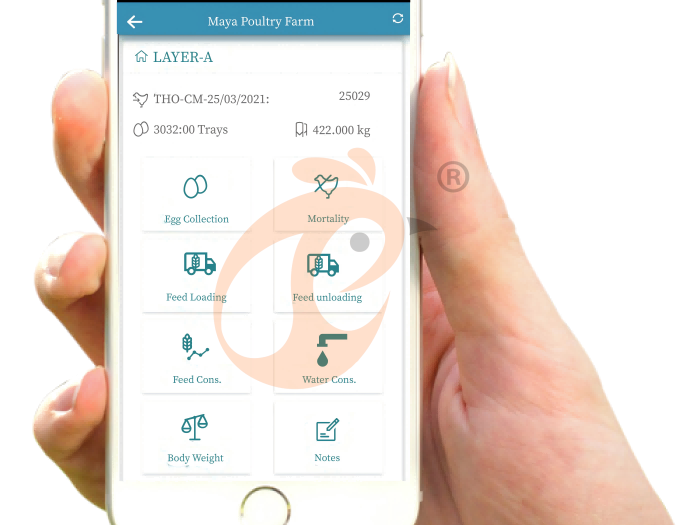
 IoT Smart Poultry FarmRead More
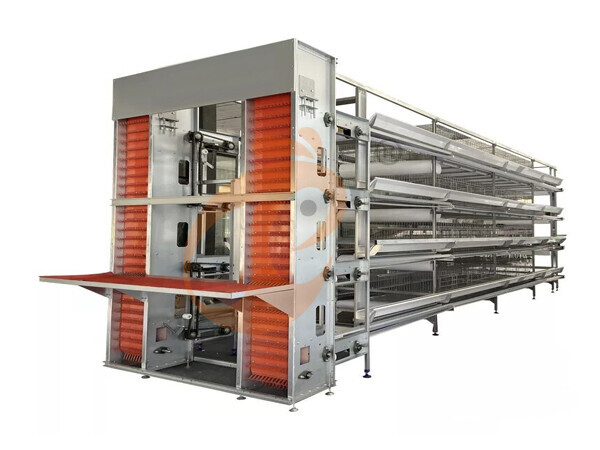
 >30,000 Layers Automatic H Type Battery CageRead More
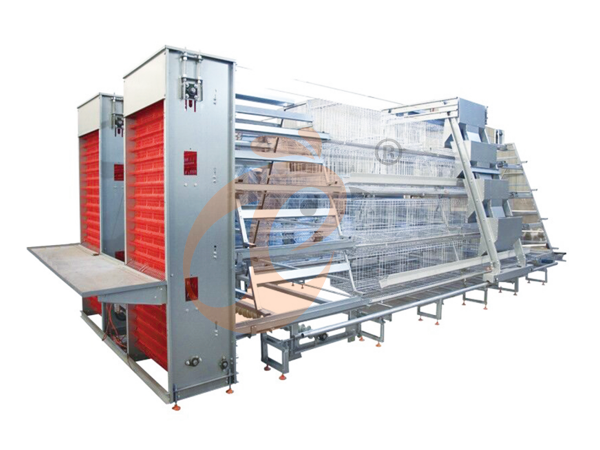
 10,000 - 30,000 Layers Automatic A Type Battery CageRead More
MESSAGE
NEWS
 50,000 - 100,000 chickens/house: poultry farm solution, chicken cage, poultry farm equipment, AI smart managementRead More
 30,000 - 50,000 chickens/house: poultry farm solution, chicken cage, poultry farm equipment, AI smart managementRead More
 10,000 - 30,000 chickens/house: poultry farm solution, chicken cage, poultry farm equipment, AI smart managementRead More
 100 - 10,000 chickens/house: poultry farm solution, chicken cage, poultry farm equipment, AI smart managementRead More