

NEWS
Automatic poultry cage system cost depends on cage capacity, automation configuration, installation scope, and operating efficiency, with commercial farms commonly evaluating 4–16 cage tiers.
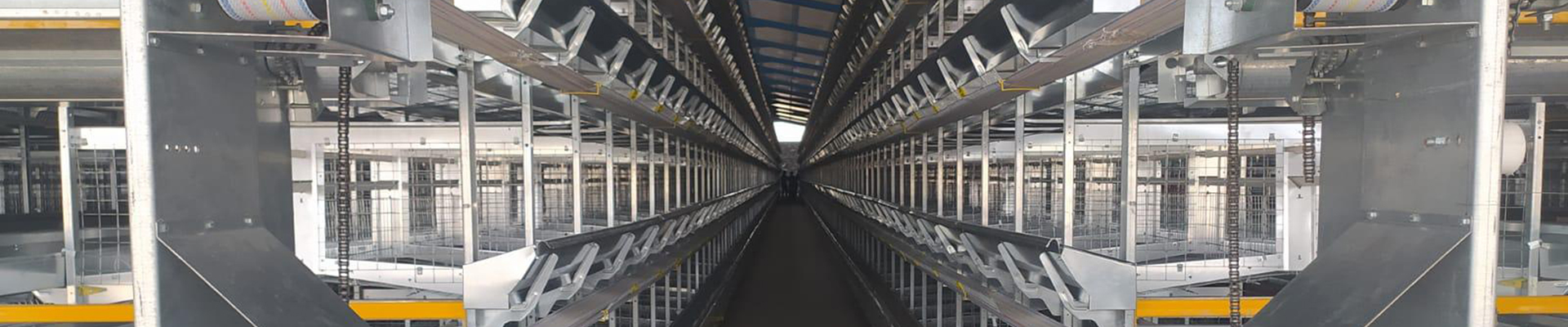
Manual cages require more direct labor, while automatic feeding, egg collection, and manure removal convert repetitive work into mechanical processes with defined operating cycles.
Cage configuration directly affects investment, with available designs accommodating 128–512 birds per set according to tier arrangement.
Farm economics also depend on bird density, building utilization, equipment durability, and expansion requirements, making the layer cage system a core investment rather than an isolated cage purchase.
Comparing six cost dimensions helps identify the suitable balance between initial investment and operating efficiency while creating a practical basis for selecting complete poultry house equipment.
Get professional poultry farm construction guidance, equipment selection solutions, and the latest price lists, whatsApp to +8618830120193, click to learn more:
Start With The Real Cost, Not Just The Purchase Price
Choosing between a manual and automatic poultry cage system requires more than comparing quotations.
Feeding, watering, egg collection, manure removal, installation, and electrical integration all contribute to the final investment.
A commercial cage project should also match building dimensions with production capacity, with standard cell dimensions around 60 × 62.5 × 48 cm.
A properly engineered poultry house equipment package connects cages with feeding, drinking, egg handling, manure management, and environmental systems.
The objective is to calculate the complete production solution rather than select equipment from purchase price alone.
Budget Comparison #1: Initial Equipment Investment
Capital Snapshot: Structural configuration determines how much equipment is required for each production unit.
Data is for reference only.Swipe horizontally to view full table.
A manual poultry cage system can reduce the initial equipment package because fewer conveying machines are required.
An automatic poultry cage system adds feeding, egg handling, and manure equipment, but provides a more integrated production workflow.
For projects requiring higher vertical utilization, configurations can reach 14 m unit height, making building structure an important purchasing consideration.
The Labor Question: What Does ''Cheap'' Really Mean?
Two Operating Models
Manual production relies on workers for repetitive feeding, egg collection, and manure handling.
Automatic production transfers these tasks to mechanical systems, allowing operators to concentrate on flock observation and equipment supervision.
For a commercial farm, labor requirements should be assessed alongside flock capacity rather than calculated separately.
A suitable automatic poultry cage system can therefore become more economical as production scale increases.
Budget Comparison #2: Labor And Daily Operating Costs
Operating Comparison
Repetitive production tasks create different labor requirements under manual and automatic configurations.
Data is for reference only.Swipe horizontally to view full table.
Labor costs continue throughout the production cycle, while cage equipment represents a largely upfront investment.
For farms operating multiple houses, centralized equipment management can reduce repeated manual procedures across separate production areas.
Budget Comparison #3: Feeding And Watering Efficiency
Engineering Focus
Feed and water systems should match cage capacity and flock requirements.
Data is for reference only.Swipe horizontally to view full table.
Feed represents a major recurring poultry production expense, making reliable distribution essential.
Automatic systems can move feed from storage to cage rows without requiring repeated manual carrying.
Water systems should also provide consistent delivery throughout the flock, while pipeline arrangement should allow convenient inspection and cleaning.
A complete layer cage system combines cage access, feeding routes, drinking lines, and service space into one practical layout.
A Better Way To Think About Return On Investment
Purchase price is only the first calculation.
The more useful question is whether equipment can reduce recurring labor and improve production organization over its service period.
For example, a four-tier configuration provides 128 birds per set, while a sixteen-tier configuration provides 512 birds per set, creating substantially different
investment economics.
Farm owners should compare equipment cost against capacity, operating requirements, maintenance, and planned expansion.
A professional poultry equipment supplier can calculate these factors before finalizing the equipment configuration.
Budget Comparison #4: Manure Management
Waste-Handling Matrix
Manure removal affects labor requirements, sanitation, and house management.
Data is for reference only.Swipe horizontally to view full table.
Manual manure removal increases the number of repetitive tasks performed inside the poultry house.
Automatic manure belts transfer waste toward designated discharge points, creating a more organized cleaning process.
The cage layout should leave adequate access around discharge and maintenance areas.
For larger farms, integrated manure handling becomes an important part of the automatic poultry cage system rather than an optional accessory.
Budget Comparison #5: Maintenance And Serviceability
Maintenance Checklist
Equipment durability and component access should be considered before purchase.
Data is for reference only.Swipe horizontally to view full table.
Automatic systems contain more moving components, so preventive maintenance should be included in normal farm management.
Motor inspection, belt alignment, chain tension, bearings, and electrical controls should follow manufacturer recommendations.
Cage structures should also be inspected for coating integrity and connection stability throughout production.
For commercial poultry equipment, accessible replacement parts and technical support can shorten downtime when mechanical problems occur.
Budget Comparison #6: Small, Medium, And Large Farm Economics
Capacity Planning
Farm size determines whether manual handling remains practical.
Data is for reference only.Swipe horizontally to view full table.
There is no universal poultry cage configuration for every farm.
Building dimensions, flock capacity, local labor conditions, and expansion plans should determine the final design.
The supplied cage data provides 488 cm² space per bird, allowing capacity calculations to remain consistent across different tier arrangements.
For expanding farms, selecting an automation-ready structure can reduce the need for major equipment replacement during later capacity increases.
The Equipment Package Matters More Than One Machine
System Architecture
Commercial poultry production works best when individual machines are designed as one connected equipment package.
Data is for reference only.Swipe horizontally to view full table.
A poultry cage is only one part of a complete layer house.
Feeding, drinking, egg collection, manure removal, ventilation, cooling, lighting, and control equipment should be coordinated during the design stage.
A professional poultry equipment package can therefore reduce interface problems between separate machines.
Our equipment planning starts from bird capacity and building dimensions, then matches cage configuration and automation requirements.
Manual Or Automatic? Use This Decision Framework
01 — Capacity
A four-tier configuration accommodates 128 birds per set, while an eight-tier arrangement reaches 256 birds per set under the supplied cage design.
02 — Production Scale
Twelve-tier equipment provides 384 birds per set, making vertical cage utilization more relevant for commercial production.
03 — Expansion
Sixteen-tier equipment reaches 512 birds per set, providing a larger production capacity within the same basic cell specification.
The final decision should consider cage capacity, building height, labor structure, equipment scope, and future expansion together.
Final Verdict: Buy For The Farm You Are Building
Commercial Conclusion
Manual poultry cage systems remain suitable when farms prioritize straightforward operation and controlled initial investment.
Automatic systems provide stronger integration when feeding, egg collection, manure handling, and production management need mechanical coordination.
The correct choice depends on farm capacity rather than equipment price alone.
A commercial buyer should compare cage structure, automation scope, installation requirements, maintenance, and expansion potential before placing an order.
For farms requiring scalable production, an integrated poultry house equipment package can provide a more systematic operating structure.
From layer cages to feeding, drinking, egg collection, manure removal, ventilation, and environmental control, equipment should be selected as one coordinated production system.
Frequently Asked Questions
Q1: What is the main difference between manual and automatic poultry cage systems?
Manual systems depend more heavily on direct labor, while automatic systems integrate mechanical feeding, egg collection, and manure handling.
The supplied configurations range from 128 to 512 birds per set, creating different capacity requirements for farm planning.
Q2: Which cage configuration is suitable for a larger farm?
Higher-tier configurations provide greater bird capacity per set without changing the basic 60 × 62.5 × 48 cm cell dimensions.
Final selection should still consider building height, service access, ventilation, and equipment arrangement.
Q3: What should be included in a poultry equipment quotation?
A complete quotation should define cages, feeding, drinking, egg collection, manure removal, electrical equipment, installation scope, and technical support.
Clear specifications make equipment quantities and project costs easier to compare.
Taiyu (HK) Group - One Of China Toppest Poultry Cage System Manufacturer
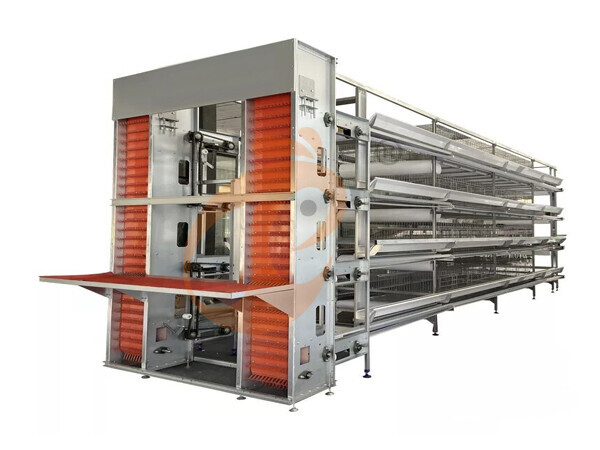
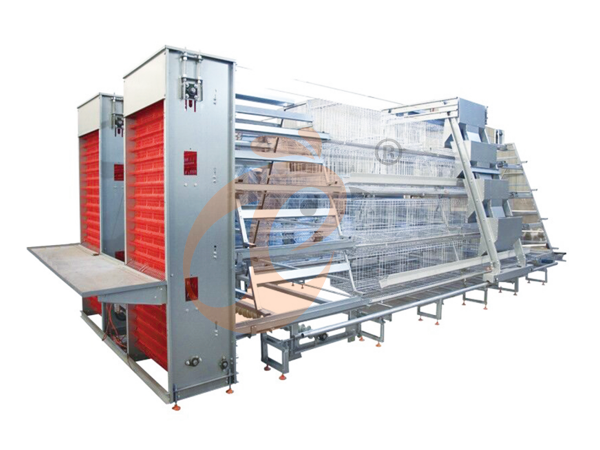
Poultry Cage System: Commercial cage systems are engineered around tier configuration, bird capacity, cell dimensions, structural materials, feeding routes, manure handling, and house layout requirements.
Global Factory Direct Sales: Factory-direct production supports equipment specification control, quality inspection, export preparation, shipment coordination, and direct technical communication for international poultry projects.
Poultry Equipment: Complete poultry equipment integrates layer cages with feeding, drinking, egg collection, manure removal, ventilation, cooling, lighting, and environmental control.
Turn-key Engineering: Turn-key engineering covers farm layout, equipment selection, manufacturing, shipment, installation guidance, commissioning, and technical handover.
Project Delivery: Project execution connects capacity calculation, cage configuration, utility matching, manufacturing inspection, installation planning, operator training, and technical support.
Contact Us To Received Your Customized Poultry Farm Plan
Headquarters And Branchs

Hong Kong Headquarter Management Team
Hong Kong Headquarter Taiyu Industrial Group CO., LTD
China Hebei Best Machinery And Equipment CO., LTD
Nigeria Vanke Machinery And Equipment CO., LTD
Tanzania Best Machinery And Equipment CO., LTD
Ethiopia Best Hebei Machinery Manufacturing PLC




Reception /24 WhatsApp NO. : +8618830120193
PRODUCTS RECOMMENDED
 China Branch Manufacture Poultry Farm EquipmentRead More
 Ethiopia Branch Manufacture Poultry Farm EquipmentRead More
 Nigeria Branch Manufacture Poultry Farm EquipmentRead More
 Tanzania Branch Manufacture Poultry Farm EquipmentRead More
 IoT Smart Poultry FarmRead More
 >30,000 Layers Automatic H Type Battery CageRead More
 10,000 - 30,000 Layers Automatic A Type Battery CageRead More
MESSAGE
NEWS
 50,000 - 100,000 chickens/house: poultry farm solution, chicken cage, poultry farm equipment, AI smart managementRead More
 30,000 - 50,000 chickens/house: poultry farm solution, chicken cage, poultry farm equipment, AI smart managementRead More
 10,000 - 30,000 chickens/house: poultry farm solution, chicken cage, poultry farm equipment, AI smart managementRead More
 100 - 10,000 chickens/house: poultry farm solution, chicken cage, poultry farm equipment, AI smart managementRead More