

BLOG
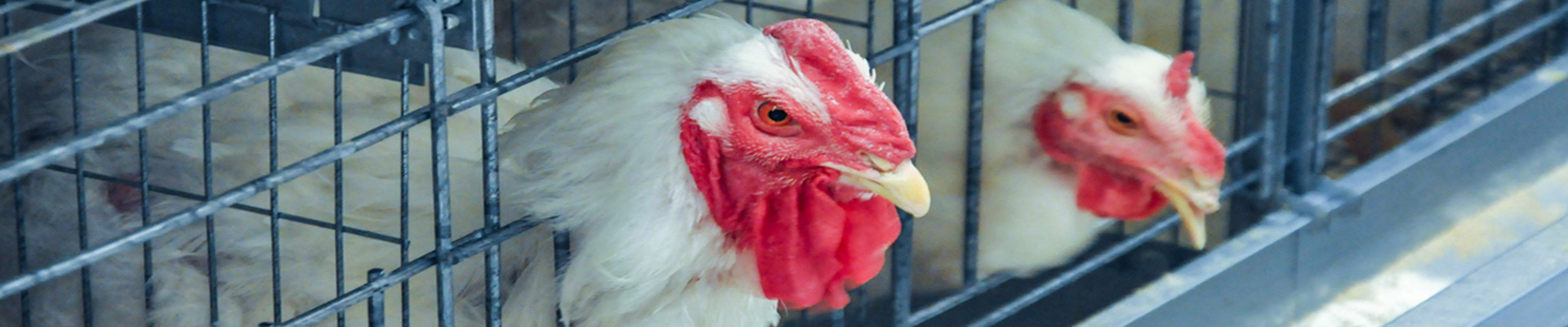
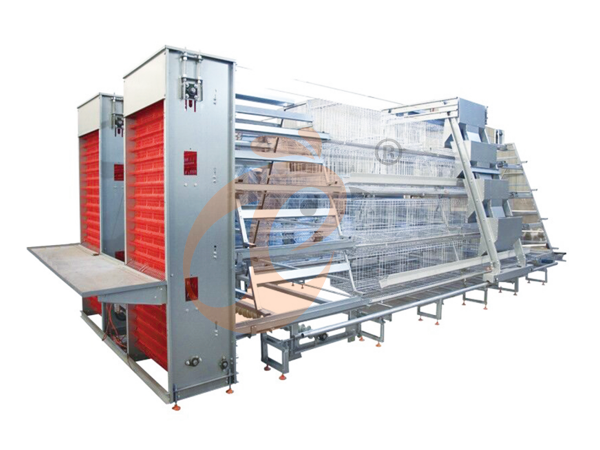
Layer chicken cage systems support intensive egg production through structured housing design.
Stable mechanical performance reduces replacement cost across long production cycles.
Environmental control improves bird health and egg output consistency in commercial farms.
Routine inspection schedules prevent system downtime and production disruption risks.
Integrated maintenance planning increases equipment lifespan and operational efficiency.
Get professional poultry farm construction guidance, equipment selection solutions, and the latest price lists, whatsApp to +8618830120193, click to learn more:
Ventilation Airflow Calibration And Fan Performance Control
Ventilation systems regulate ammonia concentration, temperature balance, and humidity distribution inside poultry houses.
Incorrect airflow calibration can create uneven microclimates across cage tiers.
Axial and tunnel fans require periodic measurement of airflow output using standardized testing tools.
Motor load variation also affects long-term electrical consumption patterns in ventilation systems.
Data is for reference only.Swipe horizontally to view full table.
Layer chicken cage maintenance systems optimization improves airflow balance in high-density poultry houses.
Manure Belt Tension And Conveyor Load Management
Manure belt systems operate continuously under mechanical stress from organic waste accumulation.
Proper tension adjustment reduces friction loss and prevents belt misalignment.
Drive rollers require torque calibration to maintain consistent movement speed.
Accumulated manure moisture content directly affects belt traction efficiency.
Data is for reference only.Swipe horizontally to view full table.
Poultry cage system maintenance optimization reduces mechanical wear in manure handling systems.
Feed Distribution Pipeline Flow Consistency
Feed transport systems rely on auger rotation stability to distribute nutrition evenly across cage rows.
Irregular feed flow creates nutrient imbalance between different cage tiers.
Wear rate of spiral augers affects long-term feed delivery accuracy.
Sensor calibration ensures feed level detection remains within designed thresholds.
Data is for reference only.Swipe horizontally to view full table.
Layer chicken cage maintenance systems engineering improves feed uniformity across multi-tier cages.
Drinking Water Pressure Regulation And Filtration Control
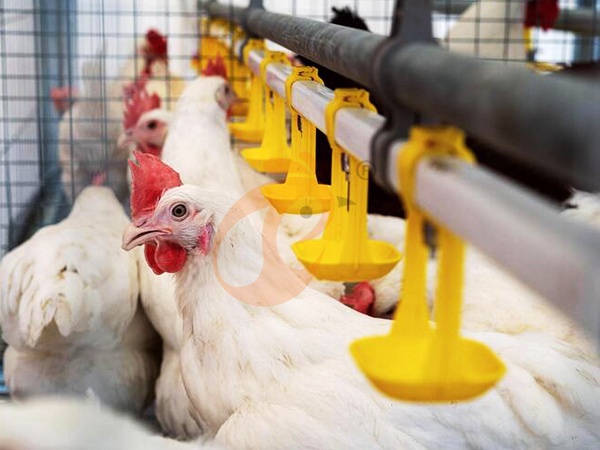
Water systems in layer cages depend on constant pressure delivery through nipple drinkers.
Pressure fluctuations affect bird hydration patterns and feed conversion balance.
Sediment accumulation inside filters reduces flow capacity over time.
Flushing cycles remove microbial buildup inside pipeline structures.
Data is for reference only.Swipe horizontally to view full table.
Poultry cage system maintenance optimization ensures stable hydration across production cycles.
Cage Frame Load Distribution And Structural Integrity
Cage systems must maintain uniform load distribution across multiple vertical layers.
Steel wire fatigue occurs gradually under continuous bird movement and equipment vibration.
Bolted joints require torque verification to prevent structural loosening.
Leveling accuracy affects manure belt alignment and feed line positioning.
Data is for reference only.Swipe horizontally to view full table.
Layer chicken cage maintenance systems design improves structural stability in long-term farming operations.
Biosecurity Surface Treatment And Disinfection Cycles
Biosecurity protocols reduce pathogen transmission between flocks and equipment surfaces.
Chemical concentration levels must be controlled to avoid corrosion of metal components.
Footbath solutions require replacement based on contamination accumulation.
Disinfection timing influences microbial reduction efficiency across cage surfaces.
Data is for reference only.Swipe horizontally to view full table.
Poultry cage system maintenance optimization strengthens farm-level disease control systems.
Electrical Wiring Stability And Automation Control Units
Electrical systems regulate feeding motors, ventilation controllers, and lighting schedules.
Voltage fluctuation can interrupt automated operation cycles across production lines.
Cable insulation aging increases resistance and overheating probability.
Control panels require periodic dust removal to prevent circuit interference.
Data is for reference only.Swipe horizontally to view full table.
Layer chicken cage maintenance systems engineering improves automation reliability in poultry farms.
Lighting Program And Photoperiod Adjustment
Lighting systems regulate egg production cycles through controlled photoperiod exposure.
LED fixtures reduce energy consumption compared with traditional incandescent lamps.
Light intensity distribution affects laying rhythm synchronization across cages.
Timer calibration ensures consistent daily lighting schedules.
Data is for reference only.Swipe horizontally to view full table.
Poultry cage system maintenance optimization supports stable photoperiod management for layer hens.
Environmental Sensor Monitoring And Data Feedback Loop
Environmental sensors collect temperature, humidity, and gas concentration data.
Data feedback systems adjust ventilation and cooling operations automatically.
Sensor drift occurs due to dust accumulation and humidity exposure.
Regular recalibration ensures accuracy of environmental readings.
Data is for reference only.Swipe horizontally to view full table.
Layer chicken cage maintenance systems engineering enhances environmental stability across poultry housing systems.
Frequently Asked Questions
Q1: How often should ventilation fans be cleaned in cage systems?
Ventilation fans should be cleaned every 7 days under normal poultry house conditions.
Dust accumulation above 2 mm thickness can reduce airflow efficiency by measurable volume loss.
Motor inspection is recommended every 14 days to maintain stable rotation performance.
Q2: What is the recommended water pressure range for nipple drinkers?
Nipple drinkers typically operate within 0.06–0.10 MPa pressure range depending on bird age.
Pressure below 0.06 MPa may reduce water intake per bird below 80 ml/min standard delivery.
Pressure stability is critical for maintaining feed conversion balance across production cycles.
Q3: How can manure belt system failure be prevented?
Belt tension should be checked every 30 days to maintain 800 mm alignment consistency.
Lubrication of rollers reduces friction coefficient and extends mechanical lifespan beyond 12 months average cycle.
Motor load monitoring helps prevent overload conditions above rated 0.75 kW capacity.
Taiyu (HK) Group - One Of China Toppest Layer Chicken Cage Manufacturer
Layer chicken cage systems are engineered for high-density poultry production environments requiring stable long-cycle operation.
Global factory direct supply structure reduces intermediate cost layers and improves engineering delivery efficiency.
The company integrates poultry equipment manufacturing with ventilation, feeding, and manure system configuration.
Turn-key project solutions include design, installation, commissioning, and on-site technical support.
Export engineering covers standardized cage systems for commercial poultry farms across multiple regions.
Contact Us To Received Your Customized Poultry Farm Plan
Headquarters And Branchs

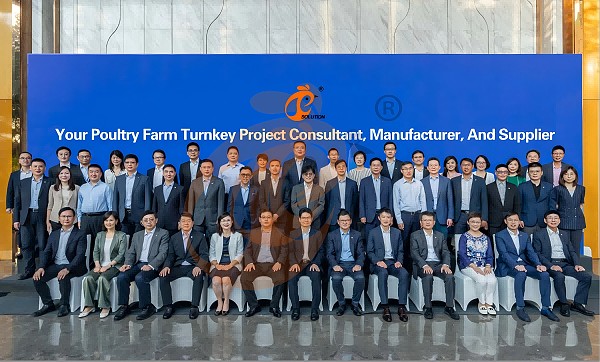
Hong Kong Headquarter Management Team
Hong Kong Headquarter Taiyu Industrial Group CO., LTD
China Hebei Best Machinery And Equipment CO., LTD
Nigeria Vanke Machinery And Equipment CO., LTD
Tanzania Best Machinery And Equipment CO., LTD
Ethiopia Best Hebei Machinery Manufacturing PLC




Reception /24 WhatsApp NO. : +8618830120193
PRODUCTS RECOMMENDED
 China Branch Manufacture Poultry Farm EquipmentRead More
 Ethiopia Branch Manufacture Poultry Farm EquipmentRead More
 Nigeria Branch Manufacture Poultry Farm EquipmentRead More
 Tanzania Branch Manufacture Poultry Farm EquipmentRead More
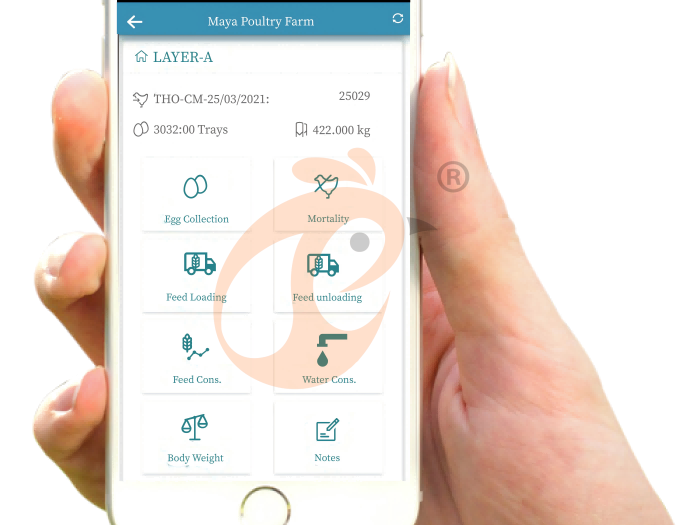
 IoT Smart Poultry FarmRead More
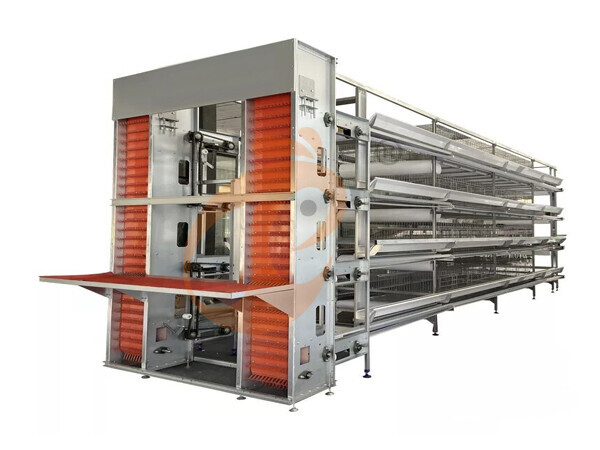
 >30,000 Layers Automatic H Type Battery CageRead More
 10,000 - 30,000 Layers Automatic A Type Battery CageRead More
MESSAGE