

BLOG
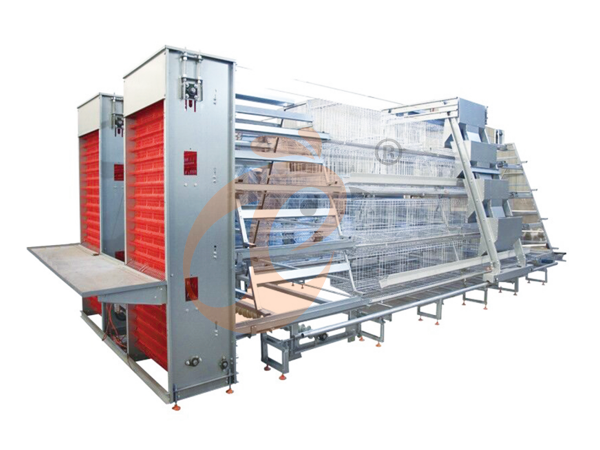
Modern broiler chicken cage systems combine structural engineering, automated feeding technology, water distribution management, environmental control, and manure handling efficiency into a unified production platform.
Proper maintenance planning improves equipment lifespan, operational stability, flock performance, and facility profitability throughout multiple production cycles.
Scientific inspection procedures reduce unexpected downtime while supporting reliable operation of automatic poultry cage systems and integrated poultry farming equipment.
Preventive servicing minimizes corrosion risks, mechanical wear, energy losses, and component failures that may otherwise increase long-term operating expenses.
Comprehensive maintenance management creates measurable advantages in production continuity, labor efficiency, asset protection, and sustainable poultry house development.
Get professional poultry farm construction guidance, equipment selection solutions, and the latest price lists, whatsApp to +8618830120193, click to learn more:
Why Preventive Maintenance Matters
Every broiler cage system operates continuously under conditions involving humidity, dust, ammonia exposure, vibration, bird movement, and daily equipment usage.
Long-term exposure gradually affects structural components, feed systems, drinking lines, and mechanical transmission equipment.
Regular maintenance significantly reduces emergency repairs and supports stable production performance.
Data is for reference only.Swipe horizontally to view full table.
Equipment replacement expenses for neglected systems may reach $2,000–$8,000 annually depending on farm scale.
European union standard reference only.
Conduct Detailed Structural Inspections
The structural frame supports bird loads, feed distribution systems, drinking equipment, and manure removal devices.
Routine inspections help identify loose fasteners, metal fatigue, weld deterioration, and frame deformation before major failures develop.
Particular attention should focus on high-moisture zones near drinker lines and cooling systems.
Data is for reference only.Swipe horizontally to view full table.
Inspection reports should include photographs and maintenance records for future comparison.
Implement Comprehensive Cleaning Programs
Cleaning activities reduce microbial accumulation and remove corrosive materials that remain on equipment surfaces.
Feed dust, manure residues, feathers, and moisture accelerate deterioration when allowed to accumulate for extended periods.
Routine cleaning supports both equipment longevity and flock biosecurity.
Data is for reference only.Swipe horizontally to view full table.
Pressure washing between production cycles improves sanitation while preserving operational efficiency.
Prevent Corrosion Before It Starts
Corrosion remains one of the most common causes of premature cage replacement in commercial poultry houses.
Moisture, ammonia, and chemical exposure gradually weaken protective coatings and structural components.
Preventive action is considerably less expensive than structural replacement.
Data is for reference only.Swipe horizontally to view full table.
Areas directly beneath nipple drinkers should receive additional inspection throughout every production cycle.
Maintain Feed Delivery Systems
The feed system directly influences growth performance, feed conversion efficiency, and flock uniformity.
Automatic broiler cages depend on consistent feed delivery to ensure equal nutrient access across all cage levels.
Mechanical wear often begins gradually and may not be immediately visible.
Data is for reference only.Swipe horizontally to view full table.
Routine calibration helps maintain stable feed distribution across large poultry farming equipment installations.
Service Drinking Systems Consistently
Water delivery efficiency directly influences bird growth and overall production stability.
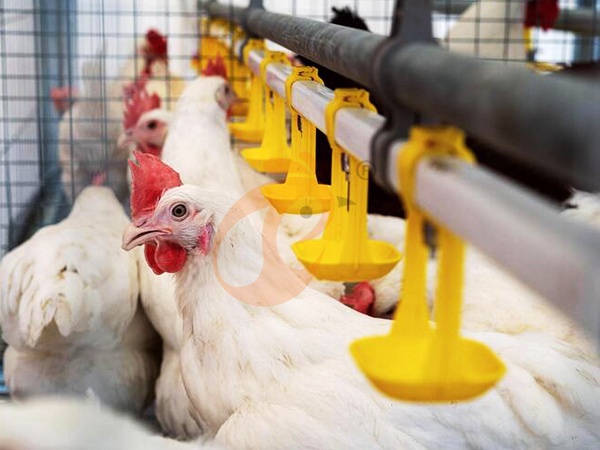
Nipple drinkers, regulators, filters, and pipelines require scheduled maintenance to prevent restrictions and leakage.
Water quality monitoring should accompany mechanical inspections.
Data is for reference only.Swipe horizontally to view full table.
Pipeline flushing between flocks helps maintain consistent water quality and system reliability.
Lubricate Mechanical Components Correctly
Continuous operation creates friction within bearings, chains, shafts, and gearbox assemblies.
Proper lubrication reduces energy consumption while extending component service life.
Lubrication schedules should be established according to equipment manufacturer specifications.
Data is for reference only.Swipe horizontally to view full table.
Maintaining lubrication records improves maintenance planning and equipment tracking.
Replace Wear Components Proactively
Waiting for component failure often results in production interruptions and costly repairs.
Preventive replacement reduces downtime and allows maintenance work to be scheduled efficiently.
Critical spare parts should remain available on-site.
Data is for reference only.Swipe horizontally to view full table.
Replacement planning helps optimize maintenance budgets and equipment reliability.
Establish A Maintenance Documentation System
Accurate maintenance records provide valuable information for operational decision-making.
Historical data helps identify recurring failures and supports preventive maintenance planning.
Data is for reference only.Swipe horizontally to view full table.
Digital maintenance management systems improve traceability and operational efficiency.
Improve Energy Efficiency Through Maintenance
Well-maintained systems generally consume less electricity and operate more efficiently.
Reduced friction, balanced loads, and properly serviced motors contribute to lower energy costs.
Data is for reference only.Swipe horizontally to view full table.
Annual electricity savings may exceed $500–$3,000 depending on facility size and automation level.
European union standard reference only.
Frequently Asked Questions
Q1: How often should broiler cage systems be inspected?
Monthly structural inspections are recommended.
Critical areas such as drinker lines, feed chains, and gearbox assemblies should receive weekly visual checks.
Q2: What is the main cause of cage corrosion?
Long-term exposure to moisture and ammonia is the primary cause.
Ammonia concentrations above 20 Ppm combined with humidity exceeding 70% significantly accelerate metal deterioration.
Q3: When should feed chains be replaced?
Replacement is typically recommended when elongation reaches approximately 2%.
Most commercial feed chains operate between 18,000 and 30,000 hours before major replacement planning becomes necessary.
Taiyu (HK) Group - One Of China Largest Broiler Chicken Cage Manufacturer
Professional manufacturer specializing in broiler chicken cage systems, automatic broiler cages, and integrated poultry farming equipment for commercial poultry projects worldwide.
Global factory-direct supply providing cost-effective poultry equipment solutions with stable quality control and engineering support.
Experienced in complete Turn-key poultry farm projects including cage design, ventilation planning, feeding systems, and installation guidance.
Comprehensive product portfolio covering broiler cages, layer cages, breeder equipment, manure removal systems, and environmental control solutions.
Dedicated international service team supporting project consultation, production management, logistics coordination, and after-sales technical assistance.
Contact Us To Received Your Customized Poultry Farm Plan
Headquarters And Branchs

Hong Kong Headquarter Management Team
Hong Kong Headquarter Taiyu Industrial Group CO., LTD
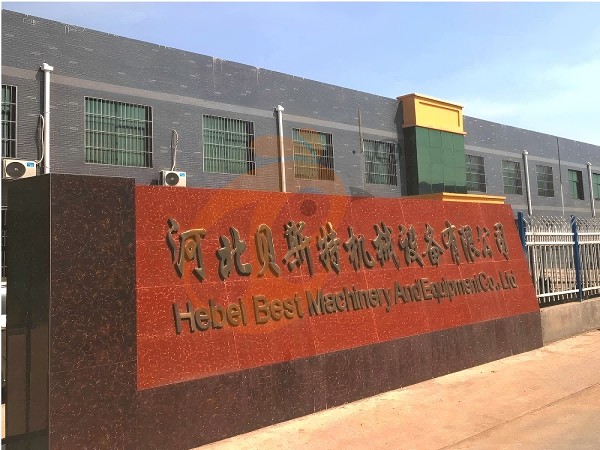
China Hebei Best Machinery And Equipment CO., LTD
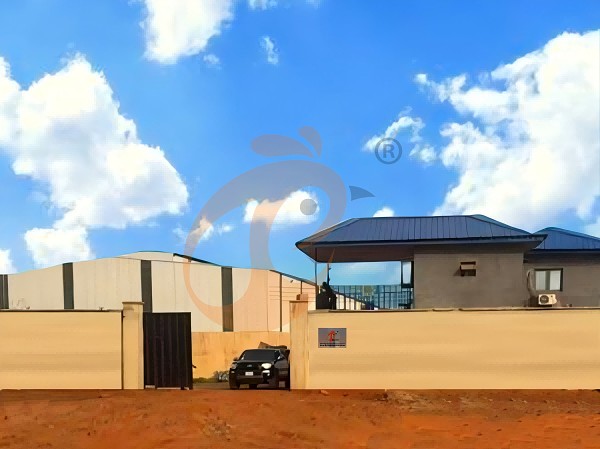
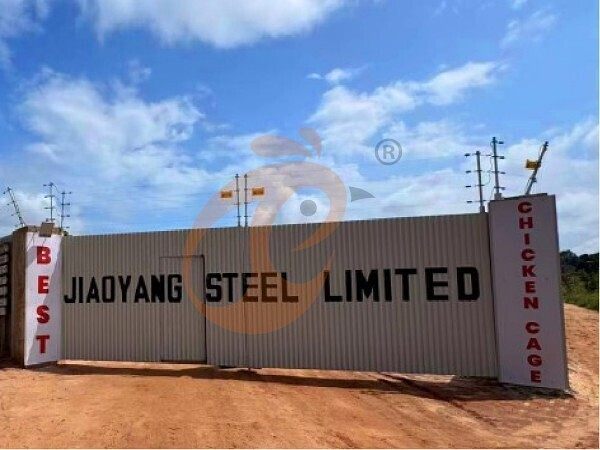
Nigeria Vanke Machinery And Equipment CO., LTD
Tanzania Best Machinery And Equipment CO., LTD
Ethiopia Best Hebei Machinery Manufacturing PLC
Reception /24 WhatsApp NO. : +8618830120193
PRODUCTS RECOMMENDED
 China Branch Manufacture Poultry Farm EquipmentRead More
 Ethiopia Branch Manufacture Poultry Farm EquipmentRead More
 Nigeria Branch Manufacture Poultry Farm EquipmentRead More
 Tanzania Branch Manufacture Poultry Farm EquipmentRead More
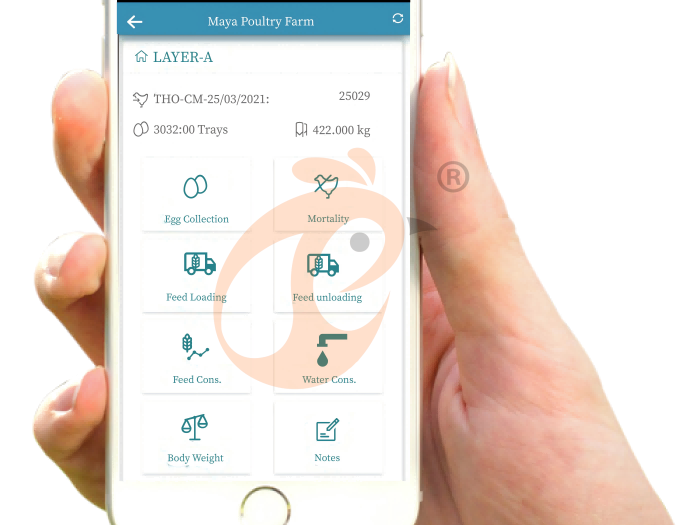
 IoT Smart Poultry FarmRead More
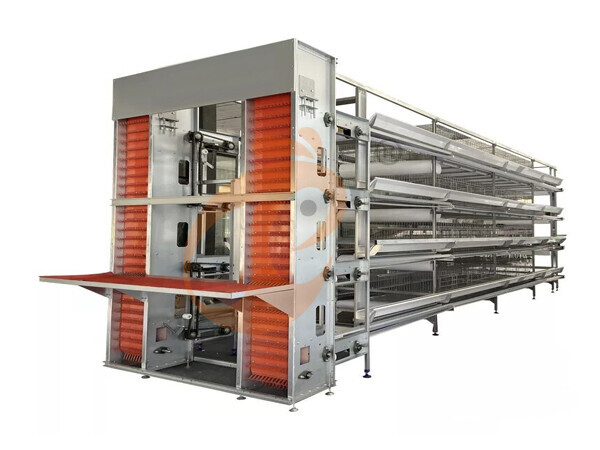
 >30,000 Layers Automatic H Type Battery CageRead More
 10,000 - 30,000 Layers Automatic A Type Battery CageRead More
MESSAGE