

BLOG
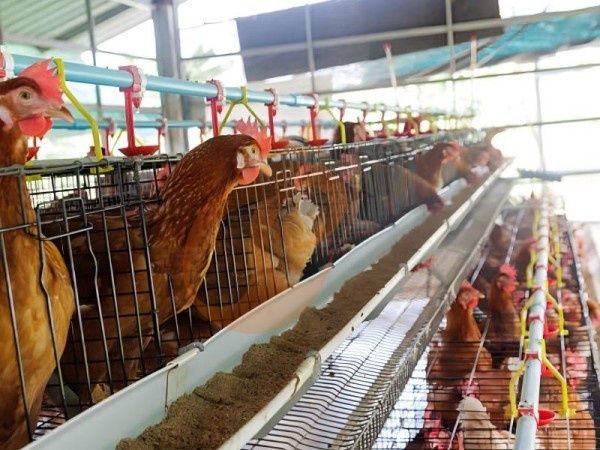
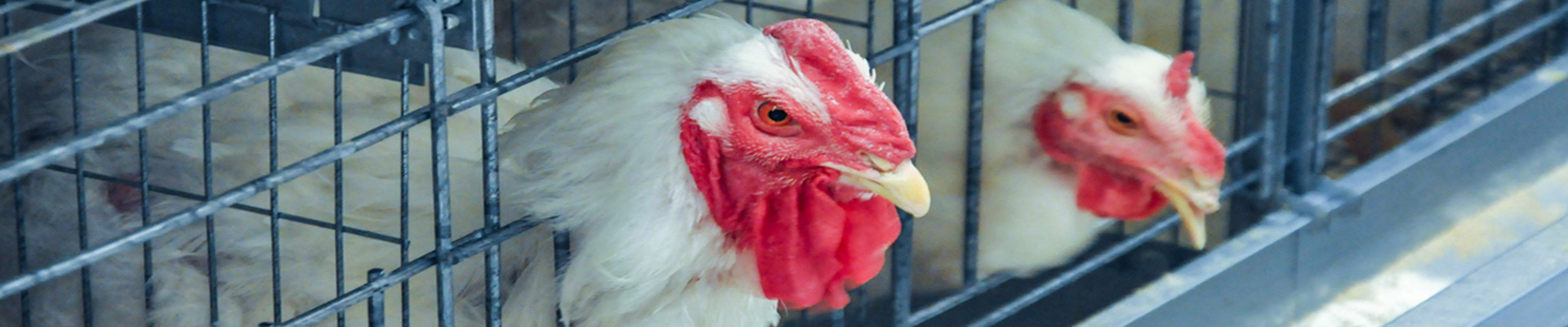
A type layer chicken cage system Ethiopia improvement strategies focus on welfare, productivity, and climate adaptation in poultry farming environments.
This article explains practical welfare challenges faced by Ethiopian farmers and how to resolve them using localized methods.
It provides structured solutions across stocking density, feeding, ventilation, and monitoring systems.
Realistic cost and production comparisons are included to support investment decisions.
The goal is to help Ethiopian farmers achieve stable egg production with manageable operational adjustments.
Get professional poultry farm construction guidance, equipment selection solutions, and the latest price lists, whatsApp to +8618830120193, click to learn more:

Ethiopia Branch Office And Factory Of Poultry Farm Equipment
Structural Characteristics Of A Type Cage Systems In Ethiopia
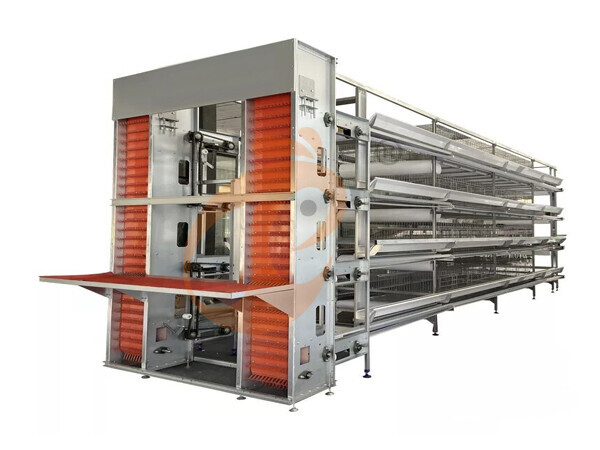
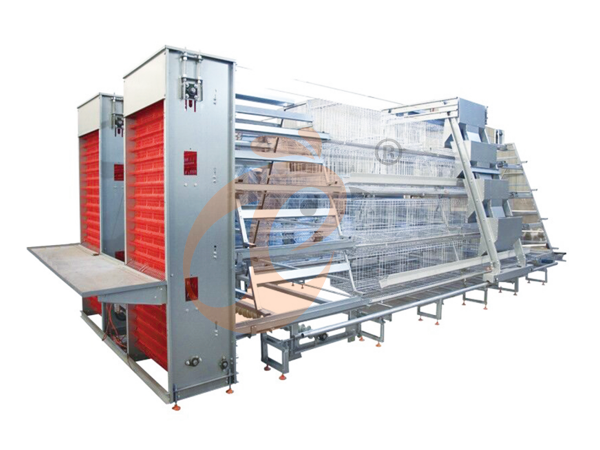
A type cage systems are widely used in Ethiopia due to affordability and ease of installation.
However, most designs are not optimized for Ethiopian altitude, dust exposure, and temperature variation, which affects long-term bird comfort and productivity.
Data is for reference only.Swipe horizontally to view full table.
These structural parameters show that many systems require minor adjustments to better suit local farming environments.
Welfare Challenges In Ethiopian Cage Systems
Ethiopian poultry farms often face multiple overlapping welfare constraints rather than a single limiting factor.
These challenges directly influence egg production consistency and flock health.
Data is for reference only.Swipe horizontally to view full table.
Understanding these issues allows farmers to focus on targeted improvements instead of costly full system replacement.
Optimize Stocking Density Based On Climate
Stocking density decisions in Ethiopia are often driven by maximizing cage usage rather than maintaining bird comfort.
Adjusting density according to seasonal temperature changes is essential for improving welfare and output.
Data is for reference only.Swipe horizontally to view full table.
Applying flexible density management helps reduce mortality and stabilize egg production during hotter months.
Improve Ventilation And Thermal Control
In many Ethiopian regions, natural ventilation alone cannot maintain stable indoor conditions throughout the day.
Supplementing airflow using simple mechanical systems significantly improves hen comfort.
Data is for reference only.Swipe horizontally to view full table.
Maintaining these environmental conditions reduces stress and supports consistent egg production.
Enhance Feeding Systems And Nutritional Balance
Feed quality variation is a major challenge across Ethiopian regions due to inconsistent supply chains.
Improving feed formulation using locally available ingredients ensures better flock performance.
Data is for reference only.Swipe horizontally to view full table.
Balanced nutrition improves eggshell strength and reduces health-related losses in laying hens.
Integrate Behavioral Enrichment Within Cage Constraints
Even within chicken cage systems, observing and responding to hen behavior provides valuable welfare insights.
Small environmental adjustments can reduce stress-related issues in Ethiopian farms.
Data is for reference only.Swipe horizontally to view full table.
Regular observation enables early intervention before problems affect productivity.
Implement Data Driven Monitoring Systems
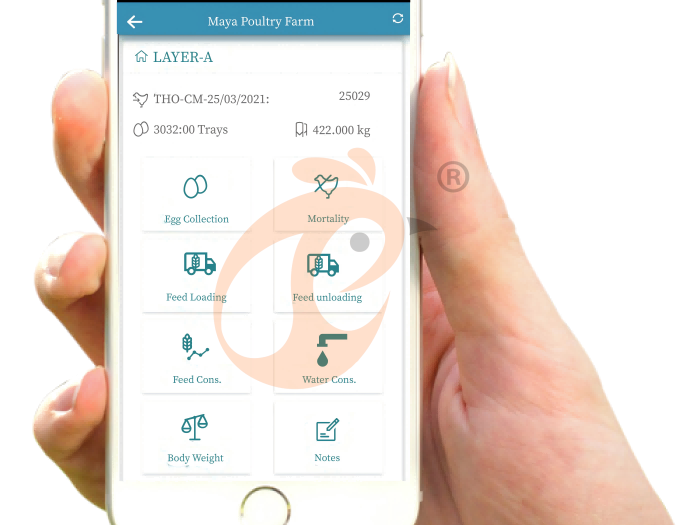
Technology adoption in Ethiopia is gradually increasing, especially in commercial poultry farms.
Simple monitoring tools can significantly improve farm management accuracy.
Data is for reference only.Swipe horizontally to view full table.
Data-based management reduces uncertainty and improves operational control.
Economic Link Between Welfare And Productivity
Many Ethiopian farmers perceive welfare improvements as additional cost rather than productivity investment.
However, improved welfare conditions directly enhance production efficiency.
Data is for reference only.Swipe horizontally to view full table.
This comparison demonstrates that welfare-focused management improves both output and feed efficiency.
Investment And Cost Considerations In Ethiopia
Financial constraints remain a key concern for poultry farmers in Ethiopia.
Investment decisions must prioritize areas that deliver measurable returns.
Data is for reference only.Swipe horizontally to view full table.
Feed and labor represent the largest expenses, so efficiency improvements in these areas are essential.
European union standard reference only
Localized Solutions For Ethiopian Farmers
Ethiopian poultry farmers operate under conditions such as unstable electricity, regional feed differences, and limited technical support.
Practical solutions must align with these realities rather than rely on high-cost systems.
Adopting solar-powered ventilation, cooperative feed sourcing, and gradual cage upgrades allows farmers to improve welfare without excessive financial pressure.
These strategies also support the adoption of layer chicken welfare Ethiopia practices in a sustainable manner.
Frequently Asked Questions
Q1: Is A type chicken cage suitable ofr Ethiopian climate conditions?
Yes, but modifications such as improved ventilation and reduced stocking density during hot seasons are necessary to ensure proper hen welfare and stable production.
Q2: How can small farms in Ethiopia improve hen welfare with limited budget?
Farmers can focus on low-cost interventions such as adjusting stocking density, improving feed consistency, and using natural ventilation combined with basic fans.
Q3: Does improving welfare increase profitability in Ethiopian poultry farms?
Yes, better welfare reduces mortality, improves egg production rates, and enhances feed efficiency, leading to stronger financial performance over time.
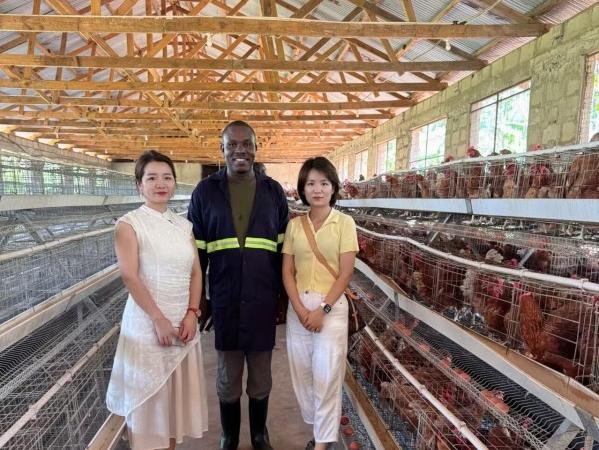
Ethiopia Best Hebei Machinery Manufacturing Plc - One Of Ethiopia Largest Layer Chicken Cage Supplier
We provide global factory direct supply ensuring competitive pricing and consistent poultry farm equipment quality for Ethiopian customers.
Our solutions include advanced poultry cage systems designed specifically for African climate and operational conditions.
We deliver complete poultry farm equipment packages including feeding, drinking, and ventilation systems.
- We offer professional Turn-key engineering services covering design, installation, and technical training support.
Our experience in international poultry projects ensures reliable performance and long-term operational stability for farms.
Contact Us To Received Your Customized Poultry Farm Plan
Headquarters And Branchs

Hong Kong Headquarter Management Team
Hong Kong Headquarter Taiyu Industrial Group CO., LTD
China Hebei Best Machinery And Equipment CO., LTD
Nigeria Vanke Machinery And Equipment CO., LTD
Tanzania Best Machinery And Equipment CO., LTD
Ethiopia Best Hebei Machinery Manufacturing PLC




Reception /24 WhatsApp NO. : +8618830120193
PRODUCTS RECOMMENDED
 China Branch Manufacture Poultry Farm EquipmentRead More
 Ethiopia Branch Manufacture Poultry Farm EquipmentRead More
 Nigeria Branch Manufacture Poultry Farm EquipmentRead More
 Tanzania Branch Manufacture Poultry Farm EquipmentRead More
 IoT Smart Poultry FarmRead More
 >30,000 Layers Automatic H Type Battery CageRead More
 10,000 - 30,000 Layers Automatic A Type Battery CageRead More
MESSAGE
NEWS
 What Makes A Factory-Direct A Type Chicken Battery Cage More Cost-Effective? 4 ReasonsRead More
 Deep Litter System For Broilers Vs Cage | Which Is More Profitable?Read More
 Free Range Broiler System Vs Intensive Farming | Which Is More Profitable?Read More
 Broiler Floor Rearing System Cost | 6 Factors Affecting PriceRead More