

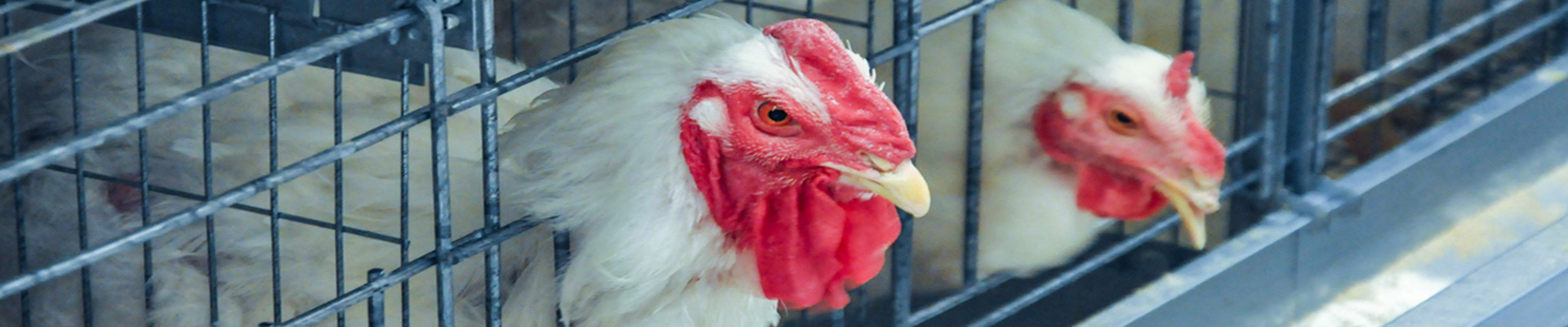
BLOG
Proper A-type chicken cage maintenance helps farmers protect equipment, maintain egg quality, and ensure stable production in poultry houses.
Understanding ventilation, manure handling, and cage slope improves egg collection efficiency in small and medium poultry farms.
Local materials such as coffee husks, vinegar, and bitumen allow farmers to control corrosion and moisture with minimal operational cost.
Regular inspection of water lines, feed troughs, and cage frames supports bird health and consistent laying performance throughout the year.
Get professional poultry farm construction guidance, equipment selection solutions, and the latest price lists, whatsApp to +8618830120193, click to learn more:

Ethiopia Branch Office And Factory Of Poultry Farm Equipment
Structural Integrity And Corrosion Control
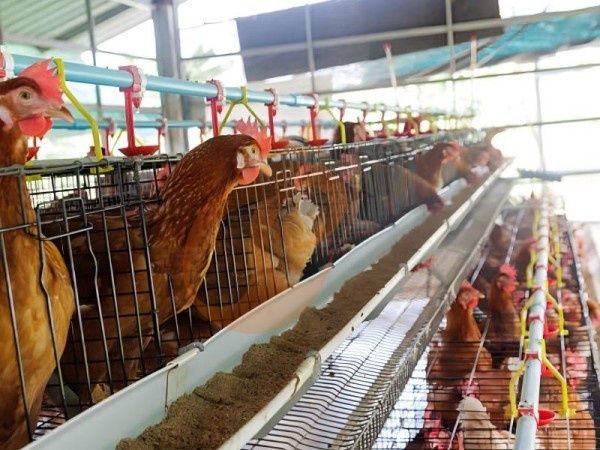
The A-type layer chicken cage is favored in Ethiopia because its triangular frame allows excellent natural ventilation.
This ventilation is essential in warm regions such as the Rift Valley where daytime temperatures often increase significantly.
Many Ethiopian poultry houses place cages on concrete floors that may not be perfectly level.
Uneven structure may also increase the chance of bird injury and egg breakage.
Data is for reference only.Swipe horizontally to view full table.
Managing Water Systems In High Mineral Regions
Water quality is an important factor affecting poultry egg production equipment performance.
Many regions in the Ethiopian Rift Valley contain water with elevated calcium and fluoride levels.
Data is for reference only.Swipe horizontally to view full table.
Farmers can use a gravity-fed vinegar flushing method.
White vinegar contains acetic acid which helps dissolve mineral deposits.
Manure Management And The Dry Path Method
In Ethiopian poultry farms, manure has commercial value as crop fertilizer.
However, when manure accumulates beneath cages, ammonia gas (NH₃) increases inside the poultry house.
Ammonia damages the respiratory system of hens and also accelerates metal oxidation on cage wires.
The A-type chicken cage system allows manure to fall to the ground area below the tiers.
For three-tier cages, the manure deflector plates between levels must remain smooth and clean.
Data is for reference only.Swipe horizontally to view full table.
Spread coffee husk bedding (Sera) beneath the cage rows.
Ethiopia produces large quantities of coffee husks which are often available at low cost.
Feed Trough Optimization To Minimize Waste
Feed represents approximately 70% – 75% of the production cost for egg farms in Ethiopia.
Therefore reducing feed waste significantly improves farm profitability.
The long trough design of an A-type poultry cage system allows multiple hens to eat simultaneously.
However excessive filling can cause hens to flick feed out of the trough.
Dust during the Bega (dry season) may contaminate feed.
High humidity during Kiremt (rainy season) can cause feed to form clumps or mold.
Data is for reference only.Swipe horizontally to view full table.
This forces hens to eat vertically and prevents feed from being flicked outward.
Daily wiping of trough surfaces during the rainy season reduces mold formation.
Egg Slope Maintenance And Breakage Prevention
The rolling floor of an A-type chicken cage ensures eggs move away from the hen after laying.
If the slope is too steep, eggs roll too quickly and may crack.
Data is for reference only.Swipe horizontally to view full table.
Attach small plastic mesh liners to the egg collection edge.Recycled grain sacks can provide a soft landing surface.
The material can be fixed using cable ties to reduce impact when eggs stop rolling.
Biosecurity And Dry Cleaning Protocols
Diseases such as Newcastle Disease (ND) and Avian Influenza remain common threats to poultry farms in Ethiopia.
While the A-type chicken cage system separates birds from manure, cage surfaces can still harbor pathogens.
Wet cleaning methods may increase humidity and accelerate corrosion.
Dry cleaning approaches are often more suitable for maintaining galvanized cage structures.
Data is for reference only.Swipe horizontally to view full table.
Frequently Asked Questions
Q1: How often should A-type chicken cages be cleaned in layer farms?
A1: Manure should be removed every 24–48 hours to control ammonia levels and maintain healthy air conditions inside the poultry house.
Q2: What is the best way to prevent rust on poultry cages in Ethiopia?
A2: Applying bitumen or anti-rust coating to the cage legs and maintaining dry bedding materials such as coffee husks can reduce corrosion.
Q3: Why is egg rolling slope important in A-type cages?
A3: Correct slope angles between 7° and 8° allow eggs to move safely to the collection tray without cracking or remaining under the hen.
Ethiopia Best Hebei Machinery Manufacturing Plc - One Of Ethiopia Largest Chicken Cage Manufacturer
Global factory direct supply of poultry farm equipment for commercial farms and agricultural investors.
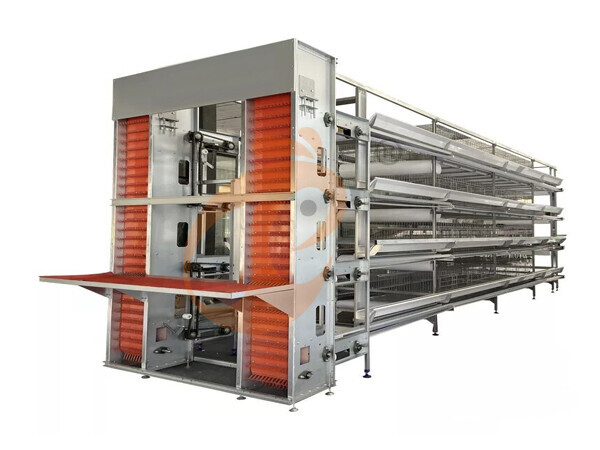
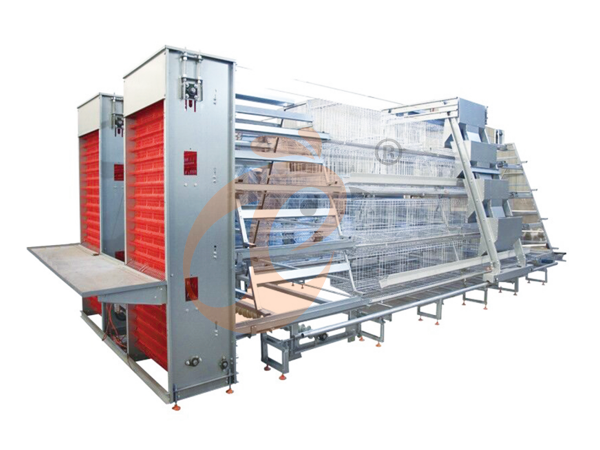
Manufacturing of durable poultry cage systems, including A-type chicken cage and H-frame automatic systems with cage capacity about 120–200 birds per set, cage size about 2.2 m × 2.4 m × 1.65–2.6 m, and cell size 600 mm × 400 mm × 400 mm.
Professional Turn-key poultry farm engineering solutions including cage installation, ventilation, feeding, and watering systems with recommended farm capacity 10,000–30,000 layers.
Automated A-type chicken cage systems can reduce labor demand by 50–70% while supporting stable egg production performance.
Technical support, farm layout design, and equipment delivery services for modern poultry production development with layer feed conversion ratio about 1.9–2.2.
Contact Us To Received Your Customized Poultry Farm Plan
Headquarters And Branchs

Hong Kong Headquarter Management Team
Hong Kong Headquarter Taiyu Industrial Group CO., LTD
China Hebei Best Machinery And Equipment CO., LTD
Nigeria Vanke Machinery And Equipment CO., LTD
Tanzania Best Machinery And Equipment CO., LTD
Ethiopia Best Hebei Machinery Manufacturing PLC
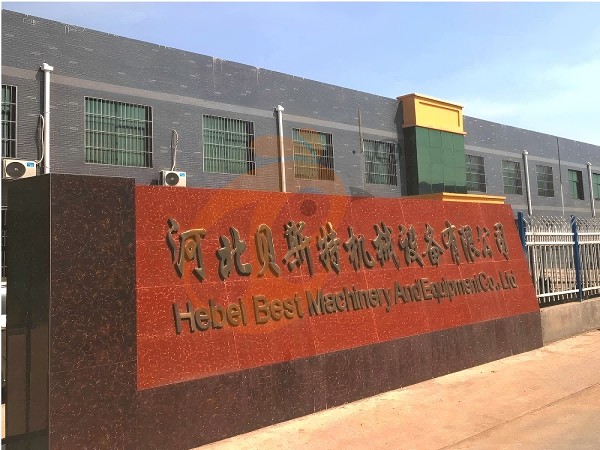
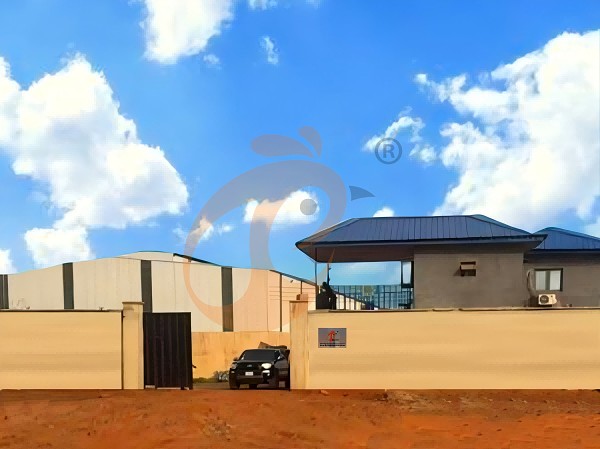
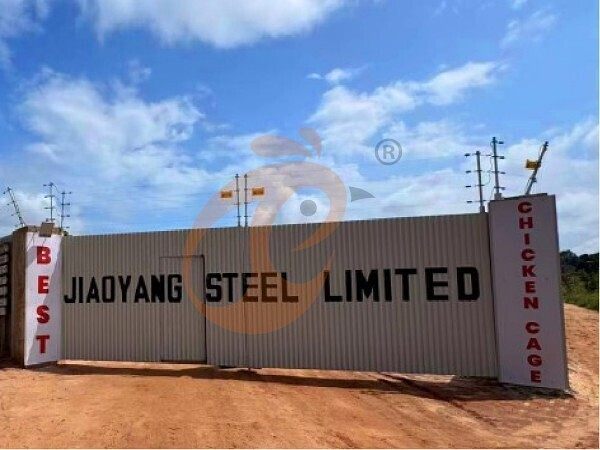
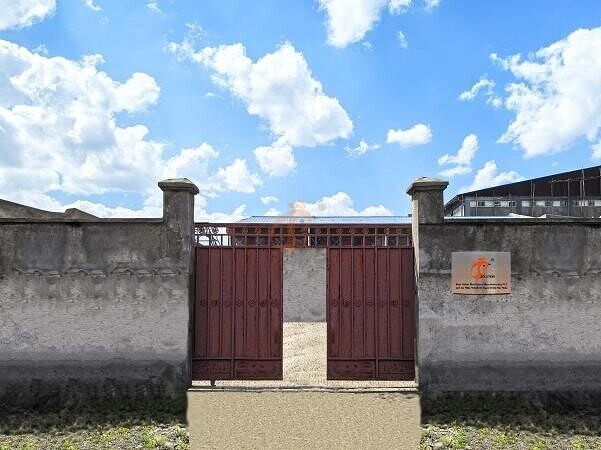
Reception /24 WhatsApp NO. : +8618830120193
PRODUCTS RECOMMENDED
 China Branch Manufacture Poultry Farm EquipmentRead More
 Ethiopia Branch Manufacture Poultry Farm EquipmentRead More
 Nigeria Branch Manufacture Poultry Farm EquipmentRead More
 Tanzania Branch Manufacture Poultry Farm EquipmentRead More
 IoT Smart Poultry FarmRead More
 >30,000 Layers Automatic H Type Battery CageRead More
 10,000 - 30,000 Layers Automatic A Type Battery CageRead More
MESSAGE
NEWS
 What Makes A Factory-Direct A Type Chicken Battery Cage More Cost-Effective? 4 ReasonsRead More
 Deep Litter System For Broilers Vs Cage | Which Is More Profitable?Read More
 Free Range Broiler System Vs Intensive Farming | Which Is More Profitable?Read More
 Broiler Floor Rearing System Cost | 6 Factors Affecting PriceRead More