

NEWS
High-speed feed mixers and low-speed feed mixers deliver different blending performance, with rotor speeds ranging from 60 rpm to 1,200 rpm.
Commercial feed mixer equipment supports poultry feed production through controlled ingredient distribution, efficient batch handling, and consistent processing quality.
High-speed paddle mixers prioritize rapid mixing, achieving reference cycle times of 180 seconds and supporting demanding production schedules.
Low-speed ribbon mixers emphasize gentle blending, with reference energy consumption of 1.8 kilowatt-hours per ton for energy-conscious operations.
Selecting industrial feed mixing equipment requires evaluating uniformity, throughput, ingredient integrity, maintenance expenses, installation space, and long-term investment returns.
Get professional poultry farm construction guidance, equipment selection solutions, and the latest price lists, whatsApp to +8618830120193, click to learn more.
Engineering Principles Of Feed Agitation
Understanding mechanical mixing principles helps poultry feed manufacturers select suitable industrial feed mixers for different formulations.
High-speed paddle mixers use rapidly rotating paddles to distribute fine additives throughout batches, while low-speed ribbon mixers employ folding movements for controlled ingredient blending.
Commercial poultry feed mixers require appropriate blade clearance, balanced rotor assemblies, and durable mixing chambers to maintain reliable operation.
Reference configurations operate at 1,200 rpm and 60 rpm, respectively, although actual performance depends on equipment geometry and formulation characteristics.
Core Technical Specifications Comparison
Data is for reference only.Swipe horizontally to view full table.
High-speed feed mixers provide intensive agitation for rapid ingredient dispersion, while low-speed feed mixers support gentler material handling.
Industrial paddle mixers and ribbon mixers should be evaluated using verified specifications, validated mixing tests, and actual production requirements.
Operational Tips For Proper Feed Homogeneity
Consistent poultry feed quality requires controlled ingredient dosing, suitable mixer loading, and validated feed mixing procedures.
Industrial feed mixers should operate within manufacturer-recommended filling limits to prevent uneven blending and excessive material circulation.
Liquid fat additions should follow an established sequence, while moisture and temperature monitoring help protect sensitive ingredients during feed processing.
For example, a reference chamber temperature increase should remain below 12 degrees Celsius when supported by the equipment manufacturer's process specifications.
Mixing Time And Energy Consumption Metrics
Data is for reference only.Swipe horizontally to view full table.
High-speed feed mixers may shorten production cycles, whereas low-speed feed mixers can reduce specific energy consumption under suitable operating conditions.
Industrial feed mixing equipment should be compared through measured energy use, batch duration, loading time, and discharge performance.
The reference motor ratings are 75 kilowatts and 30 kilowatts, but actual operating expenses depend on workload and plant utilization.
Complete Feed Preparation Process Workflow
An integrated poultry feed production line connects grinding, weighing, mixing, conveying, and storage equipment into a coordinated manufacturing process.
Raw grains pass through cleaning systems before hammer mills reduce particle size for subsequent industrial feed mixer operations.
Automated dosing equipment measures ingredients before batch mixers distribute nutrients throughout the feed formulation.
Finished poultry feed then moves into storage silos or pelleting systems, depending on production requirements and the final product specification.
Nutritional Retention And Ingredient Integrity Analysis
Data is for reference only.Swipe horizontally to view full table.
High-speed feed mixers and low-speed ribbon mixers affect ingredient integrity differently according to their mixing mechanisms and operating conditions.
The reference low-speed system records a shear stress index of 3.1 kilopascals, potentially benefiting formulations containing fragile particles.
Industrial feed mixer performance should be verified through standardized sampling because nutrient retention and particle degradation cannot be predicted from rotor speed alone.
Poultry Farm Equipment Combination Recommendations
Integrated poultry equipment systems require compatible feed mixers, grinding machinery, ingredient dosing systems, and material handling components.
High-speed paddle mixers can operate alongside hammer mills with 2.5-millimeter screen apertures when the resulting particle distribution meets formulation requirements.
Low-speed ribbon mixers can be integrated with dust collection systems rated at 5,000 cubic meters per hour when airflow requirements justify the capacity.
Commercial poultry feed production lines also benefit from appropriately sized bucket elevators, surge hoppers, conveyors, and automated control systems.
Wear And Tear Vs Maintenance Costs
Data is for reference only.Swipe horizontally to view full table.
High-speed feed mixers may require more frequent wear inspections because intensive agitation can increase component exposure to abrasive materials.
Low-speed ribbon mixers can offer longer reference service intervals, although actual maintenance requirements depend on bearing design, load conditions, and ingredient abrasiveness.
Industrial feed mixing equipment purchasers should compare spare parts budgets, gearbox specifications, seal arrangements, and verified component service life.
Preventive Maintenance And Longevity Checklist
Preventive maintenance protects feed mixer performance, reduces unplanned downtime, and supports consistent poultry feed production.
Daily inspections should identify unusual vibration, abnormal noise, damaged seals, and material accumulation inside the mixing chamber.
Industrial feed mixers require lubrication according to manufacturer specifications, with reference procedures specifying 50 grams of grease per bearing fitting.
Paddle mounting bolts should follow the prescribed torque specification, while shaft vibration readings should remain within the manufacturer's acceptance limits.
Scheduled servicing helps extend component life and maintain reliable operation throughout commercial feed manufacturing cycles.
Batch Yield And Throughput Efficiency
Data is for reference only.Swipe horizontally to view full table.
High-speed feed mixers demonstrate higher reference throughput, while low-speed feed mixers provide an alternative for production lines with different processing priorities.
A reported capacity of 15 tons per hour versus 8 tons per hour requires verification against batch density, usable chamber volume, and complete operating cycles.
Commercial feed mixer performance should be validated using consistent sampling methods and coefficient of variation testing.
Capital Expenditure And Return On Investment (ROI)
Data is for reference only.Swipe horizontally to view full table.
Note: Financial metrics are listed for European union standard reference only.
High-speed feed mixers show a lower reference acquisition cost of 24,000 usd, compared with 38,000 usd for the low-speed configuration.
Low-speed feed mixers report annual spare parts expenses of 950 usd, while the high-speed configuration records 1,800 usd.
Industrial feed mixer investment decisions should account for installation, electricity, labor, maintenance, downtime, and verified production output.
The stated payback periods are indicative reference figures rather than guaranteed financial outcomes, and all costs require supplier confirmation.
Final Equipment Selection Matrix For Layer And Broiler Operations
Data is for reference only.Swipe horizontally to view full table.
High-speed feed mixers may suit broiler feed production requiring rapid batch cycling and a reference output of 15 tons per hour.
Low-speed ribbon mixers may suit layer mash applications when particle integrity and controlled material handling are priorities.
Industrial feed mixer selection should ultimately reflect formulation requirements, validated homogeneity, operating costs, and the required production capacity.
Frequently Asked Questions
Q1: Which feed mixer achieves better mixing uniformity?
A1: High-speed paddle mixers report a reference coefficient of variation below 3.0 percent, compared with below 5.0 percent for low-speed ribbon mixers.
Comparable sampling methods and formulation conditions are essential for confirming the actual difference.
Q2: How do energy consumption and motor power compare?
A2: The reference high-speed feed mixer uses a 75-kilowatt motor and consumes 3.2 kilowatt-hours per ton, while the low-speed model uses 30 kilowatts and consumes 1.8 kilowatt-hours per ton.
Actual electricity costs depend on operating hours, utilization, and production throughput.
Q3: Which feed mixer is better for fragile ingredients?
A3: Low-speed ribbon mixers may suit fragile ingredients because the reference shear stress index is 3.1 kilopascals.
Ingredient trials should confirm particle integrity, nutrient retention, and mixing uniformity before equipment selection.
Taiyu (HK) Group - One Of China Biggest Feed Mixers Supplier
High-speed feed mixers and low-speed feed mixers support commercial poultry feed production, with reference chamber volumes of 4.5 cubic meters and motor ratings from 30 to 75 kilowatts.
Global factory-direct supply provides poultry equipment configurations for agricultural processing facilities, including grinding, batching, mixing, conveying, and storage machinery.
Turn-key engineering services cover project planning, equipment layout, installation coordination, commissioning, and integrated feed production line development.
Automated poultry equipment solutions combine ingredient dosing, material handling, and process monitoring to support consistent manufacturing operations and production control.
International technical support includes equipment consultation, spare parts coordination, maintenance planning, and project-specific assistance for commercial feed mill installations.
Contact Us To Received Your Customized Poultry Farm Plan
Headquarters And Branchs

Hong Kong Headquarter Management Team
Hong Kong Headquarter Taiyu Industrial Group CO., LTD
China Hebei Best Machinery And Equipment CO., LTD
Nigeria Vanke Machinery And Equipment CO., LTD
Tanzania Best Machinery And Equipment CO., LTD
Ethiopia Best Hebei Machinery Manufacturing PLC




Reception /24 WhatsApp NO. : +8618830120193
PRODUCTS RECOMMENDED
 China Branch Manufacture Poultry Farm EquipmentRead More
 Ethiopia Branch Manufacture Poultry Farm EquipmentRead More
 Nigeria Branch Manufacture Poultry Farm EquipmentRead More
 Tanzania Branch Manufacture Poultry Farm EquipmentRead More
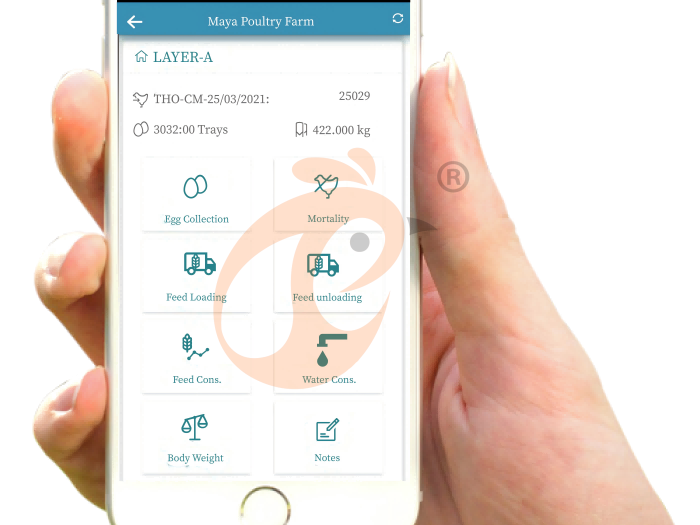
 IoT Smart Poultry FarmRead More
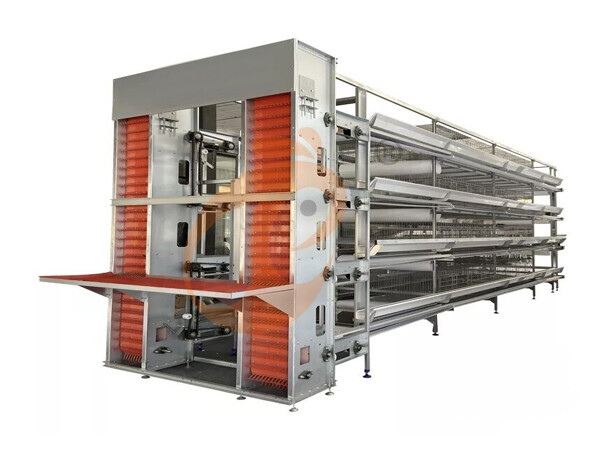
 >30,000 Layers Automatic H Type Battery CageRead More
 10,000 - 30,000 Layers Automatic A Type Battery CageRead More


MESSAGE
NEWS
 50,000 - 100,000 chickens/house: poultry farm solution, chicken cage, poultry farm equipment, AI smart managementRead More
 30,000 - 50,000 chickens/house: poultry farm solution, chicken cage, poultry farm equipment, AI smart managementRead More
 10,000 - 30,000 chickens/house: poultry farm solution, chicken cage, poultry farm equipment, AI smart managementRead More
 100 - 10,000 chickens/house: poultry farm solution, chicken cage, poultry farm equipment, AI smart managementRead More