

NEWS
Poultry feed pellet machine selection begins with matching farm demand to production capacities ranging from 300 kg/h to 6,500 kg/h.
Ring die pellet mill performance depends on motor power, die dimensions, compression ratio, and raw material characteristics.
Feed conditioning near 82 degrees celsius supports starch gelatinization and improves pellet formation under suitable processing conditions.
Complete poultry feed production lines integrate grinding, mixing, pelletizing, cooling, screening, and automated packaging equipment.
Equipment investment decisions should consider energy consumption, maintenance costs, pellet durability, and verified production efficiency.
Get professional poultry farm construction guidance, equipment selection solutions, and the latest price lists, whatsApp to +8618830120193, click to learn more.
Micro-Scale Farm Equipment Specifications
Compact poultry feed pellet machines suit smaller farms requiring manageable production volumes, stable operation, and consistent pellet dimensions.
Data is for reference only. Swipe horizontally to view full table.
Small-Scale Farm Parameter Specifications
Small poultry feed pellet machines require suitable electrical infrastructure, shaft dimensions, lubrication systems, and energy performance for reliable daily production.
Data is for reference only. Swipe horizontally to view full table.
Medium-Scale Production Specifications
Medium-capacity poultry feed pellet machines require durable ring dies, appropriate roller hardness, controlled bearing clearances, and correctly regulated steam conditioning.
Data is for reference only. Swipe horizontally to view full table.
Commercial-Scale Operational Data
Commercial poultry feed pellet machines integrate high-power drive motors, cutting assemblies, lubrication circuits, and exhaust systems to support continuous production.
Data is for reference only. Swipe horizontally to view full table.
Industrial-Scale Manufacturing Metrics
Industrial poultry feed pellet machines require robust die assemblies, coordinated hydraulic loading, overload protection, and sufficient cooling capacity for stable high-volume output.
Data is for reference only. Swipe horizontally to view full table.
Strategic Operating Tips For Maximizing Pellet Durability
Expert Tip Card: Pellet Durability Optimization
Tip One: Adjust The Cutter Position
Set the poultry feed pellet machine cutting knife according to manufacturer specifications, using 1.2 mm clearance only when approved for the specific ring die assembly.
Tip Two: Inspect Shear Pins Regularly
Inspect ring die pellet mill shear pins every two weeks under suitable operating conditions, increasing inspection frequency when heavier feed formulations create additional mechanical loading.
Tip Three: Control Conditioning Moisture
Maintain suitable moisture levels during poultry feed pelletizing, using 16.5 percent as an initial trial value rather than a universal operating target.
Die Compression Ratio Benchmarks
Poultry feed pellet machine die selection should reflect feed formulation, pellet diameter, required durability, and production throughput.
Data is for reference only. Swipe horizontally to view full table.
Complete Poultry Feed Line Workflow
A complete poultry feed production line integrates a hammer mill, batch mixer, pellet mill, counterflow cooler, classifier, and bagging equipment.
Production Process
Raw Material Bins
↓
Hammer Mill Grinding
Target particle size: 1.2 mm
↓
Multi-Ingredient Batch Mixer
Reference cycle: 180 seconds
↓
Pellet Mill Conditioning
Reference temperature: 82 degrees Celsius
↓
Ring Die Pelletizing
↓
Counterflow Cooling And Classification
↓
Screening, Conveying, And Bagging
Electrical And Structural Performance Specifications
Poultry feed pellet machine electrical specifications should match site power supply, enclosure protection, vibration monitoring requirements, and the installed motor configuration.
Data is for reference only. Swipe horizontally to view full table.
Complete Poultry Equipment Line Recommendations
Integrated poultry feed production lines should balance pelletizing capacity, mixing volume, cooling performance, and packaging throughput.
Starter Combo
A compact ring die pellet mill paired with a 500 kg vertical ribbon mixer can suit poultry farms managing fewer than 10,000 birds, subject to daily feed demand and operating schedules.
Industrial Combo
A commercial poultry feed pellet machine combined with heavy-duty conditioning, a counterflow cooling tower, automated conveying, and bagging equipment supports production systems designed for continuous 24-hour operation.
Frequently Asked Questions
Q1: What capacity poultry feed pellet machine does a small farm need?
A1: A small farm may consider machines rated between 300 kg/h and 850 kg/h, depending on flock size, daily feed consumption, and operating hours.
Q2: What conditioning temperature supports poultry feed pellet production?
A2: A starting reference of approximately 82 degrees celsius may support starch gelatinization, although the appropriate temperature depends on formulation, moisture, and conditioning time.
Q3: How can buyers compare ring die pellet mill efficiency?
A3: Compare verified throughput, specific energy consumption, pellet durability, die service life, and maintenance costs under comparable feed formulations and operating conditions.
Taiyu (HK) Group - One Of China's Largest Poultry Feed Pellet Machine Manufacturers
Poultry feed pellet machines support production capacities from 300 kg/h to 6,500 kg/h, subject to model configuration and feed formulation.
Global factory-direct supply integrates poultry equipment, including grinding, mixing, conditioning, pelletizing, cooling, conveying, and packaging systems.
Turn-key engineering projects coordinate equipment selection, process layout, electrical integration, installation, and commissioning for poultry feed facilities.
Technical specifications cover motor loading, ring die dimensions, conditioning parameters, cooling capacity, and production line integration.
Commercial project planning evaluates throughput requirements, equipment configuration, spare-parts support, and operating costs in us dollars.
Contact Us To Received Your Customized Poultry Farm Plan
Headquarters And Branchs

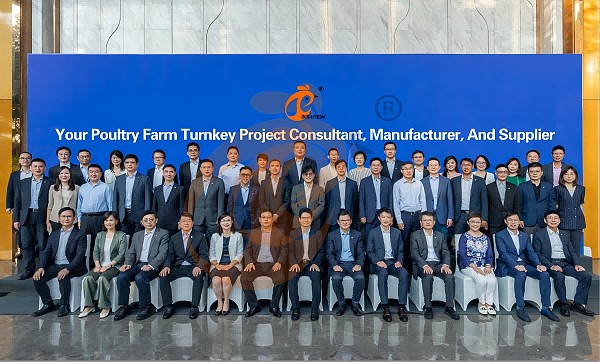
Hong Kong Headquarter Management Team
Hong Kong Headquarter Taiyu Industrial Group CO., LTD
China Hebei Best Machinery And Equipment CO., LTD
Nigeria Vanke Machinery And Equipment CO., LTD
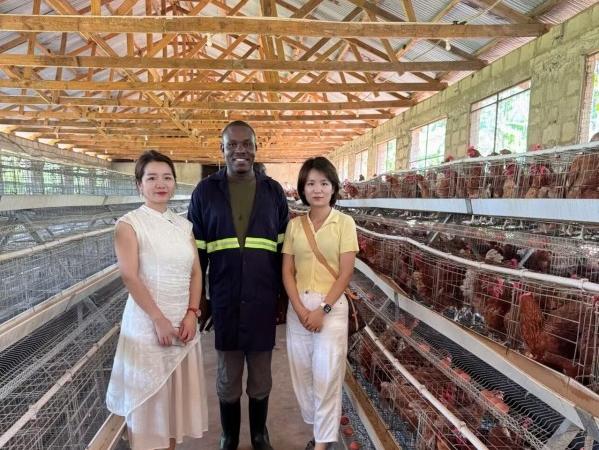
Tanzania Best Machinery And Equipment CO., LTD
Ethiopia Best Hebei Machinery Manufacturing PLC




Reception /24 WhatsApp NO. : +8618830120193
PRODUCTS RECOMMENDED
 China Branch Manufacture Poultry Farm EquipmentRead More
 Ethiopia Branch Manufacture Poultry Farm EquipmentRead More
 Nigeria Branch Manufacture Poultry Farm EquipmentRead More
 Tanzania Branch Manufacture Poultry Farm EquipmentRead More
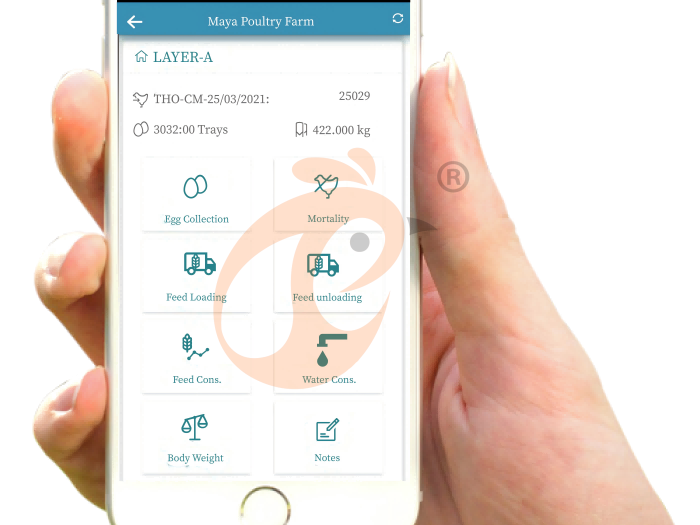
 IoT Smart Poultry FarmRead More
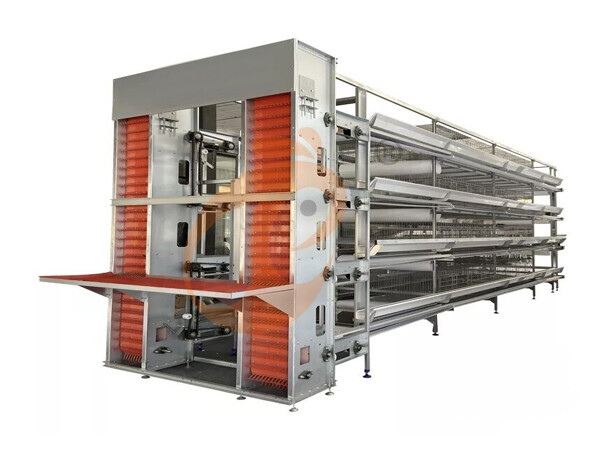
 >30,000 Layers Automatic H Type Battery CageRead More
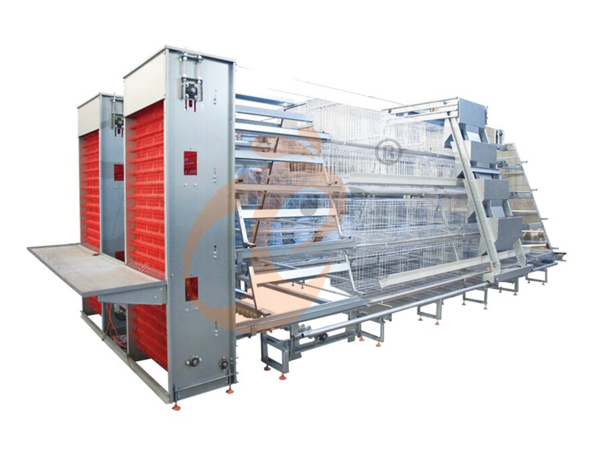
 10,000 - 30,000 Layers Automatic A Type Battery CageRead More
MESSAGE
NEWS
 50,000 - 100,000 chickens/house: poultry farm solution, chicken cage, poultry farm equipment, AI smart managementRead More
 30,000 - 50,000 chickens/house: poultry farm solution, chicken cage, poultry farm equipment, AI smart managementRead More
 10,000 - 30,000 chickens/house: poultry farm solution, chicken cage, poultry farm equipment, AI smart managementRead More
 100 - 10,000 chickens/house: poultry farm solution, chicken cage, poultry farm equipment, AI smart managementRead More