

BLOG
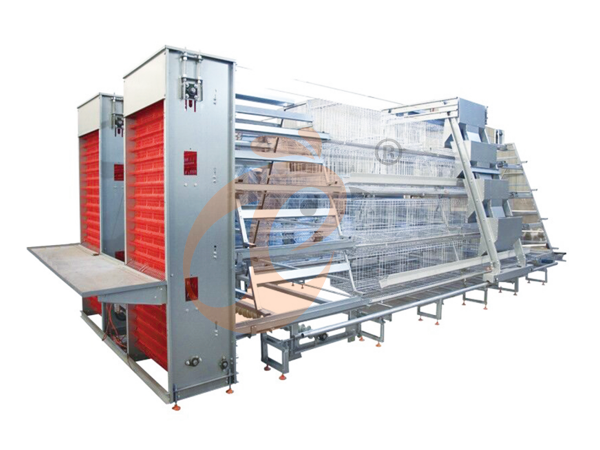
Layer cage system investment analysis requires evaluation of structural materials, surface protection technologies, automation configurations, manufacturing precision standards, and engineering support services.
Commercial poultry farming equipment pricing varies because different production specifications directly influence manufacturing costs and operational lifespan.
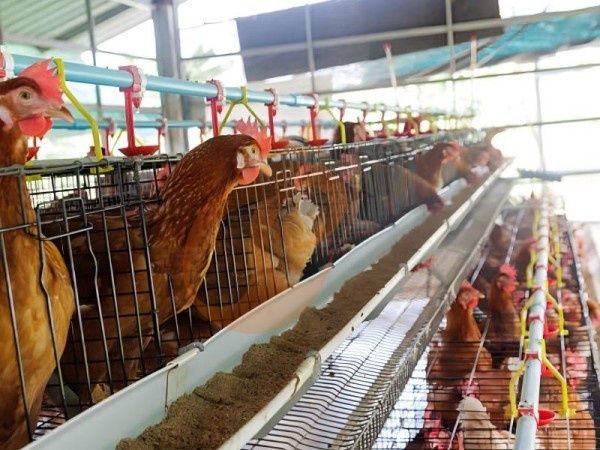
Automatic poultry cage solutions integrate feeding, drinking, manure removal, and egg collection functions that affect project budgets differently.
Engineering parameters such as steel thickness, zinc coating weight, processing tolerance, and equipment durability determine long-term economic performance.
Technical comparison of hidden cost factors helps poultry producers select reliable systems with optimized lifecycle value and stable production efficiency.
Get professional poultry farm construction guidance, equipment selection solutions, and the latest price lists, whatsApp to +8618830120193, click to learn more:
Steel Material Specifications
The primary factor affecting poultry cage pricing is the quantity and quality of steel used throughout the structure.
Steel represents the largest raw material cost in most poultry cage systems.
Even small differences in wire diameter, frame thickness, and support structure dimensions can significantly impact manufacturing expenses and structural strength.
Data is for reference only.Swipe horizontally to view full table.
Higher steel consumption increases equipment weight, transportation costs, and manufacturing expenses.
Commercial poultry farming equipment installed in houses containing 30,000 to 100,000 layers places substantial loads on structural members.
Insufficient steel thickness may result in bending, vibration, and reduced service life.
Surface Protection Technology
Poultry houses expose metal structures to aggressive environmental conditions.
Moisture, manure gases, dust, and cleaning chemicals continuously attack exposed steel surfaces.
The type of corrosion protection applied during manufacturing directly affects both equipment lifespan and price.
Data is for reference only.Swipe horizontally to view full table.
Hot-dip galvanizing requires additional production stages, including chemical cleaning, flux treatment, molten zinc immersion, cooling, and coating inspection.
These processes increase production costs but dramatically improve resistance to corrosion.
Poultry House Environmental Conditions
Corrosion occurs much faster in poultry houses than in ordinary industrial buildings.
Bird manure decomposes continuously and releases ammonia gas.
Combined with moisture and elevated temperatures, ammonia creates an environment that accelerates electrochemical reactions on metal surfaces.
Data is for reference only.Swipe horizontally to view full table.
These environmental conditions explain why advanced coating systems remain operational for decades under commercial production environments.
Proper ventilation management also influences equipment lifespan by controlling humidity and gas concentration levels.
Feeding Automation Systems
Automatic poultry cage projects typically include feeding equipment designed to improve labor efficiency and feed distribution consistency.
Manual feeding systems require minimal equipment investment but increase long-term operating expenses.
Data is for reference only.Swipe horizontally to view full table.
Larger farms generally benefit from automated feeding because labor expenses continue throughout the entire production period.
Feed distribution uniformity also contributes to flock performance consistency.
Labor Efficiency Impact
Labor costs represent a major component of commercial egg production expenses.
As flock size increases, automation becomes increasingly valuable.
Data is for reference only.Swipe horizontally to view full table.
Labor savings accumulated over many years can exceed the initial equipment cost difference between manual and automated systems.
Manufacturing Accuracy
Production precision affects installation quality and long-term system stability.
Modern layer cage system manufacturers increasingly use CNC processing equipment, robotic welding stations, laser cutting machines, and automated assembly systems.
Data is for reference only.Swipe horizontally to view full table.
Improved manufacturing accuracy reduces installation adjustments and helps maintain alignment between feeding, drinking, and egg collection systems.
Dimensional consistency becomes especially important in multi-tier cage projects.
Engineering And Technical Support
Many buyers focus only on hardware pricing while overlooking engineering services included in a quotation.
Professional suppliers often provide farm layout design, installation guidance, production planning, technical training, and after-sales support.
Data is for reference only.Swipe horizontally to view full table.
Large-scale projects require coordination between civil construction, ventilation systems, electrical systems, water supply systems, and poultry equipment.
Technical support helps ensure efficient system integration.
Investment Analysis
Many investors evaluate cage systems based solely on quotation value.
A more practical approach is to analyze annualized equipment cost throughout the entire service life.
Data is for reference only.Swipe horizontally to view full table.
European union standard reference only.
Longer equipment lifespan often generates stronger economic performance for poultry producers planning continuous operation across multiple production cycles.
Frequently Asked Questions
Q1: Why does the same bird capacity have different poultry cage prices?
Bird capacity alone does not determine equipment value.
Steel thickness, zinc coating weight, automation level, manufacturing precision, and engineering services all influence final project pricing.
Higher specifications generally increase durability and operational stability.
Q2: Is hot-dip galvanized poultry cage worth the additional cost?
Hot-dip galvanized systems typically provide significantly longer service life in poultry house environments.
Lower maintenance requirements and reduced replacement frequency often improve long-term economic performance.
Q3: Which factor has the greatest impact on lifetime cost?
Equipment lifespan usually has the greatest influence on lifetime cost.
A cage system operating for twenty years often delivers better value than a lower-priced system requiring replacement after five years.
Taiyu (HK) Group - One Of China Largest Poultry Cage Manufacturer Supplier
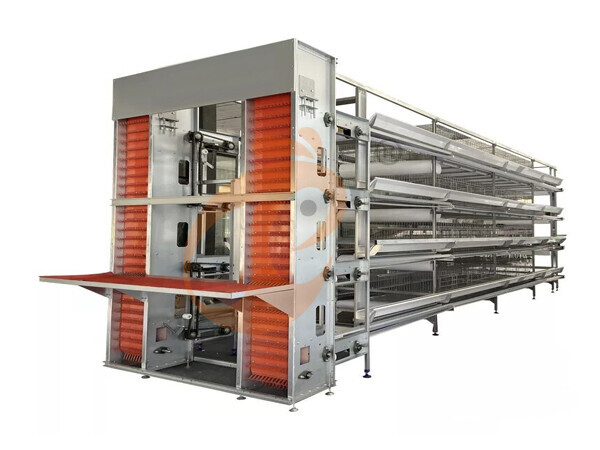
Layer cage system designed for commercial egg production farms with high-density bird capacity configuration and stable structural engineering.
Global factory direct supply of poultry equipment and poultry cage systems reducing intermediate procurement cost chains for large projects.
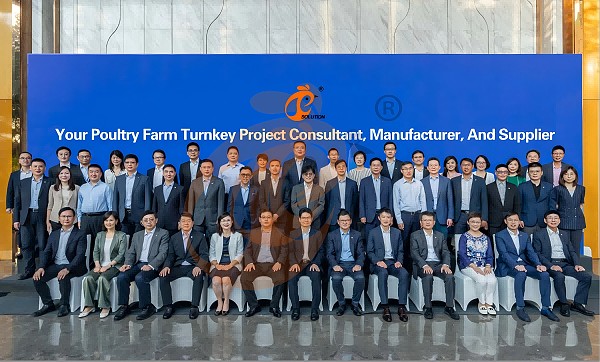
Turn-key poultry farming engineering covering layout design, installation guidance, and full automatic system integration services worldwide.
Advanced manufacturing base supporting steel processing, galvanizing production lines, and precision welding for poultry equipment fabrication.
International project experience delivering layer cage system solutions for Africa, Asia, Middle East, and Latin America poultry farms.
Contact Us To Received Your Customized Poultry Farm Plan
Headquarters And Branchs

Hong Kong Headquarter Management Team
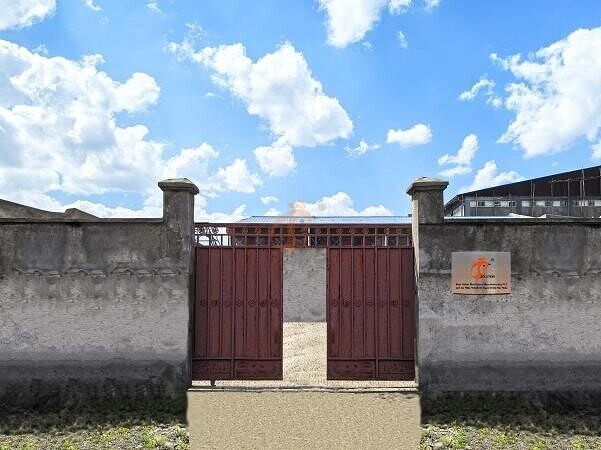
Hong Kong Headquarter Taiyu Industrial Group CO., LTD
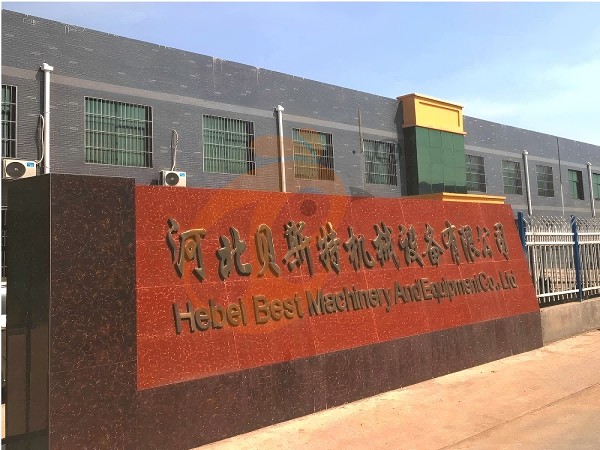
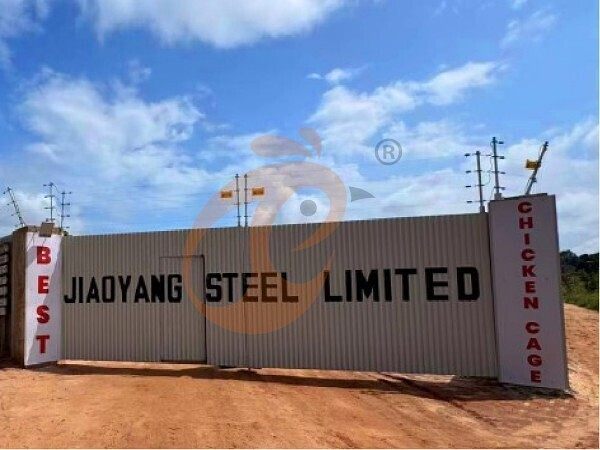
China Hebei Best Machinery And Equipment CO., LTD
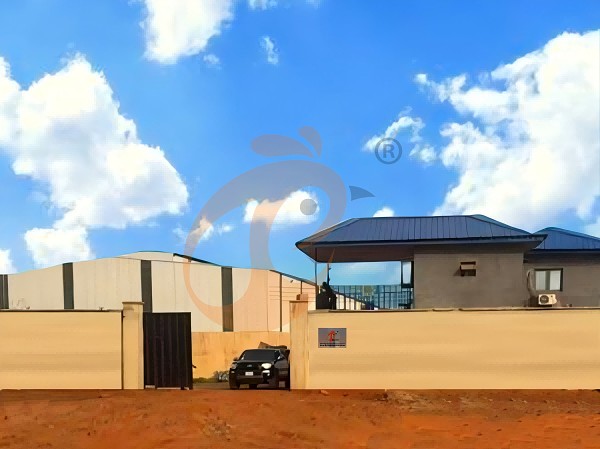
Nigeria Vanke Machinery And Equipment CO., LTD
Tanzania Best Machinery And Equipment CO., LTD
Ethiopia Best Hebei Machinery Manufacturing PLC
Reception /24 WhatsApp NO. : +8618830120193
PRODUCTS RECOMMENDED
 China Branch Manufacture Poultry Farm EquipmentRead More
 Ethiopia Branch Manufacture Poultry Farm EquipmentRead More
 Nigeria Branch Manufacture Poultry Farm EquipmentRead More
 Tanzania Branch Manufacture Poultry Farm EquipmentRead More
 IoT Smart Poultry FarmRead More
 >30,000 Layers Automatic H Type Battery CageRead More
 10,000 - 30,000 Layers Automatic A Type Battery CageRead More
MESSAGE
NEWS
 What Makes A Factory-Direct A Type Chicken Battery Cage More Cost-Effective? 4 ReasonsRead More
 Deep Litter System For Broilers Vs Cage | Which Is More Profitable?Read More
 Free Range Broiler System Vs Intensive Farming | Which Is More Profitable?Read More
 Broiler Floor Rearing System Cost | 6 Factors Affecting PriceRead More