

NEWS
- Feed mixer selection directly affects corrosion control, maintenance planning, and dependable feed preparation across modern poultry operations.
Poultry feed mixer construction determines how efficiently ingredients are processed under repeated loading, discharge, cleaning, and production cycles.
Chicken feed mixer material choices influence equipment longevity when humidity, mineral additives, feed dust, and washing interact.
Galvanized and stainless construction require different maintenance strategies, installation standards, and purchasing calculations for commercial farm projects.
- Engineering quality, correct sizing, fabrication accuracy, and application conditions ultimately determine whether equipment investment delivers dependable service over years.
Get professional poultry farm construction guidance, equipment selection solutions, and the latest price lists, whatsApp to +8618830120193, click to learn more:
Galvanized Vs Stainless Steel: Technical Comparison
Data is for reference only.Swipe horizontally to view full table.
Material selection affects how a feed mixer behaves throughout years of poultry-house operation.
Galvanized construction combines carbon-steel strength with a zinc barrier, while SUS304 contains a chromium-based passive surface.
For a commercial mixer, a typical tank plate can be specified at 3.0 mm, with structural reinforcement at 5.0 mm, depending on capacity.
The distinction becomes more important when the machine is exposed to water and feed residues.
Stainless steel forms its protective oxide layer naturally, while galvanized steel depends on its zinc surface.
In practical equipment design, maintaining a controlled surface roughness around Ra 3.2 μm can also support easier residue removal.
What Actually Determines Mixer Life?
Data is for reference only.Swipe horizontally to view full table.
A poultry feed mixer works through repeated loading, rotation, discharge, and cleaning cycles.
The mechanical load is therefore distributed across the tank, shaft, blades, bearings, gearbox, and discharge assembly.
A properly engineered 1,000 kg/batch unit may use a 15–22 kW drive, depending on mixer configuration and formulation.
This is why equipment durability should be evaluated as a complete mechanical system.
Shaft alignment within approximately 0.05 mm/100 mm and controlled rotor balance can reduce unnecessary vibration and protect transmission components over
extended operating cycles.
Galvanized Steel: The Practical Farm Option
Data is for reference only.Swipe horizontally to view full table.
For many chicken-house projects, galvanized construction provides a sensible balance between equipment investment and structural performance.
The zinc layer protects exposed steel through both barrier protection and sacrificial action, making a chicken feed mixer suitable for controlled indoor environments.
Manufacturing quality still matters.
A professional poultry equipment factory can control coating preparation and welding sequence to reduce coating defects.
A typical fabricated mixer may also be designed around a 1.5–2.0 safety factor for structural loading, depending on the selected machine configuration.
Stainless Steel: The Engineering Upgrade
Data is for reference only.Swipe horizontally to view full table.
Stainless steel becomes particularly useful when poultry equipment faces repeated washing, condensation, or chemical exposure.
Its chromium content enables formation of a passive surface film, while the nickel content supports its austenitic structure.
For feed mixer fabrication, stainless steel also allows manufacturers to design smooth contact areas around the mixing chamber.
Where trace ingredients are involved, maintaining a residual-feed layer below 1 mm after discharge can help reduce material carryover between formulations.
Capacity Changes The Material Decision
Data is for reference only.Swipe horizontally to view full table.
Larger chicken farms place greater demands on mixer structure because each batch contains substantially more material.
Commercial paddle mixers are available across approximately 500–4,000 kg per batch, with published configurations reaching 45–55 kW at the upper end.
For equipment selection, the farm's daily feed requirement should be converted into production cycles rather than choosing capacity by flock size alone.
A well-matched poultry feed mixer system can target approximately 8–20 mixing cycles per production day, depending on the feeding schedule and total feed demand.
Corrosion Resistance Under Poultry-House Conditions
Data is for reference only.Swipe horizontally to view full table.
Poultry houses can contain fine feed dust together with moisture from washing and ventilation.
In a controlled environment of approximately 20–30°C, galvanized equipment can provide reliable service when standing water is prevented from remaining on the machine.
In facilities where washdown is frequent, the equipment design should also account for drainage.
A tank floor slope of approximately 1–2° can assist water removal and reduce the time that moisture remains against the working surface.
Mixing Performance: Material Is Only One Variable
Data is for reference only.Swipe horizontally to view full table.
A chicken feed mixer must distribute grains, protein sources, minerals, vitamins, and other ingredients consistently.
Published poultry mixer specifications commonly target CV ≤5% for commercial paddle and double-shaft configurations.
For trace-ingredient applications, the loading sequence can be engineered around 30–90 seconds for premix incorporation, depending on formulation and machine geometry.
Sampling mixer output remains necessary for validating uniformity rather than relying only on machine specifications.
Cleaning And Feed Hygiene
Data is for reference only.Swipe horizontally to view full table.
Cleaning procedures should be matched to the material rather than treating every feed mixer identically.
Galvanized surfaces should not be subjected unnecessarily to aggressive chemicals that attack zinc, while stainless steel still requires appropriate chemical
selection to prevent localized corrosion.
For a commercial poultry equipment project, a practical cleaning cycle may use 10–15 minutes of controlled washing, followed by forced drainage and drying.
Why Construction Quality Matters More Than Material Label
Data is for reference only.Swipe horizontally to view full table.
A stainless steel shell cannot compensate for poor shaft alignment, undersized bearings, or an incorrectly selected gearbox.
Poultry feed mixer operation involves repeated torque fluctuations as different ingredients enter the mixing chamber.
For a poultry equipment manufacturer, controlling shaft runout to approximately 0.10 mm or less and maintaining motor insulation at Class F are examples of
engineering details that contribute directly to operating reliability.
Which Material Fits Your Chicken Farm?
Data is for reference only.Swipe horizontally to view full table.
The correct selection depends on the complete chicken-house environment.
A dry indoor broiler operation may obtain strong economic value from galvanized equipment, while a coastal or wash-intensive project may justify stainless
construction.
For example, a complete feeding line can be configured with a 0.5–4.0 m³ mixer chamber, allowing the manufacturer to match mixer size to conveying, storage,
and feeding capacity.
Compare Suppliers By Engineering Data
Data is for reference only.Swipe horizontally to view full table.
When purchasing chicken-house equipment, request a technical drawing and component list instead of accepting a general material description.
This makes it possible to compare two mixers on measurable engineering characteristics.
A professional supplier should also be able to integrate the feed mixer with conveyors, silos, weighing systems, and automatic controls.
Ingredient weighing systems can be designed around 0.5–1.0% control accuracy, while batch records can be digitally stored for production traceability.
Final Verdict: Which Feed Mixer Lasts Longer?
Data is for reference only.Swipe horizontally to view full table.
Actual galvanized coating thickness should be specified according to steel thickness, process standard, and project requirements.
So, which lasts longer?
In environments where moisture, washing, and corrosion are dominant failure factors, stainless steel generally provides the stronger long-term material solution.
In controlled chicken houses, galvanized construction can deliver a more economical equipment package while retaining substantial structural durability.
The key is not simply selecting stainless steel because it is a premium material.
The better strategy is to select the mixer according to farm conditions, feed formula, production volume, cleaning process, and equipment layout.
As a chicken-house equipment manufacturer, we can configure galvanized or stainless steel poultry feed mixer systems around complete feeding requirements.
Capacities from small farm batches to 4,000 kg per batch can be matched with weighing, discharge, and conveying configurations for project-specific production
requirements.
Frequently Asked Questions
Q1: Which feed mixer material lasts longer in humid poultry houses?
Stainless steel generally provides stronger corrosion resistance for humid environments, especially where condensation repeatedly occurs.
Galvanized construction remains suitable when moisture exposure is controlled and drainage prevents prolonged surface contact.
Q2: Is a stainless steel feed mixer worth the higher investment?
Stainless steel can justify additional investment when cleaning frequency, humidity, or corrosive exposure increases maintenance pressure.
A project assessment should compare expected service intervals with approximately 10–15 minute cleaning cycles and planned annual operating hours.
Q3: How should a chicken farm select mixer capacity?
Capacity should follow daily feed demand, batch frequency, ingredient density, and conveying arrangement rather than flock size alone.
A complete system can be engineered around 0.5–4.0 m³ chamber volumes and coordinated upstream and downstream equipment.
Taiyu (HK) Group - One Of China Toppest Feed Mixers Manufacturer
Feed mixer systems combine material selection, mixing geometry, drive engineering, and batch control, with configurations supporting commercial poultry production up to 4,000 kg per batch
Global factory-direct supply covers poultry equipment, including feeding, conveying, storage, weighing, and automated control assemblies
Turn-key engineering integrates farm layout assessment, equipment configuration, electrical coordination, installation documentation, and commissioning requirements
Export projects can be engineered for different poultry-house capacities, environmental conditions, utility standards, and production workflows
Factory manufacturing supports technical drawings, component selection, project coordination, spare-parts planning, and equipment specification review
Contact Us To Received Your Customized Poultry Farm Plan
Headquarters And Branchs
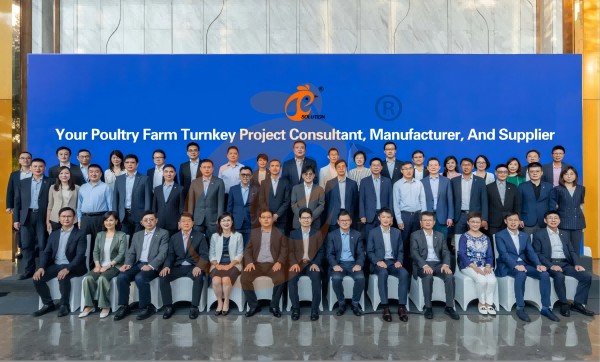
Hong Kong Headquarter Management Team
Hong Kong Headquarter Taiyu Industrial Group CO., LTD
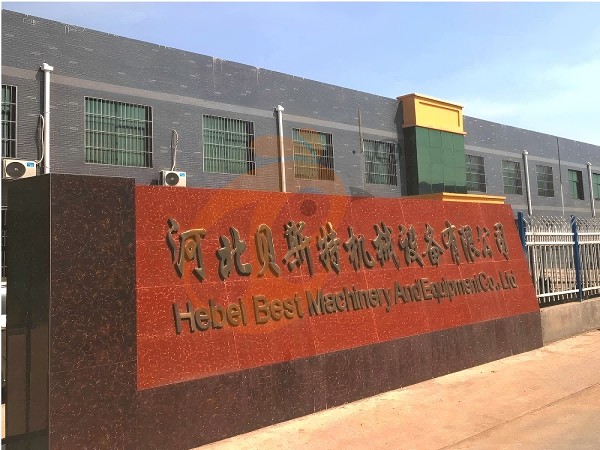
China Hebei Best Machinery And Equipment CO., LTD
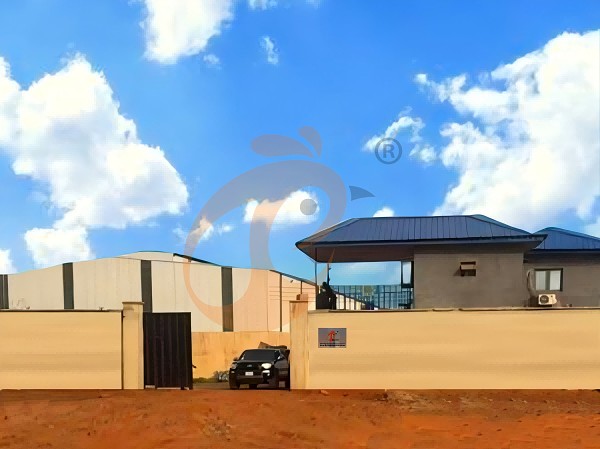
Nigeria Vanke Machinery And Equipment CO., LTD
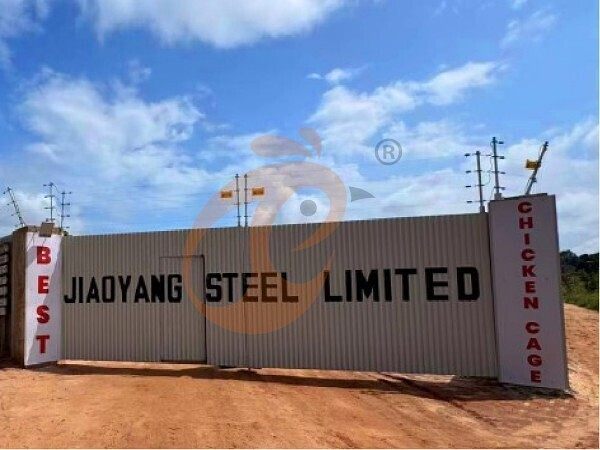
Tanzania Best Machinery And Equipment CO., LTD
Ethiopia Best Hebei Machinery Manufacturing PLC
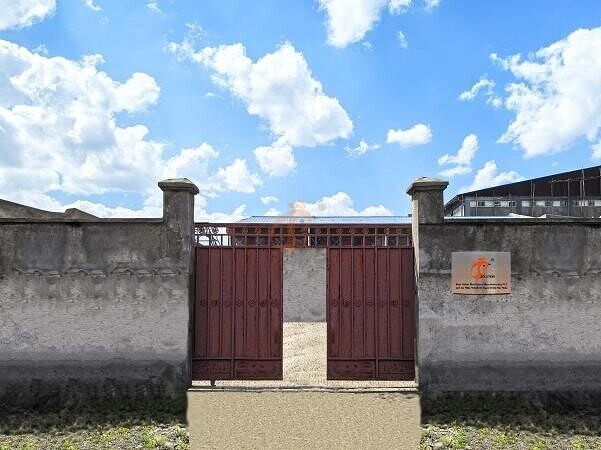
Reception /24 WhatsApp NO. : +8618830120193
PRODUCTS RECOMMENDED
 China Branch Manufacture Poultry Farm EquipmentRead More
 Ethiopia Branch Manufacture Poultry Farm EquipmentRead More
 Nigeria Branch Manufacture Poultry Farm EquipmentRead More
 Tanzania Branch Manufacture Poultry Farm EquipmentRead More
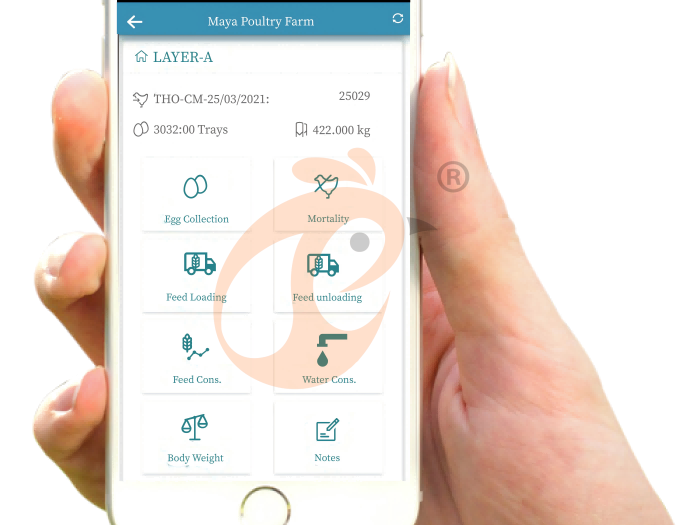
 IoT Smart Poultry FarmRead More
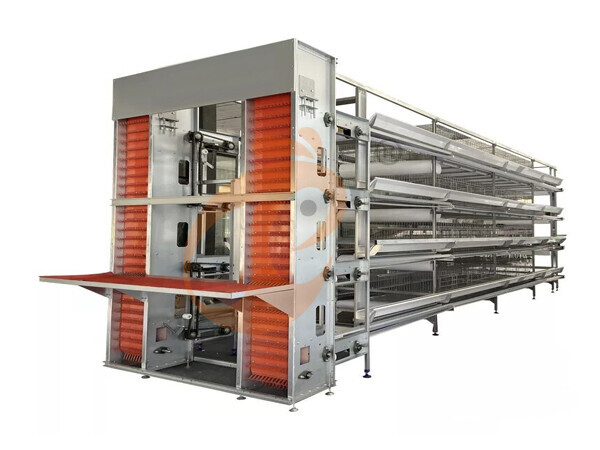
 >30,000 Layers Automatic H Type Battery CageRead More
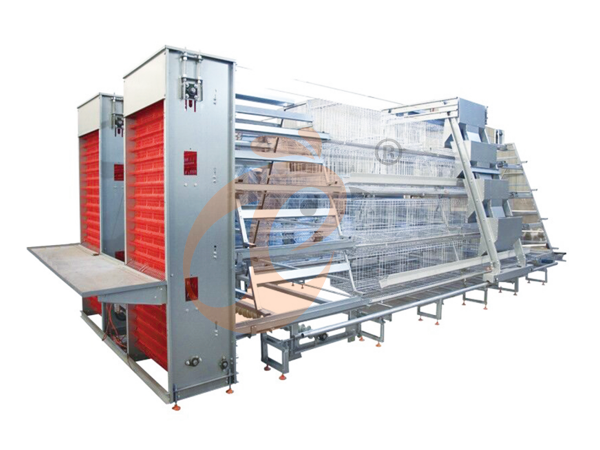
 10,000 - 30,000 Layers Automatic A Type Battery CageRead More
MESSAGE
NEWS
 50,000 - 100,000 chickens/house: poultry farm solution, chicken cage, poultry farm equipment, AI smart managementRead More
 30,000 - 50,000 chickens/house: poultry farm solution, chicken cage, poultry farm equipment, AI smart managementRead More
 10,000 - 30,000 chickens/house: poultry farm solution, chicken cage, poultry farm equipment, AI smart managementRead More
 100 - 10,000 chickens/house: poultry farm solution, chicken cage, poultry farm equipment, AI smart managementRead More