

NEWS
Free range poultry farming continues expanding across commercial agriculture because efficient maintenance planning directly influences production stability and operational expenditure.
Infrastructure condition, land utilization, and routine servicing contribute significantly to annual budgets across different poultry production environments.
Equipment durability affects replacement schedules, resource allocation, and long-term financial forecasting for sustainable farm development.
Management procedures involving pasture rotation, water distribution, and predator control help maintain consistent flock performance.
Cost evaluation methods presented throughout content provide practical guidance for improving operational efficiency and supporting informed investment decisions.
Get professional poultry farm construction guidance, equipment selection solutions, and the latest price lists, whatsApp to +8618830120193, click to learn more:
Understanding Main Cost Components
Free range operations require continuous attention to outdoor facilities, housing structures, grazing areas, and protective systems.
Maintenance budgets often include expenditures related to repairs, servicing, monitoring, and infrastructure preservation.
European union standard reference only.
Data is for reference only. Swipe horizontally to view full table.
Shelter maintenance generally represents a substantial portion of recurring operational expenses because outdoor structures remain
exposed to environmental conditions throughout production cycles.
Infrastructure Maintenance Requirements
A reliable poultry housing system provides protection, supports bird welfare, and minimizes unexpected repair expenses.
Fences, gates, shelters, feeding stations, and utility lines require scheduled inspections to maintain operational reliability.
Damaged infrastructure may increase labor requirements and reduce production efficiency.
Schedule Preventive Inspections
Preventive inspections allow operators to identify wear before failures affect daily farm activities.
Routine monitoring supports better budgeting and reduces emergency maintenance events.
Data is for reference only. Swipe horizontally to view full table.
Accurate inspection records also improve maintenance planning and equipment lifecycle management.
Scientific Perspective Of Pasture Management
Pasture ecosystems contribute to poultry health, environmental sustainability, and soil quality.
Healthy vegetation encourages natural foraging behavior while helping regulate nutrient distribution across ranging areas.
Scientific observations indicate that rotational grazing practices may reduce localized vegetation depletion and support improved ground recovery.
Balanced pasture utilization also helps maintain moisture retention and reduces erosion risks during seasonal weather fluctuations.
Rotate Grazing Areas Efficiently
Pasture rotation remains one of the most practical methods for controlling maintenance expenses.
Recovery periods allow vegetation regeneration and reduce future reseeding requirements.
Data is for reference only. Swipe horizontally to view full table.
Dividing larger ranging zones into multiple sections allows controlled bird movement and more balanced land utilization.
Improve Water System Efficiency
Water delivery systems directly influence sanitation conditions and resource consumption.
Minor leakage issues can gradually increase operating costs while creating muddy ground conditions around drinking areas.
Data is for reference only. Swipe horizontally to view full table.
Regular maintenance of pipes, valves, and filtration units helps maintain water quality and system performance.
Invest In Predator Prevention
Predator activity can result in direct livestock losses and additional infrastructure repair requirements.
Preventive measures often provide more predictable cost control compared with reactive solutions.
Data is for reference only. Swipe horizontally to view full table.
Integrated protection strategies generally combine physical barriers, monitoring equipment, and routine perimeter inspections.
Monitor Equipment Lifespan
Poultry farm equipment represents a significant long-term investment within free range operations.
Monitoring equipment age helps producers anticipate replacement schedules and avoid unexpected downtime.
Data is for reference only. Swipe horizontally to view full table.
Lifecycle tracking supports more accurate capital planning and resource allocation.
Labor Costs And Maintenance Efficiency
Labor remains an important maintenance expense across free range production systems.
Activities such as cleaning, inspection, monitoring, and repairs require consistent workforce participation.
Data is for reference only. Swipe horizontally to view full table.
Automation technologies may reduce labor requirements while improving consistency and operational efficiency.
Long-Term Cost Planning
Long-term maintenance planning helps producers distribute expenses more effectively throughout production cycles.
Budget forecasting should consider recurring service activities, infrastructure upgrades, equipment replacement schedules, and operational growth objectives.
Data is for reference only. Swipe horizontally to view full table.
Structured planning improves financial visibility and supports more informed investment decisions.
Frequnetly Asked Questions
Q1: How often should fence systems be inspected?
Monthly inspection intervals around 30 days help identify loose connections and damaged sections before structural failures occur.
Q2: What pasture area is recommended for 1,000 birds?
Outdoor ranging areas between 3,500 m² and 4,500 m² commonly support flock movement while allowing vegetation recovery.
Q3: How much water does a free range bird consume daily?
Average consumption ranges from 0.22 L to 0.31 L per bird per day depending on weather conditions and feed composition.
Taiyu (HK) Group - One Of China Largest Free Range Poultry System Manufacturer
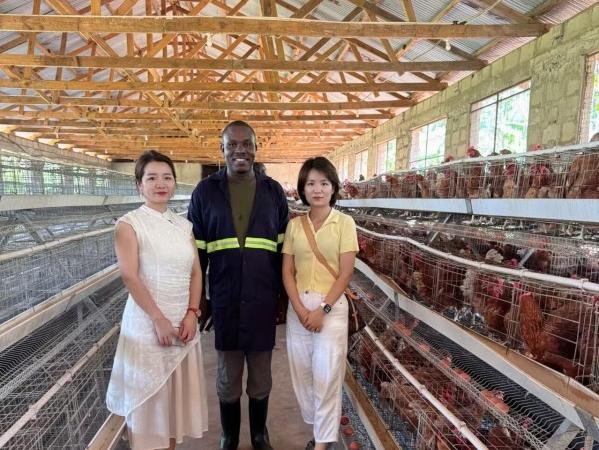
Free range poultry system projects support commercial layer farms, broiler farms, breeding facilities, and integrated agricultural developments under diverse environmental conditions.
Global factory-direct manufacturing enables standardized fabrication procedures, controlled component specifications, stable quality management, and predictable production scheduling.
Poultry equipment solutions include feeding systems, drinking systems, manure handling equipment, environmental control units, steel structures, and auxiliary farm infrastructure.
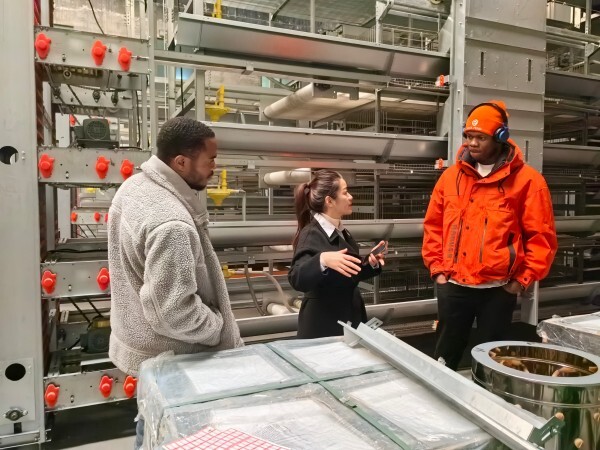
Turn-key engineering services cover project consultation, site planning, equipment integration, installation supervision, commissioning support, and operational training programs.
International project implementation supports contractors, investors, agricultural enterprises, and poultry producers seeking scalable production capacity and long-term operational reliability.
Contact Us To Received Your Customized Poultry Farm Plan
Headquarters And Branchs

Hong Kong Headquarter Management Team
Hong Kong Headquarter Taiyu Industrial Group CO., LTD
China Hebei Best Machinery And Equipment CO., LTD
Nigeria Vanke Machinery And Equipment CO., LTD
Tanzania Best Machinery And Equipment CO., LTD
Ethiopia Best Hebei Machinery Manufacturing PLC




Reception /24 WhatsApp NO. : +8618830120193
PRODUCTS RECOMMENDED
 China Branch Manufacture Poultry Farm EquipmentRead More
 Ethiopia Branch Manufacture Poultry Farm EquipmentRead More
 Nigeria Branch Manufacture Poultry Farm EquipmentRead More
 Tanzania Branch Manufacture Poultry Farm EquipmentRead More
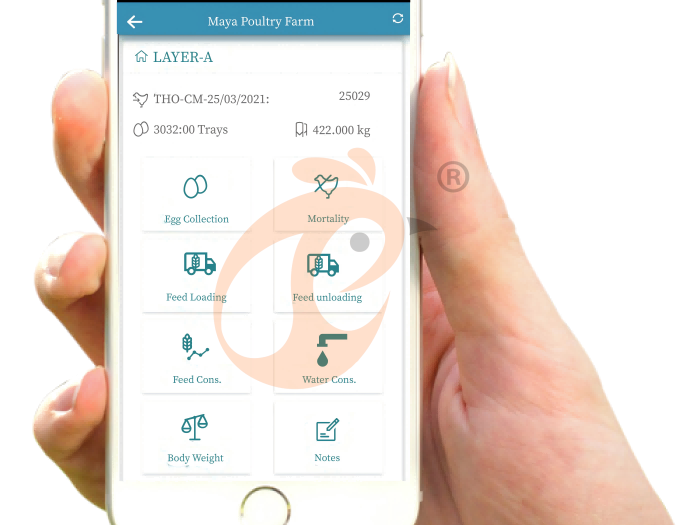
 IoT Smart Poultry FarmRead More
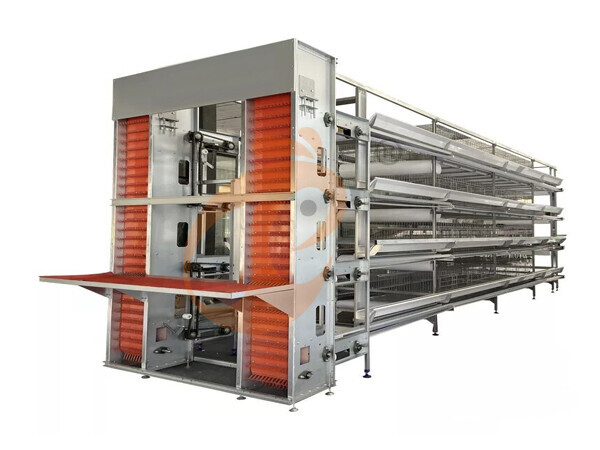
 >30,000 Layers Automatic H Type Battery CageRead More
 10,000 - 30,000 Layers Automatic A Type Battery CageRead More
MESSAGE
NEWS
 50,000 - 100,000 chickens/house: poultry farm solution, chicken cage, poultry farm equipment, AI smart managementRead More
 30,000 - 50,000 chickens/house: poultry farm solution, chicken cage, poultry farm equipment, AI smart managementRead More
 10,000 - 30,000 chickens/house: poultry farm solution, chicken cage, poultry farm equipment, AI smart managementRead More
 100 - 10,000 chickens/house: poultry farm solution, chicken cage, poultry farm equipment, AI smart managementRead More