

BLOG
Free range poultry system technology improves poultry welfare performance and environmental management efficiency through controlled outdoor movement management and scientific flock monitoring procedures.
Automatic poultry feeder integration supports balanced feed distribution accuracy within ±3% daily nutritional deviation under commercial production conditions.
Modern poultry farming equipment reduces operational pressure through negative-pressure ventilation systems operating at controlled airflow conditions.
Commercial poultry cage alternatives increase consumer acceptance for organic chicken farming and premium egg production across international agricultural markets.
Scientific free range poultry management enhances flock health stability, meat quality consistency, feed conversion efficiency, and sustainable agricultural profitability performance.
Get professional poultry farm construction guidance, equipment selection solutions, and the latest price lists, whatsApp to +8618830120193, click to learn more:
What Is A Free Range Poultry System?
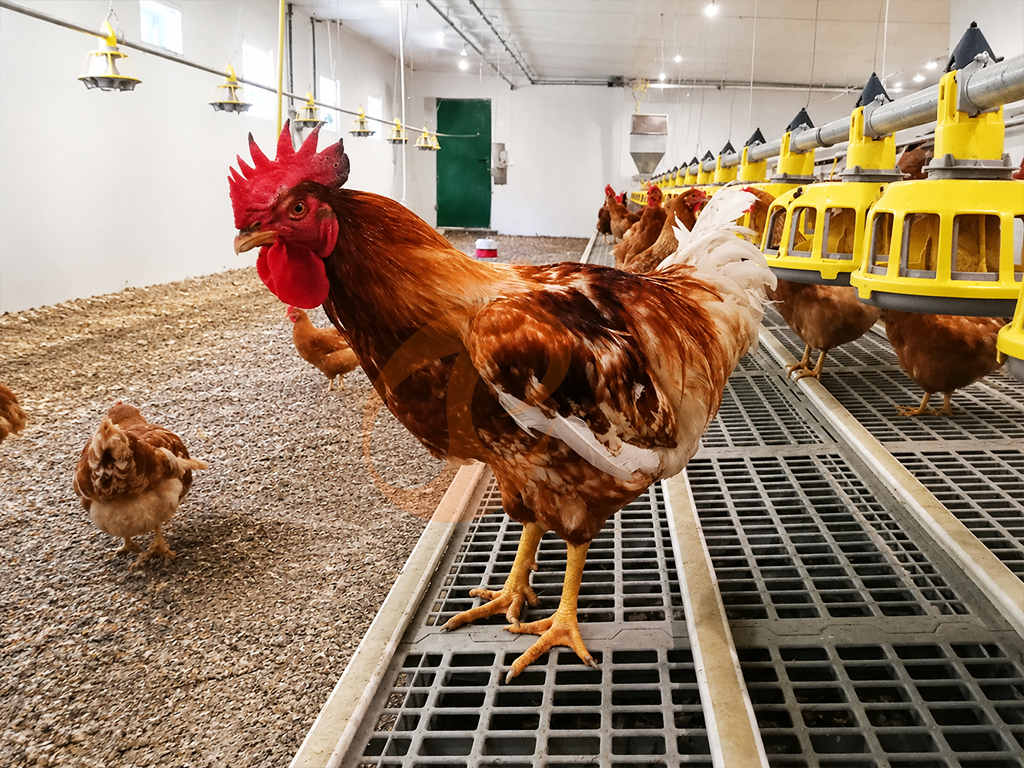
A free range poultry system refers to a farming method where chickens have regular outdoor access for movement, sunlight exposure, and natural ground interaction.
Birds are not permanently confined inside high-density cage structures.
Instead, poultry houses are connected to open exercise areas, grassland zones, or fenced outdoor fields supporting controlled poultry activity management.
Organic chicken farming operations frequently adopt free range production systems for premium meat and egg market positioning across global agricultural industries.
Core Characteristics Of Free Range Farming
Data is for reference only.Swipe horizontally to view full table.
Free range systems are widely used for broiler chickens, layer hens, ducks, turkeys, and specialty poultry breeds across medium-scale and industrial poultry operations.
Improved Poultry Welfare Performance
Enhanced poultry welfare performance directly influences production stability, mortality control, and commercial farm profitability across long-term production cycles.
Birds operating under controlled free movement environments demonstrate reduced feather damage, stronger skeletal development, and improved muscle structure formation.
Scientific poultry behavior analysis indicates that natural movement activity reduces aggressive flock competition and supports stable social hierarchy establishment inside production groups.
Balanced movement conditions also improve blood circulation efficiency and support stronger reproductive stability in commercial layer production systems.
Welfare Comparison Between Systems
Data is for reference only.Swipe horizontally to view full table.
Lower stress directly affects immune stability, appetite regulation, and long-term egg production consistency across commercial poultry operations.
Scientific Explanation Of Poultry Stress Reduction
Stress hormones such as corticosterone increase when birds experience overcrowding, poor ventilation, excessive ammonia concentration, or continuous confinement environments.
High stress levels negatively influence feed conversion ratio, egg production consistency, disease resistance performance, and skeletal development efficiency during commercial growth cycles.
Free range environments help regulate poultry biological rhythms through controlled outdoor exposure, increased physical activity, natural airflow circulation, and reduced aggressive social competition.
Commercial poultry farming equipment improves environmental regulation efficiency inside free range systems through humidity control sensors, ventilation automation systems, and intelligent feeding management platforms.
Lower ammonia concentration levels also support respiratory tract protection and stable oxygen exchange efficiency throughout poultry production stages.
Better Egg And Meat Quality
Consumers increasingly prefer poultry products produced under controlled natural farming environments supporting traceable agricultural production standards and welfare-oriented management systems.
Free range eggs and chicken meat often achieve stronger market value because of improved muscle texture, balanced fat distribution, darker yolk pigmentation, and enhanced nutritional perception.
Outdoor movement also contributes to firmer muscle fiber structure formation through continuous low-intensity physical activity during daily feeding behavior.
Nutritional Comparison Table
Data is for reference only.Swipe horizontally to view full table.
European union standard reference only.
Natural insect consumption, grass intake, and diversified outdoor feeding behavior may contribute additional micronutrients supporting balanced poultry nutritional composition.
Consumer Market Trends
Modern food buyers increasingly focus on animal welfare certification, antibiotic reduction standards, traceable agricultural production systems, and sustainable livestock management technologies.
Supermarkets and food distributors in Europe, North America, Southeast Asia, and Middle Eastern markets are expanding free range poultry product categories rapidly due to increasing premium food demand.
Commercial agricultural investors also prioritize poultry farming equipment supporting welfare-oriented production certification and long-term export compliance management.
Global cage-free egg production capacity has increased continuously during the past decade due to restaurant supply chain transformation and retail procurement policy adjustments.
Organic chicken farming markets also demonstrate stable annual consumption growth across urban consumer populations requiring premium protein products.
Global Poultry Market Trends
Data is for reference only.Swipe horizontally to view full table.
Farmers adopting free range systems can often access premium market channels supporting stronger profitability and export competitiveness.
Reduced Disease Pressure Through Lower Density
High-density confinement farming increases disease transmission risks because airborne pathogens spread rapidly inside overcrowded poultry house environments.
Free range systems distribute birds across wider areas, reducing direct contact frequency and minimizing respiratory disease pressure during seasonal climate fluctuations.
Lower indoor stocking density also improves airflow efficiency and decreases moisture accumulation inside litter management zones.
Reduced bacterial concentration also contributes to lower footpad dermatitis frequency and more stable flock respiratory performance throughout long-term production cycles.
Disease Risk Comparison
Data is for reference only.Swipe horizontally to view full table.
Better air exchange also decreases harmful gas accumulation such as ammonia and carbon dioxide inside poultry housing facilities.
Poultry Ventilation Science
Ventilation engineering remains one of the most important operational factors in commercial poultry farm construction and environmental management systems.
Improper airflow distribution causes excessive humidity accumulation, bacterial growth acceleration, respiratory irritation, and unstable thermal comfort conditions inside production facilities.
Free range systems support natural airflow circulation combined with supplemental mechanical ventilation equipment improving environmental stability across seasonal production stages.
Modern poultry farming equipment also integrates negative-pressure ventilation fans for medium-scale production houses.
Proper environmental management directly supports flock survival rate, feed conversion performance, and commercial productivity efficiency.
Lower Long-Term Operational Stress
Although free range systems require larger land investment, many farms experience reduced long-term operational pressure through balanced environmental management and lower disease treatment frequency.
Birds raised in healthier environments often require fewer emergency medications, lower mortality management expenses, and reduced mechanical cooling dependence during summer production periods.
Balanced welfare management also improves egg production consistency and reduces sudden flock performance fluctuation caused by environmental stress pressure.
Long-term sustainability becomes increasingly important as global energy prices, agricultural labor expenses, and welfare regulations continue rising across international poultry industries.
Operational Cost Structure
Data is for reference only.Swipe horizontally to view full table.
European union standard reference only.
Operational balance becomes increasingly important as energy prices and welfare regulations continue rising globally.
Environmental Sustainability Advantages
Environmental sustainability has become a major concern in agricultural development, livestock management engineering, and international food production industries.
Free range poultry systems support more natural ecological cycles through distributed manure deposition, reduced concentrated waste accumulation, and improved grassland nutrient recycling efficiency.
Manure distributed across outdoor areas contributes to agricultural soil fertility improvement while reducing centralized waste treatment pressure inside poultry production facilities.
Lower mechanical cooling dependence also reduces electricity consumption across medium-scale and industrial poultry operations.
Integrated crop-livestock farming models frequently combine poultry with grass management systems supporting balanced ecological agricultural production structures.
Environmental Performance Table
Data is for reference only.Swipe horizontally to view full table.
Integrated agricultural systems also improve land utilization efficiency and long-term farm sustainability management performance.
How Poultry Manure Improves Agricultural Soil
Poultry manure contains nitrogen, phosphorus, potassium, organic matter, calcium, magnesium, and trace minerals supporting crop growth and soil microbial activity development.
Properly managed manure application improves soil aeration capacity, water retention performance, and nutrient exchange efficiency inside agricultural cultivation systems.
Balanced manure recycling also reduces synthetic fertilizer dependence and supports sustainable agricultural resource management across integrated livestock farming systems.
Scientific compost treatment additionally reduces bacterial contamination risk and stabilizes organic decomposition performance before field application procedures.
Poultry Manure Nutrient Content
Data is for reference only.Swipe horizontally to view full table.
This creates valuable synergy between poultry farming and agricultural cultivation operations.
Stronger Brand Value And Market Competitiveness
Modern consumers increasingly associate free range poultry products with food safety, welfare-oriented farming management, traceable agricultural production, and premium nutritional quality standards.
Restaurants, hotels, supermarkets, and international food distributors often prioritize suppliers operating scientifically managed free range poultry systems supporting export certification requirements.
Commercial farms producing welfare-certified poultry products generally achieve stronger long-term customer retention and more stable premium retail positioning across competitive agricultural markets.
Free range poultry products also demonstrate stronger demand growth within urban middle-income consumer populations requiring natural protein food sources.
Brand development efficiency improves significantly when production systems align with international welfare standards and sustainable farming expectations.
Commercial Value Comparison
Data is for reference only.Swipe horizontally to view full table.
Farm branding becomes easier when production methods align with consumer expectations and agricultural sustainability standards.
Recommended Management Practices For Free Range Farms
Successful free range poultry farming still requires scientific management systems combining environmental engineering, nutrition control, biosecurity regulation, and intelligent monitoring technologies.
Outdoor access alone cannot guarantee productivity without professional operational control supporting stable flock health and balanced environmental management performance.
Automatic poultry feeder systems also improve feed distribution consistency and reduce nutritional competition between production groups.
Scientific vaccination scheduling, litter drying management, and water sanitation monitoring remain essential for maintaining commercial flock productivity efficiency throughout annual production cycles.
Balanced engineering design and animal management remain essential for commercial poultry production success.
Key Management Recommendations
Data is for reference only.Swipe horizontally to view full table.
Professional environmental control systems improve long-term production consistency and commercial poultry management efficiency.
Common Challenges Of Free Range Poultry Systems
Every farming system contains operational limitations requiring technical planning, environmental regulation, and professional management experience for stable commercial productivity.
Free range poultry farming requires larger land allocation, controlled predator protection systems, seasonal climate management, and stable outdoor biosecurity procedures supporting flock safety.
Heavy rainfall conditions may increase soil moisture accumulation and create bacterial growth pressure inside outdoor movement zones if drainage systems remain insufficient.
Extreme seasonal temperature fluctuations also require supplemental heating or cooling equipment supporting stable poultry comfort conditions throughout annual production cycles.
However, modern poultry technology solutions significantly reduce operational difficulties through automated monitoring systems, intelligent ventilation management, and scientific environmental engineering integration.
Technology Integration In Modern Free Range Farming
Advanced free range farms now integrate automatic feeders, smart environmental sensors, solar-powered ventilation systems, RFID flock tracking platforms, automated water supply lines, and remote production monitoring technologies.
These technologies improve management precision while maintaining natural poultry living conditions supporting balanced welfare-oriented production systems.
Commercial smart poultry farming equipment commonly operates through centralized environmental control software monitoring temperature, humidity, airflow velocity, feed consumption, and water intake simultaneously.
Modern production monitoring platforms also support real-time disease detection and operational performance analysis through intelligent agricultural data management technologies.
Smart Farming Equipment Benefits
Data is for reference only.Swipe horizontally to view full table.
Technology integration transforms traditional free range farming into a highly efficient commercial production model.
Frequently Asked Questions
Q1: What is the main advantage of free range poultry farming?
Free range poultry farming improves poultry welfare, reduces stress pressure, enhances respiratory health performance, and supports stronger meat and egg quality stability across commercial production cycles.
Commercial farms also achieve stronger consumer acceptance and premium retail positioning through welfare-oriented agricultural production methods supporting sustainable farming standards.
Q2: Does free range poultry farming reduce disease risks?
Lower stocking density and improved natural ventilation help reduce respiratory disease transmission frequency, ammonia accumulation, and excessive litter moisture development inside poultry housing facilities.
Scientific biosecurity management, vaccination scheduling, and environmental monitoring systems remain necessary for maintaining stable flock health conditions and long-term production efficiency.
Q3: Is free range poultry farming more expensive?
Initial land investment and fencing installation costs are generally higher than conventional poultry cage systems because outdoor management requires larger operational space allocation.
However, reduced disease treatment expenses, stronger retail pricing performance, and lower mortality losses frequently improve long-term profitability performance across commercial free range operations.
European union standard reference only.
Taiyu (HK) Group - One Of China Largest Free Range Poultry System Exporter
Professional free range poultry system solutions supporting commercial layer and broiler farm productivity worldwide
Global factory-direct poultry equipment manufacturing reducing international procurement and transportation operational costs significantly
Durable poultry cage and automatic feeder systems supporting stable long-term agricultural production efficiency improvements
Professional Turn-key poultry farm engineering including ventilation installation, feeding systems, and technical training services
International export experience supporting Africa, Asia, Middle East, and South America poultry development projects
Contact Us To Received Your Customized Poultry Farm Plan
Headquarters And Branchs
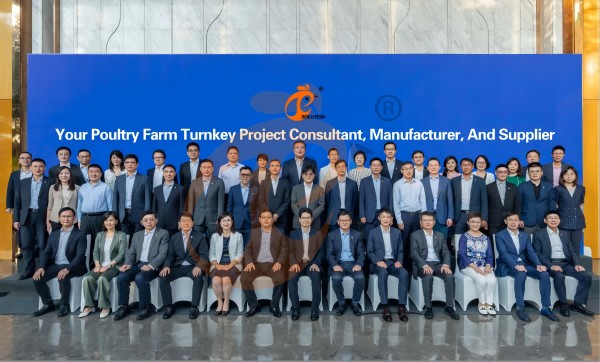
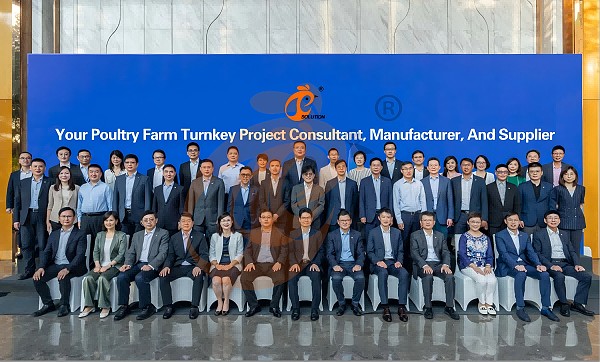
Hong Kong Headquarter Management Team
Hong Kong Headquarter Taiyu Industrial Group CO., LTD
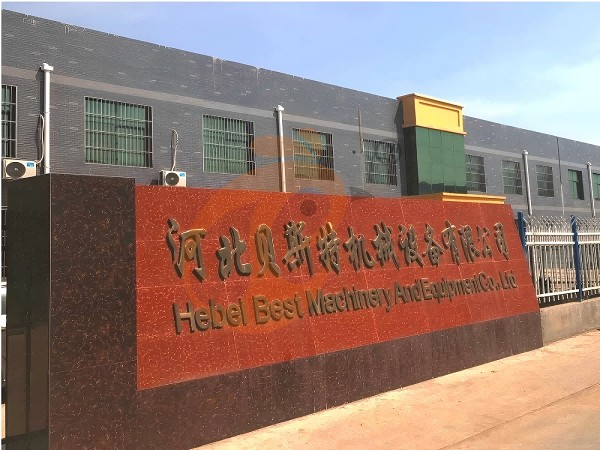
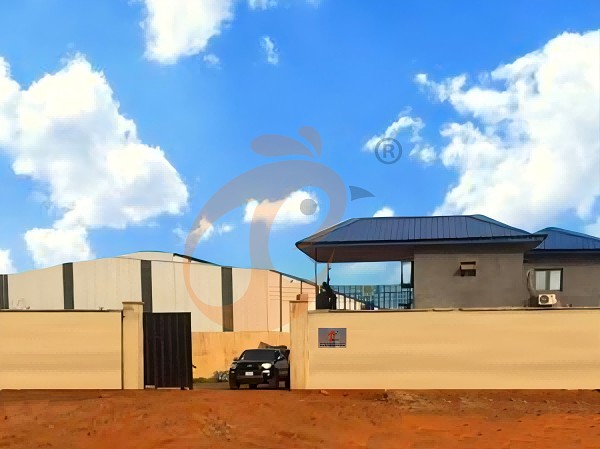
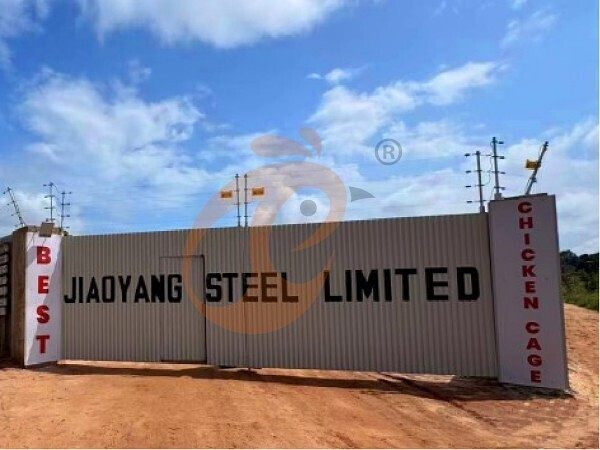
China Hebei Best Machinery And Equipment CO., LTD
Nigeria Vanke Machinery And Equipment CO., LTD
Tanzania Best Machinery And Equipment CO., LTD
Ethiopia Best Hebei Machinery Manufacturing PLC

Reception /24 WhatsApp NO. : +8618830120193
PRODUCTS RECOMMENDED
 China Branch Manufacture Poultry Farm EquipmentRead More
 Ethiopia Branch Manufacture Poultry Farm EquipmentRead More
 Nigeria Branch Manufacture Poultry Farm EquipmentRead More
 Tanzania Branch Manufacture Poultry Farm EquipmentRead More
 IoT Smart Poultry FarmRead More
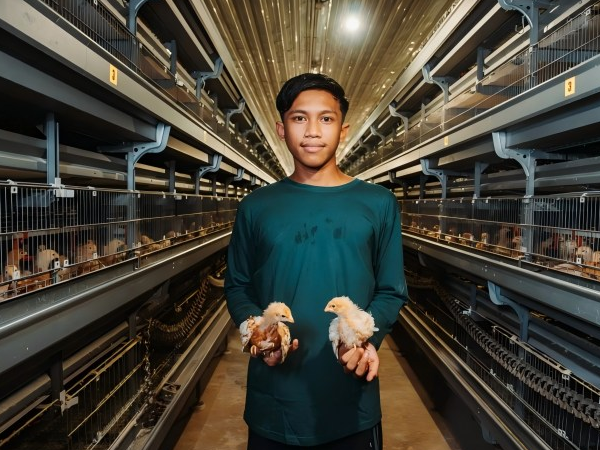
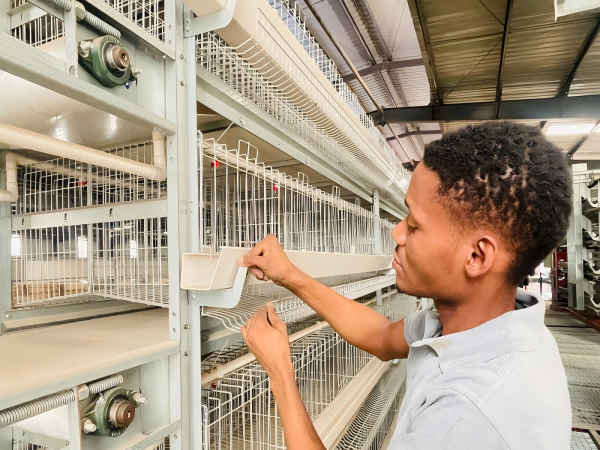
 >30,000 Layers Automatic H Type Battery CageRead More
 10,000 - 30,000 Layers Automatic A Type Battery CageRead More
MESSAGE
NEWS
 How To Choose A Reliable H Type Chicken Cage Supplier For Poultry Farms?Read More
 Floor Rearing System For Layers | Cost, Egg Production And Management TipsRead More
 How To Plan Poultry Farm Equipment Budget | 6 Key FactorsRead More
 How To Reduce Operating Costs With Battery Cage For Layers Systems | 6 TipsRead More