

BLOG
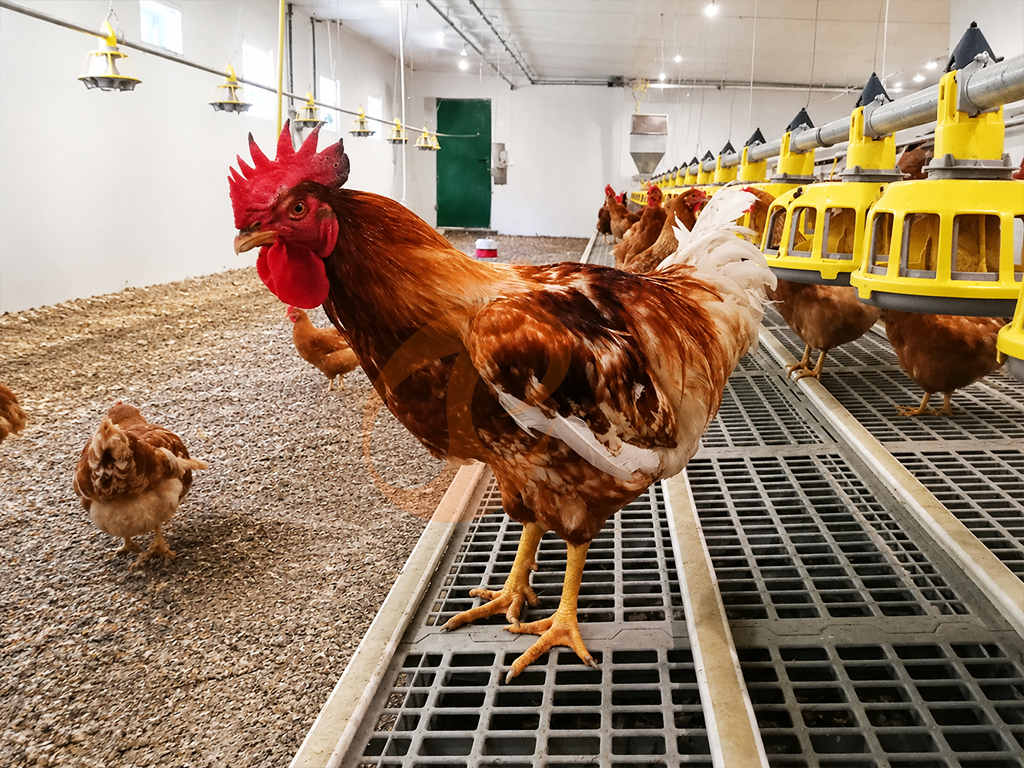
Floor rearing system integrates controlled poultry housing engineering with litter-based production design for commercial broiler farming efficiency optimization and stability enhancement.
System architecture combines ventilation control feeding automation drinking infrastructure and environmental regulation to maintain consistent flock performance across production cycles.
Engineering configuration supports uniform stocking density distribution improving feed conversion efficiency weight gain consistency and mortality reduction metrics in poultry operations.
Biological environment design enables litter microbial balance ammonia reduction and thermal stability supporting respiratory health and growth uniformity in broiler production systems.
Modular construction framework allows scalable farm expansion with standardized equipment integration reducing infrastructure cost and improving long-term operational productivity outcomes.
Get professional poultry farm construction guidance, equipment selection solutions, and the latest price lists, whatsApp to +8618830120193, click to learn more:
Floor Rearing System As A Modern Production Product
Floor rearing system integrates controlled poultry engineering environmental regulation and performance-based broiler production across commercial farm structures platform.
Feed distribution architecture supports uniform intake behavior across broiler floor system commercial density poultry environments control layers.
Litter management stability enables microbial balance and ammonia control in deep litter poultry system production cycles.
Ventilation engineering regulates temperature humidity and airflow consistency for poultry floor rearing system efficiency performance optimization.
Automated feeding and drinking lines maintain precise resource allocation reducing competition stress and mortality rates index.
Structural modular design allows scalable expansion of broiler floor system farms without infrastructure reconstruction delays phase.
In practical farm operation feeder line pressure stability is typically maintained at 0.18–0.25 MPa ensuring consistent pellet delivery across long distance feeding networks.
Drinking line flushing cycles are commonly set at 36–48 hours to prevent biofilm formation and maintain water hygiene stability across production cycles.
Core System Components And Engineering Structure
The floor rearing system operates through integrated physical and environmental components that maintain stable production conditions.
Each component has a measurable function that contributes to flock performance consistency and supports poultry floor rearing system stability.
Data is for reference only.Swipe horizontally to view full table.
These components interact to create a controlled production environment where feed intake hydration and movement patterns remain stable across the flock cycle.
Feeding auger rotational speed is typically calibrated at 3.5–4.2 rpm to ensure uniform feed transport across long barn structures
exceeding 90 meters in length.
Housing Density And Spatial Performance Design
Stocking density is a critical design parameter in floor rearing systems because it directly influences feed efficiency stress distribution and growth uniformity.
Proper density planning ensures that birds maintain access to feeders and drinkers without competition pressure.
The system is typically adjusted according to bird age and production stage with gradual density transitions as birds grow.
Data is for reference only.Swipe horizontally to view full table.
This structured density transition reduces overcrowding stress and supports uniform growth distribution across the flock.
Litter surface temperature typically stabilizes at 28–32°C during early brooding stage supporting chick thermoregulation in the first week of production.
Production Performance Metrics In Floor Systems
Production efficiency in floor rearing systems is commonly evaluated through feed conversion ratio body weight gain and survival rate.
The system’s ability to support natural movement contributes to muscle development efficiency while maintaining controlled feed consumption patterns.
These measurable outputs define farm profitability at scale.
Data is for reference only.Swipe horizontally to view full table.
These values reflect typical commercial broiler floor rearing performance under controlled environmental management.
Daily water intake per bird increases from 80 ml to 420 ml across the full growth cycle reflecting metabolic acceleration patterns.
Welfare Indicators Measured Through Behavioral Science
Animal welfare in floor systems can be quantified through behavioral frequency analysis and space utilization patterns.
Birds exhibit measurable increases in locomotion dust bathing cycles and social interaction frequency compared with cage systems.
These indicators are directly linked to stress hormone reduction and immune stability.
Data is for reference only.Swipe horizontally to view full table.
The data demonstrates that movement-based welfare expression is significantly higher in floor environments.
Wing flapping frequency reaches 35–60 events per 100 birds per day during peak growth stages indicating stronger musculoskeletal activation.
Environmental Control And Disease Pressure Metrics
Air quality and microbial load are essential determinants of flock health.
Floor rearing systems require active ventilation and litter management to maintain ammonia concentration and humidity within acceptable thresholds.
Data is for reference only.Swipe horizontally to view full table.
Maintaining these parameters reduces respiratory stress and improves long-term flock stability.
CO₂ concentration is typically maintained between 1200–2000 ppm in optimized production houses supporting stable oxygen exchange efficiency.
Cost Structure And Economic Efficiency Analysis
The floor rearing system is widely adopted due to its predictable cost structure and lower mechanical dependency compared to cage systems.
The economic model is based on reduced equipment investment and simplified maintenance cycles.
Data is for reference only.Swipe horizontally to view full table.
The cost differential becomes more significant as farm scale increases.
Ventilation energy consumption typically ranges from 0.06–0.11 kWh per bird cycle depending on insulation efficiency and seasonal climate variation.
European union standard reference only
Litter Performance And Biological Recycling System
Litter is a functional biological layer rather than passive flooring material.
It manages moisture absorption microbial decomposition and nitrogen conversion processes.
Data is for reference only.Swipe horizontally to view full table.
Proper litter management extends system lifespan and improves environmental stability.
Nitrogen volatilization reduction efficiency reaches 38–52% when litter turning is performed every 48–72 hours under controlled ventilation conditions.
Growth Uniformity And Performance Distribution
Uniformity is a key performance indicator in commercial poultry production because it determines processing efficiency and market grading consistency.
Floor systems improve distribution uniformity by enabling equal access to feed and movement space.
Data is for reference only.Swipe horizontally to view full table.
These indicators show that controlled floor systems maintain acceptable production consistency for commercial processing standards.
Carcass yield efficiency stabilizes at 72–74% in optimized production environments.
Management Protocols For Stable Operation
Operational success depends on continuous monitoring rather than static design.
Key management actions include litter turning schedules ventilation adjustment cycles and feeding line calibration.
Farms typically operate monitoring intervals every 6–12 hours to ensure stable environmental conditions.
Feed distribution must remain synchronized across all lines to prevent localized overconsumption zones.
Water systems require periodic flushing cycles of 24–48 hours depending on water quality.
These management routines ensure biological performance aligns with system design parameters throughout the production cycle.
Sensor calibration intervals are typically set at 72 hours ensuring real-time environmental accuracy across monitoring systems.
Comparative System Efficiency Overview
A structured comparison between floor rearing cage and free-range systems highlights its balanced production profile.
Data is for reference only.Swipe horizontally to view full table.
The floor system occupies a central performance zone between efficiency and welfare.
Frequently Asked Questions
Q1: What makes the floor rearing system suitable for commercial poultry farms?
The floor rearing system supports stocking density from 8 to 30 birds per square meter and allows structured movement which improves feed distribution and flock uniformity.
Production data shows body weight reaching 2850 g by day 56 with mortality rates between 2.0% and 3.0% under controlled management making it suitable for scalable broiler operations.
Q2: How does the floor rearing system improve production efficiency compared to other systems?
Feed conversion ratio in floor systems ranges from 1.45 to 1.78 supported by automatic feeding lines serving 80–120 birds per line and nipple drinkers supporting 8–12 birds per point.
These measurable parameters reduce feed waste and improve weight gain consistency compared to cage-based systems.
Q3: What environmental conditions are required for a stable floor rearing system?
Stable operation requires ammonia concentration maintained between 12–22 ppm humidity between 55–68% and temperature between 22–26°C.
Ventilation systems with 8000–22000 m³/h airflow capacity are used to maintain air quality and reduce airborne bacteria levels to 8000–13500 CFU/m³.
Taiyu (HK) Group - One Of China Largest Floor Rearing System Manufacturer
Floor rearing system designed for high-capacity commercial broiler production with stable environmental control and long-term operational efficiency performance
Global factory direct supply provides poultry equipment integration with standardized manufacturing process and consistent export quality assurance systems
Poultry equipment solutions include feeding systems ventilation systems drinking lines and automated control units for industrial poultry farms worldwide
Poultry cage and hybrid housing structures available for diversified farm design requirements supporting multiple production models and configurations
Turn-key poultry engineering projects delivered with complete installation planning system design and on-site commissioning service for large farms
Contact Us To Received Your Customized Poultry Farm Plan
Headquarters And Branchs
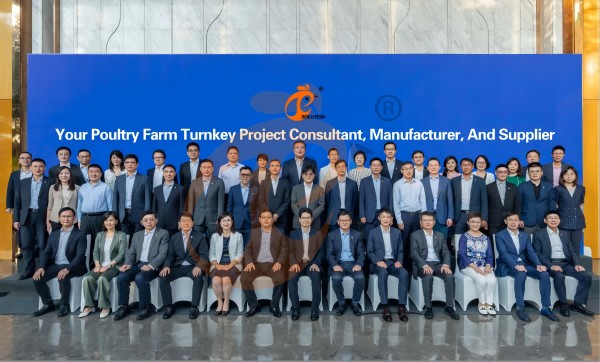
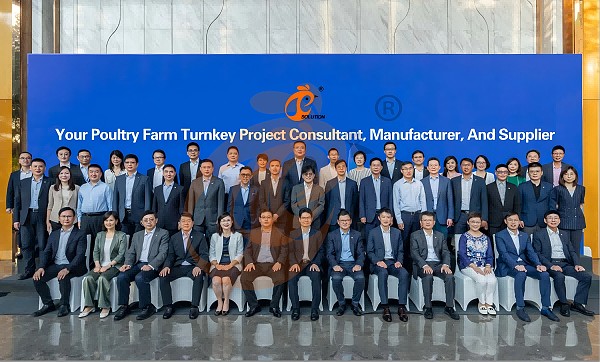
Hong Kong Headquarter Management Team
Hong Kong Headquarter Taiyu Industrial Group CO., LTD
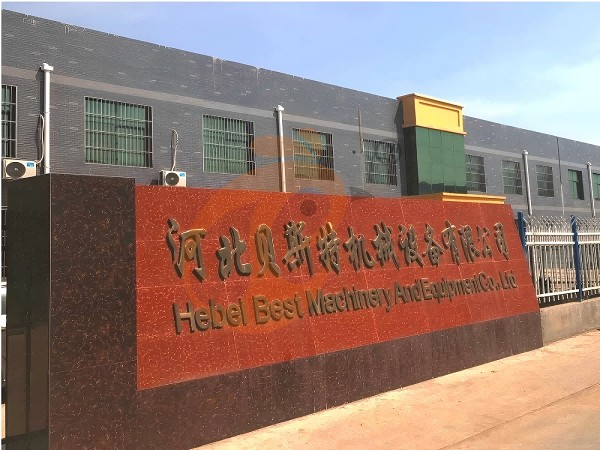
China Hebei Best Machinery And Equipment CO., LTD
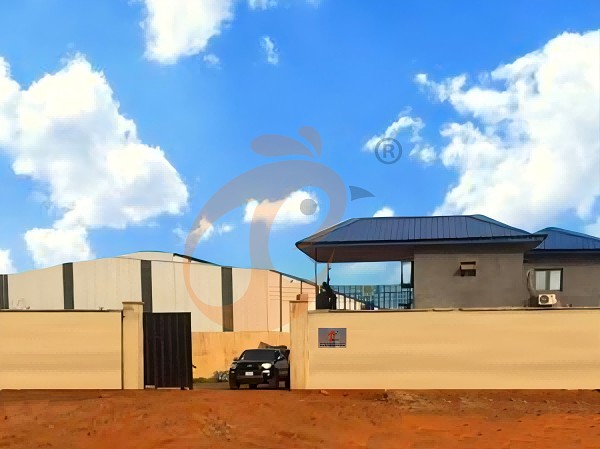
Nigeria Vanke Machinery And Equipment CO., LTD
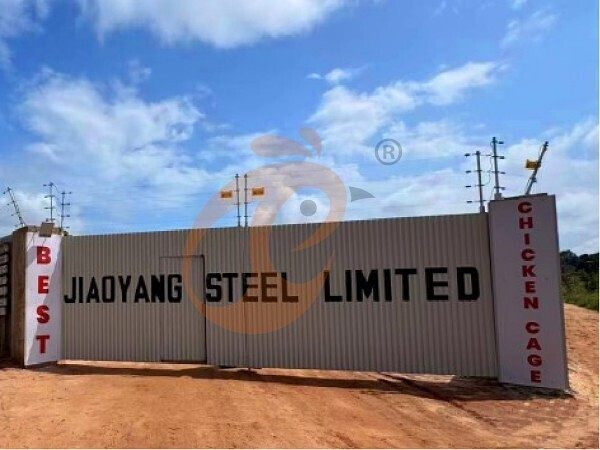
Tanzania Best Machinery And Equipment CO., LTD
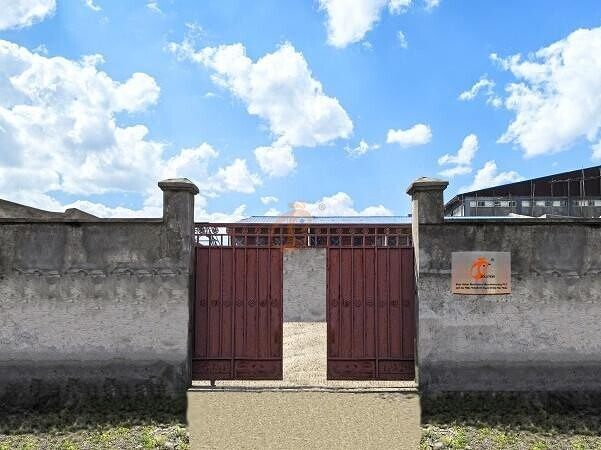
Ethiopia Best Hebei Machinery Manufacturing PLC
Reception /24 WhatsApp NO. : +8618830120193
PRODUCTS RECOMMENDED
 China Branch Manufacture Poultry Farm EquipmentRead More
 Ethiopia Branch Manufacture Poultry Farm EquipmentRead More
 Nigeria Branch Manufacture Poultry Farm EquipmentRead More
 Tanzania Branch Manufacture Poultry Farm EquipmentRead More
 IoT Smart Poultry FarmRead More
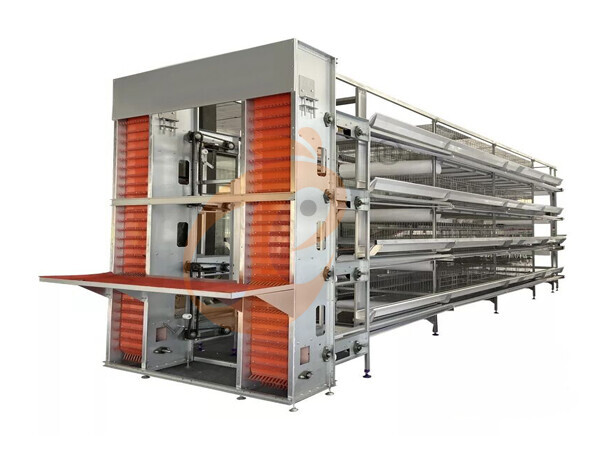
 >30,000 Layers Automatic H Type Battery CageRead More
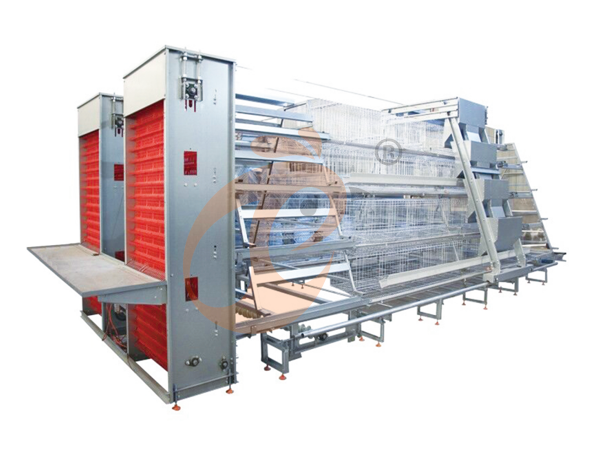
 10,000 - 30,000 Layers Automatic A Type Battery CageRead More
MESSAGE
NEWS
 How To Choose A Reliable H Type Chicken Cage Supplier For Poultry Farms?Read More
 Floor Rearing System For Layers | Cost, Egg Production And Management TipsRead More
 How To Plan Poultry Farm Equipment Budget | 6 Key FactorsRead More
 How To Reduce Operating Costs With Battery Cage For Layers Systems | 6 TipsRead More