

NEWS
Free range poultry farming return on investment improves when scalable infrastructure controls labor, cleanliness, and flock management across expanding commercial operations.
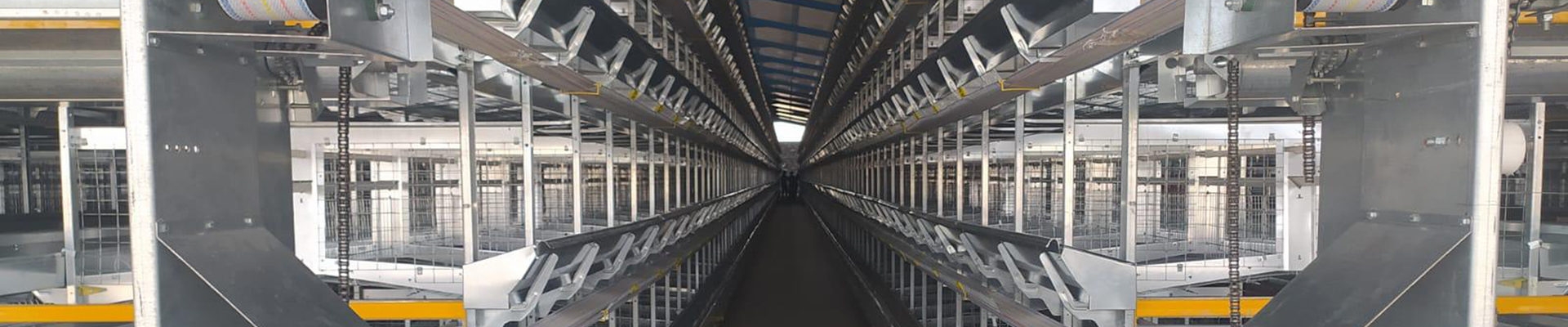
Automatic manure removal systems reduce repetitive work while supporting larger flock capacity through scheduled cleaning cycles and coordinated daily routines.
Poultry environmental control equipment helps stabilize temperature, humidity, airflow, and operating conditions during expansion across multiple production houses.
Distributor-focused planning connects equipment investment with capacity, labor productivity, project budgeting, and future upgrade requirements for growing farms.
Practical return on investement calculations, system selling, turnkey planning, and technical specifications create stronger commercial proposals for profitable growth, reliable operation, measurable payback, and long-term customer relationships across expanding farms, regional distribution networks, and integrated poultry projects worldwide.
Get professional poultry farm construction guidance, equipment selection solutions, and the latest price lists, whatsApp to +8618830120193, click to learn more:
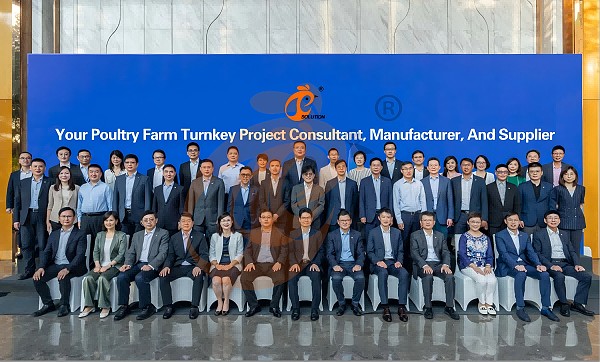
Return On Investment Starts With Scalable Farm Infrastructure
Free-range poultry farming can generate attractive returns, but expansion changes the economics.
A small flock may survive with manual cleaning and basic ventilation; a larger operation cannot rely on labor-intensive routines without increasing operating costs.
For poultry equipment distributors, this creates a strong business opportunity: farmers expanding their flocks need free range poultry farming equipment that reduces labor, stabilizes house conditions, and makes additional capacity easier to manage with automated cycles of approximately 20–40 minutes.
Automatic manure removal systems and poultry environmental control equipment should therefore be positioned as growth infrastructure, not simply optional equipment.
Data is for reference only.Swipe horizontally to view full table.
Calculate The Cost Of Expansion Before Adding Birds
A profitable expansion begins with a simple question: How much additional revenue can each new batch generate after labor, feed, equipment, energy, mortality,
and maintenance costs?
Use this practical formula
Expansion Return On Investment = Additional Annual Gross Profit ÷ Additional Investment × 100%
For distributors, this formula can become a powerful sales tool.
Instead of presenting free range poultry farming equipment only by purchase price, demonstrate how automatic manure removal equipment supports additional flock capacity and can reduce repetitive cleaning work by approximately 1.5–3 hours per operating day.
Data is for reference only.Swipe horizontally to view full table.
European union standard reference only.
The objective is not simply to sell more equipment.
The objective is to help distributors show farmers why efficient infrastructure makes scaling financially safer with equipment depreciation periods commonly
planned around 5–10 years.
A Better Way To Think About Equipment Return On Investment
Think of poultry equipment as a three-stage investment:
Stage 1 — Reduce Waste
Less time spent on repetitive cleaning and manual environmental adjustments.
Stage 2 — Improve Management Capacity
The farm can manage more birds without increasing labor at the same rate.
Stage 3 — Enable Expansion
The producer can add housing capacity while maintaining a more standardized management process.
This progression is especially relevant to free-range farms.
As flock size increases, labor requirements can rise quickly.
A modern automatic manure removal system helps create a more predictable operating model, while environmental control equipment can support stable conditions across approximately 20–30°C operating ranges and 45–75% relative humidity.
For distributors, the strongest sales conversation is not equipment specifications alone.
The stronger message is how equipment helps a farm add capacity without allowing daily labor and management demands to grow at the same speed.
Calculate Capacity Per Worker
A useful sales metric for equipment distributors is:
Capacity per Worker = Total Birds Managed ÷ Number of Workers
A farm increasing from 20,000 to 40,000 birds needs more than additional housing.
Without productivity improvements, labor can become the expansion bottleneck.
Automatic manure removal equipment can reduce repetitive handling, while poultry environmental control equipment supports more standardized daily management with control response times of approximately 10–30 seconds.
For distributors, the commercial advantage is measurable capacity improvement rather than a simple equipment specification sheet.
Treat Manure Management As A Labor-Control Strategy
Manure management is one of the most repetitive jobs in poultry production.
When the flock expands, manual cleaning can consume increasing amounts of labor and management attention.
An automatic manure removal system changes this equation by mechanizing a task that otherwise requires repeated human intervention, with conveyor speeds commonly configured around 8–18 m/min.
Data is for reference only.Swipe horizontally to view full table.
For distributors, the commercial message is clear: automatic manure removal equipment is an expansion-enabling product.
When speaking with a growing farm, connect the system directly to the customer's next production target and planned annual capacity increase of 20–50%.
Build The Sales Case Around Capacity Per Worker
A useful commercial metric is
Capacity per Worker = Total Birds Managed ÷ Number of Workers
A farm increasing from 20,000 to 40,000 birds needs more than additional housing.
Without productivity improvements, labor can become the expansion bottleneck.
Automatic manure removal equipment can reduce repetitive handling, while poultry environmental control equipment supports more standardized daily management with sensor accuracy commonly maintained within ±0.5°C.
For distributors, the commercial advantage is measurable capacity improvement rather than a simple equipment specification sheet.
Environmental Control Protects Expansion Return On Investment
Larger poultry houses create a more demanding management environment.
Temperature, humidity, ventilation, and air quality become increasingly important as stocking capacity grows.
Poultry environmental control equipment can help farmers create more stable house conditions and reduce dependence on constant manual adjustment, with programmable control intervals of approximately 1–60 minutes.
Data is for reference only.Swipe horizontally to view full table.
For distributors, environmental control should be presented as part of a complete expansion package, rather than sold as an isolated product.
The Expansion Equation: Birds + Labor + Equipment
A simple expansion model can help distributors structure customer conversations:
More Birds → More Management Tasks → More Labor Pressure → Equipment Need → Higher Operational Capacity
The critical point is the fourth step.
If farmers add birds without improving infrastructure, labor pressure can become the bottleneck.
If farmers invest in automatic manure removal systems and environmental control equipment at the same time, the farm has a better opportunity to increase production without allowing management complexity to grow uncontrollably.
Best sales moment: when a farmer is planning the next production phase, ideally 3–6 months before installation.
Sell Systems, Not Individual Machines
For poultry equipment distributors, system selling can increase both customer value and order size.
Instead of presenting separate products, organize the proposal around the farmer's expansion objective.
Data is for reference only.Swipe horizontally to view full table.
A system-based proposal makes it easier for distributors to position themselves as poultry infrastructure partners, rather than commodity equipment suppliers.
Use The Today–Next Year–Future Sales Structure
Today
What operational problem is the farmer experiencing now?
Next Year
How many additional birds does the customer want to manage?
Future
What equipment configuration will support the next expansion stage?
This approach changes the conversation from price to planning.
For example, if a farm currently struggles with manual manure cleaning, an automatic manure removal system may become the immediate solution.
If the farmer also plans to increase flock size, environmental control can be incorporated into the same project with 4–16 controlled environmental zones.
The result is a more logical upgrade path.
Make Equipment Payback Easy To Understand
Farmers often hesitate when equipment requires significant upfront investment.
Distributors can reduce this barrier by showing the economics in simple categories.
Data is for reference only.Swipe horizontally to view full table.
European union standard reference only.
Avoid making unsupported promises about a fixed payback period.
Instead, calculate the customer's own numbers using labor rates, flock capacity, annual operating hours, maintenance expenses, and total equipment investment.
A customized return on investment sheet is often more persuasive than a long equipment specification list, especially when projections cover 3–5 production years.
Distributor Checklist: Turn Expansion Plans Into Equipment Sales
Start With Capacity
Identify current flock size and planned expansion volume.
Measure Labor
Quantify current manure removal workload and management hours.
Identify Environmental Pressure
Review seasonal temperature, humidity, airflow, and ventilation requirements.
Design For Expansion
Select free range poultry farming equipment that supports current capacity while allowing future upgrades.
Build The Commercial Proposal
Connect automatic manure removal equipment and environmental control equipment with measurable labor, capacity, and project objectives.
Frequently Asked Questions
Q1: What equipment has the strongest impact on poultry expansion return on investment?
Automatic manure removal equipment can have a strong operational impact because repetitive cleaning work grows with flock size, particularly when houses exceed 20,000 birds.
Q2: Why should distributors combine manure removal with environmental control?
Combining both systems addresses two major expansion pressures: daily labor workload and house-condition management, with integrated projects often covering multiple controlled zones.
Q3: How should equipment payback be calculated?
Use actual labor costs, additional flock capacity, annual operating hours, maintenance expenses, and total equipment investment instead of relying on a fixed industry payback period.
Taiyu (HK) Group - One Of China Biggest Automatic Manure Removal System Supplier
Automatic Manure Removal System — engineered for continuous poultry-house manure handling, modular installation, controlled operation, and scalable capacity planning with conveyor configurations from 30–150 m.
Global Factory Direct — direct manufacturing support integrates poultry equipment selection, technical documentation, production coordination, quality inspection, and distributor project supply with annual production planning exceeding 100 projects.
Poultry Equipment — integrated equipment configurations connect manure removal, environmental control, ventilation, and housing requirements according to project capacity and electrical specifications from 380V/50Hz.
Turn-key Engineering — project execution follows a structured workflow covering layout planning, equipment configuration, manufacturing, delivery, installation guidance, commissioning, and technical support for projects ranging from 20,000 to 100,000 birds.
Distributor Project Supply — standardized engineering interfaces support regional dealers, farm expansion projects, replacement programs, and scalable poultry equipment distribution with modular delivery schedules of approximately 30–90 days.
Contact Us To Received Your Customized Poultry Farm Plan
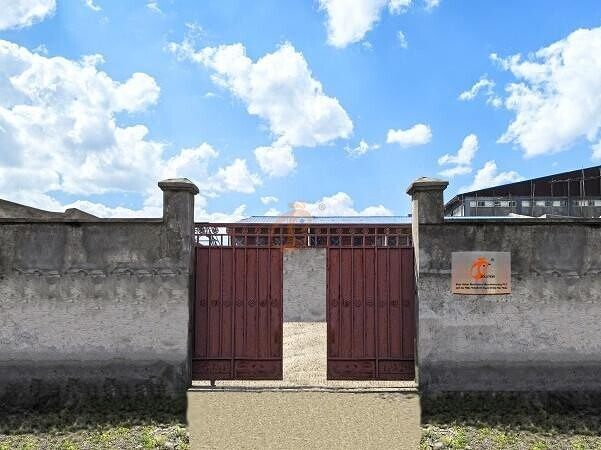
Headquarters And Branchs

Hong Kong Headquarter Management Team
Hong Kong Headquarter Taiyu Industrial Group CO., LTD
China Hebei Best Machinery And Equipment CO., LTD
Nigeria Vanke Machinery And Equipment CO., LTD
Tanzania Best Machinery And Equipment CO., LTD
Ethiopia Best Hebei Machinery Manufacturing PLC
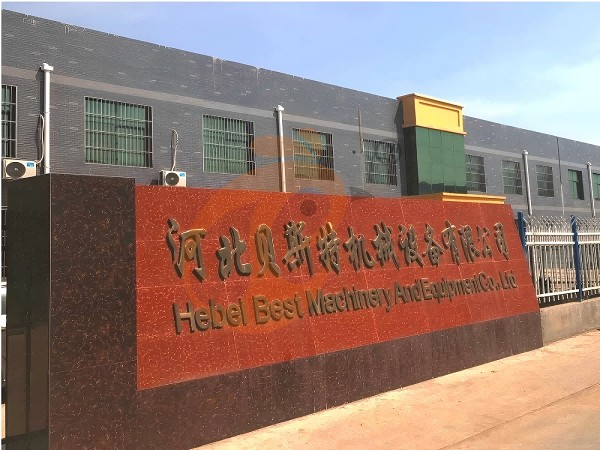
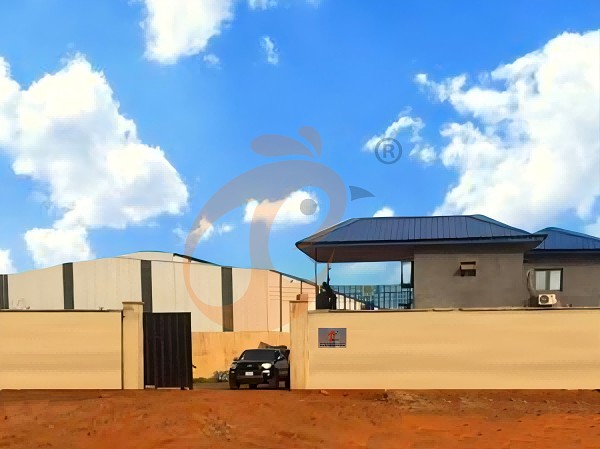
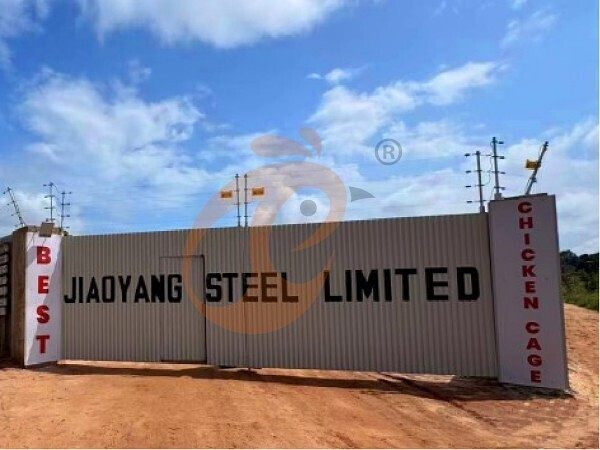
Reception /24 WhatsApp NO. : +8618830120193
PRODUCTS RECOMMENDED
 China Branch Manufacture Poultry Farm EquipmentRead More
 Ethiopia Branch Manufacture Poultry Farm EquipmentRead More
 Nigeria Branch Manufacture Poultry Farm EquipmentRead More
 Tanzania Branch Manufacture Poultry Farm EquipmentRead More
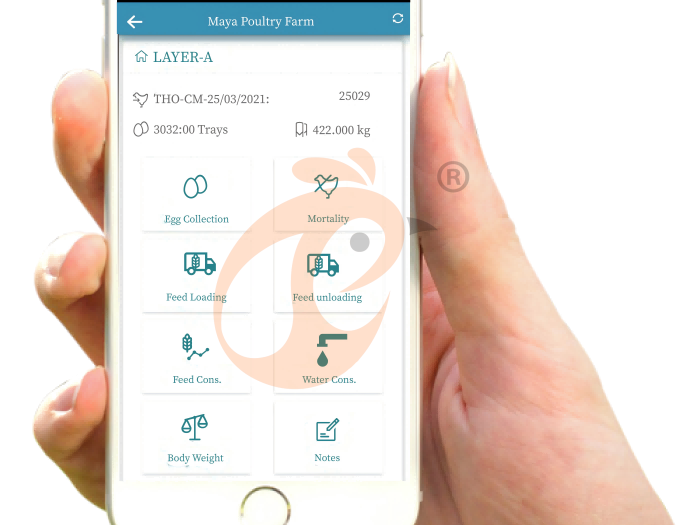
 IoT Smart Poultry FarmRead More
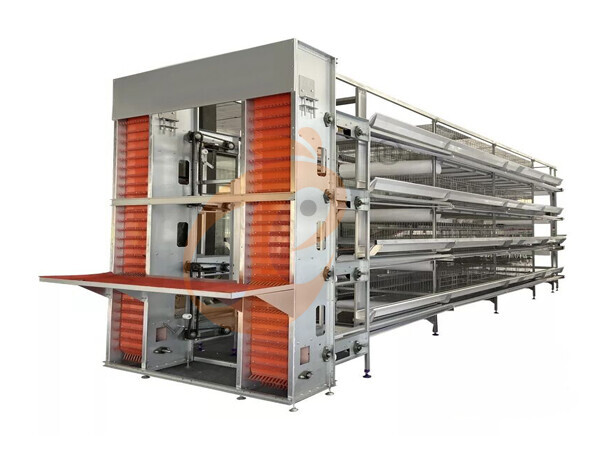
 >30,000 Layers Automatic H Type Battery CageRead More
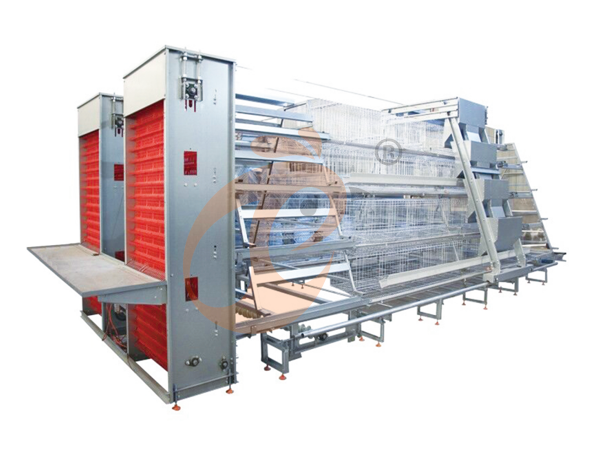
 10,000 - 30,000 Layers Automatic A Type Battery CageRead More
MESSAGE
NEWS
 50,000 - 100,000 chickens/house: poultry farm solution, chicken cage, poultry farm equipment, AI smart managementRead More
 30,000 - 50,000 chickens/house: poultry farm solution, chicken cage, poultry farm equipment, AI smart managementRead More
 10,000 - 30,000 chickens/house: poultry farm solution, chicken cage, poultry farm equipment, AI smart managementRead More
 100 - 10,000 chickens/house: poultry farm solution, chicken cage, poultry farm equipment, AI smart managementRead More