

NEWS
Floor rearing system planning connects housing design, equipment selection, operating efficiency, and farm returns through one practical investment framework.
Feeding, drinking, ventilation, lighting, manure handling, and environmental controls require coordinated specifications, accurate layouts, and measurable engineering parameters before procurement.
Total ownership analysis covers energy consumption, maintenance, labor demand, spare parts, installation support, and equipment reliability across production cycles.
Professional poultry equipment design considers climate conditions, electrical standards, house dimensions, flock routines, and future expansion requirements.
A matched solution strengthens stability while positioning dependable floor rearing equipment as a scalable foundation for efficient commercial poultry production.
Get professional poultry farm construction guidance, equipment selection solutions, and the latest price lists, whatsApp to +8618830120193, click to learn more:
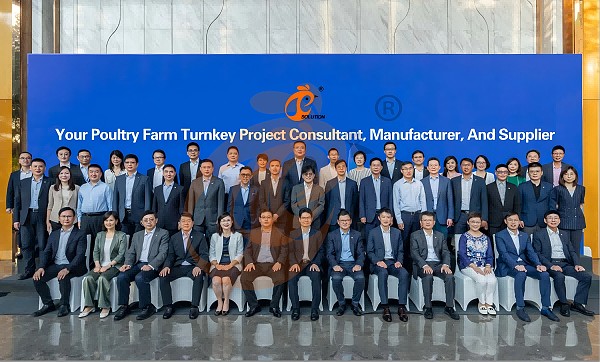
Start With The Production Target
A floor rearing system should be selected from the production target rather than from a single equipment quotation.
A commercial floor poultry system must coordinate feeding, drinking, ventilation, lighting, manure handling, and environmental control.
A practical project can maintain 2–3 inspection routes through the house, supporting convenient observation without disturbing routine flock movement.
Before requesting a quotation, confirm house dimensions, flock size, bird type, local climate, power supply, and expected production cycle.
The investment objective is straightforward: create a system that delivers reliable daily operation while controlling labor, energy consumption, maintenance, and replacement costs.
Match Equipment Capacity To The House
Data is for reference only.Swipe horizontally to view full table.
Equipment should be sized from actual building calculations.
For example, a poultry house measuring 60 m × 15 m provides 900 m² of floor area, and equipment placement should follow the available service clearance and
structural columns.
A professional manufacturer can produce a house-specific layout showing feeder positions, drinker lines, fans, air inlets, control equipment, and service corridors
before manufacturing begins.
Calculate Total Ownership Cost
The purchase price is only one part of the investment.
A proper evaluation should include installation, electricity, maintenance, spare parts, labor, and equipment replacement.
For example, a motor operating at 1.5 kW for 8 hours per day consumes approximately 12 kWh during that operating period.
Comparing operating requirements across equipment configurations can reveal cost differences that remain invisible in an initial quotation.
Five Cost Questions
Purchase: What equipment and accessories are included?
Installation: Are installation materials and technical instructions included?
Operation: What are the rated electrical loads of motors, fans, controllers, and pumps?
Maintenance: Which components require scheduled inspection or replacement?
Support: How quickly can essential spare parts reach the farm?
A serious poultry equipment supplier should provide a detailed bill of equipment rather than presenting a single unexplained package price.
Evaluate Feeding And Drinking Together
Data is for reference only.Swipe horizontally to view full table.
Feed and water equipment should be designed together because both directly affect daily flock management.
A properly configured floor rearing equipment package can distribute feed through a single automated cycle of approximately 10–20 minutes, depending on line length and equipment configuration.
Water lines should also be positioned so operators can inspect nipples and pressure regulators without disrupting bird movement.
For commercial farms, standardized components can simplify maintenance and reduce the need to keep numerous specialized replacement parts.
Design Ventilation Around Climate Conditions
Ventilation is one of the most important technical elements in a floor-rearing project.
The objective is to remove heat, moisture, dust, and unwanted gases while maintaining an appropriate environment for the flock.
Use the following design sequence
House volume → Required air exchange → Fan selection → Air inlet calculation → Controller configuration
For a house with a volume of 9,000 m³, required airflow should be calculated from the target ventilation rate rather than selected from the number of fans alone.
Regional climate must also be considered.
Hot-weather projects may require tunnel ventilation, cooling pads, and larger air-handling capacity, while colder regions may require minimum ventilation and carefully controlled air inlets.
The equipment package should therefore include ventilation hardware and environmental controls as one coordinated design.
Measure Automation By Labor Savings
Data is for reference only.Swipe horizontally to view full table.
Automation should target repetitive work rather than add unnecessary complexity.
For example, automatic feeding can reduce manual feeding operations during a production day, while environmental controllers can coordinate multiple ventilation stages according to temperature changes.
A properly configured control system can also record operating conditions, allowing farm managers to identify abnormal temperature, water pressure, or
equipment operation before a small problem becomes a production interruption.
Five Practical Decision Tips At A Glance
Tip 1 — Design from the building
Never select the complete equipment package before confirming house dimensions and internal layout.
Tip 2 — Calculate operating cost
A quotation should be evaluated together with electricity, labor, maintenance, and spare-parts requirements.
Tip 3 — Buy compatible systems
Feeders, drinkers, ventilation, controls, and manure equipment should be designed to operate as an integrated solution.
Tip 4 — Verify reliability
Request technical specifications, material information, testing procedures, warranty conditions, and replacement-part details.
Tip 5 — Automate strategically
Choose automation that reduces repetitive labor and improves control rather than adding technology without a measurable purpose.
These five principles can make equipment purchasing more systematic and reduce the risk of choosing a system based only on the lowest initial quotation.
Verify Structural And Electrical Specifications
Data is for reference only.Swipe horizontally to view full table.
Technical documentation should be reviewed before the purchase order is finalized.
For international projects, electrical standards may differ, so voltage, frequency, motor configuration, cable specifications, and control-panel requirements should
be confirmed in advance.
A manufacturer capable of preparing customized electrical documentation can simplify both installation and commissioning.
Layout Efficiency: Equipment Should Work For The Operator
Imagine the poultry house during a normal working day.
The operator enters through the service area, checks the control cabinet, inspects water pressure, observes feed distribution, walks through the flock area, and
examines ventilation equipment.
Each task should be possible without unnecessary movement or dismantling.
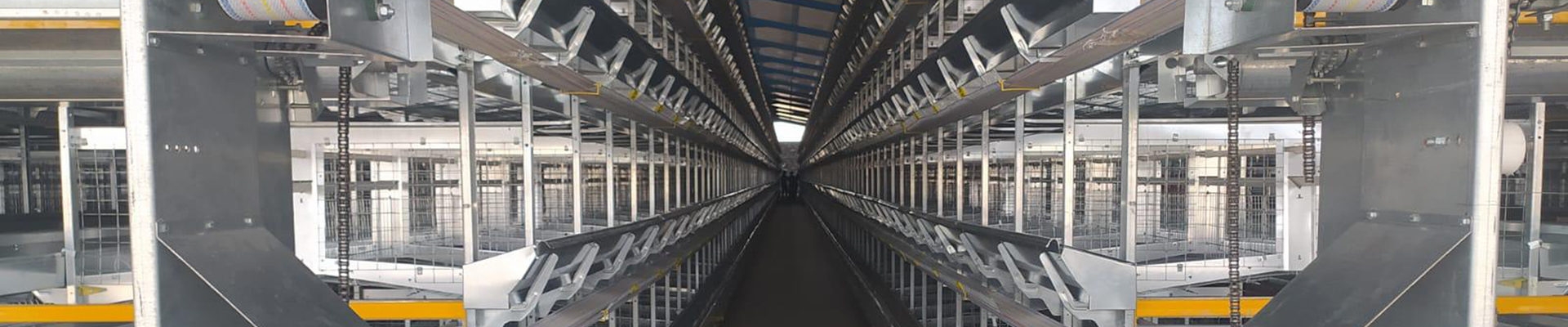
A well-designed floor rearing system can position service components at accessible points, separate operator passages from major equipment zones, and
maintain clear inspection routes.
For example, a service passage can be planned around 0.8–1.2 m wide where building conditions permit, while equipment access points should allow routine
inspection without removing permanent assemblies.
For equipment manufacturers, providing a detailed installation drawing before delivery demonstrates engineering capability and gives customers a clear
understanding of the proposed solution.
Compare Suppliers Through Technical Deliverables
Data is for reference only.Swipe horizontally to view full table.
A supplier's documentation is often a better indicator of engineering capability than promotional claims.
Before purchasing, request technical drawings, equipment lists, installation instructions, electrical specifications, spare-parts recommendations, and warranty conditions.
These documents make competing quotations easier to compare because every supplier can be evaluated against the same technical requirements.
Why An Integrated Poultry Equipment Manufacturer Adds Value
Data is for reference only.Swipe horizontally to view full table.
Working with a specialized poultry equipment manufacturer can simplify procurement because multiple systems can be coordinated through one technical team.
A complete floor poultry system can combine automatic feeding, nipple drinking, ventilation, environmental control, lighting, and manure management within one engineering plan.
For buyers, the commercial advantage is clearer accountability: one engineering solution, one equipment package, and one technical communication channel.
Where project value is quoted in a non-USD currency, European union standard reference only applies to the stated technical comparison.
Final Investment Checklist
Data is for reference only.Swipe horizontally to view full table.
A floor rearing system should be treated as a complete production investment rather than a collection of individual machines.
The most practical purchasing strategy is to begin with the poultry house, calculate required capacity, evaluate operating costs, verify technical specifications, and
then select a manufacturer capable of delivering an integrated solution.
For poultry producers, professional equipment value is found in daily operation: consistent feed distribution, reliable drinking, controlled ventilation, organized
manure handling, reduced repetitive labor, and easier maintenance.
For a poultry equipment manufacturer, the strongest proposition is not simply equipment supply.
The stronger proposition is a complete system designed around the poultry house and production target.
With appropriate engineering, reliable components, professional installation support, and responsive after-sales service, a floor rearing system can become a
scalable foundation for efficient modern poultry production.
Frequently Asked Questions
Q1: What should be checked before purchasing a floor rearing system?
House dimensions, flock capacity, climate, electrical supply, ventilation requirements, water quality, maintenance access, and future expansion should be verified before equipment selection.
A detailed layout can prevent equipment conflicts during installation.
Q2: How can floor rearing equipment improve farm efficiency?
Automatic feeding, controlled drinking, staged ventilation, and centralized monitoring can reduce repetitive manual work and improve operational consistency.
For example, automated controls can coordinate several equipment stages within a single daily operating schedule.
Q3: Why choose an integrated poultry equipment supplier?
An integrated supplier can coordinate equipment compatibility, layout design, manufacturing, installation guidance, commissioning, spare parts, and after-sales support.
A project with one technical drawing package also provides clearer responsibility during installation and operation.
Taiyu (HK) Group - One Of China Biggest Floor Rearing System Manufacturer
Floor rearing system combines feeding, drinking, ventilation, environmental control, lighting, and manure management into an engineered poultry-house equipment solution.
Global factory direct sales provide direct equipment sourcing, technical documentation, project coordination, and standardized production support for international poultry farms.
Poultry equipment covers integrated systems and component-level configurations for commercial houses, supporting project-specific layouts and equipment matching.
Turn-key engineering connects design, manufacturing, delivery, installation guidance, commissioning, operator training, and after-sales technical support within one project structure.
International project service supports customized equipment specifications, electrical configurations, installation documentation, spare-parts planning, and technical communication for overseas poultry operations.
Contact Us To Received Your Customized Poultry Farm Plan
Headquarters And Branchs

Hong Kong Headquarter Management Team
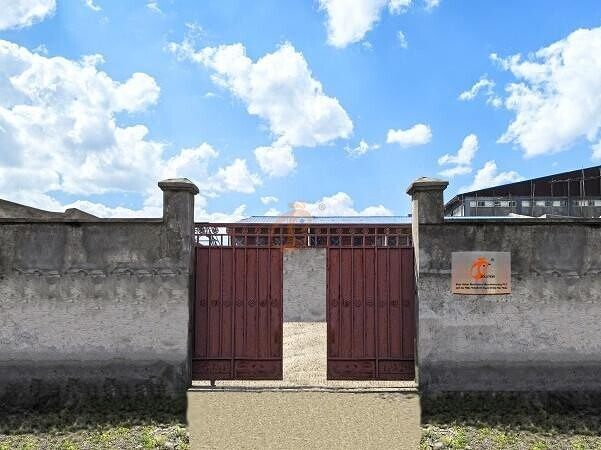
Hong Kong Headquarter Taiyu Industrial Group CO., LTD
China Hebei Best Machinery And Equipment CO., LTD
Nigeria Vanke Machinery And Equipment CO., LTD
Tanzania Best Machinery And Equipment CO., LTD
Ethiopia Best Hebei Machinery Manufacturing PLC
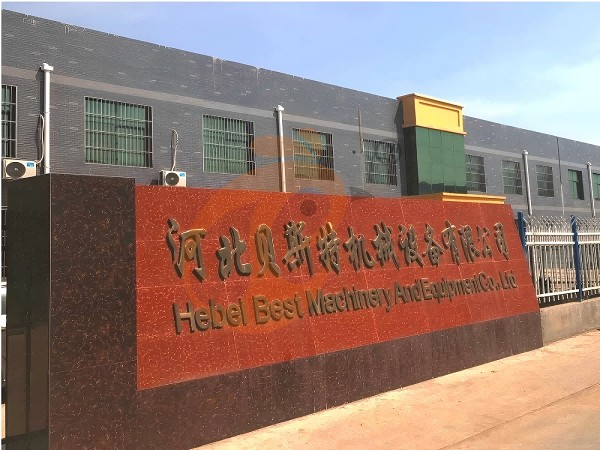
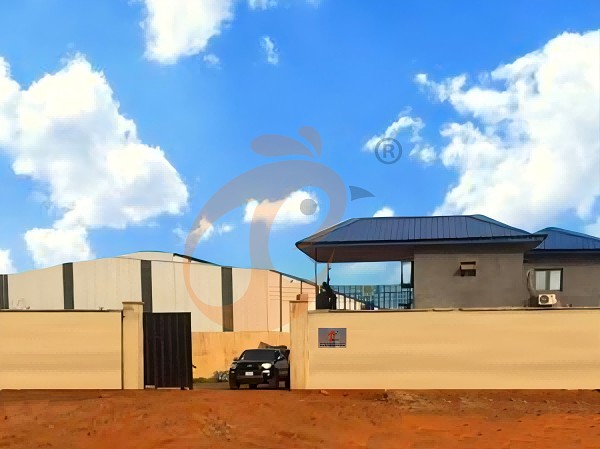
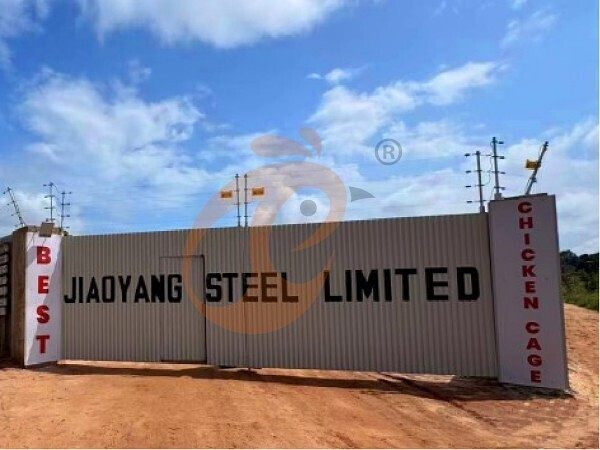
Reception /24 WhatsApp NO. : +8618830120193
PRODUCTS RECOMMENDED
 China Branch Manufacture Poultry Farm EquipmentRead More
 Ethiopia Branch Manufacture Poultry Farm EquipmentRead More
 Nigeria Branch Manufacture Poultry Farm EquipmentRead More
 Tanzania Branch Manufacture Poultry Farm EquipmentRead More
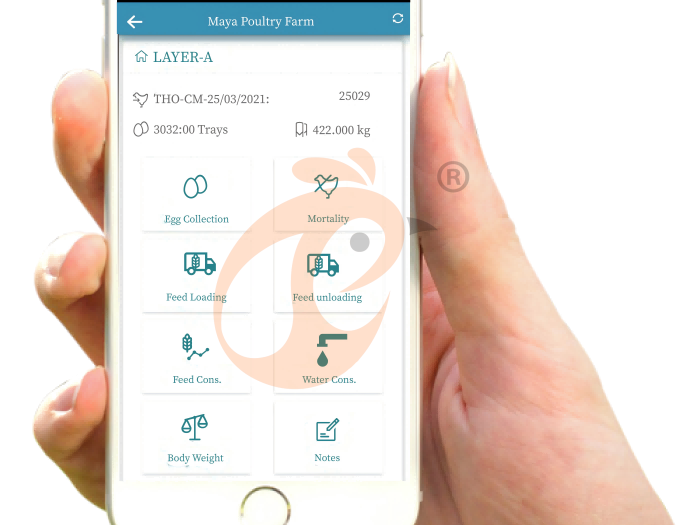
 IoT Smart Poultry FarmRead More
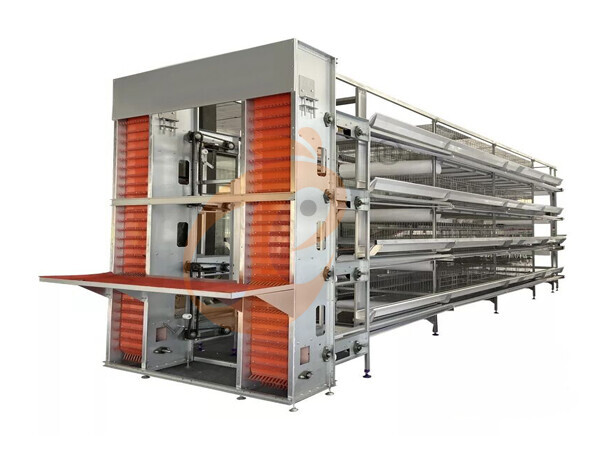
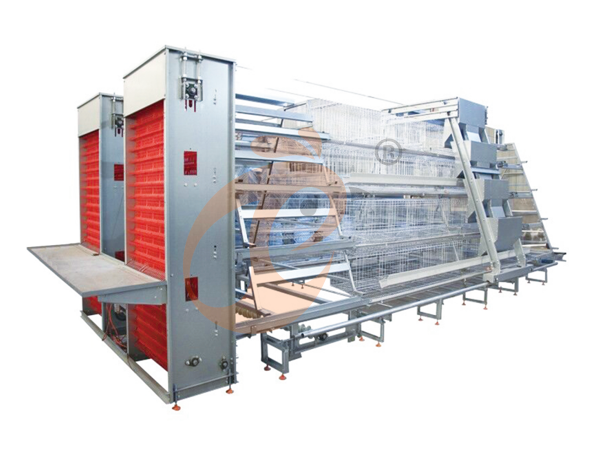
 >30,000 Layers Automatic H Type Battery CageRead More
 10,000 - 30,000 Layers Automatic A Type Battery CageRead More
MESSAGE
NEWS
 50,000 - 100,000 chickens/house: poultry farm solution, chicken cage, poultry farm equipment, AI smart managementRead More
 30,000 - 50,000 chickens/house: poultry farm solution, chicken cage, poultry farm equipment, AI smart managementRead More
 10,000 - 30,000 chickens/house: poultry farm solution, chicken cage, poultry farm equipment, AI smart managementRead More
 100 - 10,000 chickens/house: poultry farm solution, chicken cage, poultry farm equipment, AI smart managementRead More