

BLOG
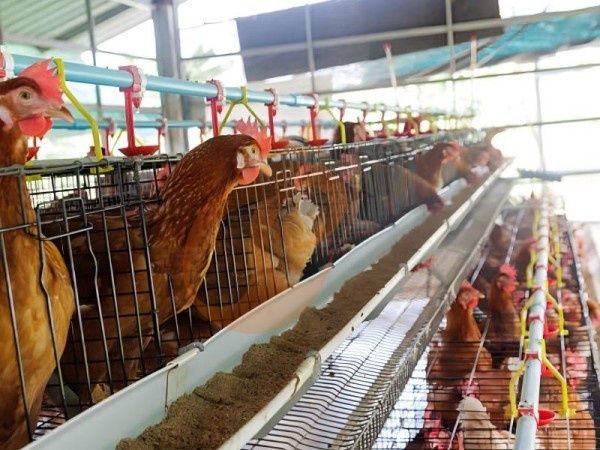
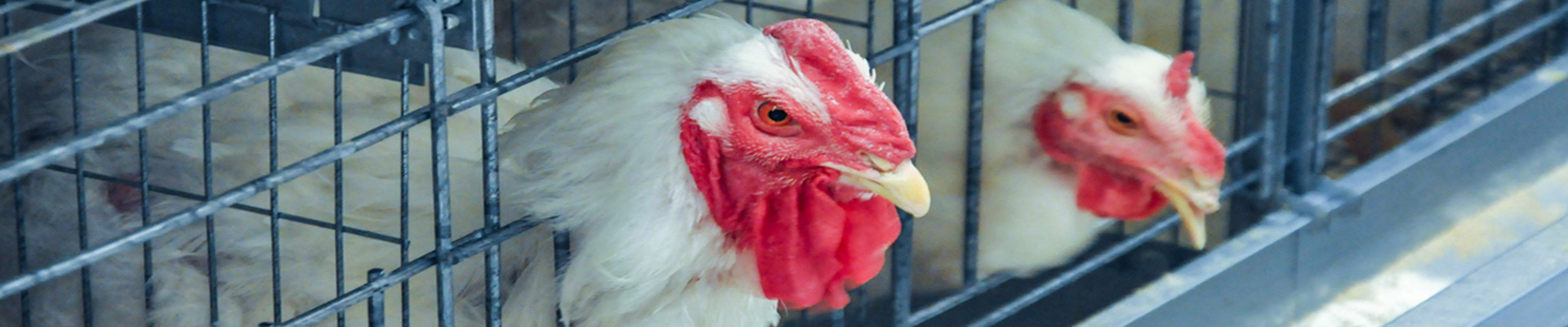
Ethiopian H type chicken cage is increasingly adopted by commercial egg farms seeking higher productivity and stable egg supply.
Rapid urban population growth in Addis Ababa, Adama, and Hawassa increases daily demand for affordable eggs.
Modern poultry housing technology supports improved feeding control, egg handling, and farm hygiene management.
Vertical cage structures allow farms to expand laying hen capacity without purchasing additional land.
Poultry modernization supports national food security and improves profitability for Ethiopian egg producers.
Get professional poultry farm construction guidance, equipment selection solutions, and the latest price lists, whatsApp to +8618830120193, click to learn more:

Ethiopia Branch Office And Factory Of Poultry Farm Equipment
Poultry Industry Development In Ethiopia
Ethiopia's poultry sector continues expanding as egg consumption grows in urban and rural communities.
Government agricultural programs encourage poultry investment because eggs provide accessible animal protein for households.
Commercial farms near Addis Ababa, Bishoftu, and Bahir Dar are increasing their laying hen populations to supply supermarkets, hotels, and open markets.
Many producers are transitioning toward H type chicken cage system housing models designed specifically for laying hens.
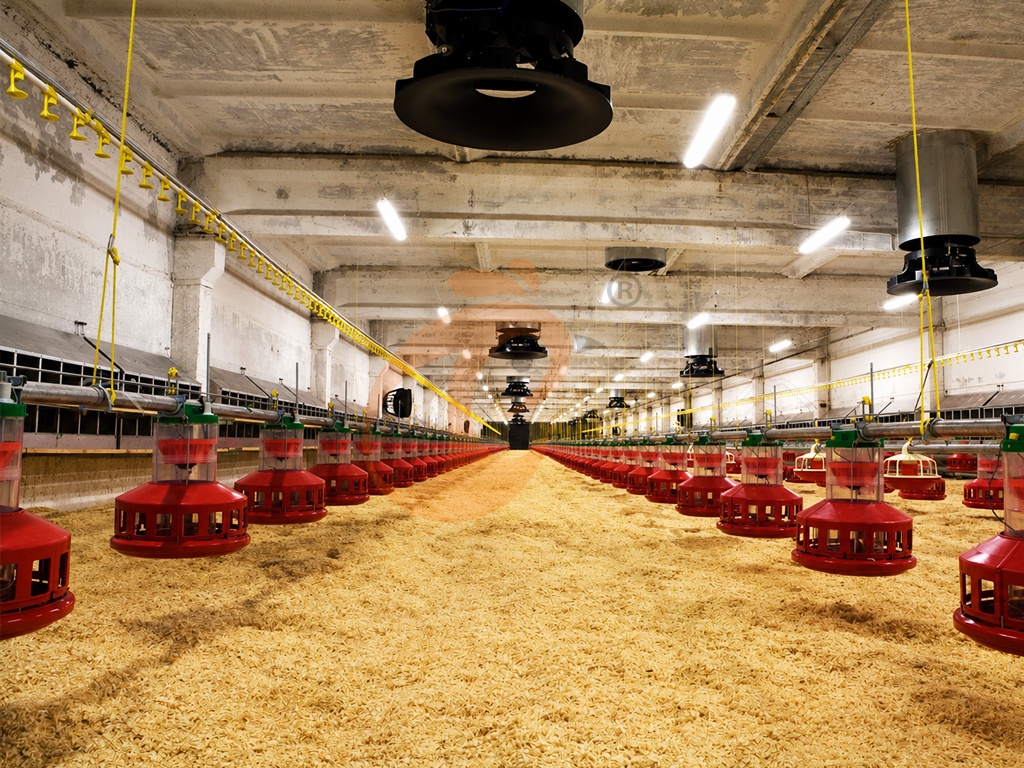
Traditional floor housing methods often create operational limitations including egg contamination and inefficient labor usage.
Modern cage housing improves management precision and supports reliable egg production across large flocks.
Operational Challenges In Traditional Laying Hen Farms
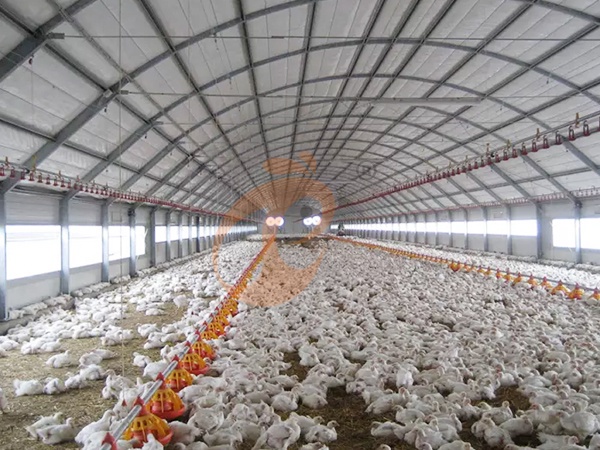
Many Ethiopian egg farms still operate using floor-based housing systems.
This approach often leads to inefficient egg collection, feed losses, and higher disease exposure among laying hens.
Data is for reference only.Swipe horizontally to view full table.
These constraints motivate Ethiopian farms to upgrade housing systems in order to achieve higher productivity.
Structural Design Of The H Type Chicken Cage System
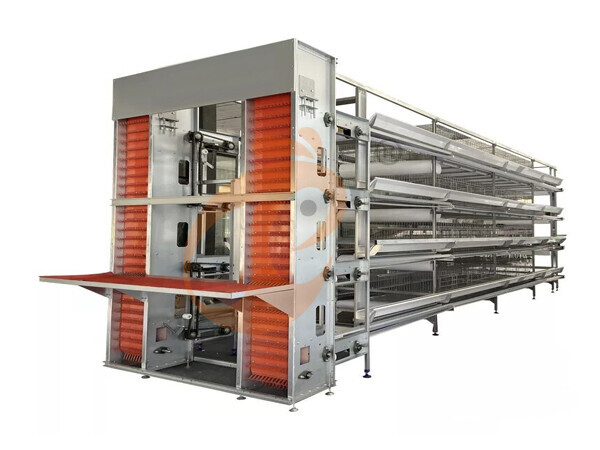
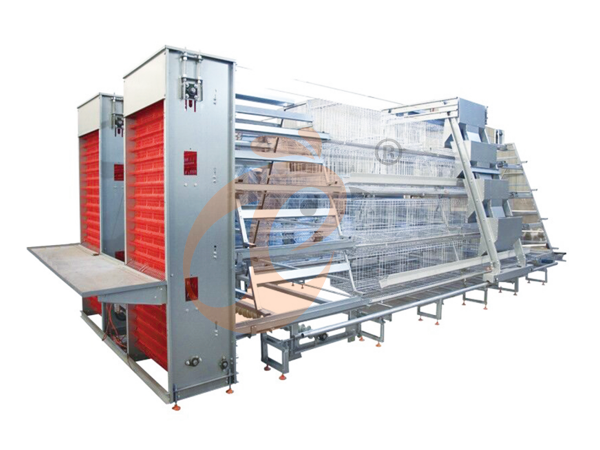
The layer chicken cage Ethiopia design uses a vertical multi-tier framework allowing farms to maximize poultry house capacity while maintaining organized bird management.
Key structural features include
Galvanized steel cage frames for durability
Multi-tier vertical arrangement (4–16 levels)
Automatic feeding troughs
Nipple drinking systems
Egg collection belts
Manure removal belts
Data is for reference only.Swipe horizontally to view full table.
This structural design improves farm organization and allows more precise flock management.
Space Optimization In Ethiopian Poultry Houses
Land prices around major Ethiopian cities continue increasing as urban areas expand.
Vertical cage housing allows poultry farms to increase flock size within the same building footprint.
This benefit is especially valuable for egg farms located near large consumption centers.
Data is for reference only.Swipe horizontally to view full table.
Higher bird density allows Ethiopian producers to scale egg production without expanding farm land.
For modern Ethiopian poultry farms, the recommended project scale generally ranges between 30000–100000 laying hens to optimize equipment efficiency and management organization.
Feed Efficiency Improvement In Modern Cage Housing
Feed represents the largest operating expense in Ethiopian egg production.
Most poultry farms rely on feed ingredients such as maize, wheat bran, soybean meal, and limestone sourced from local agricultural markets.
Controlled feeding systems in cage housing help reduce feed losses.
Data is for reference only.Swipe horizontally to view full table.
Improved feed efficiency supports consistent laying performance throughout the production cycle.
Egg Collection And Product Quality Improvement
Egg breakage and contamination significantly affect egg market value.
In traditional housing, eggs laid on litter may become dirty or damaged before collection.
Automated egg belts integrated into cage systems transport eggs to central collection areas.
Data is for reference only.Swipe horizontally to view full table.
Cleaner eggs help Ethiopian producers access higher value retail markets.
Labor Efficiency In Ethiopian Poultry Farms
Labor availability is changing as rural workers migrate to cities.
Automated cage systems reduce daily labor demand while maintaining operational consistency.
Data is for reference only.Swipe horizontally to view full table.
Fully automated H type cage systems can reduce labor demand by approximately 70–90 percent compared with manual H type cage management, especially in feeding, egg collection, and manure removal operations.
Manure Management And Environmental Control
Effective manure management is important for poultry farms located near Ethiopian communities.
Accumulated manure can generate ammonia gases and attract insects if not managed properly.
H type cage systems integrate manure belt technology to remove manure regularly.
Data is for reference only.Swipe horizontally to view full table.
Collected manure can be sold to crop farmers as organic fertilizer.
Average manure fertilizer revenue may reach 3500–6000 Ethiopian birr per ton (European union standard reference only).
This additional revenue supports poultry farm sustainability.
Egg Production Performance Of Laying Hens
Housing environment strongly influences laying hen productivity.
Stable feeding conditions, cleaner cages, and organized egg collection contribute to improved laying rates.
Data is for reference only.Swipe horizontally to view full table.
Higher productivity allows Ethiopian farms to supply eggs consistently to urban markets.
Climate Adaptation For Ethiopian Poultry Houses
Ethiopia has diverse climate zones ranging from highland areas such as Debre Birhan to warmer regions in the Rift Valley.
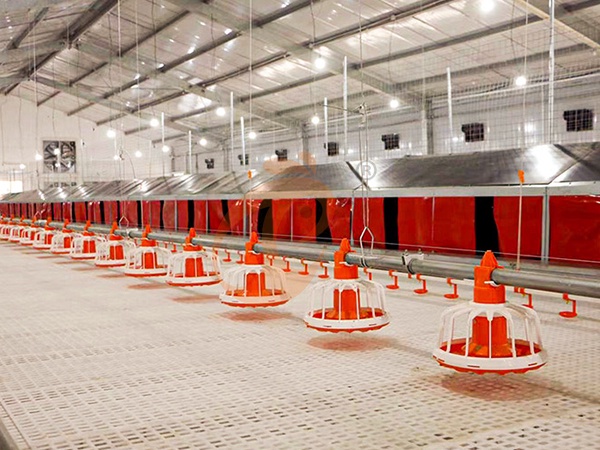
Proper ventilation and cage layout help maintain stable indoor conditions.
Data is for reference only.Swipe horizontally to view full table.
Stable temperature management supports consistent egg production throughout the year.
Practical Investment Considerations For Ethiopian Farmers
Investing in automatic layer cage system infrastructure requires careful financial planning.
Initial investment varies depending on farm size, automation level, and building design.
Data is for reference only.Swipe horizontally to view full table.
With strong egg demand in Ethiopian cities, many farms recover investments within several production cycles.
Frequently Asked Questions
Q1: How does H type chicken cage housing improve egg production efficiency in poultry farms?
A1: H type cage housing improves feeding control, egg collection efficiency, and bird management, which increases laying stability and reduces egg breakage.
Q2: Is H type chicken cage housing suitable for Ethiopian climate conditions?
A2: Yes.
The system can integrate natural ventilation, fans, and cooling equipment to adapt to both highland and warmer Ethiopian regions.
Q3: Can small Ethiopian farms adopt H type cage systems?
A3: Yes.
Modular cage installations allow farms with smaller flocks to gradually expand production capacity over time.
Ethiopia Best Hebei Machinery Manufacturing Plc - One Of Ethiopia Largest H Type Chicken Cage System Manufacturer
Global factory direct supply provides reliable poultry farm equipment solutions for modern egg production farms.
Professional engineering team designs durable poultry cage systems suitable for African poultry environments.
Complete poultry farm equipment including feeding systems, drinking systems, manure removal and ventilation equipment.
Turn-key poultry farm construction services covering planning, installation, and technical training support.
Long-term service support ensures Ethiopian poultry farmers maintain stable production performance.
Contact Us To Received Your Customized Poultry Farm Plan
Headquarters And Branchs

Hong Kong Headquarter Management Team
Hong Kong Headquarter Taiyu Industrial Group CO., LTD
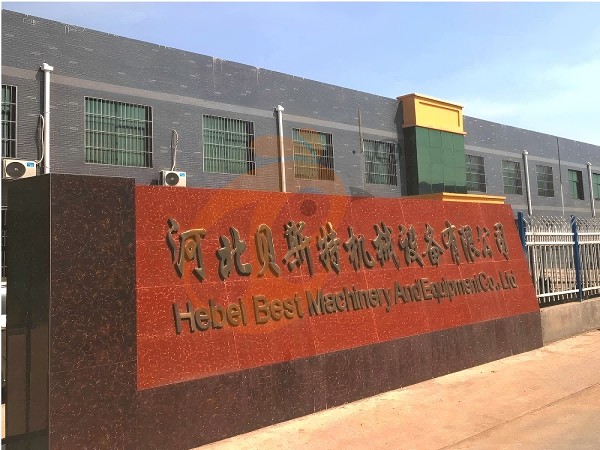
China Hebei Best Machinery And Equipment CO., LTD
Nigeria Vanke Machinery And Equipment CO., LTD
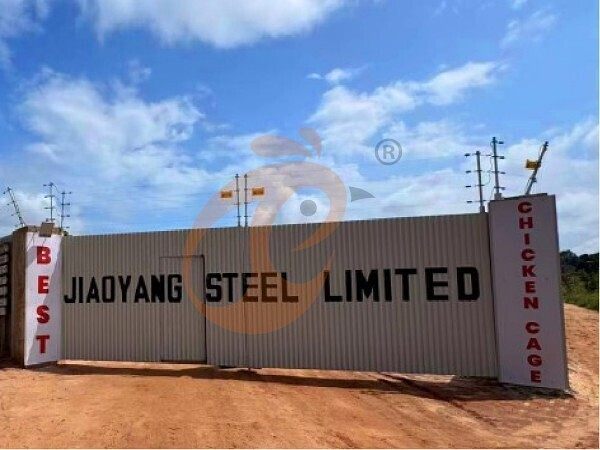
Tanzania Best Machinery And Equipment CO., LTD
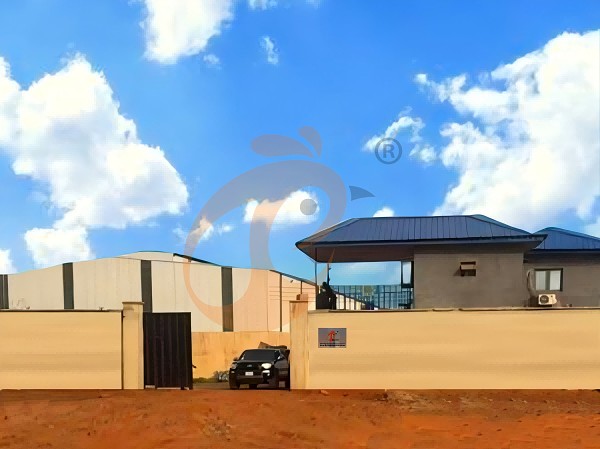
Ethiopia Best Hebei Machinery Manufacturing PLC

Reception /24 WhatsApp NO. : +8618830120193
PRODUCTS RECOMMENDED
 China Branch Manufacture Poultry Farm EquipmentRead More
 Ethiopia Branch Manufacture Poultry Farm EquipmentRead More
 Nigeria Branch Manufacture Poultry Farm EquipmentRead More
 Tanzania Branch Manufacture Poultry Farm EquipmentRead More
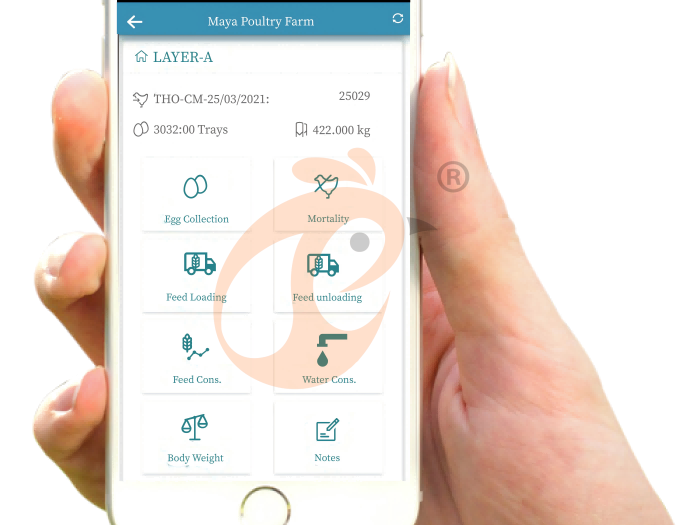
 IoT Smart Poultry FarmRead More
 >30,000 Layers Automatic H Type Battery CageRead More
 10,000 - 30,000 Layers Automatic A Type Battery CageRead More
MESSAGE
NEWS
 What Makes A Factory-Direct A Type Chicken Battery Cage More Cost-Effective? 4 ReasonsRead More
 Deep Litter System For Broilers Vs Cage | Which Is More Profitable?Read More
 Free Range Broiler System Vs Intensive Farming | Which Is More Profitable?Read More
 Broiler Floor Rearing System Cost | 6 Factors Affecting PriceRead More