

NEWS
Deep litter system maintenance cost, poultry litter management, and livestock bedding solutions influence farm operating efficiency, environmental hygiene, and annual production budgets across modern animal housing systems.
Practical management methods reduce bedding replacement frequency, stabilize manure decomposition, improve ventilation performance, and extend service life under different farming conditions and production scales.
Scientific explanations describe microbial decomposition, moisture balance, heat generation, and litter structure, helping producers understand biological processes that directly affect maintenance expenses.
Engineering recommendations compare bedding materials, environmental parameters, labor planning, and equipment maintenance using measurable reference data suitable for commercial livestock operations.
Comprehensive guidance combines technical management, operational planning, and economic analysis to support sustainable production, lower operating expenditure, and healthier housing environments for poultry and livestock.
Get professional poultry farm construction guidance, equipment selection solutions, and the latest price lists, whatsApp to +8618830120193, click to learn more:
What Is Deep Litter System
A deep litter system is a livestock housing method that uses a thick organic bedding layer to absorb manure and urine while supporting continuous biological decomposition.
Instead of removing waste every day, microorganisms convert organic materials into stabilized compost through aerobic fermentation.
Suitable bedding materials include wood shavings, rice husks, chopped straw, peanut shells, sunflower husks, and processed corn cobs.
Depending on animal species and housing design, bedding depth generally ranges from 20 cm to 45 cm.
Proper management maintains microbial activity, reduces labor requirements, improves animal comfort, and minimizes environmental pollution throughout the production cycle.
Data is for reference only. Swipe horizontally to view full table.
Why Maintenance Cost Matters
Daily management determines whether bedding remains productive for several months or requires premature replacement.
Regular inspections prevent localized moisture accumulation from spreading across the housing floor.
Major operational expenditure normally includes:
- Bedding replenishment
- Ventilation servicing
- Water supply maintenance
- Labor allocation
- Fly management
- Equipment inspection
- Environmental monitoring
For commercial poultry farms, annual maintenance expenditure commonly ranges between USD $1,460 and USD $2,980 per 100 m², depending on production intensity.
(European union standard reference only.)
Data is for reference only. Swipe horizontally to view full table.
Biological Principle Of Deep Litter
Deep litter functions through aerobic microbial decomposition.
Beneficial bacteria, fungi, and actinomycetes consume organic waste while producing carbon dioxide, water vapor, and thermal energy.
Internal litter temperatures commonly stabilize between 39°C and 51°C, supporting efficient decomposition while suppressing numerous harmful microorganisms.
Moisture, oxygen availability, bedding structure, and organic carbon determine microbial performance.
Excessive moisture reduces oxygen diffusion, slowing decomposition and increasing ammonia production.
Scientific management therefore improves both environmental quality and long-term operating economics.
Main Factors Affecting Maintenance Cost
Several measurable environmental parameters determine bedding lifespan and annual operating expenditure.
Maintaining these parameters within recommended ranges reduces replacement frequency and stabilizes microbial activity.
Data is for reference only. Swipe horizontally to view full table.
Choose Durable Bedding Materials
Selecting suitable bedding materials significantly reduces annual replacement frequency.
Materials with stable fiber structures maintain air space for microbial activity while resisting rapid compaction.
Proper particle size also improves moisture distribution throughout the bedding profile.
Higher-quality bedding often produces lower annual operating expenditure because service intervals become considerably longer.
Data is for reference only. Swipe horizontally to view full table.
Besides material selection, producers should evaluate local supply stability and transportation costs before purchasing bedding in bulk.
Storage conditions also influence bedding quality.
Dry, well-ventilated warehouses help preserve structural integrity and reduce mold development before bedding enters livestock houses.
Consistent material quality contributes to predictable microbial activity, easier management, and lower annual operating expenditure across different production cycles.
Control Moisture Every Day
Moisture remains the single largest contributor to maintenance expenditure.
Water commonly enters bedding through leaking drinkers, excessive water pressure, roof leakage, condensation, animal respiration, and manure accumulation.
Even small wet areas gradually spread if corrective action is delayed.
Routine inspection allows workers to replace only affected sections rather than the entire bedding layer.
Maintaining stable moisture also supports livestock bedding solutions designed for long production cycles while improving microbial efficiency and indoor air quality.
Data is for reference only. Swipe horizontally to view full table.
Daily moisture management should become part of routine farm inspections alongside ventilation checks, feed system observation, and
animal health monitoring.
Small preventive actions completed within minutes frequently eliminate expensive maintenance work later in the production cycle.
Improve Ventilation Efficiency
Proper ventilation removes excess moisture, supplies fresh oxygen, and maintains stable environmental conditions inside livestock houses.
Continuous air exchange also supports aerobic microorganisms that naturally decompose manure within the bedding layer.
Ventilation performance depends on building orientation, fan capacity, air inlet design, roof insulation, and seasonal weather conditions.
During summer, greater airflow removes heat and humidity, while winter ventilation should maintain fresh air without creating excessive drafts around animals.
Commercial poultry houses commonly operate ventilation systems for 16–22 hours per day, depending on stocking density and climate.
Electricity consumption should be balanced with environmental performance because insufficient ventilation usually increases bedding replacement frequency and labor requirements.
Data is for reference only. Swipe horizontally to view full table.
Stable ventilation not only preserves litter quality but also lowers ammonia accumulation, minimizes condensation, and creates a healthier environment for both livestock and farm personnel.
Maintain Appropriate Stocking Density
Animal density has a direct influence on manure production, bedding compression, moisture accumulation, and microbial balance.
Every additional animal contributes organic waste and metabolic heat.
When stocking density exceeds the designed capacity of the housing system, bedding deteriorates more rapidly and maintenance intervals become shorter.
Maintaining sufficient floor space also improves feed access, reduces stress, and supports better weight gain throughout the production cycle.
Data is for reference only. Swipe horizontally to view full table.
Balanced stocking density also reduces localized wet areas around feeders and drinkers, allowing bedding to remain loose and biologically active for a longer period.
Turn Bedding Regularly
Turning the bedding introduces oxygen into deeper layers, redistributes moisture, and prevents surface compaction.
Aeration encourages aerobic microorganisms to remain active while improving heat distribution throughout the litter profile.
Mechanical turning equipment is commonly used on large commercial farms, whereas manual tools remain suitable for smaller livestock operations.
Turning frequency depends on bedding condition rather than a fixed schedule.
Bedding should always remain loose, porous, and evenly distributed across the floor surface.
Data is for reference only. Swipe horizontally to view full table.
Regular aeration helps maintain bedding structure, slows ammonia formation, and reduces the likelihood of mold growth during humid seasons.
Monitor Bedding Performance
Routine inspections identify small management issues before they develop into expensive maintenance problems.
Daily observations should include bedding appearance, moisture distribution, odor intensity, animal behavior, and ventilation performance.
Periodic measurements provide additional information for long-term management decisions.
Recording inspection results allows producers to compare seasonal changes and evaluate whether current management practices remain effective throughout different production cycles.
Data is for reference only. Swipe horizontally to view full table.
Consistent inspection records provide valuable operational data for adjusting ventilation schedules, bedding replenishment plans, and labor allocation before environmental conditions begin affecting livestock performance.
Frequently Asked Questions
Q1: How often should deep litter bedding be replaced?
Replacement depends on moisture control, stocking density, and bedding quality.
Well-managed systems generally maintain acceptable performance for 230 to 340 days, while localized wet sections should be removed
immediately instead of replacing the complete bedding layer.
Q2: What moisture level produces stable microbial activity?
Most livestock facilities maintain satisfactory biological decomposition when bedding moisture remains between 22% and 28%.
Readings above 33% normally require additional ventilation or partial bedding replacement.
Q3: Can proper management reduce annual operating expenses?
Yes.
Efficient ventilation, controlled water consumption, scheduled bedding turning, and regular inspections commonly reduce annual maintenance expenditure by limiting unnecessary bedding replacement and labor hours.
Taiyu (HK) Group - One Of China Largest Deep Litter System Manufacturer
Deep litter system equipment is engineered with optimized structural design, corrosion-resistant materials, and practical installation layouts suitable for poultry, pig, goat, and integrated livestock housing projects.
Global factory-direct manufacturing supports stable product quality, standardized production processes, competitive pricing, and efficient project delivery for customers across multiple international markets.
Complete poultry equipment solutions include feeding systems, drinking systems, ventilation systems, environmental control systems, manure handling equipment, steel structures, and automatic management components.
Professional turn-key engineering services cover project planning, equipment integration, manufacturing, installation guidance, commissioning support, and technical training for commercial livestock farms.
Technical teams provide customized engineering specifications according to regional climate, production scale, housing dimensions, and operational requirements, ensuring reliable long-term performance and efficient project implementation.
Contact Us To Received Your Customized Poultry Farm Plan
Headquarters And Branchs
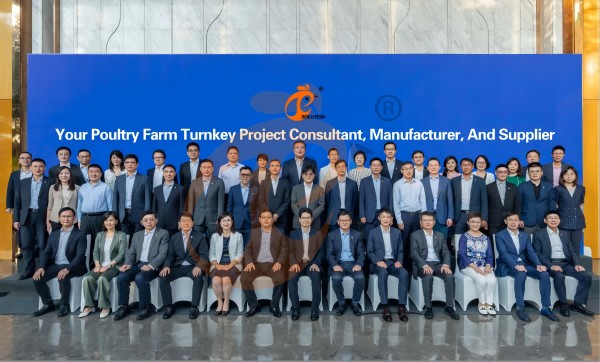
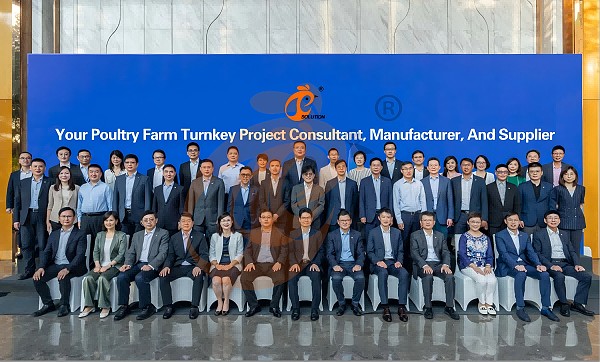
Hong Kong Headquarter Management Team
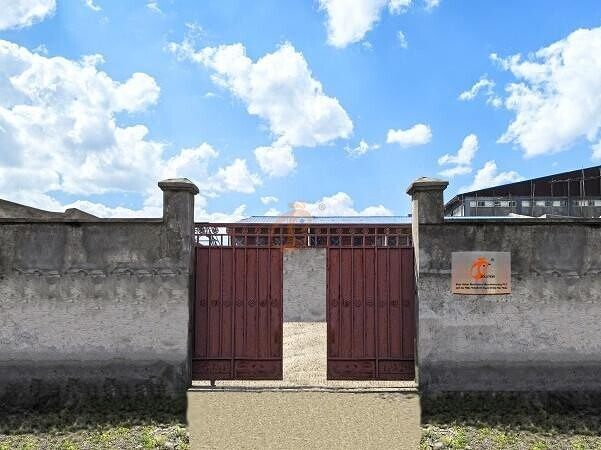
Hong Kong Headquarter Taiyu Industrial Group CO., LTD
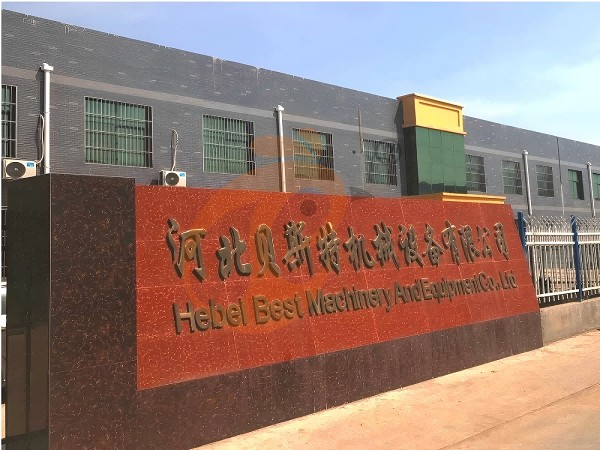
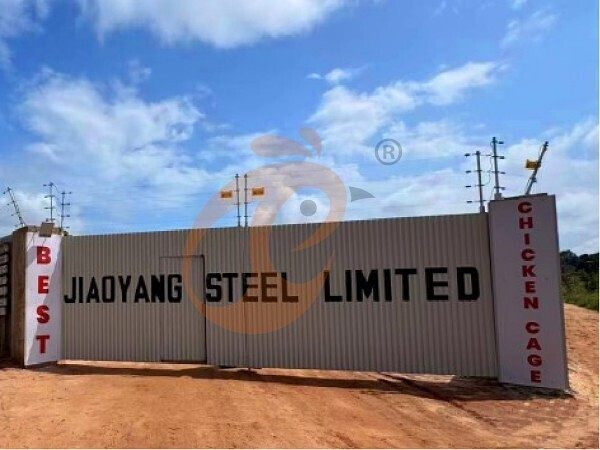
China Hebei Best Machinery And Equipment CO., LTD
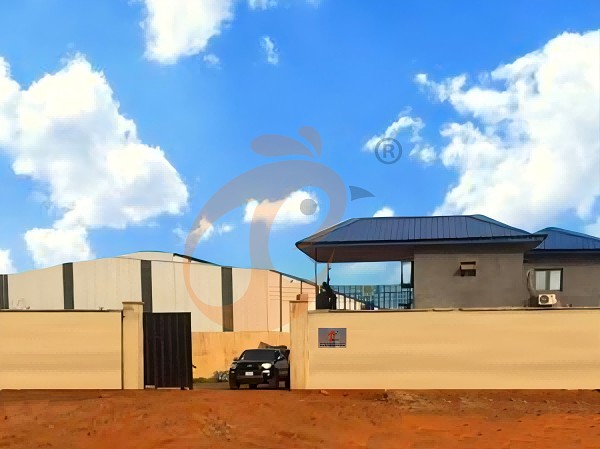
Nigeria Vanke Machinery And Equipment CO., LTD
Tanzania Best Machinery And Equipment CO., LTD
Ethiopia Best Hebei Machinery Manufacturing PLC
Reception /24 WhatsApp NO. : +8618830120193
PRODUCTS RECOMMENDED
 China Branch Manufacture Poultry Farm EquipmentRead More
 Ethiopia Branch Manufacture Poultry Farm EquipmentRead More
 Nigeria Branch Manufacture Poultry Farm EquipmentRead More
 Tanzania Branch Manufacture Poultry Farm EquipmentRead More
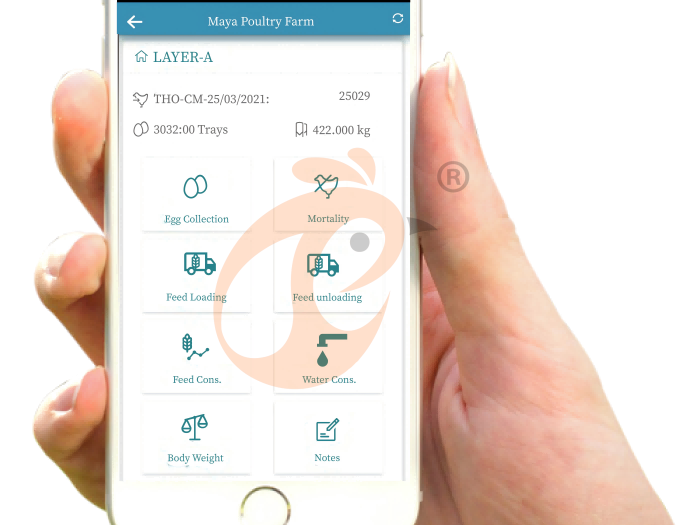
 IoT Smart Poultry FarmRead More
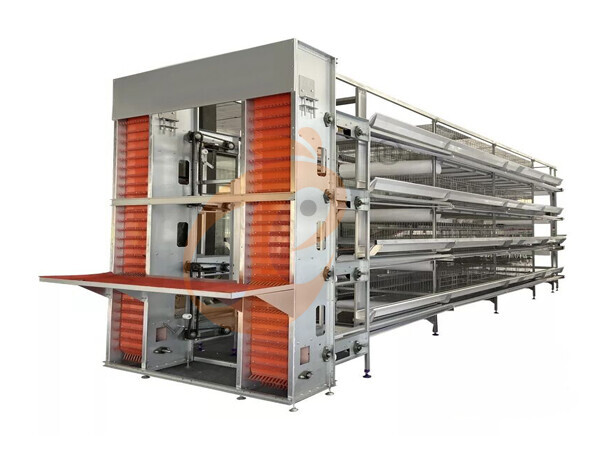
 >30,000 Layers Automatic H Type Battery CageRead More
 10,000 - 30,000 Layers Automatic A Type Battery CageRead More
MESSAGE
NEWS
 50,000 - 100,000 chickens/house: poultry farm solution, chicken cage, poultry farm equipment, AI smart managementRead More
 30,000 - 50,000 chickens/house: poultry farm solution, chicken cage, poultry farm equipment, AI smart managementRead More
 10,000 - 30,000 chickens/house: poultry farm solution, chicken cage, poultry farm equipment, AI smart managementRead More
 100 - 10,000 chickens/house: poultry farm solution, chicken cage, poultry farm equipment, AI smart managementRead More