

NEWS
Poultry battery cage system problems and solutions overview explains major structural, environmental, and operational challenges in intensive egg production systems.
Ventilation imbalance analysis highlights airflow variation across vertical cage tiers affecting temperature stability and bird comfort levels in enclosed poultry houses.
Manure accumulation impact discussion covers ammonia concentration buildup, waste decomposition patterns, and related respiratory health risks for laying hens.
Feeding and watering system performance evaluation focuses on distribution consistency, pressure stability, and nutrient access uniformity across multi-tier cage layouts.
Maintenance efficiency and behavioral response review addresses operational workload, equipment durability, and stress indicators influencing long-term production performance outcomes.
Get professional poultry farm construction guidance, equipment selection solutions, and the latest price lists, whatsApp to +8618830120193, click to learn more:
System Architecture And Engineering Basis
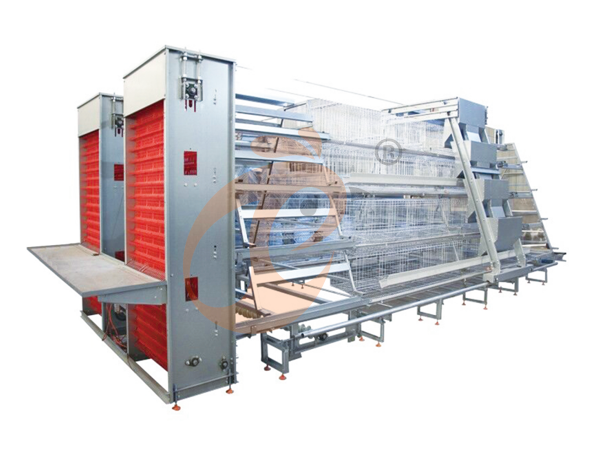
A-type cage structures define the mechanical foundation of poultry production houses.
Load distribution, steel configuration, and spatial design determine long-term operational stability under continuous use conditions.
Data is for reference only.Swipe horizontally to view full table.
Structural configuration determines airflow direction stability and mechanical durability under continuous flock loading conditions.
Ventilation Imbalance Across Cage Tiers
Air distribution inconsistency remains one of the most critical limitations in vertical poultry housing systems.
Upper and lower tiers often experience different thermal and humidity exposure levels.
Data is for reference only.Swipe horizontally to view full table.
Uneven airflow often leads to heat accumulation and localized stress zones affecting production uniformity.
Manure Gas Concentration And Waste Management
Decomposition of manure produces gas gradients that vary depending on ventilation efficiency and accumulation depth beneath cage structures.
Data is for reference only.Swipe horizontally to view full table.
Proper manure handling reduces respiratory irritation and improves flock health stability.
Egg Transport Integrity And Mechanical Stress
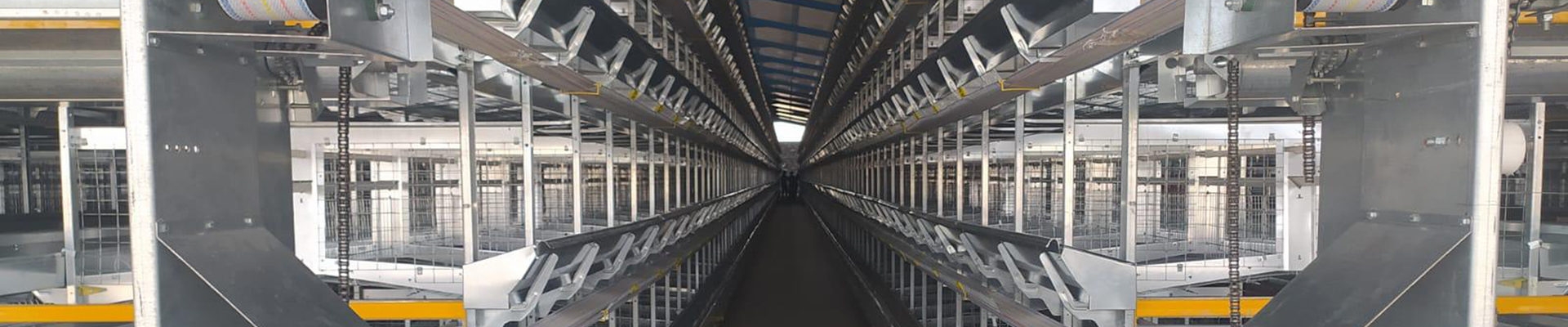
Egg movement systems experience mechanical vibration, slope inconsistency, and transition stress across conveyor segments.
Data is for reference only.Swipe horizontally to view full table.
Mechanical alignment optimization reduces shell damage and improves market-grade output.
Feed Distribution Stability And Nutrient Balance
Feed delivery systems must maintain consistent output pressure across multiple branch lines to ensure uniform nutrient intake.
Data is for reference only.Swipe horizontally to view full table.
Balanced feeding improves laying rate synchronization across flock sections.
Water Delivery Pressure And Hydration Control
Water supply consistency depends on pressure regulation and pipeline resistance across multiple elevation levels.
Data is for reference only.Swipe horizontally to view full table.
Hydration stability directly influences feed intake and metabolic balance.
Behavioral Stress Indicators In Cage Environment
Behavioral responses in confined systems reflect environmental pressure, lighting consistency, and spatial restriction effects.
Data is for reference only.Swipe horizontally to view full table.
Behavioral stability improvement enhances long-term production efficiency.
Maintenance Efficiency And Operational Time Allocation
Maintenance access difficulty increases with system complexity and tiered cage density, affecting operational continuity.
Data is for reference only.Swipe horizontally to view full table.
Efficient maintenance scheduling reduces system downtime and improves production continuity.
Microclimate Regulation And Environmental Stability
Environmental control in poultry houses functions as an integrated system balancing temperature, humidity, and gas concentration across all tiers.
Data is for reference only.Swipe horizontally to view full table.
Stable microclimate conditions support consistent egg production performance.
Frequently Asked Questions
Q1: How does cage design affect egg production stability?
Cage geometry influences airflow, feed access, and stress levels.
Proper design reduces variation between tiers and improves laying consistency.
Typical optimized systems maintain airflow around 1.0–1.8 m/s across zones.
Q2: What causes ammonia build-up in poultry houses?
Manure decomposition combined with poor ventilation creates gas accumulation.
Concentrations above 25 ppm near floor zones often indicate insufficient removal cycles or airflow imbalance.
Q3: How often should maintenance be scheduled in cage systems?
Routine inspection cycles vary by subsystem, but ventilation and water lines typically require weekly checks.
Mechanical components such as belts may require 30–50 minutes per unit service time.
Taiyu (HK) Group - One Of China Largest Poultry Battery Cage Manufacturer
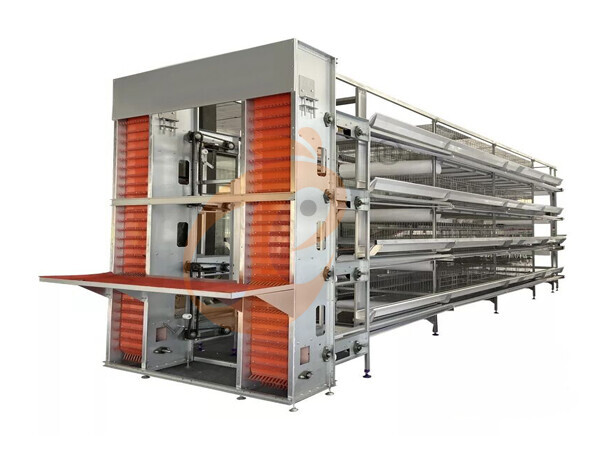
A type poultry battery cage system engineered for large scale commercial egg production with modular structural precision and environmental control capability
Global factory direct supply chain supporting standardized poultry equipment manufacturing and integrated farm automation solutions across multiple regions
Poultry equipment turn-key engineering covering design installation commissioning and long term operational support for intensive farming projects worldwide
International export compliance system supporting European union standard reference only pricing structure and cross border agricultural infrastructure deployment models
Fully integrated production line covering cage systems feeding systems ventilation systems and automated manure removal technology for industrial poultry farms
Contact Us To Received Your Customized Poultry Farm Plan
Headquarters And Branchs
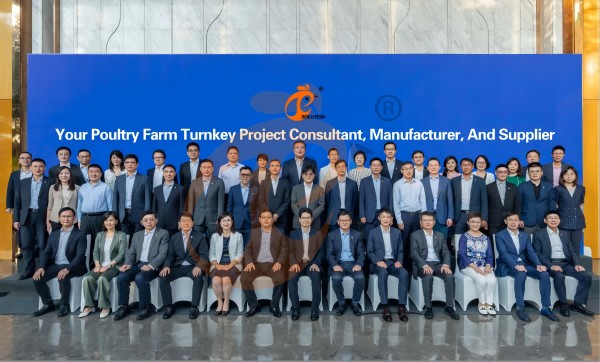
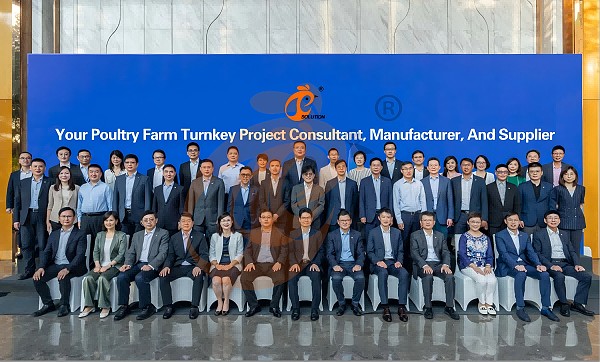
Hong Kong Headquarter Management Team
Hong Kong Headquarter Taiyu Industrial Group CO., LTD
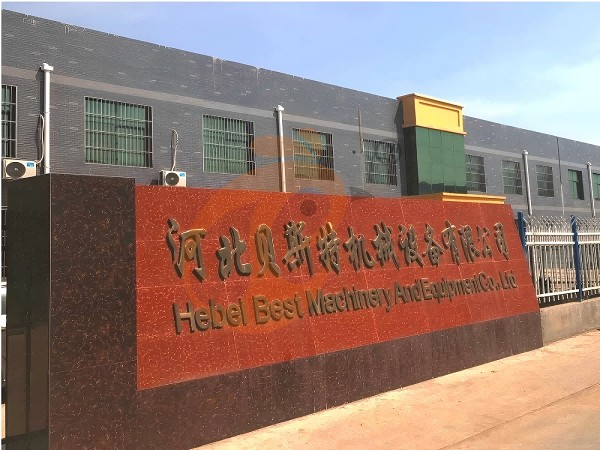
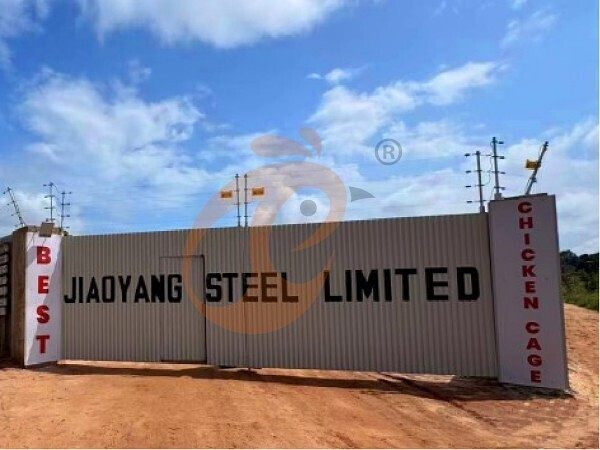
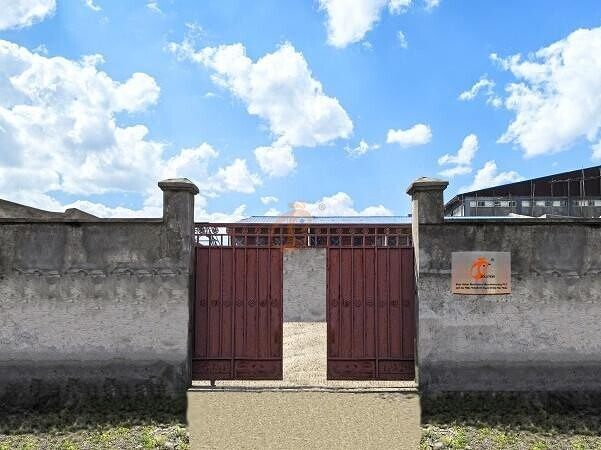
China Hebei Best Machinery And Equipment CO., LTD
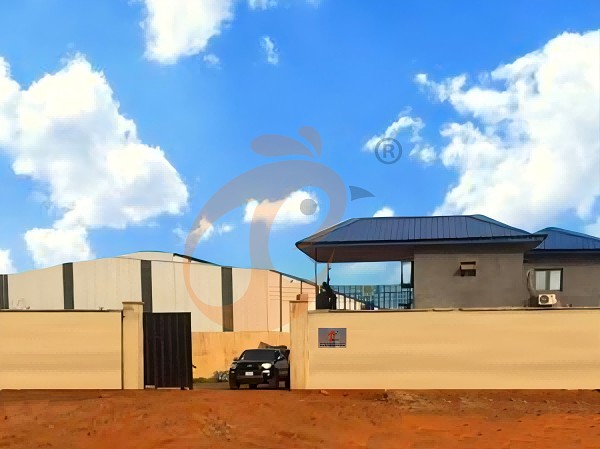
Nigeria Vanke Machinery And Equipment CO., LTD
Tanzania Best Machinery And Equipment CO., LTD
Ethiopia Best Hebei Machinery Manufacturing PLC
Reception /24 WhatsApp NO. : +8618830120193
PRODUCTS RECOMMENDED
 China Branch Manufacture Poultry Farm EquipmentRead More
 Ethiopia Branch Manufacture Poultry Farm EquipmentRead More
 Nigeria Branch Manufacture Poultry Farm EquipmentRead More
 Tanzania Branch Manufacture Poultry Farm EquipmentRead More
 IoT Smart Poultry FarmRead More
 >30,000 Layers Automatic H Type Battery CageRead More
 10,000 - 30,000 Layers Automatic A Type Battery CageRead More
MESSAGE
NEWS
 50,000 - 100,000 chickens/house: poultry farm solution, chicken cage, poultry farm equipment, AI smart managementRead More
 30,000 - 50,000 chickens/house: poultry farm solution, chicken cage, poultry farm equipment, AI smart managementRead More
 10,000 - 30,000 chickens/house: poultry farm solution, chicken cage, poultry farm equipment, AI smart managementRead More
 100 - 10,000 chickens/house: poultry farm solution, chicken cage, poultry farm equipment, AI smart managementRead More