

NEWS
Deep litter poultry system planning connects housing structure, feeding automation, drinking control, ventilation, cooling, lighting, and litter management into one commercial production framework.
Production capacity, floor allocation, equipment positioning, and environmental control establish a coordinated foundation for efficient poultry-house operation.
Automatic feeding, nipple drinking, tunnel ventilation, cooling pads, sensors, and controllers provide practical equipment solutions for modern farms requiring measurable operating performance.
Structural planning also considers service access, equipment expansion, moisture management, airflow direction, and daily maintenance requirements across different production scales.
Six planning steps create a technical pathway from flock capacity and house construction toward integrated equipment selection, commissioning, automation, and future farm expansion.
Get professional poultry farm construction guidance, equipment selection solutions, and the latest price lists, whatsApp to +8618830120193, click to learn more:
Deep Litter System Design Overview
A commercial deep litter poultry system should be designed as an integrated equipment platform rather than simply a floor covered with bedding.
FAO identifies space, ventilation, lighting, and protection as fundamental poultry housing requirements, while commercial systems increasingly combine automatic feeding, drinking, ventilation, and monitoring.
Data is for reference only.Swipe horizontally to view full table.
The equipment supplier should calculate the complete system before installation because feeder capacity, water delivery, ventilation demand, and electrical loading influence the final house layout.
Planning Step 1: Define Production Capacity
Begin With Production Targets
→ Identify whether the house will serve broilers, layers, pullets, or breeders.
→ Calculate usable floor area from expected mature body weight.
→ Reserve dedicated space for feed delivery, water lines, ventilation equipment, and maintenance.
→ Select an equipment configuration that can accommodate future expansion.
Data is for reference only.Swipe horizontally to view full table.
FAO references deep-litter stocking around 3–4 birds per square meter for some housing applications, while commercial density decisions should account for bird type, age, climate, and management.
Planning Step 2: Select House Structure And Layout
Structure → Equipment → Service Access
The steel structure should provide clear equipment zones without obstructing airflow or worker movement.
A practical commercial design can use a concrete floor with insulated roofing, galvanized structural members, service doors, and planned equipment mounting points.
The house orientation can also influence thermal conditions, making building direction an important engineering consideration for climate-controlled poultry houses.
Data is for reference only.Swipe horizontally to view full table.
A complete poultry equipment company should provide the house layout together with feeder positions, drinker routes, fan locations, cooling equipment, control cabinets, and electrical points.
Planning Step 3: Build The Feeding System Around Bird Movement
Feed Storage → Conveying → Distribution → Consumption
Automatic feeding should deliver feed consistently throughout the occupied floor area.
Pan feeders, tube feeders, or chain systems can be selected according to flock size and house geometry.
Data is for reference only.Swipe horizontally to view full table.
The feeder installation height should be adjusted according to bird growth, with commercial references commonly positioning feeding equipment close to the litter surface.
Planning Step 4: Design The Drinking System
Clean Water + Controlled Pressure + Easy Maintenance
A nipple drinking system is suitable for deep litter houses because controlled water delivery helps prevent unnecessary wetting around drinking areas.
The system should include filtration, pressure regulation, water measurement, and end-line flushing.
Data is for reference only.Swipe horizontally to view full table.
Water intake can reach approximately 180–250 ml per bird daily, making automated monitoring useful for identifying changes in flock consumption and equipment operation.
Planning Step 5: Engineer Ventilation Before Installation
Fresh Air In → Occupied Zone → Exhaust Air Out
Ventilation should be calculated before fans are purchased.
Air movement must remove moisture, heat, dust, and ammonia while maintaining suitable indoor environmental conditions.
Data is for reference only.Swipe horizontally to view full table.
Commercial ventilation design requires airflow calculation according to bird numbers, house dimensions, climate, and environmental conditions.
Planning Step 6: Configure Cooling And Environmental Equipment
Cooling Strategy
Exhaust: remove accumulated heat through mechanical ventilation.
Air Intake: guide replacement air into the occupied zone.
Evaporative Cooling: use cooling pads when outdoor conditions require additional heat removal.
Automation: connect fans, pumps, sensors, and controllers for coordinated operation.
Data is for reference only.Swipe horizontally to view full table.
Integrated controllers allow environmental equipment to respond to measured conditions instead of relying entirely on manual operation.
Smart poultry research also supports automated action planning for more consistent production management.
Litter Management: Design For Dryness
Bedding Selection
Choose bedding according to absorbency, availability, cost, and local climate.
Moisture Control
Inspect areas surrounding drinkers and high-traffic zones during daily management.
Mechanical Management
Use litter-turning equipment where production scale justifies additional automation.
Ventilation Support
Increase air exchange when moisture accumulates.
Replacement
Remove caked material rather than allowing compacted sections to spread.
Commercial deep litter equipment can integrate automated litter turning with feed, water, ventilation, and environmental control systems for more coordinated house management.
Environmental Control And Automation
Sensor Layer
Temperature, humidity, ammonia, water, and electrical sensors collect operating information.
Control Layer
The controller processes readings and activates fans, cooling pumps, lighting, or feeding equipment.
Management Layer
Farm operators review equipment status and environmental trends through centralized monitoring.
Automated monitoring is valuable for larger poultry houses because abnormal environmental conditions can be detected between manual inspections.
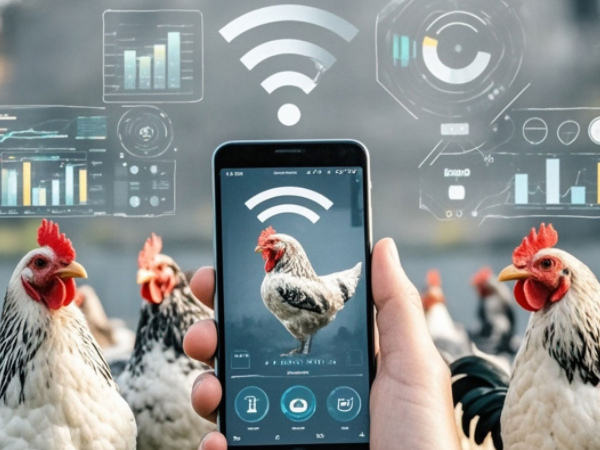
Smart poultry research demonstrates the potential of integrated sensing, analytics, and alerts for continuous farm management.
Final Design Check Before Bird Placement
01 — Structure
Confirm the steel frame, panels, concrete floor, doors, drainage, and equipment mounting points.
02 — Feeding
Operate every feeder line and inspect feed delivery from the hopper to the final feeding point.
03 — Drinking
Flush each water line and verify pressure, nipple operation, filtration, and water-meter readings.
04 — Ventilation
Run every fan and confirm that air enters through the designed intake route rather than bypassing the occupied zone.
05 — Cooling
Test pumps, cooling pads, water distribution, and automatic temperature response.
06 — Control
Check sensor readings, alarm functions, automatic sequences, manual overrides, and emergency power connections.
Complete commissioning allows the poultry equipment supplier to verify that installed equipment matches the original engineering design.
Complete Deep Litter Poultry System Selection
Data is for reference only.Swipe horizontally to view full table.
A professional deep litter poultry system should combine house engineering with purpose-built poultry equipment instead of treating every component as an independent purchase.
Feeding, drinking, ventilation, cooling, lighting, litter management, and environmental control should be calculated from the same production plan.
Integrated equipment creates a scalable production platform with centralized control, easier maintenance, and more consistent operating conditions.
Frequently Asked Questions
Q1: What equipment should be planned first for a deep litter poultry house?
House dimensions and flock capacity should be established first, followed by feeding, drinking, ventilation, cooling, lighting, and control equipment.
Q2: How can deep litter equipment reduce moisture problems?
Nipple drinking, controlled ventilation, and automated environmental monitoring can reduce unnecessary water release and support faster moisture removal.
Q3: Can automatic equipment be added during farm expansion?
Yes, modular feeder lines, ventilation units, sensors, and controllers can be planned with reserved service space for later capacity expansion.
Taiyu (HK) Group - One Of China Most Famous Deep Litter Poultry System Manufacturer
Deep litter poultry system combines structural planning, automatic feeding, nipple drinking, ventilation, cooling, lighting, litter management, and environmental control into an engineered commercial solution.
Global factory direct supply supports poultry equipment procurement with direct manufacturing coordination, technical configuration, component matching, and project-oriented production.
Poultry equipment covers automatic feeders, drinking systems, ventilation fans, cooling pads, sensors, controllers, and supporting house equipment for integrated farm layouts.
Turn-key engineering connects house planning, equipment selection, system integration, installation guidance, commissioning, and technical support into one project workflow.
International project delivery supports commercial poultry farms requiring scalable equipment configurations, centralized control, and engineering coordination across different production capacities.
Contact Us To Received Your Customized Poultry Farm Plan
Headquarters And Branchs
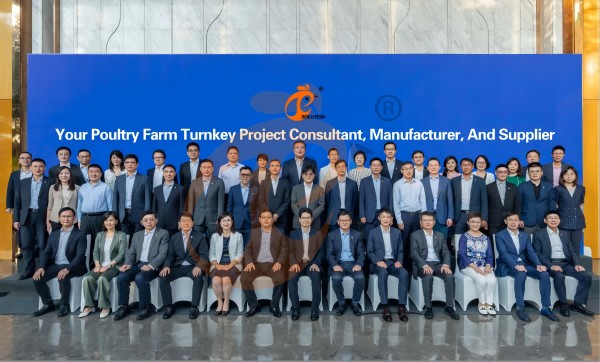
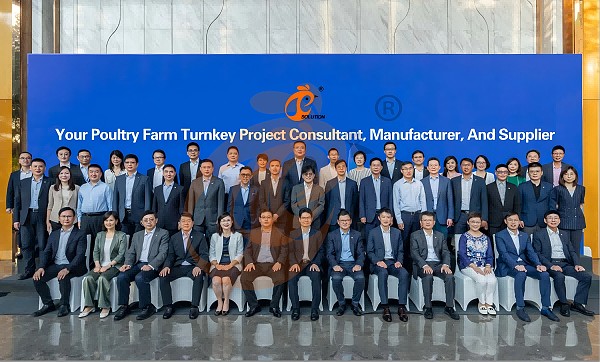
Hong Kong Headquarter Management Team
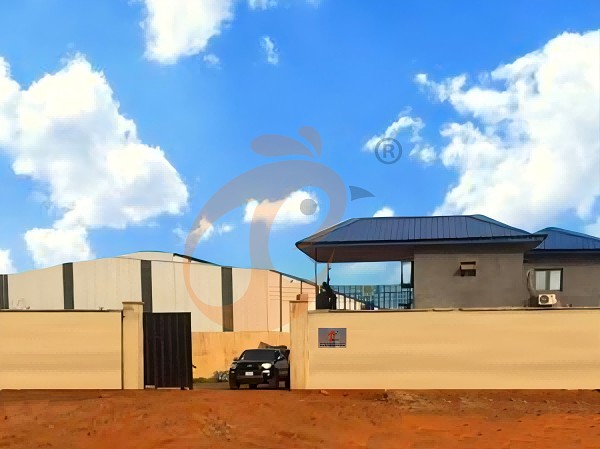
Hong Kong Headquarter Taiyu Industrial Group CO., LTD
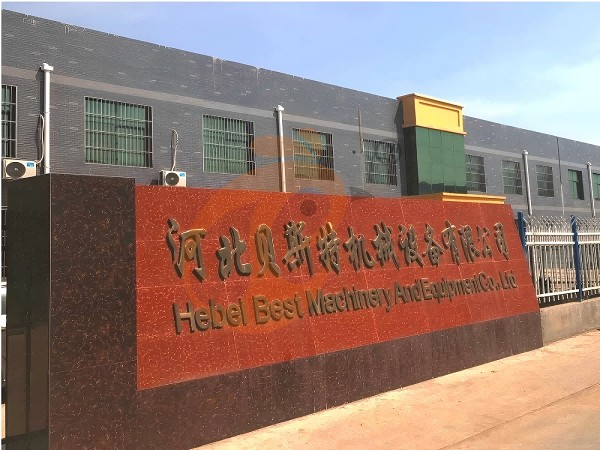
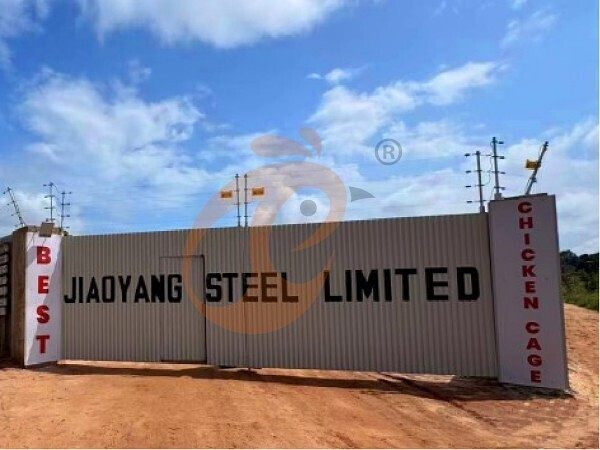
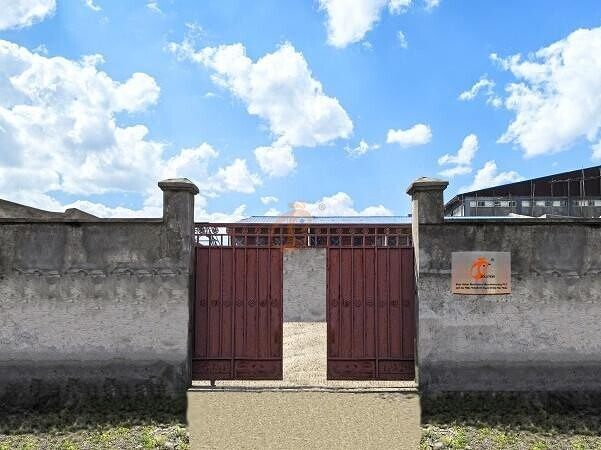
China Hebei Best Machinery And Equipment CO., LTD
Nigeria Vanke Machinery And Equipment CO., LTD
Tanzania Best Machinery And Equipment CO., LTD
Ethiopia Best Hebei Machinery Manufacturing PLC
Reception /24 WhatsApp NO. : +8618830120193
PRODUCTS RECOMMENDED
 China Branch Manufacture Poultry Farm EquipmentRead More
 Ethiopia Branch Manufacture Poultry Farm EquipmentRead More
 Nigeria Branch Manufacture Poultry Farm EquipmentRead More
 Tanzania Branch Manufacture Poultry Farm EquipmentRead More
 IoT Smart Poultry FarmRead More
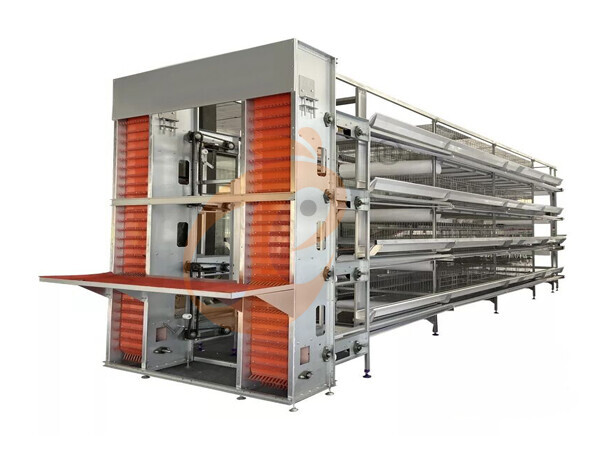
 >30,000 Layers Automatic H Type Battery CageRead More
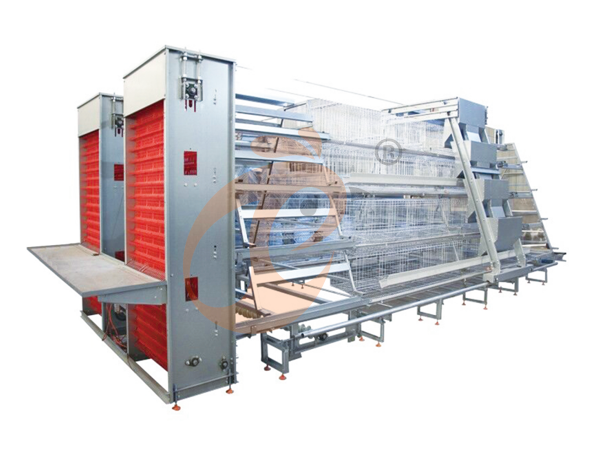
 10,000 - 30,000 Layers Automatic A Type Battery CageRead More
MESSAGE
NEWS
 50,000 - 100,000 chickens/house: poultry farm solution, chicken cage, poultry farm equipment, AI smart managementRead More
 30,000 - 50,000 chickens/house: poultry farm solution, chicken cage, poultry farm equipment, AI smart managementRead More
 10,000 - 30,000 chickens/house: poultry farm solution, chicken cage, poultry farm equipment, AI smart managementRead More
 100 - 10,000 chickens/house: poultry farm solution, chicken cage, poultry farm equipment, AI smart managementRead More