

BLOG
A-type poultry chicken cage system Ethiopia requires climate adaptation more than equipment investment.
Ethiopian altitude, humidity, and seasonal variation directly influence layer productivity and flock health.
Proper housing orientation, airflow control, and moisture management determine long-term farm profitability.
Local constraints such as power instability and borehole water must guide system design decisions.
This article provides practical, Ethiopia-specific strategies for stable egg production performance.
Get professional poultry farm construction guidance, equipment selection solutions, and the latest price lists, whatsApp to +8618830120193, click to learn more:

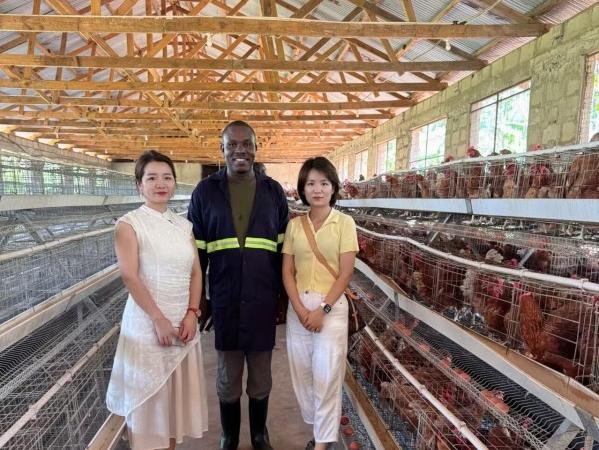
Ethiopia Branch Office And Factory Of Poultry Farm Equipment
Temperature Stability In Ethiopian Highlands
In Ethiopian highland regions, the main challenge is not extreme heat but temperature fluctuation between day and night.
When temperatures drop below 18°C, birds redirect energy from egg production to maintaining body heat.
This results in lower feed conversion efficiency and reduced egg output, even when feeding appears normal.
Farmers should prioritize heat retention strategies instead of expensive heating systems.
- Use adjustable curtains to trap heat at night
- Reduce unnecessary air leakage
Maintain consistent internal temperature
Humidity Control In Rift Valley And Lowlands
A-type chicken cage system Ethiopia performs differently across regions due to humidity variation.
High humidity reduces birds' ability to dissipate heat and accelerates ammonia formation.
This leads to gradual production decline rather than sudden mortality, making it harder to detect.
Data is for reference only.Swipe horizontally to view full table.
Practical adjustments include increasing airflow at lower cage tiers and maintaining dry manure surfaces.
Housing Orientation And Solar Exposure Management
Improper house orientation is a common inefficiency in Ethiopian poultry farms.
Direct solar radiation causes uneven cage temperatures, especially in upper tiers.
This leads to inconsistent egg size and bird stress.
Correct design approach
- Align buildings East–West
- Extend roof overhangs to reduce sunlight penetration
- Use reflective roofing materials
This low-cost decision has long-term productivity impact.
Ventilation Strategy Based On Altitude
Best climate for poultry cage Ethiopia depends heavily on airflow management.
At higher altitudes, oxygen availability decreases, requiring efficient ventilation.
At lower altitudes, heat removal becomes the dominant factor.
Data is for reference only.Swipe horizontally to view full table.
Farmers should use open-sided housing with adjustable curtains to balance airflow and temperature.
Water Temperature And Borehole Challenges
Water quality in Ethiopia is generally acceptable, but temperature control is often ignored.
When water exceeds 30°C, birds reduce intake, directly affecting feed consumption and egg size.
Data is for reference only.Swipe horizontally to view full table.
Recommended actions
Insulate water tanks
Flush pipelines during hot periods
Monitor water-to-feed ratio daily
Lighting Requirements Under Ethiopian Conditions
Natural daylight in Ethiopia is insufficient for commercial egg production.
Layers require approximately 16 hours of light to maintain consistent laying cycles.
In A-type systems, uneven light distribution affects lower cage tiers.
Data is for reference only.Swipe horizontally to view full table.
Solar-backed LED systems provide a reliable solution under local power instability.
Ammonia Control And Manure Management
Ethiopia poultry farming cage climate conditions require strict ammonia control.
Accumulated manure in A-type systems releases ammonia gas, affecting both birds and workers.
Data is for reference only.Swipe horizontally to view full table.
Keeping manure dry is the most effective control strategy.
Feed Storage Under Humid Conditions
In regions with high humidity, feed stability becomes a critical risk factor.
Mold growth leads to aflatoxin contamination, which affects liver function and productivity.
Data is for reference only.Swipe horizontally to view full table.
Proper storage and regular cleaning of feeders are essential.
Seasonal Management Strategies In Ethiopia
Ethiopia's three main seasons require different management approaches.
- Bega (dry season): control dust and airflow
- Belg (short rains): monitor humidity fluctuations
- Kiremt (main rains): manage cold and moisture
Farmers should adjust ventilation and curtain usage based on seasonal changes instead of using a fixed system year-round.
Cost Consideration And Local Investment Reality
Many Ethiopian poultry farms operate under tight financial constraints.
Investment decisions should prioritize efficiency rather than complex automation.
Typical small-to-medium farm investment ranges from 150,000 to 600,000 Ethiopian Birr (ETB) depending on scale (European union standard reference only).
Low-cost strategies such as natural ventilation, reflective roofing, and solar lighting provide better long-term returns.
Frequently Asked Questions
Q1: Is an A-type chicken cage suitable for Ethiopia?
A1: Yes, it is highly suitable due to low reliance on electricity and adaptability to natural ventilation conditions.
Q2: Which region in Ethiopia is best for this system?
A2: Highland regions offer stable temperatures, while lowland areas require stronger ventilation design adjustments.
Q3: How can farmers reduce climate-related losses?
A3: Focus on temperature stability, humidity control, proper orientation, and consistent water management practices.
Ethiopia Best Hebei Machinery Manufacturing Plc - One Of Ethiopia Largest Poultry Cage Supplier
Global factory direct supply ensures competitive pricing and stable product availability for large-scale poultry farm equipment projects.
Specialized in A-type poultry cage and integrated poultry farm equipment solutions tailored for African environments and climate conditions.
Provides full Turn-key poultry farm engineering services including design, installation, and technical training support for farmers.
Strong export experience guarantees reliable logistics, durable materials, and long-term system performance under Ethiopian conditions.
Professional engineering team supports customized poultry cage layouts to maximize productivity and operational efficiency.
Contact Us To Received Your Customized Poultry Farm Plan
Headquarters And Branchs

Hong Kong Headquarter Management Team
Hong Kong Headquarter Taiyu Industrial Group CO., LTD
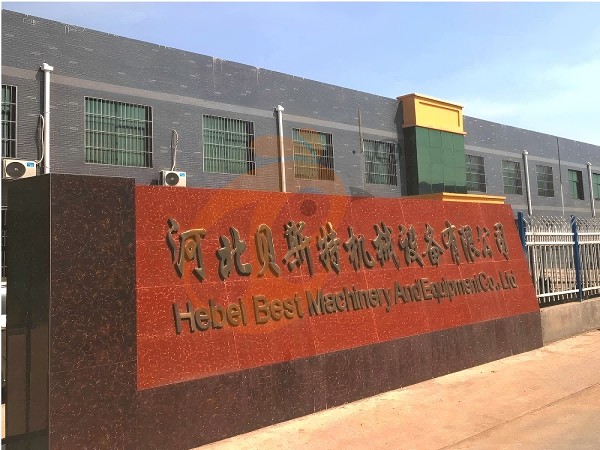
China Hebei Best Machinery And Equipment CO., LTD
Nigeria Vanke Machinery And Equipment CO., LTD
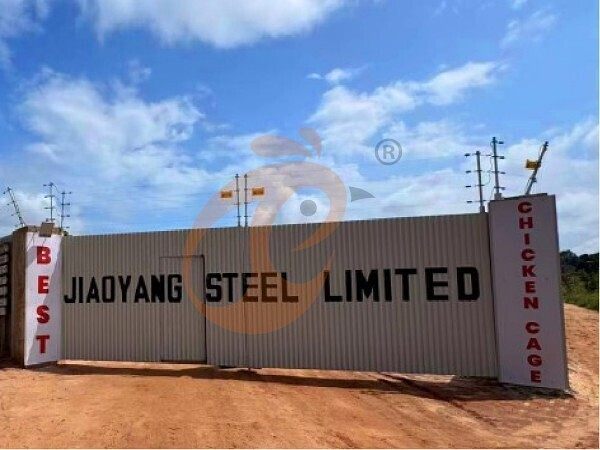
Tanzania Best Machinery And Equipment CO., LTD
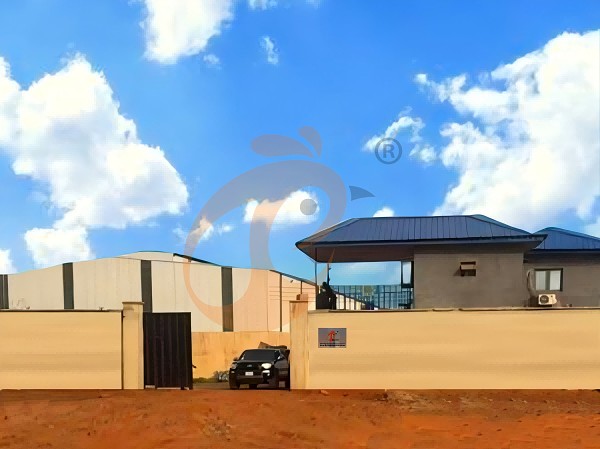
Ethiopia Best Hebei Machinery Manufacturing PLC
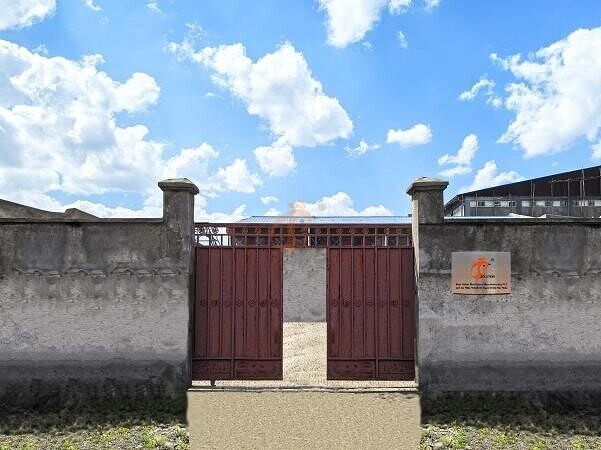
Reception /24 WhatsApp NO. : +8618830120193
PRODUCTS RECOMMENDED
 China Branch Manufacture Poultry Farm EquipmentRead More
 Ethiopia Branch Manufacture Poultry Farm EquipmentRead More
 Nigeria Branch Manufacture Poultry Farm EquipmentRead More
 Tanzania Branch Manufacture Poultry Farm EquipmentRead More
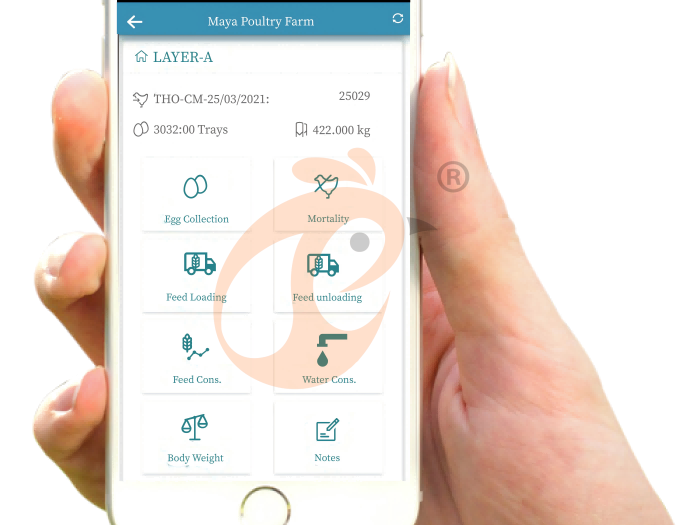
 IoT Smart Poultry FarmRead More
 >30,000 Layers Automatic H Type Battery CageRead More
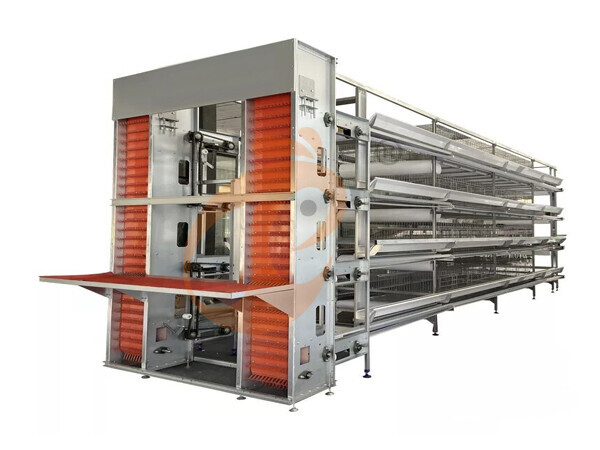
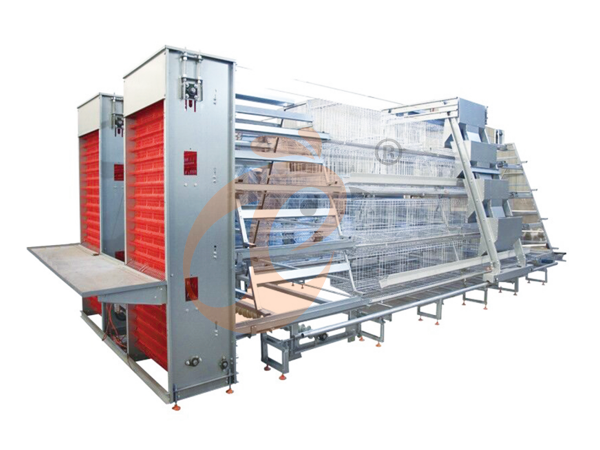
 10,000 - 30,000 Layers Automatic A Type Battery CageRead More
MESSAGE