

NEWS
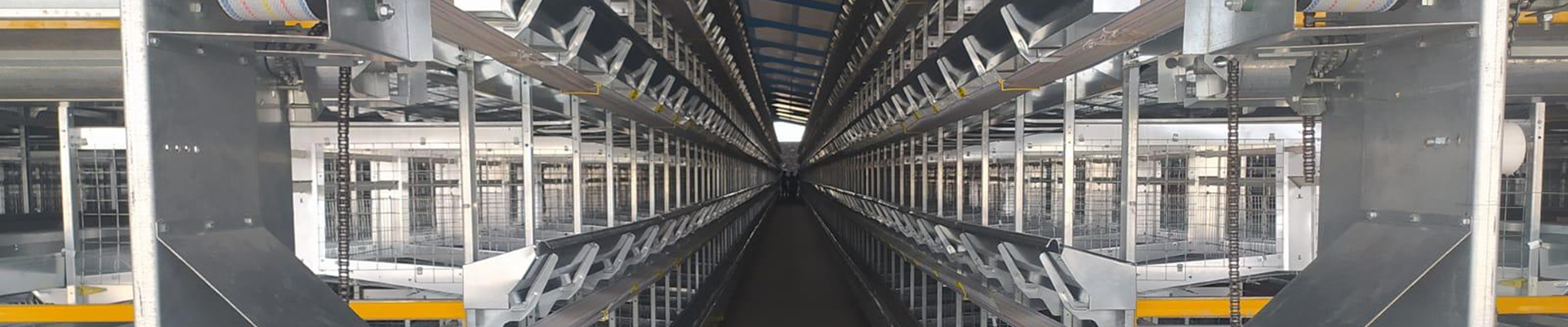
Battery cage for layers supplier selection starts with 6 practical evaluation criteria covering engineering dimensions, manufacturing quality, automation compatibility, service support, and project costs.
Corrosion protection and structural inspection help buyers evaluate cage durability through 3 checkpoints: material verification, weld inspection, and coating assessment.
Automatic feeding systems and nipple drinking systems coordinate daily farm operations through adjustable feeding schedules and model-specific water delivery parameters.
Manure removal systems and egg collection conveyors support material handling through compatible drive motors, conveyor speeds, and transfer arrangements.
Integrated poultry equipment packages combine 4 project elements: layout planning, equipment matching, commissioning support, and spare-parts coordination.
Get professional poultry farm construction guidance, equipment selection solutions, and the latest price lists, whatsApp to +8618830120193, click to learn more.
Cage Structure And Dimensional Specifications
Data is for reference only.Swipe horizontally to view full table.
Engineering Assessment
Battery cage for layers selection requires 3 dimensional checks: building clearance, cage alignment, and maintenance access, with final measurements verified against approved drawings.
Automatic layer cage systems should be evaluated for 3 installation interfaces: supporting frames, feeding-line clearance, and manure removal access, before component quantities are finalized.
Commercial cage models vary in compartment geometry and assembly connections, so buyers should verify dimensions, material specifications, and installation tolerances before confirming an order.
Material Quality And Corrosion Protection
Engineering Inspection Checklist
Battery cage for layers quality assessment should include 4 documented inspection areas: material certificates, coating records, weld quality, and manufacturing traceability.
Wire inspection measure wire dimensions with calibrated instruments and compare results against approved drawings and manufacturing tolerances.
Coating inspection review coating thickness records and confirm whether hot-dip galvanizing or another specified treatment suits the operating environment.
Weld inspection examine representative joints for incomplete fusion, sharp projections, and visible deformation.
Assembly inspection check cage doors, partitions, and connecting components against approved assembly drawings.
Traceability match production batches with inspection records and approved material specifications.
Layer cage equipment operating in humid conditions requires 3 maintenance considerations corrosion monitoring, cleaning procedures, and scheduled component inspections.
Our poultry equipment team can help buyers compare material options, surface treatments, and inspection documentation across the 3 principal stages of procurement: specification, manufacturing, and acceptance.
Feeding And Drinking Equipment Parameters
Data is for reference only.Swipe horizontally to view full table.
Purchasing Tip Card
Battery cage for layers quotations should identify 4 feeding and drinking components: automatic feeders, nipple drinkers, water regulators, and filtration assemblies.
Request the rated feed distribution capacity in kilograms per hour and verify the operating schedule against the manufacturer's specifications.
Confirm drinking-line performance under the specified water pressure and actual installation conditions.
Check compatibility among pipeline fittings, filtration assemblies, and drinker connectors before procurement.
Request a spare-parts list covering valves, regulators, filters, and drive components.
The table presents 3 illustrative configuration options, so actual flow rates, pressure settings, and component dimensions must be verified against the selected equipment model.
An integrated layer cage feeding package can coordinate 2 essential systems, feed delivery and drinking-water distribution, while simplifying installation and maintenance planning.
Automation And Equipment Integration
Recommended Engineering Workflow
Battery cage for layers automation planning should coordinate 4 principal systems: automatic feeding, manure conveyors, egg collection machinery, and environmental controls.
Project Sequence
Requirement collection → equipment layout → interface review → mechanical installation → electrical connection → no-load testing → loaded commissioning → operator training
Commissioning records should document 5 checks motor current, belt alignment, emergency-stop response, sensor operation, and controller alarm status.
A structured acceptance procedure should verify mechanical clearance, electrical connections, and operating sequences before routine farm operations begin.
Our poultry equipment portfolio supports projects involving multiple equipment interfaces, coordinated installation drawings, and documented commissioning procedures.
Manure Removal And Egg Collection Specifications
Data is for reference only.Swipe horizontally to view full table.
Equipment Integration Note
Battery cage for layers proposals should coordinate 3 handling interfaces: manure discharge, egg transfer, and conveyor access, according to approved building drawings.
The table provides 3 illustrative equipment configurations, and actual conveyor capacity must be validated against the selected model, installation length, and operating load.
Our manure removal systems and egg collection equipment can be coordinated through shared layouts, compatible drives, and defined maintenance access points.
Electrical Control And Operating Compatibility
Data is for reference only.Swipe horizontally to view full table.
Electrical Selection Notes
Battery cage for layers technical proposals should identify 3 electrical factors site supply voltage, motor requirements, and environmental protection ratings.
The table presents 3 illustrative configuration options, and final electrical protection must be verified against applicable safety codes and the equipment manufacturer's instructions.
Provide the local supply voltage, available phases, and operating environment before equipment selection and electrical design approval.
Our technical team can coordinate motor specifications, control cabinets, and sensor interfaces through documented installation and commissioning procedures.
Recommended Equipment Packages For Different Farm Projects
Data is for reference only.Swipe horizontally to view full table.
Configuration key 0 means excluded, and 1 means included.
Battery cage for layers package recommendations should account for 4 factors flock capacity, building dimensions, investment budget, and destination-market regulations.
Smaller installations may prioritize essential equipment, while larger projects can integrate feeding, manure handling, egg collection, and environmental controls.
Our poultry equipment team can prepare customized packages after reviewing building drawings, electrical requirements, and the selected automation configuration.
Supplier Evaluation And After-Sales Support
Project Documentation Framework
Battery cage for layers supplier evaluation should include 3 document groups: approved engineering drawings, manufacturing inspection records, and operating and maintenance instructions.
Recommended Review Milestones
Drawing approval confirm cage layout, component quantities, and installation interfaces.
Manufacturing inspection verify materials, dimensions, and agreed quality requirements.
Pre-shipment verification review packing details, accessories, and inspection documentation.
Commissioning Acceptance check equipment operation, safety controls, and operator readiness.
A project schedule can use 4 review milestones to organize communication between the buyer, equipment manufacturer, and installation team.
Our poultry equipment service arrangements can cover 4 support areas: technical documentation, commissioning assistance, spare-parts planning, and maintenance guidance.
Total Cost Of Ownership And Procurement Planning
Data is for reference only.Swipe horizontally to view full table.
Commercial Planning Note
Battery cage for layers quotations should separate 4 cost categories: equipment, freight, installation, and electrical works.
The table presents 3 illustrative budgeting scenarios rather than verified market prices, standard payment terms, or guaranteed project costs.
For overseas projects, compare itemized quotations and confirm freight charges, customs duties, insurance, and delivery conditions before purchase.
Europpean union standard reference only European commercial assessments should verify destination-market requirements, relevant compliance documentation, and the agreed delivery terms.
Technical Information Required For A Customized Quotation
Data is for reference only.Swipe horizontally to view full table.
Quotation Preparation
Battery cage for layers quotations become more accurate when buyers provide 4 details building drawings, project location, intended flock capacity, and automation requirements.
The table includes 3 illustrative planning inputs, and the dimensions and timelines are not mandatory construction standards or confirmed delivery commitments.
Our team can review site arrangements, equipment interfaces, and installation access before preparing a technical and commercial proposal.
Frequetly Asked Questions
Q1: How do i select a reliable battery cage for layers supplier?
A1: Compare 4 criteria: verified specifications, manufacturing records, installation support, and warranty conditions, then check the proposed equipment layout against approved drawings and local regulations.
Q2: Can automatic feeding and manure removal systems be supplied together?
A2: Yes, both systems can be coordinated through shared engineering drawings, compatible drive motors, and documented commissioning procedures, with each motor rating confirmed for the selected model.
Q3: What information is required for a layer cage equipment quotation?
A3: Provide 5 details building dimensions, intended flock capacity, destination country, electrical supply requirements, and preferred automation options to support accurate equipment selection.
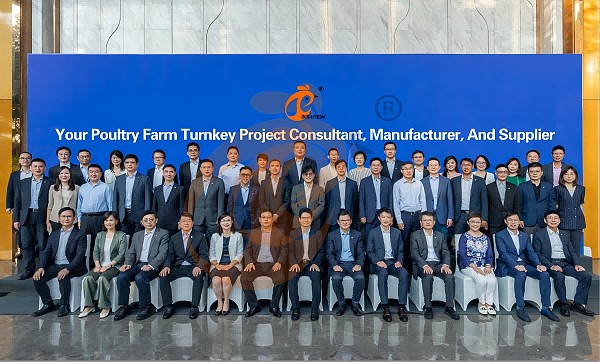
Taiyu (HK) Group - One Of China Largest Battery Cage Supplier
Battery cage for layers systems are configured around 3 engineering priorities approved drawings, specified materials, and coordinated equipment interfaces, with dimensions verified before manufacturing.
Global factory-direct supply covers 4 principal poultry equipment categories automatic feeding systems, drinking lines, manure removal machinery, and egg collection conveyors.
Turn-key engineering coordination covers 4 project stages layout review, equipment matching, installation planning, and commissioning documentation, according to the agreed scope.
International project support coordinates 4 operational requirements technical specifications, packing, spare parts, and delivery arrangements across destination markets.
Customized commercial proposals define equipment quantities, technical parameters, optional accessories, warranty conditions, and project responsibilities before order confirmation.
Layer Cage Project Reference Notes
Battery cage for layers dimensions require verification against 3 references approved drawings, installation tolerances, and applicable housing requirements.
Feeding equipment selection depends on 3 factors manufacturer specifications, motor ratings, and the intended operating schedule.
Drinking-line pressure requires verification against 3 conditions regulator settings, nipple flow specifications, and water supply characteristics.
Conveyor capacity depends on 3 factors installed layout, drive configuration, and confirmed equipment performance.
Electrical ratings must match 3 requirements site supply, environmental conditions, and applicable safety regulations.
Contact Us To Received Your Customized Poultry Farm Plan
Headquarters And Branchs

Hong Kong Headquarter Management Team
Hong Kong Headquarter Taiyu Industrial Group CO., LTD
China Hebei Best Machinery And Equipment CO., LTD
Nigeria Vanke Machinery And Equipment CO., LTD
Tanzania Best Machinery And Equipment CO., LTD
Ethiopia Best Hebei Machinery Manufacturing PLC




Reception /24 WhatsApp NO. : +8618830120193
PRODUCTS RECOMMENDED
 China Branch Manufacture Poultry Farm EquipmentRead More
 Ethiopia Branch Manufacture Poultry Farm EquipmentRead More
 Nigeria Branch Manufacture Poultry Farm EquipmentRead More
 Tanzania Branch Manufacture Poultry Farm EquipmentRead More
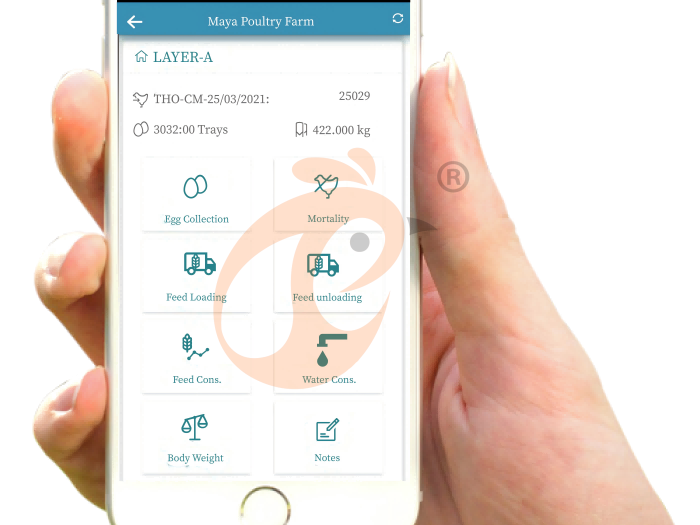
 IoT Smart Poultry FarmRead More
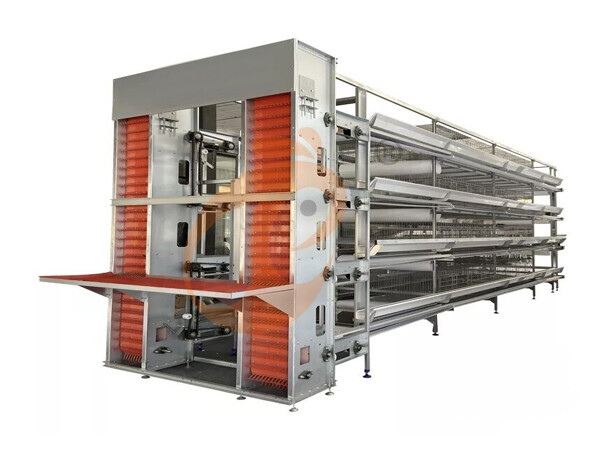
 >30,000 Layers Automatic H Type Battery CageRead More
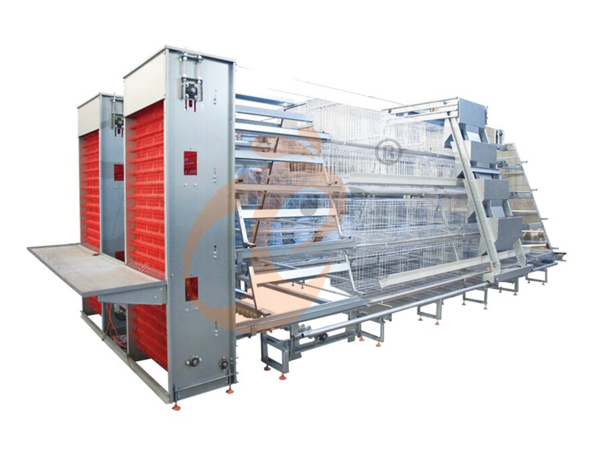
 10,000 - 30,000 Layers Automatic A Type Battery CageRead More
MESSAGE
NEWS
 50,000 - 100,000 chickens/house: poultry farm solution, chicken cage, poultry farm equipment, AI smart managementRead More
 30,000 - 50,000 chickens/house: poultry farm solution, chicken cage, poultry farm equipment, AI smart managementRead More
 10,000 - 30,000 chickens/house: poultry farm solution, chicken cage, poultry farm equipment, AI smart managementRead More
 100 - 10,000 chickens/house: poultry farm solution, chicken cage, poultry farm equipment, AI smart managementRead More