

NEWS
Affordable poultry equipment helps farms balance capital investment, operating efficiency, and reliable production across different flock sizes.
A 10,000-bird planning scenario provides a practical starting point for evaluating feeding, drinking, and ventilation requirements.
Comparing 3 equipment categories helps buyers prioritize essential machinery and reduce unnecessary purchasing expenses.
A structured 6-point purchasing strategy evaluates installation, maintenance, automation, energy consumption, and supplier support.
Project-specific poultry equipment quotations should reflect verified technical specifications, building dimensions, operating conditions, and available budgets.
Get professional poultry farm construction guidance, equipment selection solutions, and the latest price lists, whatsApp to +8618830120193, click to learn more.
Why Affordable Poultry Equipment Matters
Affordable poultry equipment supports farm profitability when equipment capacity, service life, and operating costs align with production requirements.
For a planning scenario involving 10,000 birds, evaluating feeding, drinking, and ventilation systems together helps establish a coordinated equipment purchasing plan.
Professional poultry equipment suppliers can prepare equipment configurations using verified product specifications and project requirements.
Define Your Farm's Requirements
Data is for reference only.Swipe horizontally to view full table.
These figures describe a hypothetical planning example rather than a universal farm design.
Confirm local stocking requirements, usable floor area, house construction, and production targets before ordering poultry equipment.
Compare Equipment Prices And Long-Term Costs
Purchase price alone cannot determine whether poultry equipment offers good value.
Compare itemized quotations, installation charges, power requirements, maintenance provisions, and replacement schedules before committing to an order.
Data is for reference only.Swipe horizontally to view full table.
These amounts are illustrative budget assumptions, not taiyu quotations or current market averages.
Actual poultry equipment prices depend on configuration, materials, order quantity, shipping arrangements, and installation scope.
All monetary amounts are expressed in usd.
European union standard reference only.
Prioritize Durable Materials And Reliable Design
Poultry equipment operates in environments exposed to moisture, dust, manure, and repeated cleaning.
Material selection, corrosion protection, and component accessibility should match the intended operating environment.
Engineering Points
Feeders check structural rigidity, feed adjustment mechanisms, and compatibility with the selected feed delivery system.
Drinking systems verify pressure regulation, connection sizes, nipple compatibility, and water treatment requirements.
Cages and structural components review material thickness, corrosion protection, load calculations, and cleaning access.
Ventilation equipment confirm fan curves, static pressure, motor protection, and installation clearances.
Control systems check sensor accuracy, electrical protection, alarm functions, and system compatibility.
Data is for reference only.Swipe horizontally to view full table.
The figures are preliminary specification examples for equipment evaluation, not confirmed specifications for a particular taiyu model.
Request the relevant product datasheets and verify operating conditions before comparing poultry equipment offers.
Invest In Automation Where It Pays Off
Automatic poultry equipment can reduce repetitive work, improve operating consistency, and simplify flock management.
Automation should be selected according to measurable workload, system compatibility, and the farm's available investment.
Data is for reference only.Swipe horizontally to view full table.
Quick Tip Card
Start with your biggest operational bottleneck.
High labor costs assess automatic feeding and egg collection requirements.
Difficult environmental control prioritize appropriately sized ventilation fans and compatible controllers.
Inconsistent water delivery review drinking line pressure, nipple flow, and water distribution.
Limited capital select modular poultry equipment that supports planned expansion.
The table values are preliminary comparison targets, not verified product ratings or guaranteed performance.
Request manufacturer documentation before using any parameter for equipment selection or financial projections.
Choose Equipment That Is Easy To Install And Maintain
Affordable poultry equipment should be straightforward to install, inspect, clean, and repair.
A documented maintenance plan can reduce avoidable downtime and help operators identify component wear before equipment failure.
Data is for reference only.Swipe horizontally to view full table.
Procurement Workflow
Asses record building dimensions, flock capacity, and existing equipment.
Specify document electrical requirements, equipment materials, operating limits, and automation features.
Compare review technical documents, itemized quotations, warranty conditions, and delivery arrangements.
Confirm approve the equipment layout, component compatibility, and installation responsibilities.
Commission test the system, train operators, and establish a preventive maintenance schedule.
The intervals and durations above are planning examples, not universal manufacturer requirements.
Adjust maintenance frequency according to equipment instructions, environmental conditions, operating hours, and service history.
Evaluate Supplier Experience And After-Sales Service
A reliable supplier provides technical consultation, accurate specifications, spare parts support, and clear communication.
Before ordering poultry equipment, establish measurable requirements for documentation, delivery, warranty coverage, and technical assistance.
Data is for reference only.Swipe horizontally to view full table.
These values are suggested procurement service targets rather than claims about any supplier's existing performance.
Specify the agreed response times, documentation requirements, and warranty obligations in the purchase contract.
Recommended Equipment Combinations For Different Farms
The most cost-effective poultry equipment configuration depends on production type, building dimensions, and operating priorities.
Rather than purchasing every available product, select compatible systems that address the farm's principal requirements.
Data is for reference only.Swipe horizontally to view full table.
Equipment Combination Recommendations
Small farms begin with essential feeding, drinking, and ventilation equipment that fits the available building area.
Growing farms consider automatic feeding and coordinated water delivery when labor requirements justify additional investment.
Commercial layer farms evaluate egg collection integration and compatible feeding systems to support daily production.
Large operations consider coordinated ventilation, monitoring, and feeding systems after confirming the engineering design.
The capacities shown are planning examples, not universal equipment limits or recommended stocking densities.
Final system selection must account for bird type, animal welfare requirements, climate, building geometry, and local regulations.
Budget Planning And Investment Priorities
A clear purchasing budget helps distinguish essential poultry equipment from optional upgrades.
Include transportation, installation, electrical work, training, maintenance supplies, and spare parts when estimating the complete project cost.
Data is for reference only.Swipe horizontally to view full table.
The budget allocation is an illustrative planning model, not a supplier quotation or a forecast of actual project costs.
Compare current labor hours, feed losses, maintenance expenses, and energy consumption before estimating financial returns.
All monetary amounts are expressed in usd.
European union standard reference only.
Common Purchasing Mistakes To Avoid
Purchasing poultry equipment without checking compatibility, installation conditions, and documentation can create avoidable costs.
A technical review should confirm that the proposed system matches the building design and operating requirements.
Data is for reference only.Swipe horizontally to view full table.
The 100 percent values represent proposed acceptance criteria for the listed checks, not measured equipment performance.
Confirm applicable electrical requirements, installation tolerances, and documentation obligations before commissioning.
Final Checklist Before Placing Your Order
Use a documented acceptance process to review poultry equipment requirements before approving the final quotation.
Farm capacity and production type are confirmed.
Poultry house dimensions and equipment layout are verified.
Technical specifications match the intended application.
Complete pricing, shipping, and installation terms are documented.
Warranty coverage and spare parts arrangements are clear.
Electrical requirements and system compatibility are checked.
Delivery schedules and after-sales support are confirmed.
Future expansion requirements have been considered.
A signed equipment schedule and approved technical drawings help establish clear responsibilities between the buyer and supplier.
Frequently Asked Questions
Q1: What poultry equipment should a new farm purchase first?
A1: Start with essential feeding equipment, drinking systems, and appropriately designed ventilation.
Confirm building dimensions, flock capacity, and environmental requirements before finalizing equipment specifications.
Q2: How can buyers compare affordable poultry equipment?
A2: Compare itemized usd quotations, verified technical specifications, warranty terms, installation expenses, and spare parts availability.
A consistent comparison across at least 3 equipment categories helps identify differences in quality and operating requirements.
Q3: Is automatic poultry equipment worth the investment?
A3: Automatic systems can reduce repetitive labor and improve operational consistency when correctly specified and maintained.
Evaluate labor hours, equipment utilization, energy consumption, and maintenance expenses before estimating payback.
Taiyu (HK) Group - One Of China's Toppest Poultry Equipment Manufacturer
Poultry equipment engineering integrated feeding, drinking, ventilation, and egg collection solutions can be configured for project capacities ranging from 1,000 to 100,000 birds, subject to engineering review and confirmed product specifications.
Global factory direct supply factory-direct procurement supports coordinated product specifications, technical documentation, and project-based quotations for international customers.
Poultry equipment manufacturing equipment configurations are selected according to material requirements, operating conditions, house dimensions, and applicable compliance standards.
Turn-key engineering projects project coordination can include equipment planning, system integration, installation guidance, commissioning arrangements, and operator training according to contract scope.
Technical commercial support buyers can request itemized usd quotations, technical drawings, component schedules, spare parts recommendations, and delivery plans before order confirmation.
Contact Us To Received Your Customized Poultry Farm Plan
Headquarters And Branchs

Hong Kong Headquarter Management Team
Hong Kong Headquarter Taiyu Industrial Group CO., LTD
China Hebei Best Machinery And Equipment CO., LTD
Nigeria Vanke Machinery And Equipment CO., LTD
Tanzania Best Machinery And Equipment CO., LTD
Ethiopia Best Hebei Machinery Manufacturing PLC




Reception /24 WhatsApp NO. : +8618830120193
PRODUCTS RECOMMENDED
 China Branch Manufacture Poultry Farm EquipmentRead More
 Ethiopia Branch Manufacture Poultry Farm EquipmentRead More
 Nigeria Branch Manufacture Poultry Farm EquipmentRead More
 Tanzania Branch Manufacture Poultry Farm EquipmentRead More
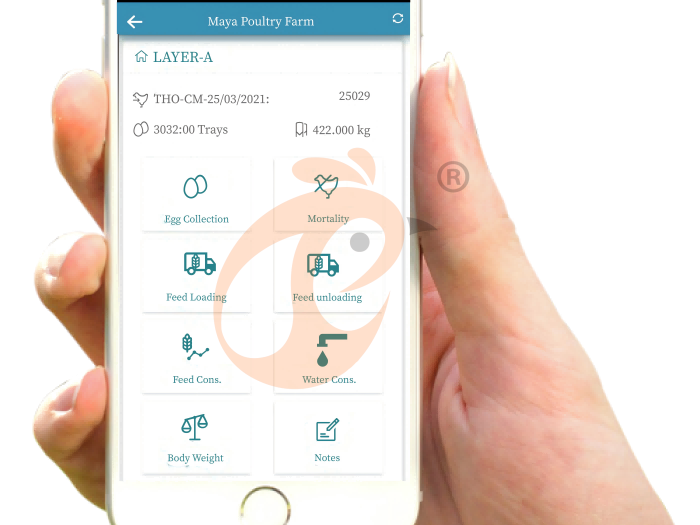
 IoT Smart Poultry FarmRead More
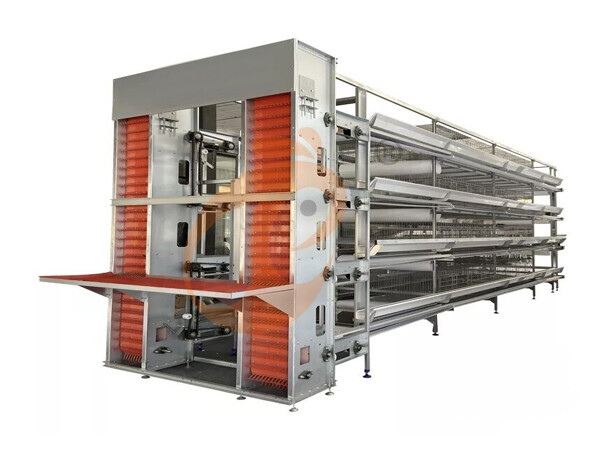
 >30,000 Layers Automatic H Type Battery CageRead More
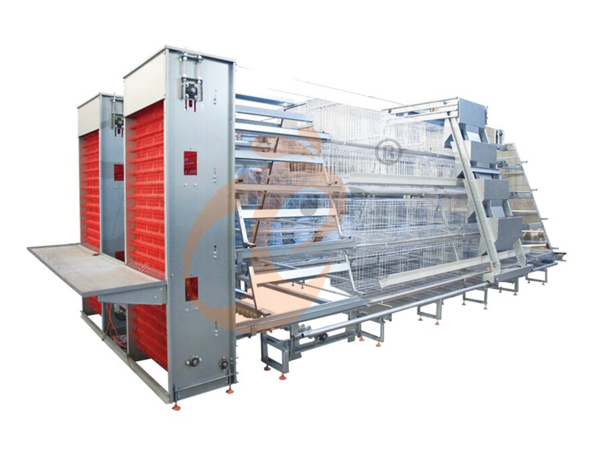
 10,000 - 30,000 Layers Automatic A Type Battery CageRead More
MESSAGE
NEWS
 50,000 - 100,000 chickens/house: poultry farm solution, chicken cage, poultry farm equipment, AI smart managementRead More
 30,000 - 50,000 chickens/house: poultry farm solution, chicken cage, poultry farm equipment, AI smart managementRead More
 10,000 - 30,000 chickens/house: poultry farm solution, chicken cage, poultry farm equipment, AI smart managementRead More
 100 - 10,000 chickens/house: poultry farm solution, chicken cage, poultry farm equipment, AI smart managementRead More