

NEWS
- Battery cage for layers for sale combines efficient housing design with automated production equipment, supporting commercial farms targeting 24,000–30,000 hens and structured daily workflows.
Proper cage configuration, corrosion-resistant materials, feeding equipment, drinking lines, egg conveyors, and manure systems influence operating efficiency throughout a planned 72–80 week production cycle.
Automated layer cage systems can coordinate repetitive operations while reducing manual handling, with electrical designs commonly prepared around 380 V and 50 Hz commercial installations.
Professional equipment selection also considers poultry-house dimensions, maintenance access, ventilation integration, installation accuracy, spare parts, commissioning procedures, and measurable engineering specifications.
- A complete layer battery cage system becomes a practical investment when cage structure, poultry equipment, automation, and project engineering are matched to production targets rather than evaluated by equipment price alone.
Get professional poultry farm construction guidance, equipment selection solutions, and the latest price lists, whatsApp to +8618830120193, click to learn more:
Start With The Real Buying Question: What Will The Cage System Do For Your Farm?
When searching for battery cage for layers for sale, price is only one part of the investment, while a layer battery cage system must coordinate housing, feeding, drinking, egg collection, manure handling, and daily management.
A properly planned house may operate with 12–14 hours of dark period and maintain 50–70% relative humidity, depending on climate and flock requirements.
Before requesting a quotation for an automatic layer cage system, define the production target and building conditions.
A farm planned for 24,000 laying hens requires different equipment coordination from a 5,000-bird project, while local electricity may use 220/380 V distribution
depending on national installation standards.
Buying Factor: Cage Capacity And Farm Layout
Data is for reference only.Swipe horizontally to view full table.
The cage arrangement should be calculated around poultry-house geometry rather than selected independently, making commercial battery cages more
effective when the building length reaches 60 m or more.
A professional design should also consider worker movement and equipment servicing, with a maintenance passage of 0.8–1.2 m supporting practical access to
an integrated layer cage system without unnecessarily reducing productive space.
Buying Factor: Material Quality
A layer cage operates in an environment containing moisture, manure, ammonia, and cleaning chemicals, so galvanized layer cages should be evaluated
through measurable material specifications rather than surface appearance.
Cage wire may use 2.0–2.5 mm diameter steel wire, while structural supports can use 40 × 40 mm square tubing according to engineering requirements.
Manufacturing accuracy affects installation and bird safety, while smooth welded joints reduce potential contact hazards for birds using commercial poultry
cages.
A cage-floor inclination of approximately 7–9° supports egg movement toward collection equipment, while a 25–35 mm edge return can help maintain controlled
cage-floor boundaries.
Buying Factor: Automation Level
Data is for reference only.Swipe horizontally to view full table.
Automation becomes particularly important when flock size creates repetitive daily work, allowing an automatic layer cage system to distribute feed and coordinate operating stages with a programmable sequence.
Equipment synchronization should be considered during engineering, with commercial projects potentially using 4–8 independent drive circuits and 6–12
monitoring sensors according to building length.
A properly specified layer battery cage system can also use 2–4 control zones to separate equipment operation and simplify fault isolation during maintenance.
Buying Factor: Manure And Egg Management
Data is for reference only.Swipe horizontally to view full table.
Manure management directly affects the working environment inside the poultry house, while battery cages for layers can incorporate scheduled belt removal to
keep waste movement organized.
A correctly routed belt can transport accumulated manure toward the discharge position, while a 600–900 mm belt-center arrangement can be incorporated
according to cage structure and support geometry.
Egg handling also requires careful engineering because excessive transfer points can increase mechanical impact, making automatic layer cage equipment more
valuable when egg routes remain controlled.
Where building geometry permits, conveyor transitions can use a 25–35° guide angle to maintain stable egg movement between equipment sections.
Installation And After-Sales Support
A technically suitable layer battery cage system can still experience operational problems when installation is inaccurate, especially around cage alignment,
drive shafts, belts, and feeding lines.
A shaft connection with approximately 60–100 mm engagement length can provide mechanical connection according to the selected drive design.
After-sales support should include installation drawings, commissioning instructions, operating manuals, and spare-parts information for commercial poultry
equipment projects.
International installations may require equipment adapted to ambient temperatures between −5°C and 45°C, depending on regional climate and poultry-house
design.
Price Comparison: Don't Compare Only The Cage Quote
Data is for reference only.Swipe horizontally to view full table.
A quotation should identify every included component rather than presenting one unexplained project total, particularly for battery cages for layers where electrical accessories can affect installation scope.
Motor enclosures can use an IP55 protection rating in poultry-house applications, while equipment selection should follow actual dust and moisture conditions.
Transportation should also be evaluated before confirming the purchase order for an automatic layer cage system, with large projects commonly arranged around
40-foot-high-cube containers.
Packing should protect galvanized components, motors, belts, and control equipment while maintaining practical loading density during international shipment.
European union standard reference only.
Why Integrated Layer Cage Equipment Creates More Value
Data is for reference only.Swipe horizontally to view full table.
An integrated layer battery cage system allows cage, feeding, drinking, egg collection, manure equipment, and environmental systems to be designed around one poultry-house layout.
Air-entry planning may target an inlet velocity of 0.8–1.2 m/s, supporting controlled air distribution around cage rows.
Electrical integration also requires coordination between motors, sensors, protection devices, and control circuits for commercial poultry equipment installations.
A commercial control cabinet can retain 30–40% spare terminal capacity to accommodate future equipment additions without replacing the complete cabinet.
Battery Cage Selection Checklist
Data is for reference only.Swipe horizontally to view full table.
Use the checklist before signing an equipment contract, especially when comparing battery cages for layers from multiple manufacturers.
Every critical component should have measurable technical specifications rather than descriptions such as ''durable'' or ''efficient'', while electrical documentation
should identify motor overload trip settings and emergency-stop circuit logic before commissioning.
A complete quotation reduces misunderstandings during production and installation, with 2–3 documented inspection stages helping control equipment quality
before shipment.
Ask the supplier to identify equipment quantities, accessory lists, installation scope, and acceptance procedures so the delivered automatic layer cage system can be checked against the engineering specification.
From Cage Purchase To Complete Poultry Project
Data is for reference only.Swipe horizontally to view full table.
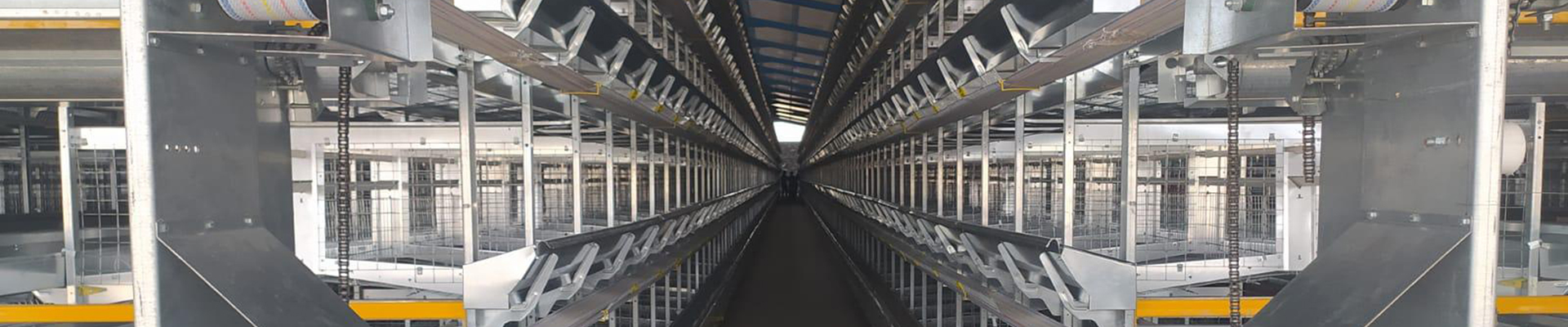
The project should begin with a technical drawing showing cage rows, aisles, feeding routes, egg conveyors, manure outlets, and service positions for the proposed layer battery cage system.
The equipment-access end can reserve 2–3 m of clear working length for maintenance, tools, and material handling.
During commissioning, every motorized component should be tested under operating conditions rather than simply switched on, allowing the commercial poultry equipment system to demonstrate stable operation.
A complete functional test can include 30–60 minutes of continuous running to verify belt tracking, chain movement, vibration, and control response.
Ready To Choose The Right Battery Cage For Layers?
The five key purchasing factors are cage configuration, material engineering, automation, feeding and drinking performance, and manure and egg management,
giving buyers a practical framework for evaluating battery cages for layers.
Each factor should be converted into measurable specifications before the purchase order is confirmed, with project requirements documented through at least
one approved equipment layout and one final bill of materials.
If you are looking for battery cage for layers for sale, provide poultry-house dimensions, target flock size, automation requirements, and project location for an
equipment configuration matched to the project.
The configuration can cover layer cages, automatic feeding, drinking lines, egg collection, manure removal, and environmental equipment, with 24 V control
circuits supporting coordinated automation where specified.
The objective is to create one coordinated layer-production system rather than a collection of unrelated machines, with a planned production period of
approximately 72–80 weeks connecting equipment reliability to long-term operating economics.
Frequently Asked Questions
Q1: What should be checked before buying battery cages for layers?
Check cage dimensions, material specifications, automation compatibility, building layout, installation scope, and spare-parts support.
A complete technical quotation should also identify equipment quantities and operating requirements before production begins.
Q2: Is an automatic layer cage system suitable for commercial farms?
Automatic systems are particularly useful where repetitive feeding, egg collection, and manure handling create substantial daily workload.
A project may divide operation into 2–4 equipment control zones according to house configuration.
Q3: How should suppliers quote a layer battery cage system?
Suppliers should quote the cage structure together with feeding, drinking, egg collection, manure handling, electrical controls, installation scope, and commissioning requirements.
A documented bill of materials with revision-controlled drawings provides a clearer basis for technical and commercial comparison.
Taiyu (HK) Group - One Of China Toppest Battery Cage Manufacturer
Battery cages for layers integrate structured bird housing with feeding, drinking, egg collection, manure handling, and automation, providing a complete equipment basis for commercial layer-house engineering.
Global factory direct sales connect poultry equipment manufacturing with project-specific layouts, component specifications, production inspection, international packing, and direct technical communication.
Poultry equipment packages can be configured for new farms, capacity expansion, cage replacement, and automated production projects, with engineering documents coordinated around the customer's building dimensions.
Turn-key engineering covers equipment configuration, manufacturing, shipment coordination, installation guidance, commissioning procedures, operator training, and after-sales spare-parts planning.
International project supply supports integrated poultry-house development through factory manufacturing, technical documentation, equipment matching, and production-system coordination from initial design through operational commissioning.
Contact Us To Received Your Customized Poultry Farm Plan
Headquarters And Branchs

Hong Kong Headquarter Management Team
Hong Kong Headquarter Taiyu Industrial Group CO., LTD
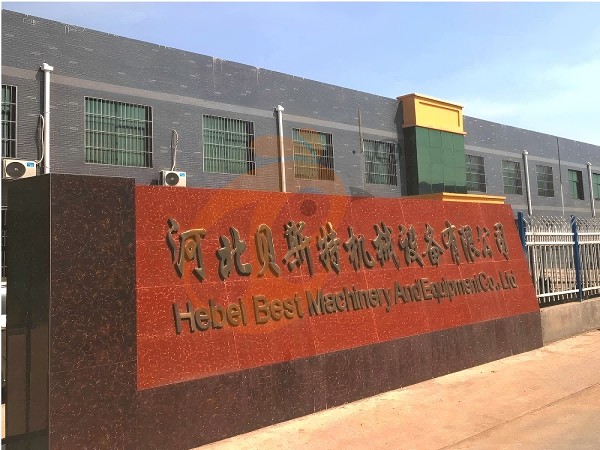
China Hebei Best Machinery And Equipment CO., LTD
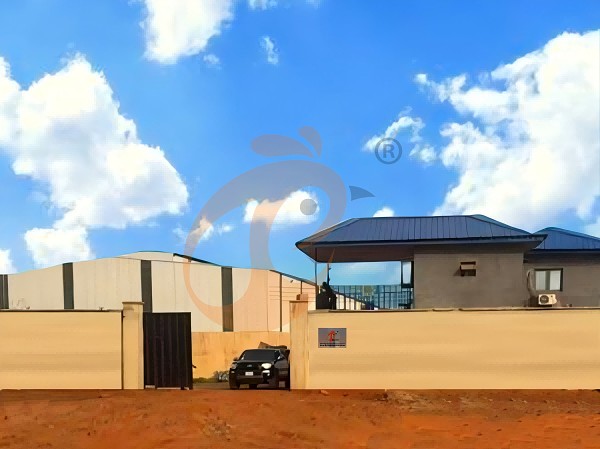
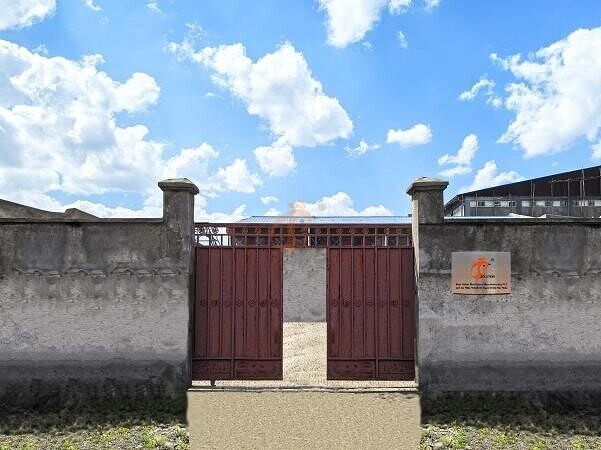
Nigeria Vanke Machinery And Equipment CO., LTD
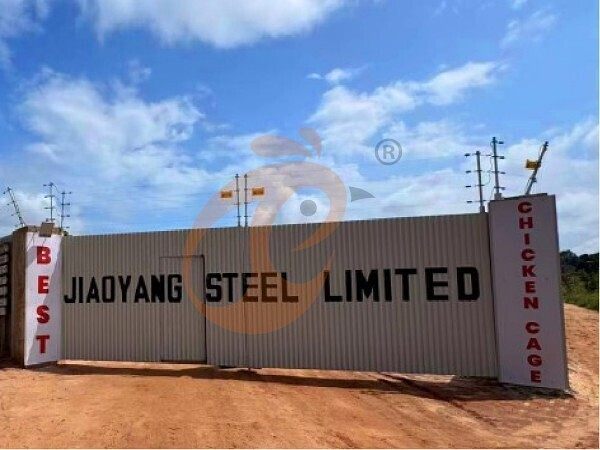
Tanzania Best Machinery And Equipment CO., LTD
Ethiopia Best Hebei Machinery Manufacturing PLC
Reception /24 WhatsApp NO. : +8618830120193
PRODUCTS RECOMMENDED
 China Branch Manufacture Poultry Farm EquipmentRead More
 Ethiopia Branch Manufacture Poultry Farm EquipmentRead More
 Nigeria Branch Manufacture Poultry Farm EquipmentRead More
 Tanzania Branch Manufacture Poultry Farm EquipmentRead More
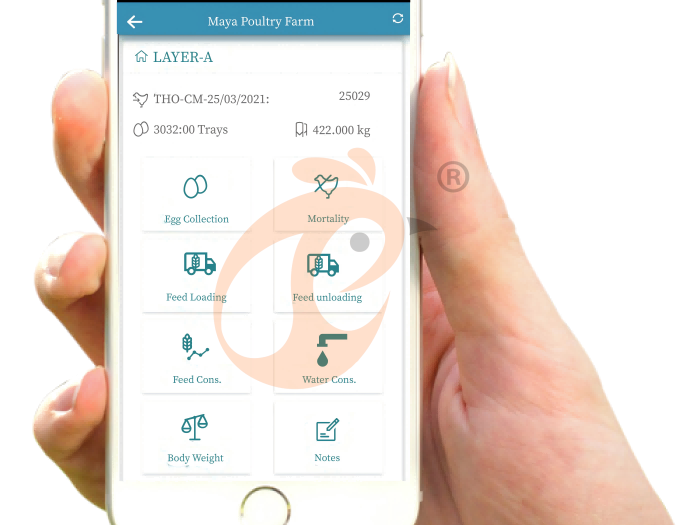
 IoT Smart Poultry FarmRead More
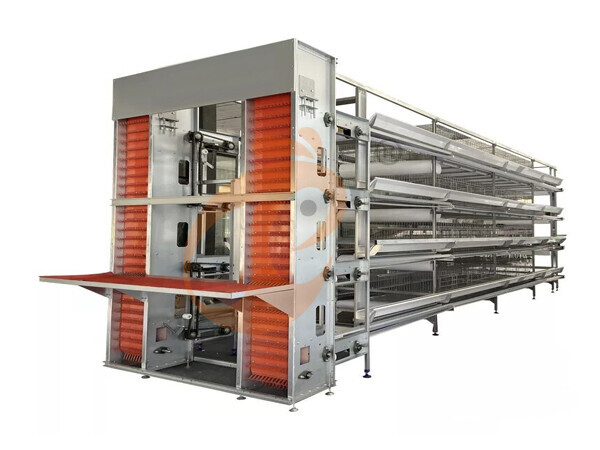
 >30,000 Layers Automatic H Type Battery CageRead More
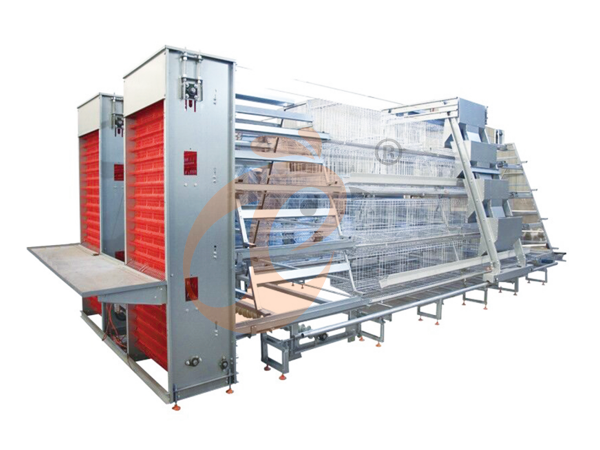
 10,000 - 30,000 Layers Automatic A Type Battery CageRead More
MESSAGE
NEWS
 50,000 - 100,000 chickens/house: poultry farm solution, chicken cage, poultry farm equipment, AI smart managementRead More
 30,000 - 50,000 chickens/house: poultry farm solution, chicken cage, poultry farm equipment, AI smart managementRead More
 10,000 - 30,000 chickens/house: poultry farm solution, chicken cage, poultry farm equipment, AI smart managementRead More
 100 - 10,000 chickens/house: poultry farm solution, chicken cage, poultry farm equipment, AI smart managementRead More