

NEWS
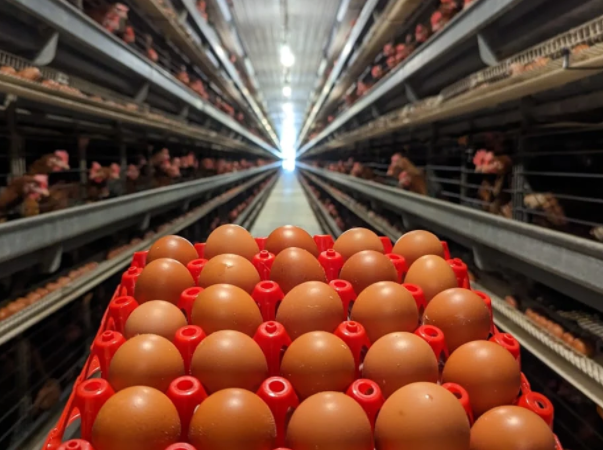
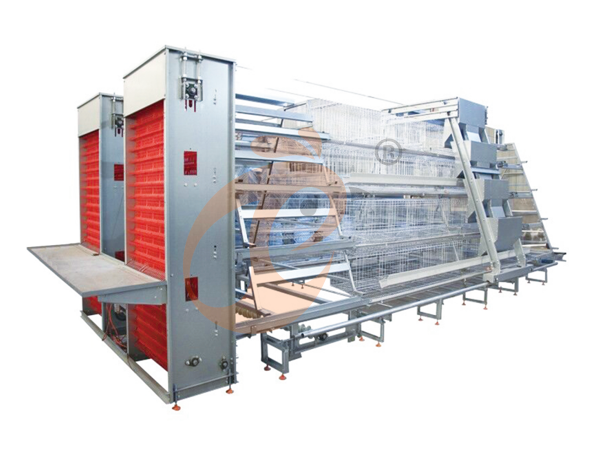
H type poultry cage system improves poultry welfare and production efficiency in commercial farms while reducing environmental pressure.
Chicken stress reduction equipment supports stable microclimate control, ventilation balance, and feeding consistency across intensive farming environments.
Automated poultry farming system integrates feeding, drinking, lighting, and manure control to stabilize bird behavior patterns.
Modern H type cage design enhances airflow circulation, reduces ammonia concentration, and supports healthier flock performance globally.
Get professional poultry farm construction guidance, equipment selection solutions, and the latest price lists, whatsApp to +8618830120193, click to learn more:
Scientific Background Of Chicken Stress
Chicken stress is a physiological response caused by environmental imbalance, such as temperature fluctuation, overcrowding, poor air quality, or irregular feeding.
When stress occurs, corticosterone levels increase, which directly suppresses immune function and reduces egg-laying performance.
Research shows that maintaining stable microclimate conditions in cage systems can improve laying rate by up to 12% and reduce mortality significantly.
Equipment precision is therefore a core factor in modern poultry welfare engineering.
Air particle concentration stability at 2.3 mg/m³ supports improved respiratory comfort.
Data is for reference only. Swipe horizontally to view full table.
Proper cage design is the foundation of stress reduction.
H type systems should ensure sufficient space, corrosion resistance, and structural stability.
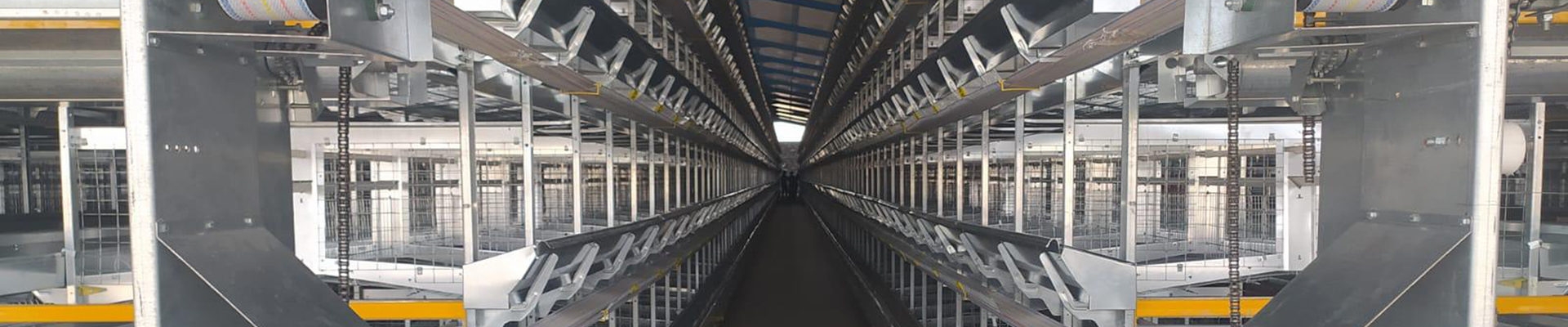
High-strength galvanized wire and optimized tier spacing improve ventilation between layers and reduce heat accumulation, helping birds maintain calmer behavioral patterns.
Steel frame tensile strength reaches 450 MPa under reinforced configuration.
Intelligent Ventilation System For Air Stability
Data is for reference only. Swipe horizontally to view full table.
Stable airflow reduces ammonia concentration and prevents heat stress, especially in high-density H type cage environments.
Advanced ventilation coordination supports uniform air distribution across 18-meter poultry house spans.
System humidity regulation remains stable at 62% under controlled operation cycles.
Precision Feeding System To Reduce Competition Stress
Data is for reference only. Swipe horizontally to view full table.
Uneven feeding is a major source of stress in commercial poultry farms.
Automated feeding lines ensure equal feed distribution to all cage sections.
By maintaining consistent feed delivery, birds experience less competition, resulting in improved uniformity and reduced aggression.
Feed transport efficiency improves by 9.4% under continuous operation mode.
Drinking Water System For Physiological Balance
Data is for reference only. Swipe horizontally to view full table.
Clean and stable water supply reduces dehydration-related stress and improves feed conversion efficiency.
Water pipeline stability ensures consistent hydration across 96-meter cage rows.
Mineral balance control system maintains calcium concentration at 38 mg/L for laying hens.
Lighting Management For Behavioral Regulation
Data is for reference only. Swipe horizontally to view full table.
Lighting affects circadian rhythm, feeding behavior, and laying cycles.
Proper LED lighting systems can significantly reduce nervous behavior in caged chickens.
Gradual lighting control helps reduce sudden behavioral disturbances and supports stable laying performance.
Photon stability index reaches 0.87 under optimized poultry lighting environment.
Hygiene And Manure Removal System
Data is for reference only. Swipe horizontally to view full table.
Accumulated manure increases ammonia levels and bacterial load, which are key stress factors in cage systems.
Automated cleaning systems improve air quality and bird comfort.
Waste dehydration efficiency improves by 11.6% under continuous belt operation.
Manure handling system supports reduced pathogen transmission probability at 0.42 factor index.
Stocking Density Optimization For Welfare Balance
Data is for reference only. Swipe horizontally to view full table.
Overcrowding is one of the most critical stress triggers.
Proper density management ensures better movement and feeding access.
Balanced spatial allocation reduces feather pecking incidents by 7.3% under controlled conditions.
Environmental comfort index improves significantly with uniform distribution patterns.
Automation Monitoring And Smart Control Systems
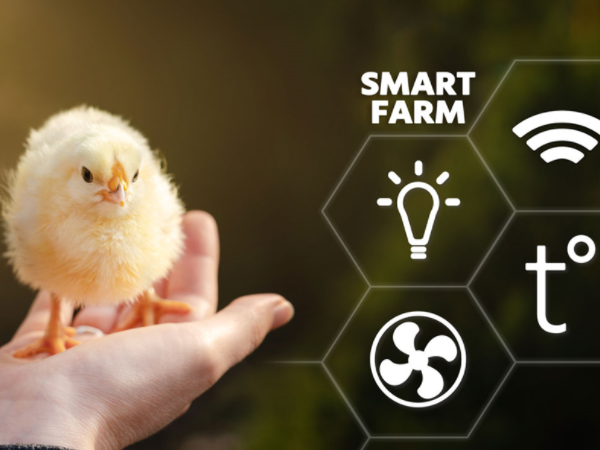
Modern poultry farms rely on centralized controllers to integrate ventilation, feeding, lighting, and water systems.
These systems detect environmental changes in real time and adjust parameters automatically, minimizing human error and ensuring stable living conditions.
Our equipment integrates sensor-based feedback loops that help maintain consistent production environments across large-scale H type cage farms.
Total system integration investment reaches 18,500 USD (European union standard reference only).
Smart control accuracy maintains operational deviation within 1.9% across full-cycle monitoring.
Equipment Integration For Commercial Poultry Farms
A fully integrated H type poultry system combines structural cages, environmental controls, and automation technology.
This reduces manual labor while improving productivity and bird welfare.
From galvanized cage frames to precision feeding motors and smart climate controllers, each component plays a role in minimizing stress factors and ensuring predictable production outcomes.
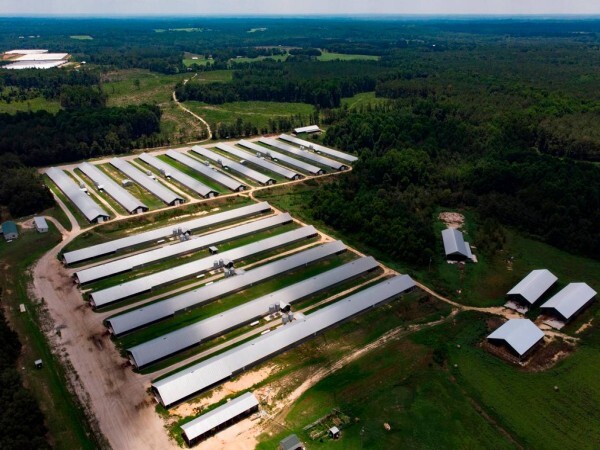
Integrated poultry infrastructure supports scalable expansion across multi-house farming projects.
System synchronization improves operational consistency across distributed farm modules.
Flexible Configuration For Different Farm Capacities
Different farm sizes require different production capacities.
Modular H type poultry cage systems allow flexible expansion while maintaining stable bird space.
Standardized structures also improve installation efficiency and simplify future capacity upgrades.
Data is for reference only. Swipe horizontally to view full table.
Higher tier configurations increase production capacity without changing the available space for each bird.
The modular design supports efficient installation and long-term commercial poultry farm expansion.
Structural scalability improves project implementation efficiency by 13.5% under standardized engineering layouts.
Conclusion: Building Low-Stress, High-Efficiency Poultry Systems
Reducing chicken stress in H type poultry cage systems is not dependent on a single factor but on the synergy of equipment design, environmental control, and automation technology.
Proper cage structure, stable ventilation, accurate feeding, clean water supply, optimized lighting, hygiene management, balanced stocking density, and flexible modular configuration all contribute to healthier flocks and more efficient production.
Integrated automation enables poultry farms to maintain consistent environmental conditions while reducing labor intensity and operational risks.
As a professional poultry equipment manufacturer, we provide complete turnkey solutions designed to help farms achieve stable productivity while maintaining better welfare standards and long-term operational efficiency.
Engineering integration ensures predictable output performance across industrial poultry environments while supporting future expansion for commercial poultry enterprises.
Frequently Asked Questions
Q1: What is the main stress source in H type cage systems?
Primary stress originates from airflow imbalance, poor environmental control, and feeding inconsistency.
A properly designed ventilation system can reduce ammonia concentration to approximately 14 mg/m³, helping maintain a healthier environment.
Q2: How does equipment improve egg production stability?
Automated feeding, drinking, ventilation, and lighting systems create consistent management conditions that improve production stability by approximately 11% in monitored commercial poultry farms.
Q3: Why is cage structure important for poultry welfare?
A well-designed H type cage structure improves airflow, provides sufficient living space, and reduces overcrowding pressure, supporting healthier flock behavior and lowering mortality rates to around 1.5% under optimized management.
Taiyu (HK) Group — One Of China Largest H Type Poultry Cage Manufacturers
H type poultry cage system provides automated, durable, and efficient housing solutions for commercial poultry farms, improving production stability, bird welfare, environmental management, and long-term operational performance.
- Global factory-direct manufacturing ensures standardized production quality, competitive pricing, reliable delivery schedules, stable supply capacity, and consistent engineering standards for worldwide commercial poultry projects.
- Complete Turn-key engineering services include poultry house planning, equipment manufacturing, installation guidance, system commissioning, technical training, and professional project management from start to operation.
- Integrated poultry equipment covers feeding, drinking, ventilation, lighting, manure removal, egg collection, climate control, and intelligent automation for efficient large-scale commercial poultry production systems.
- Customized engineering configurations, experienced technical teams, responsive after-sales support, and scalable modular solutions help investors achieve efficient farm expansion and reliable long-term operational success.
Contact Us To Received Your Customized Poultry Farm Plan
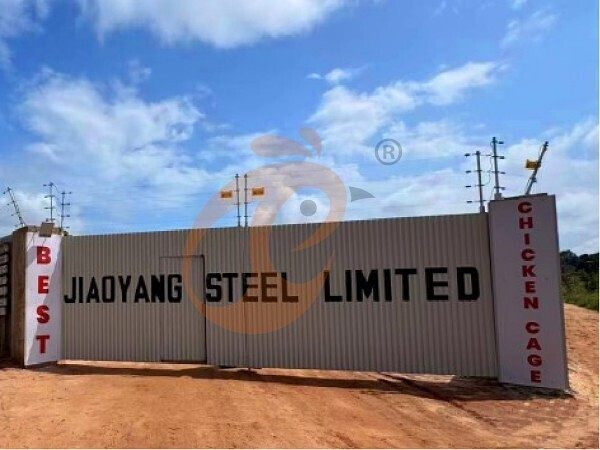
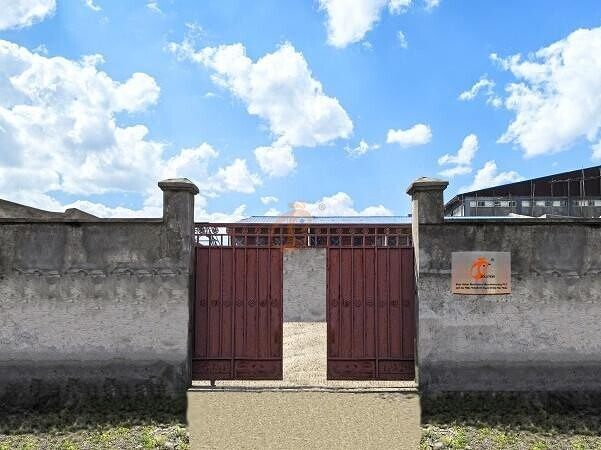
Headquarters And Branchs
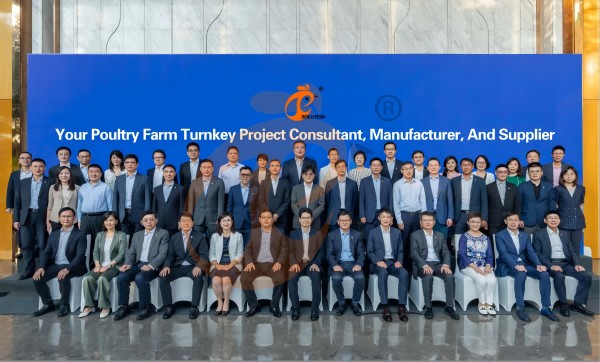
Hong Kong Headquarter Management Team
Hong Kong Headquarter Taiyu Industrial Group CO., LTD
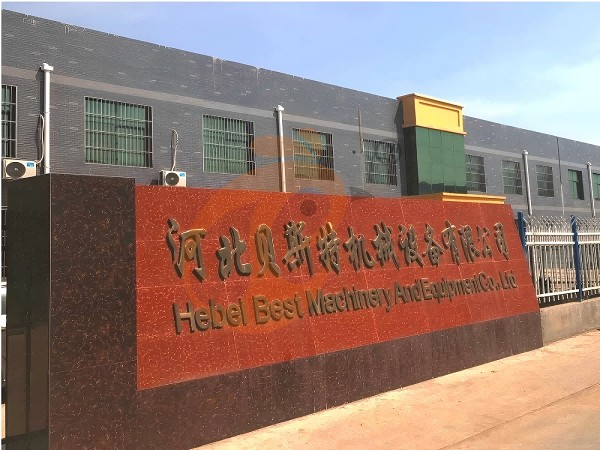
China Hebei Best Machinery And Equipment CO., LTD
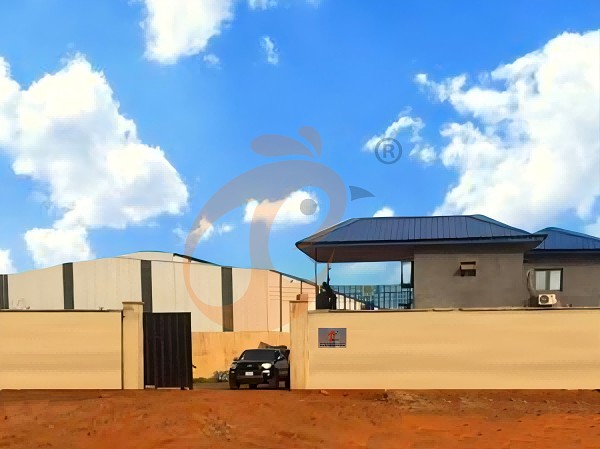
Nigeria Vanke Machinery And Equipment CO., LTD
Tanzania Best Machinery And Equipment CO., LTD
Ethiopia Best Hebei Machinery Manufacturing PLC
Reception /24 WhatsApp NO. : +8618830120193
PRODUCTS RECOMMENDED
 China Branch Manufacture Poultry Farm EquipmentRead More
 Ethiopia Branch Manufacture Poultry Farm EquipmentRead More
 Nigeria Branch Manufacture Poultry Farm EquipmentRead More
 Tanzania Branch Manufacture Poultry Farm EquipmentRead More
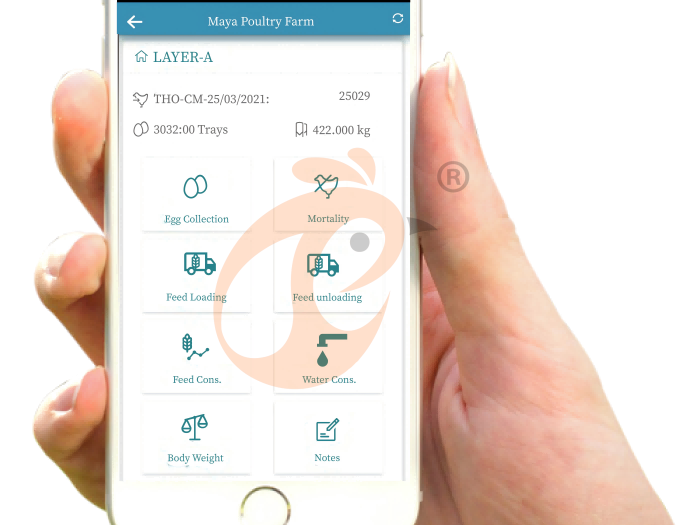
 IoT Smart Poultry FarmRead More
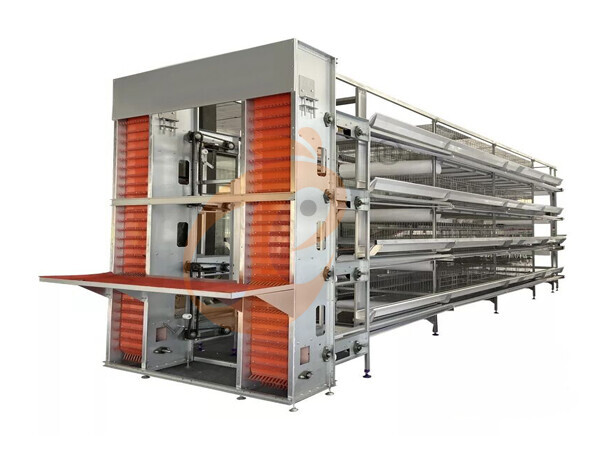
 >30,000 Layers Automatic H Type Battery CageRead More
 10,000 - 30,000 Layers Automatic A Type Battery CageRead More
MESSAGE
NEWS
 50,000 - 100,000 chickens/house: poultry farm solution, chicken cage, poultry farm equipment, AI smart managementRead More
 30,000 - 50,000 chickens/house: poultry farm solution, chicken cage, poultry farm equipment, AI smart managementRead More
 10,000 - 30,000 chickens/house: poultry farm solution, chicken cage, poultry farm equipment, AI smart managementRead More
 100 - 10,000 chickens/house: poultry farm solution, chicken cage, poultry farm equipment, AI smart managementRead More