

NEWS
A successful 100000 layer farm design integrates poultry housing, equipment, ventilation, utilities and daily management.
Choosing the right 100000 layer farm design requires evaluating production targets, available land, local regulations and investment costs.
This guide compares cage, floor, aviary and free-range systems, with practical parameters for a commercial project.
Target capacity 100,000 laying hens.
Planning scope housing, equipment and utilities.
Engineering approach EETA (Engineering, Equipment, Technology and Automation).
1. Choosing The Right Housing System For A 100000 Layer Farm
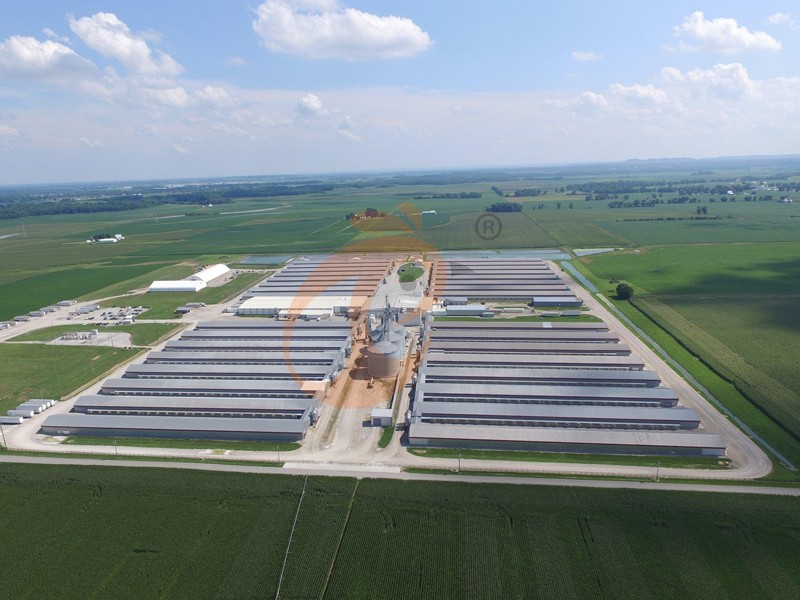
For a 100,000-hen project, cage, floor, aviary and free-range systems are possible, but each needs different housing and management.
Cage houses use tiered structures and manure belts; floor systems need litter and nests; aviaries require multi-level platforms; free-range farms also need outdoor runs and fencing.
European union-related reference examples only.
Verify applicable local welfare regulations before construction.
The best system depends on market requirements.
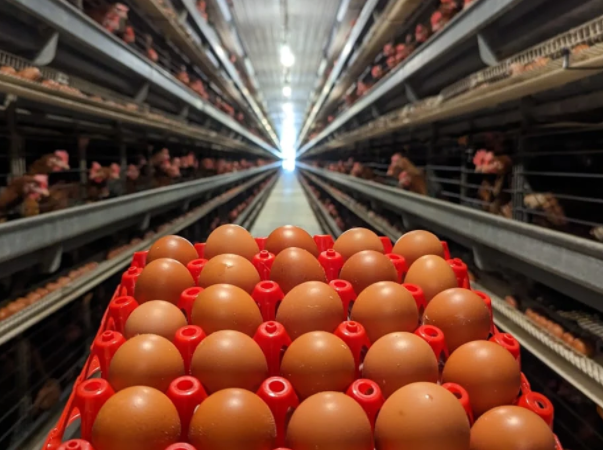
Cage systems simplify automated egg collection; floor and aviary systems need closer litter and nest management; free-range systems require additional land and outdoor inspections.
2. Planning An Efficient Commercial Layer Farm Layout For 100,000 Hens
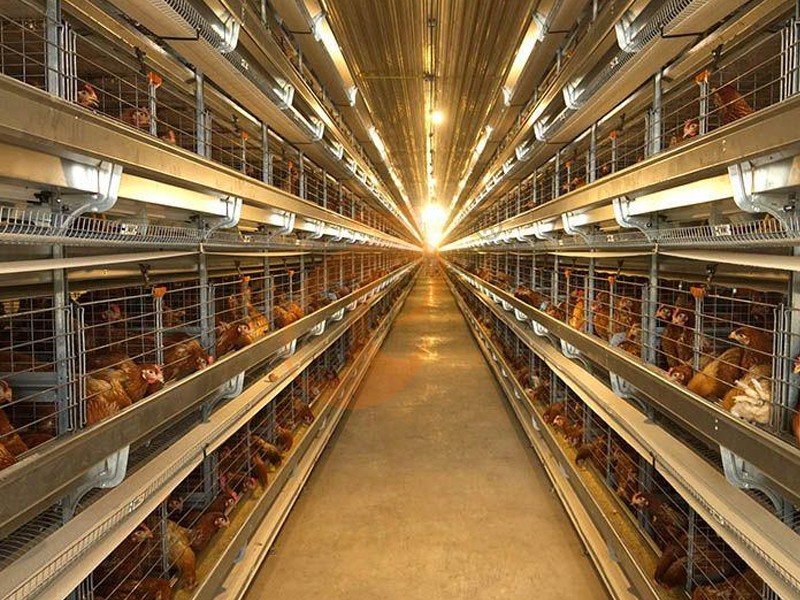
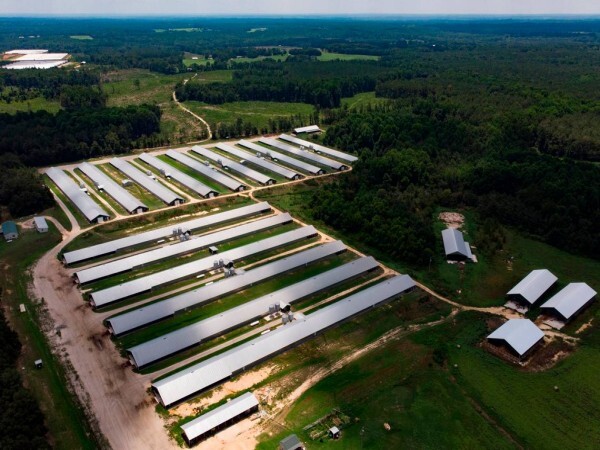
A well-planned commercial layer poultry farm layout separates production houses, egg handling, feed storage, manure treatment and staff facilities.
Clean and dirty vehicle routes should remain separate.
Example: Two high-rise cage configurations
Option A uses 75 + 75 + 74 sets; Option B uses 66 + 65 + 65. with 1.25 m per set and 5 m clearance at both ends, Option B saves approximately 112.5 m². However, structural loading, building height and maintenance access must also be checked.
The 10 m house width is preliminary.
Confirm aisle dimensions, cage width and conveyor positions using final equipment drawings.
For specifications, see Egg Production Equipment.
For customized farm construction guidance, equipment selection and current quotations, contact our team via WhatsApp at +8618830120193.
3. Selecting Automatic Cage Systems And Equipment For Layer Farm Design
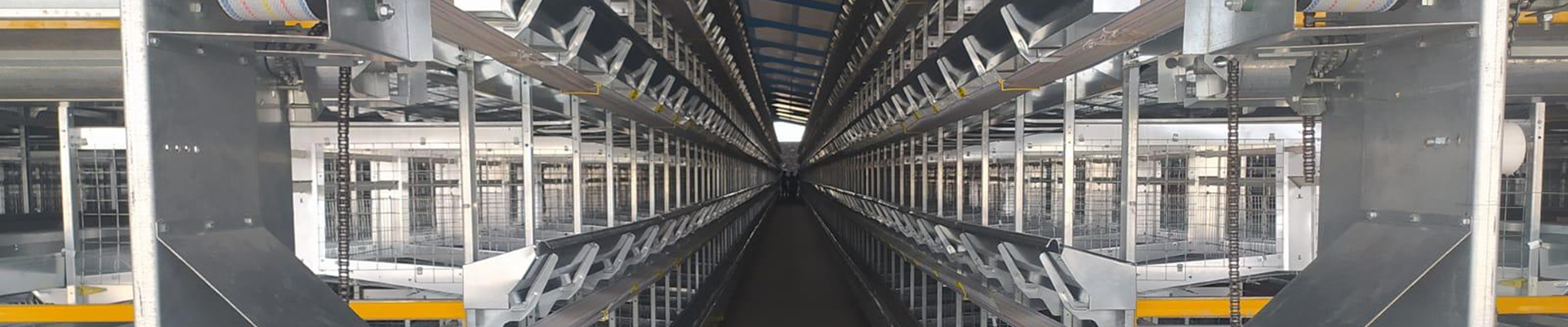
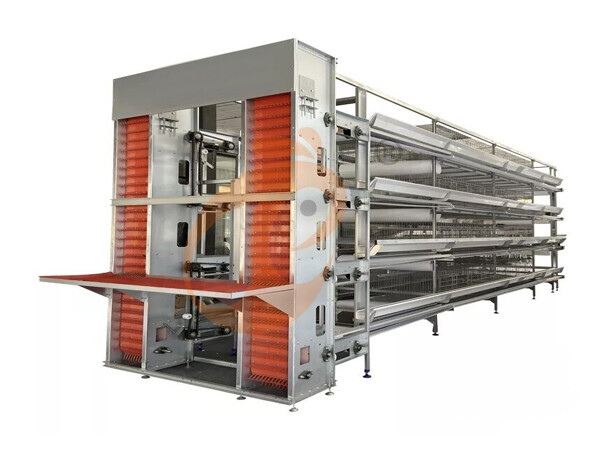
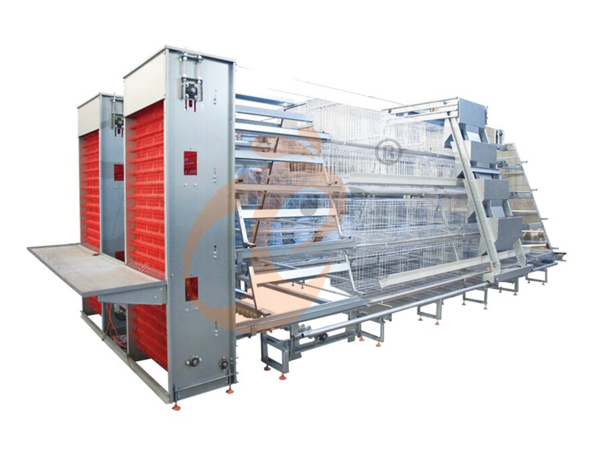
An automatic layer chicken cage system combines tiered cages, feeding lines, nipple drinkers, egg belts and manure belts.
A preliminary configuration may use 14–16 tiers and 3 cage rows, subject to structural and welfare requirements.
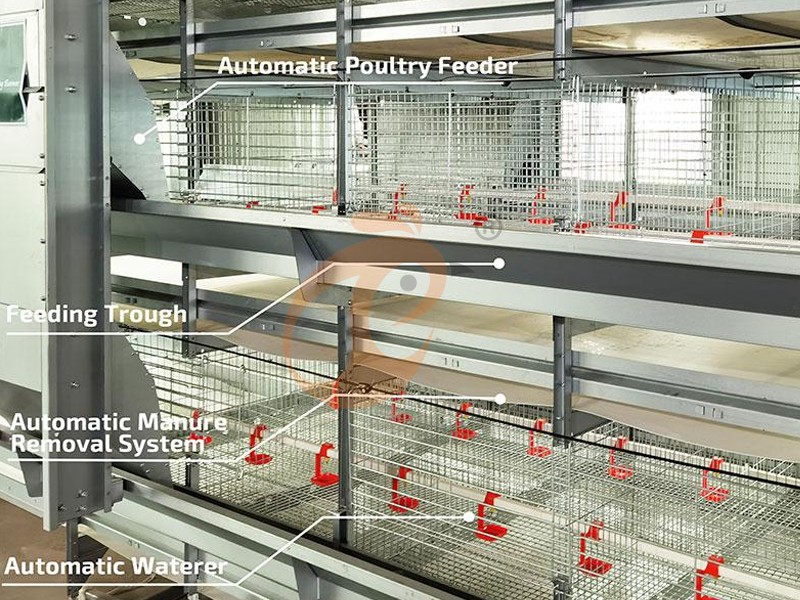
Floor and aviary houses instead require suitable nest boxes, perches and litter systems.
Free-range farms also need outdoor fencing and controlled access points.
4. Improving Egg Production With The Right Equipment For A 100000 Layer Farm
Reliable poultry egg production equipment should connect feeding, drinking, egg collection, manure removal and grading into one coordinated line.
At an illustrative 94% laying rate, 100,352 hens produce approximately 94,331 eggs daily.
An 8-hour grading shift requires around 11,792 eggs/hour before downtime allowances.
For equipment details, see Taiyu Group (HK) Egg Production Equipment.
Need support with ventilation, automation or equipment configuration? Request engineering advice and updated quotations through WhatsApp at +8618830120193.
5. Designing Poultry Farm Ventilation And Utility Systems For Large Layer Farms
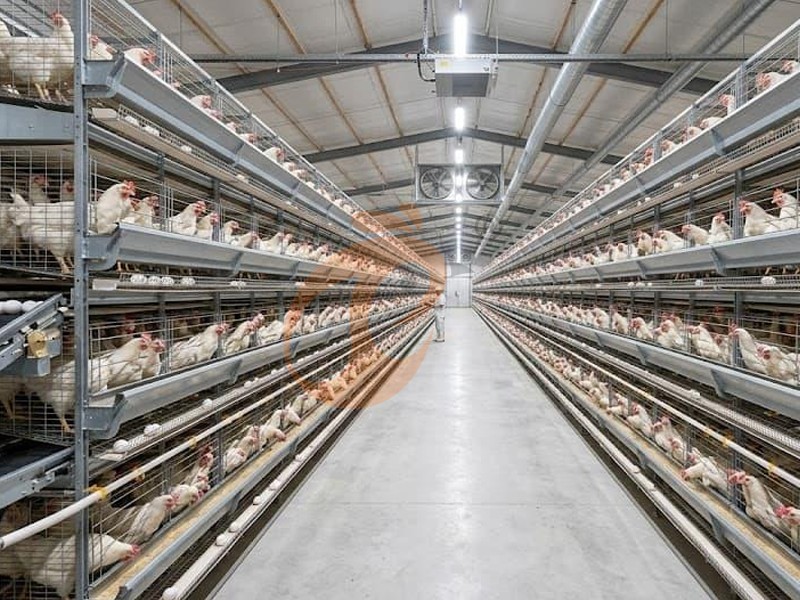
Ventilation calculations should consider local temperature, humidity, bird age and building dimensions.
A preliminary tunnel ventilation design may target 1.2–2.0 m/s air speed, with fan capacity adjusted to local conditions.
These are preliminary assumptions, not universal standards.
Confirm final values using breed guides and engineering calculations.
6. Managing Biosecurity And Manure In A 100000 Layer Poultry Farm
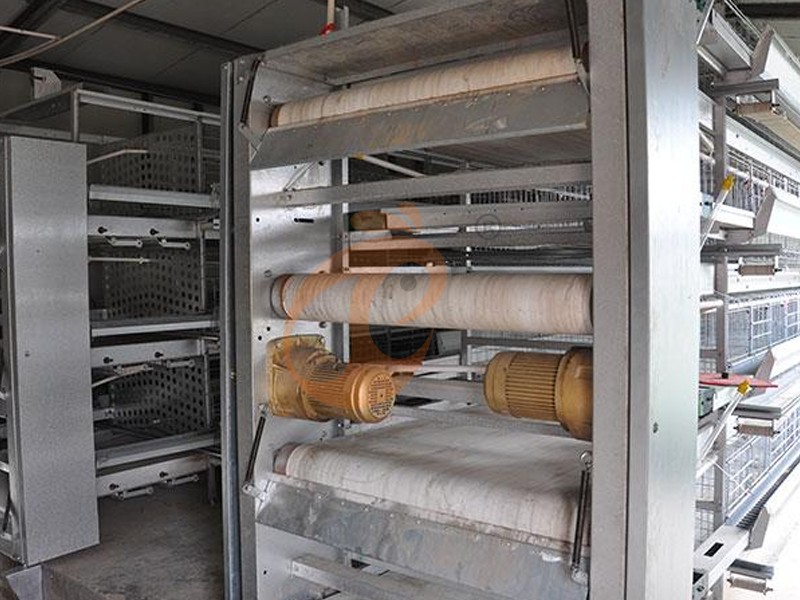
A practical biosecurity plan can include a 2-stage personnel hygiene entrance, 1 vehicle disinfection area and dedicated dead-bird collection facilities.
Staff access, visitor registration and vehicle movement should be controlled.
Manure belts should discharge to covered storage or an approved treatment area.
Storage capacity must match collection frequency, rainfall conditions and local environmental permits.
7. Estimating Construction Costs For A Turnkey 100000 Layer Farm Project
A turnkey poultry farm project should coordinate civil construction, housing equipment, ventilation, electrical works, installation and commissioning.
Prepare investment estimates in usd and compare total ownership costs over a 10-year planning period.
These percentages are indicative budgeting allowances, not a quotation.
Actual costs depend on building specifications, equipment origin, transport and local labor.
The engineering package should include site drawings, structural calculations, equipment layouts, electrical diagrams and ventilation schedules.
Require equipment testing and operator training before handover.
For project solutions, see Taiyu Group (HK) Egg Production Solutions.
Planning a 50,000–100,000-bird project? Contact our team for layout advice, equipment selection and quotations via WhatsApp at +8618830120193.
8. Completing A 100000 Layer Farm Design With Engineering And Installation
Q1. Is a 16-tier cage system always better?
A1: No. It saves floor area in this example but requires additional checks for building height, structural loading and maintenance access.
Q2. Can a 100,000-hen farm use floor or free-range housing?
A2:Yes. Floor systems require suitable nests and litter areas; free-range systems also require outdoor land and secure fencing.
Q3. What equipment does an automated layer farm need?
A3: Typical systems include feeding, drinking, egg collection, manure removal, ventilation and grading equipment, supported by backup power and alarms.
Taiyu (HK) Group - One Of China's Toppest Layer Farm Equipment Manufacturer
Layer farm equipment 14–16-tier systems configured for commercial flock capacities.
Factory-direct poultry equipment with customized specifications and export coordination.
Automatic feeding, drinking, egg collection and manure removal systems.
Turnkey engineering, installation and commissioning for international projects.
Technical support, spare parts and operator training for long-term operation.
Contact Us To Received Your Customized Poultry Farm Plan
Headquarters And Branchs

Hong Kong Headquarter Management Team
Hong Kong Headquarter Taiyu Industrial Group CO., LTD
China Hebei Best Machinery And Equipment CO., LTD
Nigeria Vanke Machinery And Equipment CO., LTD
Tanzania Best Machinery And Equipment CO., LTD
Ethiopia Best Hebei Machinery Manufacturing PLC




Reception /24 WhatsApp NO. : +8618830120193
PRODUCTS RECOMMENDED
 China Branch Manufacture Poultry Farm EquipmentRead More
 Ethiopia Branch Manufacture Poultry Farm EquipmentRead More
 Nigeria Branch Manufacture Poultry Farm EquipmentRead More
 Tanzania Branch Manufacture Poultry Farm EquipmentRead More
 IoT Smart Poultry FarmRead More
 >30,000 Layers Automatic H Type Battery CageRead More
 10,000 - 30,000 Layers Automatic A Type Battery CageRead More
MESSAGE
NEWS
 50,000 - 100,000 chickens/house: poultry farm solution, chicken cage, poultry farm equipment, AI smart managementRead More
 30,000 - 50,000 chickens/house: poultry farm solution, chicken cage, poultry farm equipment, AI smart managementRead More
 10,000 - 30,000 chickens/house: poultry farm solution, chicken cage, poultry farm equipment, AI smart managementRead More
 100 - 10,000 chickens/house: poultry farm solution, chicken cage, poultry farm equipment, AI smart managementRead More