

NEWS
Turnkey feed mill solutions connect grinding, mixing, pelleting, cooling, storage, and feeding into one efficient poultry production route.
Poultry feed mill equipment supports 1–40 t/h projects with flexible configurations for broilers, layers, breeders, and integrated commercial farms.
Automated batching, conveying, and centralized control reduce repetitive handling while supporting consistent processing, accurate formulation, and organized daily operation.
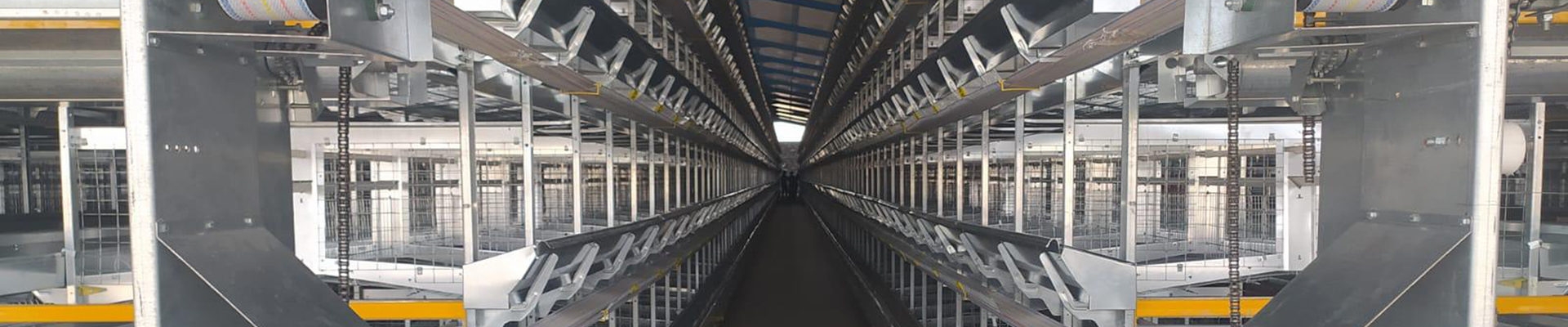
Chicken house equipment integrates silos, feeding lines, ventilation, and environmental controls, creating a coordinated workflow from finished feed storage to bird distribution.
Turn-key engineering combines layout, commissioning, technical support, scalable capacity, and equipment matching to help farm owners control costs and build dependable systems.
Get professional poultry farm construction guidance, equipment selection solutions, and the latest price lists, whatsApp to +8618830120193, click to learn more:
From Feed Production To Better Farm Performance
Modern poultry farming requires more than efficient chicken houses.
Feed production must maintain stable material flow, accurate processing, and dependable daily output.
Turnkey feed mill solutions connect receiving, grinding, batching, mixing, pelleting, cooling, storage, and delivery into one coordinated production system.
A feed mill designed for 5–8 tons per hour can provide a structured production route for commercial poultry projects.
Data is for reference only.Swipe horizontally to view full table.
A professionally engineered system creates a continuous route from raw ingredients to finished poultry feed.
The production workflow can operate across 20–24 hours daily when project scheduling requires extended operation.
Why Turnkey Integration Changes The Equation
Purchasing individual machines without considering the complete route can create capacity mismatches and installation difficulties.
A turnkey feed mill solutions project starts with feed output, then calculates equipment configuration, conveying routes, electrical requirements, and storage arrangements.
One production target → one engineering plan → one coordinated equipment line.
A production building with a 7.5-meter clear height can accommodate multi-level processing while retaining service access.
Layout planning also considers truck access, raw-material storage, maintenance routes, and future expansion.
Core Equipment Configuration
Data is for reference only.Swipe horizontally to view full table.
Poultry feed mill equipment can be customized according to grain characteristics, formula requirements, pellet specifications, and daily feed consumption.
Equipment compatibility remains important because finished feed must move efficiently from production into storage and automatic feeding equipment.
Designed Around The Chicken House
A feed mill should be engineered as part of the poultry production system rather than treated as an independent workshop.
Raw materials enter → ingredients are processed → formulas are mixed → feed is formed → finished feed is cooled → feed is stored → chicken houses receive feed.
A 180-meter distribution route requires conveying selection and drive calculations before installation.
Our chicken house equipment can coordinate with feed storage and automatic feeding systems to create a connected farm workflow.
Automation And Control Advantages
Data is for reference only.Swipe horizontally to view full table.
Automation converts repetitive production tasks into controlled operating sequences.
Operators can monitor ingredient dosing, equipment status, motor loading, and process conditions from a centralized interface.
A 10–15 inch HMI provides a practical operating interface for daily production management.
Save Labor Without Sacrificing Feed Quality
Labor efficiency is closely connected to material handling.
Manual weighing, carrying, and transferring ingredients can occupy workers throughout the production day.
A properly configured poultry feed mill equipment system replaces repeated movement with mechanical conveying, automatic batching, and controlled processing.
Manual handling → automated dosing → mechanical transfer → centralized monitoring
A 6-meter screw-conveying section can connect adjacent processing units without manual bag transportation.
Employees can instead focus on equipment inspection, formula management, feed quality checks, and poultry production.
Feed Quality And Poultry Performance
Data is for reference only.Swipe horizontally to view full table.
Feed physical characteristics influence handling, storage, and bird consumption.
Equipment therefore needs to match intended feed types rather than only production capacity.
Controlled processing can support consistent batches throughout different poultry growth stages.
One Supplier, One Complete Project
Instead of coordinating several independent equipment manufacturers, poultry producers can work with one engineering partner for the complete project.
Our Turn-Key Approach Includes
Farm requirement analysis based on feeding volume and flock structure.
- Equipment configuration according to feed formulas.
- Production-line layout based on building dimensions.
- Manufacturing and system integration with coordinated equipment interfaces.
- Installation guidance and commissioning for complete production operation.
- Operator training and technical support for practical farm management.
A complete engineering package can coordinate feed silos, automatic feeding lines, ventilation equipment, environmental controllers, and other chicken house systems.
A project may combine 50-ton storage silos with automated auger feeding for multiple poultry buildings.
The objective is to reduce compatibility problems between separately purchased machines.
Capacity Options For Different Farm Sizes
Data is for reference only.Swipe horizontally to view full table.
Capacity should be calculated from actual feed consumption rather than simply selecting the largest available machine.
A farm with 100,000 broilers can have a substantially different feed-demand profile from a layer operation.
Engineering calculations can consider flock numbers, feeding stages, operating hours, and expansion plans.
A Practical Cost-Saving Strategy
The purchase price represents only one part of the total investment equation.
A practical calculation considers equipment acquisition, installation, labor, electricity, maintenance, raw-material handling, downtime, and future expansion.
Total operating cost = equipment investment + energy consumption + labor input + maintenance + production losses.
A 55-kW production motor operating for 8 hours can consume approximately 440 kWh before actual load factors are considered.
European union standard reference only.
Turnkey engineering focuses on matching machine capacities, motor specifications, conveying routes, and production schedules.
Such planning helps prevent unnecessary equipment oversizing and production bottlenecks.
From Equipment Purchase To Farm Solution
Data is for reference only.Swipe horizontally to view full table.
Strong poultry equipment projects begin with farm production requirements rather than a single machine.
Flock size, feed consumption, house arrangement, building space, raw materials, and automation objectives determine the final configuration.
Integrated feed mills, storage systems, feeding lines, and chicken house equipment can therefore operate as connected project components.
Build A More Efficient Poultry Farm
Data is for reference only.Swipe horizontally to view full table.
A modern poultry farm needs every major production component to support stable output and controlled operating expenditure.
A turnkey feed mill provides a coordinated path from raw materials to finished feed.
Integrated chicken house equipment connects feed storage and distribution directly with daily flock management.
Equipment packages can cover feed mills, feed silos, automatic feeding systems, ventilation equipment, environmental control, and related poultry infrastructure.
Frequently Asked Questions
Q1: What does a turnkey feed mill solution include?
A complete solution can include receiving, grinding, batching, mixing, pelleting, cooling, storage, conveying, electrical control, installation, and commissioning.
A project may also connect feed storage with automatic poultry feeding systems.
Q2: How should feed mill capacity be selected for a poultry farm?
Capacity should reflect flock numbers, daily feed demand, operating hours, feed formulas, and expansion requirements.
For example, a 6–10 t/h production line can support a different project structure from a 25–40 t/h commercial supply system.
Q3: Can feed mill equipment connect with chicken house equipment?
Yes.
Feed silos, auger systems, automatic pan feeders, ventilation, and environmental controls can be incorporated into an integrated farm layout.
Taiyu (HK) Group - One Of China Largest Feed Mill Equipment Manufacturer
Feed Mill Equipment: Integrated grinding, mixing, pelleting, cooling, conveying, storage, and control configurations provide engineered feed production for commercial poultry operations.
- Global Factory Direct: Factory manufacturing supports direct equipment supply, technical configuration, project coordination, and international poultry equipment delivery.
- Poultry Equipment: Feed mills can integrate with chicken house equipment, automatic feeding, ventilation, environmental control, and centralized farm infrastructure.
- Turn-Key Engineering: Project execution covers layout calculation, equipment matching, installation guidance, commissioning, operator training, and expansion planning.
- Project Application: Equipment packages are configured according to flock capacity, feed demand, building dimensions, utility conditions, and production objectives.
Contact Us To Received Your Customized Poultry Farm Plan
Headquarters And Branchs
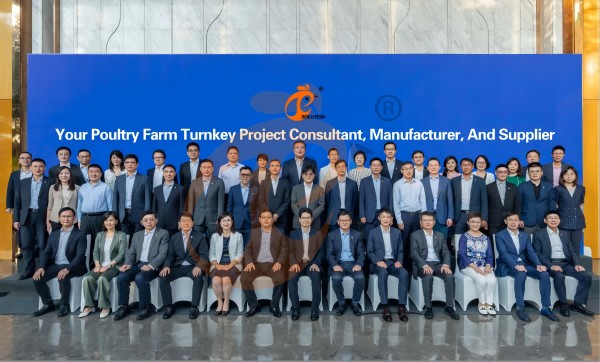
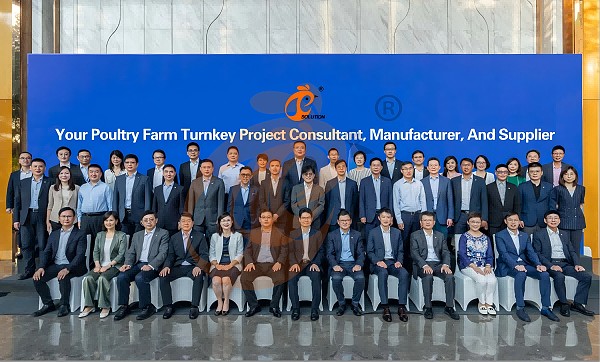
Hong Kong Headquarter Management Team
Hong Kong Headquarter Taiyu Industrial Group CO., LTD
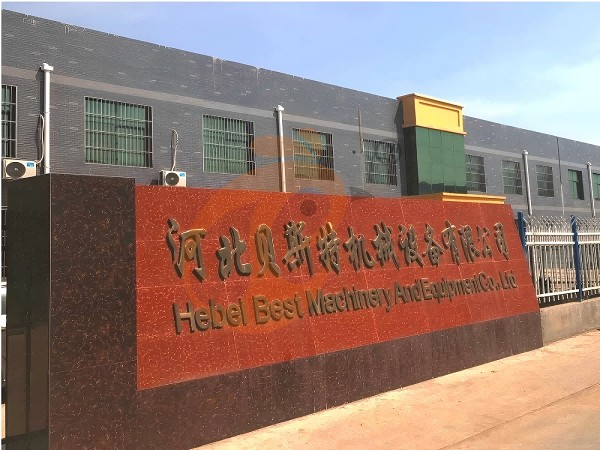
China Hebei Best Machinery And Equipment CO., LTD
Nigeria Vanke Machinery And Equipment CO., LTD
Tanzania Best Machinery And Equipment CO., LTD
Ethiopia Best Hebei Machinery Manufacturing PLC
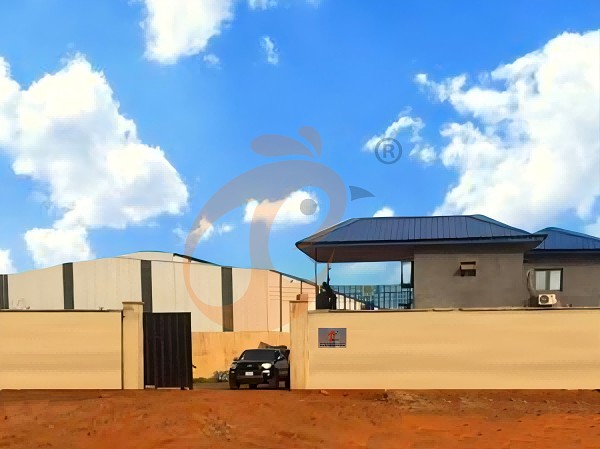
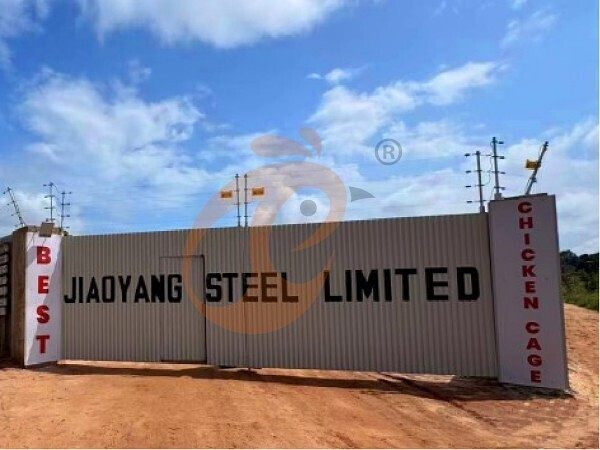
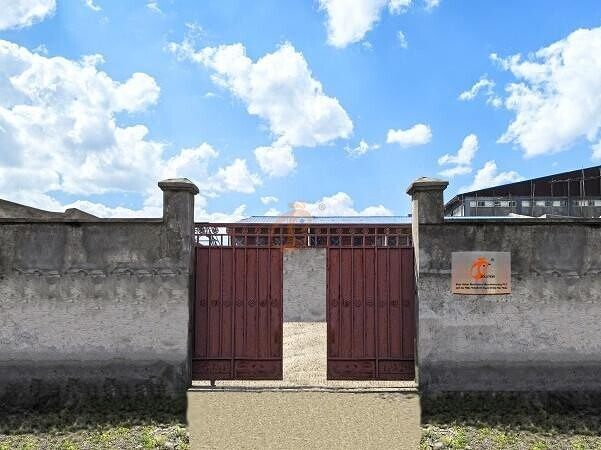
Reception /24 WhatsApp NO. : +8618830120193
PRODUCTS RECOMMENDED
 China Branch Manufacture Poultry Farm EquipmentRead More
 Ethiopia Branch Manufacture Poultry Farm EquipmentRead More
 Nigeria Branch Manufacture Poultry Farm EquipmentRead More
 Tanzania Branch Manufacture Poultry Farm EquipmentRead More
 IoT Smart Poultry FarmRead More
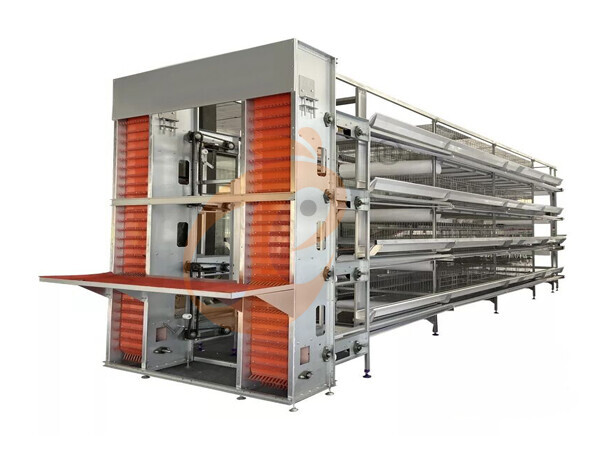
 >30,000 Layers Automatic H Type Battery CageRead More
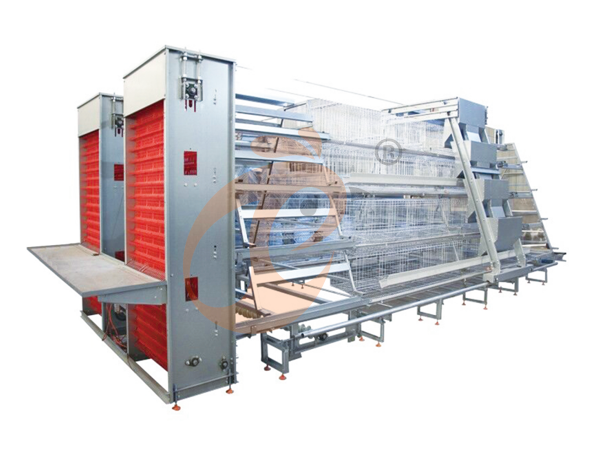
 10,000 - 30,000 Layers Automatic A Type Battery CageRead More
MESSAGE
NEWS
 50,000 - 100,000 chickens/house: poultry farm solution, chicken cage, poultry farm equipment, AI smart managementRead More
 30,000 - 50,000 chickens/house: poultry farm solution, chicken cage, poultry farm equipment, AI smart managementRead More
 10,000 - 30,000 chickens/house: poultry farm solution, chicken cage, poultry farm equipment, AI smart managementRead More
 100 - 10,000 chickens/house: poultry farm solution, chicken cage, poultry farm equipment, AI smart managementRead More