

NEWS
Pellet machine setup improves feed processing stability, installation precision, equipment lifespan, and poultry farm production efficiency in modern agricultural systems.
Correct configuration supports continuous operation, reduces mechanical faults, and strengthens long-term feed manufacturing performance for commercial livestock projects.
Integrated poultry systems combine pellet machines, chicken cages, poultry housing structures, feeding lines, and ventilation control equipment into one operational unit.
Engineering installation guidance, parameter control, and maintenance planning help operators achieve stable production output with reduced energy loss.
Technical knowledge combined with commercial poultry equipment solutions ensures scalable and profitable farm development for global investors.
Get professional poultry farm construction guidance, equipment selection solutions, and the latest price lists, whatsApp to +8618830120193, click to learn more:
Why Proper Pellet Machine Setup Matters
Proper installation creates stable operating conditions for continuous feed production.
A production line designed for pellet mill machine operation typically supports pellet formation with a diameter of 4 mm, improving feed uniformity in poultry consumption.
Data is for reference only.Swipe horizontally to view full table.
Select A Suitable Installation Area
Installation environment directly affects machine stability and long-term durability.
Dust concentration controlled under 8 mg/m³ improves mechanical cleanliness and reduces abrasion risk.
Data is for reference only.Swipe horizontally to view full table.
Inspect Every Machine Component
Pre-operation inspection reduces unexpected downtime during commissioning.
Many animal feed pellet machine systems undergo torque calibration before leaving the factory.
Data is for reference only.Swipe horizontally to view full table.
Align The Drive System
Correct alignment ensures efficient power transmission and stable output.
Commissioning time normally remains within 6 hours for standard industrial setups.
Data is for reference only.Swipe horizontally to view full table.
Adjust Roller And Die
Roller pressure and die structure determine pellet shape and density.
Compression ratio of 1:8 is commonly used for poultry feed formulations.
Data is for reference only.Swipe horizontally to view full table.
Verify Electrical Protection
Electrical safety design ensures stable operation and operator protection.
Emergency shutdown response reaches 1 second under protection system activation.
Data is for reference only.Swipe horizontally to view full table.
Perform Trial Operation
Trial operation ensures system readiness before full production.
Idle running noise stabilizes near 74 Db under balanced mechanical load.
Data is for reference only.Swipe horizontally to view full table.
Build A Maintenance Schedule
Regular maintenance ensures long equipment lifespan and stable production output.
Service cycle cost is approximately USD 280 per maintenance round.
(European union standard reference only.)
Data is for reference only.Swipe horizontally to view full table.
Key Operating Recommendations
Stable production depends on controlled material preparation and process consistency.
Raw material particle size of 2.2 mm improves compression efficiency, while conditioning moisture near 15.8% supports uniform pellet formation.
Maintain feedstock consistency before conditioning stage.
Control steam injection at 0.32 mpa for stable thermal balance.
Keep conditioning retention near 32 seconds for uniform processing.
Inspect production status after every 10 batches to reduce deviation risk.
Production Performance Optimization
Stable operating conditions improve pellet uniformity and production continuity.
Consistent control of processing variables helps reduce unnecessary downtime and improves overall system efficiency.
Maintain raw material bulk density near 620 kg/m³ to improve feeding consistency inside the conditioner.
Keep mash fineness around 1.6 mm after grinding for uniform material distribution before pelleting.
Control finished pellet durability above 94.5% to reduce breakage during conveying and storage.
Limit pellet fines at discharge point to approximately 2.8% for cleaner handling and reduced material loss.
Schedule production review after every 18 operating cycles for efficiency optimization.
Complete Poultry Farm Solution
Modern poultry production requires integrated system planning across feeding, housing, and environmental control.
Pellet machine output becomes more stable when connected with automated chicken cages and controlled poultry house environments.
Data is for reference only.Swipe horizontally to view full table.
Integrated solutions improve synchronization between feed supply and poultry consumption cycles.
Automatic systems reduce manual labor dependency and improve production predictability.
Frequently Asked Questions
Q1: What pellet size works best for layer chickens?
Pellet diameter around 4 mm supports stable intake and reduces feed waste during daily consumption cycles.
Q2: How much space is required for installation?
A minimum workshop area of 48 m² is typically required for standard industrial pellet machine setup with auxiliary equipment.
Q3: How often should maintenance be performed?
Routine inspection is recommended every 180 hours of operation to maintain stable mechanical performance.
Taiyu (HK) Group - One Of China Largest Poultry Equipment Manufacturer
Pellet machine systems are engineered for industrial poultry feed production with stable output control and durable mechanical design.
Global factory direct supply model supports cost efficiency and faster delivery for international poultry farm projects.
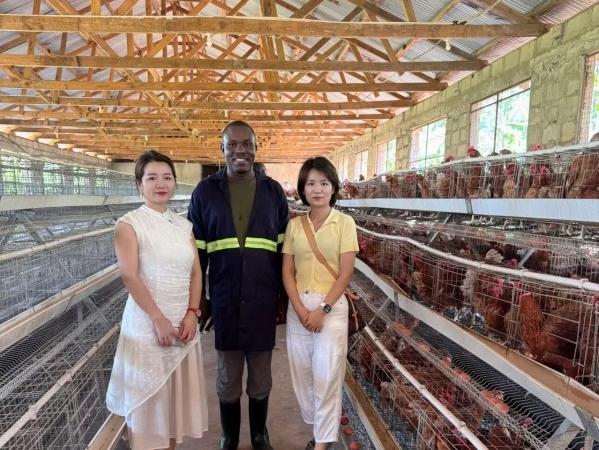
Complete poultry equipment includes chicken cages, feeding systems, ventilation units, and manure removal automation systems.
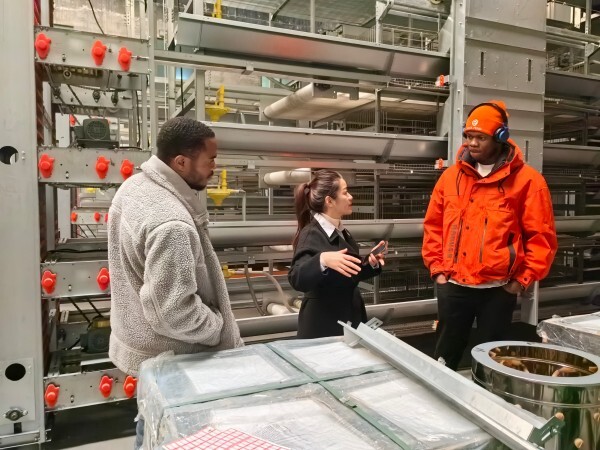
Turn-key engineering service covers farm design, installation guidance, commissioning, and production optimization support.
Technical team provides long-term spare parts supply, maintenance service, and global project consulting support.
Contact Us To Received Your Customized Poultry Farm Plan
Headquarters And Branchs
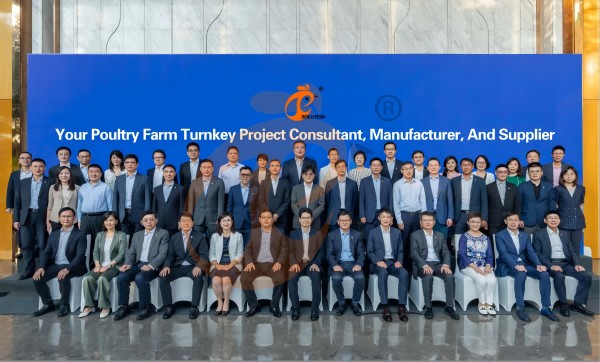
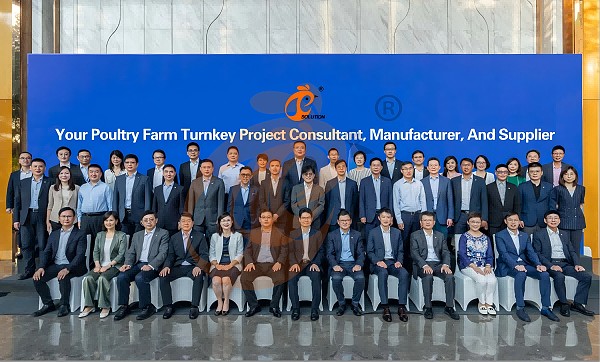
Hong Kong Headquarter Management Team
Hong Kong Headquarter Taiyu Industrial Group CO., LTD
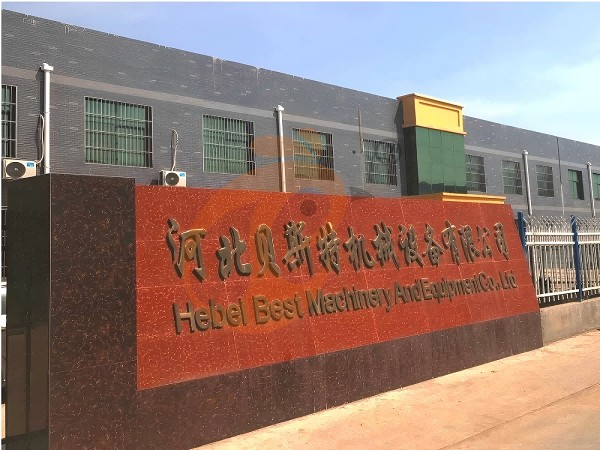
China Hebei Best Machinery And Equipment CO., LTD
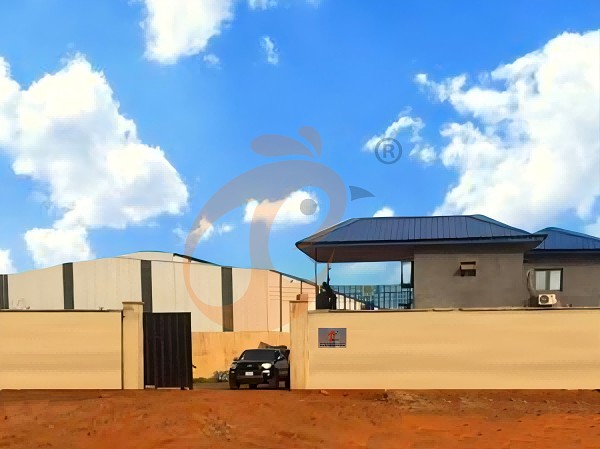
Nigeria Vanke Machinery And Equipment CO., LTD
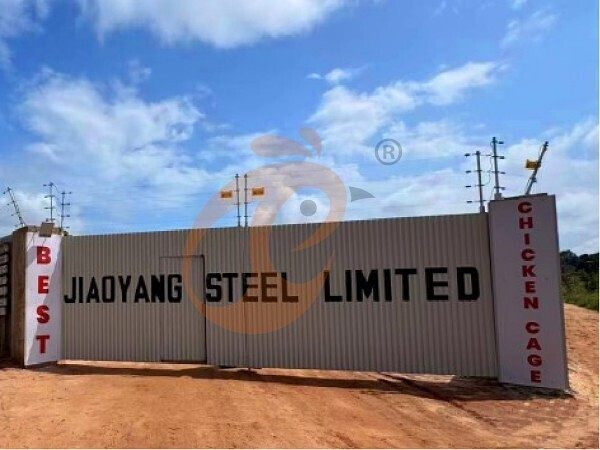
Tanzania Best Machinery And Equipment CO., LTD
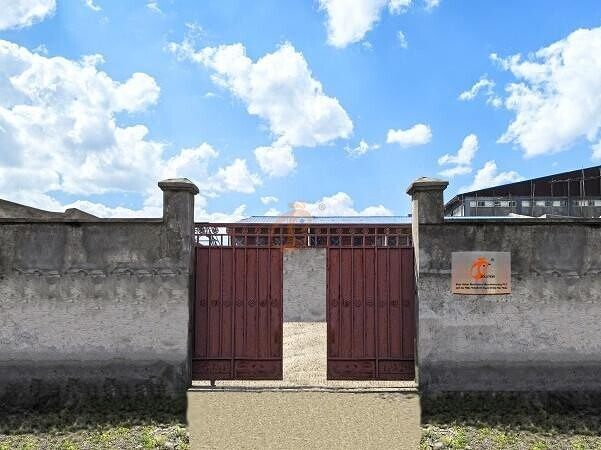
Ethiopia Best Hebei Machinery Manufacturing PLC
Reception /24 WhatsApp NO. : +8618830120193
PRODUCTS RECOMMENDED
 China Branch Manufacture Poultry Farm EquipmentRead More
 Ethiopia Branch Manufacture Poultry Farm EquipmentRead More
 Nigeria Branch Manufacture Poultry Farm EquipmentRead More
 Tanzania Branch Manufacture Poultry Farm EquipmentRead More
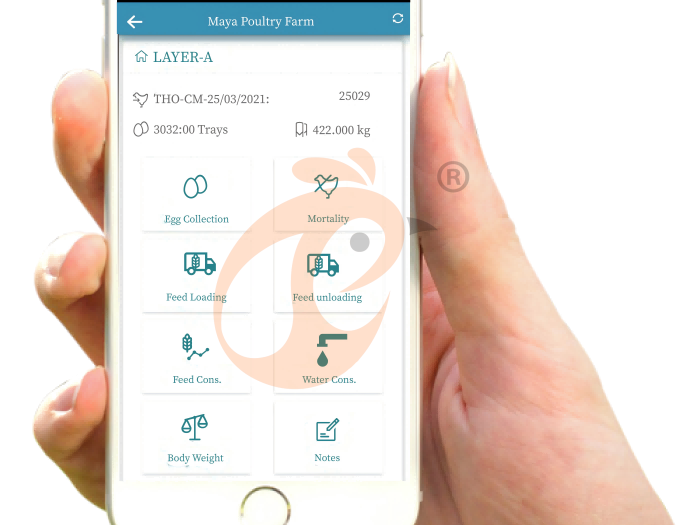
 IoT Smart Poultry FarmRead More
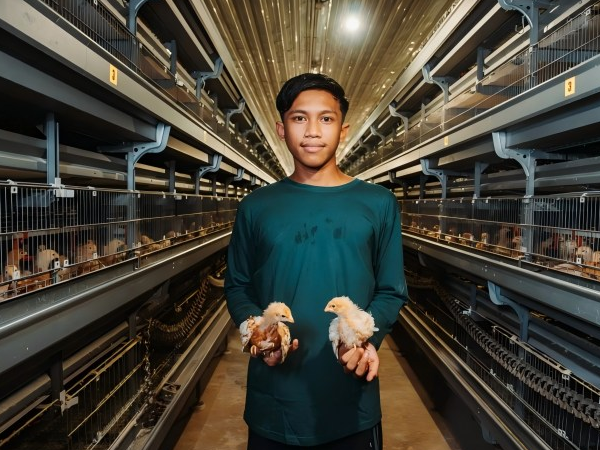
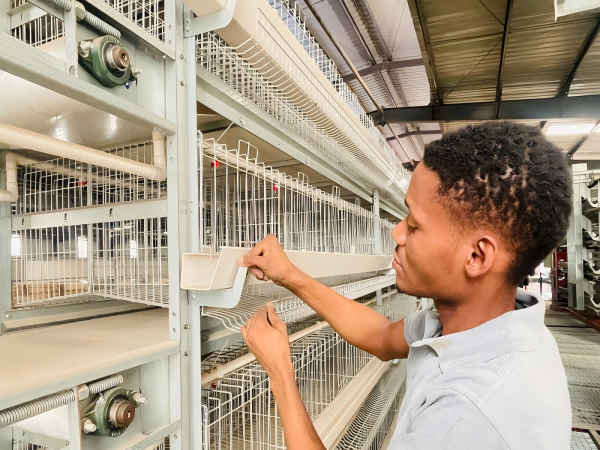
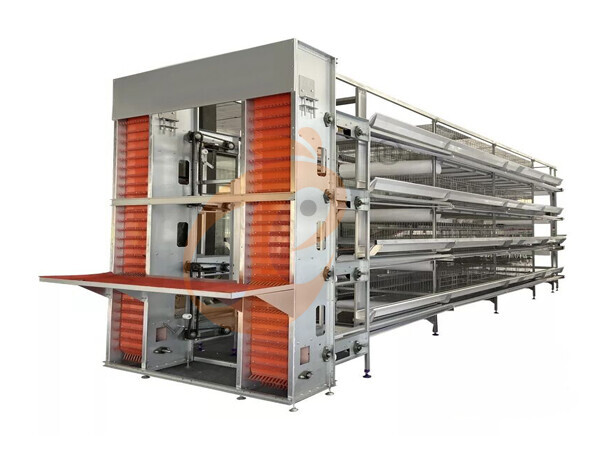
 >30,000 Layers Automatic H Type Battery CageRead More
 10,000 - 30,000 Layers Automatic A Type Battery CageRead More
MESSAGE
NEWS
 50,000 - 100,000 chickens/house: poultry farm solution, chicken cage, poultry farm equipment, AI smart managementRead More
 30,000 - 50,000 chickens/house: poultry farm solution, chicken cage, poultry farm equipment, AI smart managementRead More
 10,000 - 30,000 chickens/house: poultry farm solution, chicken cage, poultry farm equipment, AI smart managementRead More
 100 - 10,000 chickens/house: poultry farm solution, chicken cage, poultry farm equipment, AI smart managementRead More