


BLOG
Ethiopia chicken cage cost influences investment decisions for poultry farm owners and cooperative groups.
Analysis compares manual versus automatic chicken cage solutions for layer operations in Ethiopia.
Provide parameter values tailored to Ethiopian regions including Addis Ababa and Bishoftu.
Local climate challenges and financing options are discussed with recommended mitigations and strategy options.
Practical steps guide producers through phased automation and market entry factors.
Real-world Ethiopia data supports cost modeling across 80 week production cycles.
Findings inform decision-makers planning poultry farm expansions or upgrades.
Get professional poultry farm construction guidance, equipment selection solutions, and the latest price lists, whatsApp to +8618830120193, click to learn more:

Ethiopia Branch Office And Factory Of Poultry Farm Equipment
Technical Framework Of Layer Poultry Cage Systems
Data is for reference only. Swipe horizontally to view full table.
Baseline Assumptions For Cost Analysis
Data is for reference only. Swipe horizontally to view full table.
Capital Investment Cost Components
Data is for reference only. Swipe horizontally to view full table.
Producers in Ethiopia must consider land cost and building shelters, which adds to overall project investment, though those figures vary by region and are outside this table.
Feed Management Cost By System Type
Data is for reference only. Swipe horizontally to view full table.
Feed represents the largest recurring expense in Ethiopian poultry farms.
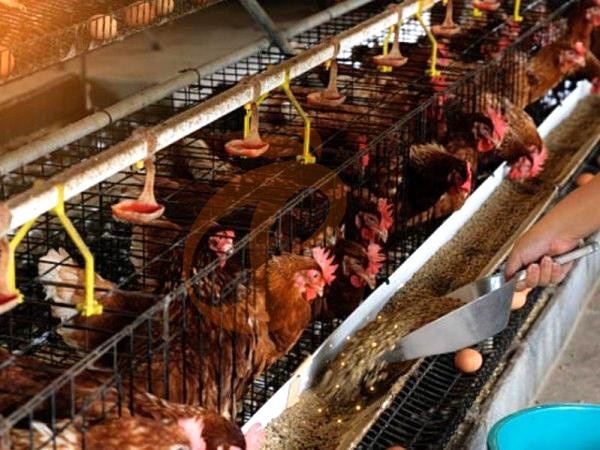
Automated feeders reduce wastage through precision.
Labor Expenditure Analysis
Layer farms in Ethiopia often allocate labor differently depending on automation level, which impacts total labor cost across the production cycle.
Data is for reference only. Swipe horizontally to view full table.
Allocating labor efficiently supports productivity stability for Ethiopian farms operating at scale.
Energy And Operating Utilities
Energy usage is critical for ventilation and automation devices, especially during seasonal extremes in Ethiopia's climate.
Data is for reference only. Swipe horizontally to view full table.
During dry seasons, stable power supply for automatic systems becomes a priority for Ethiopian producers in Afar and eastern lowland zones.
Maintenance And Replacement Budget
Different system complexities lead to varying maintenance budgets, which are essential to plan for uninterrupted cycles.
Data is for reference only. Swipe horizontally to view full table.
Ethiopian farm managers should schedule maintenance during dry months to avoid production disruptions linked to seasonal power and humidity fluctuations.
Egg Production And Yield Parameters
Egg yield performance indicators are central to economic viability.
Stable production supports contract supply to urban markets in Addis Ababa and Mekelle.
Data is for reference only. Swipe horizontally to view full table.
Higher productive consistency typically leads to stronger cash flow and improved farm sustainability.
Revenue And Cost Per Egg
Projecting revenue is crucial for budgeting and loan applications through Ethiopian microfinance institutions.
Data is for reference only. Swipe horizontally to view full table.
Automation expands revenue potential through yield consistency and improved management.
Cost Per Dozen Eggs
Data is for reference only. Swipe horizontally to view full table.
Egg pricing directly affects cash flow stability for Ethiopian producers serving urban supermarkets and wholesale buyers.
Environmental Challenges And Adaptive Solutions
Layer farms in Ethiopia operate under extreme climate variability.
For example, Afar and eastern lowlands regularly exceed 35°C, while the southern highlands may have afternoon rain and humidity shifts. These fluctuations can reduce egg output without controlled ventilation.
What Can Producers Do
- Deploy automatic chicken cage systems with environment sensors that self‑adjust ventilation.
- Install misting systems tied to real‑time temperature feedback to maintain microclimate.
- Use data logs to predict hot spells and act ahead of thermal stress.
Outcome for Ethiopian Farms
- Heat stress on layers is mitigated any time during seasonal peaks.
- Egg production levels remain consistent across cycles.
Mortality associated with humidity and heat shock is reduced.
Financing And Expansion Strategies
Access to capital remains a core impediment for large‑scale poultry projects in Ethiopia.
Manual chicken cages offer low upfront cost but plateau in efficiency gains and hinder market competitiveness.
Phased Implementation Plan
Step 1: Prioritize automated feed lines to improve nutrition delivery.
Step 2: Employ partial automation for excreta handling to reduce labor needs.
Step 3: Access microfinance or cooperative credit to support full system upgrades.
Why This Works
Reduces initial capital pressure on producers in Addis Ababa and Hawassa.
- Cooperative purchasing reduces cost per cage unit.
Gradual upgrades align with revenue growth from improving egg yields.
Regulatory Compliance And Operational Efficiency
Ethiopian poultry welfare standards demand minimum floor space, controlled lighting, and proper manure disposal.
Farms employing only manual systems often struggle to maintain these consistently during harvest peaks and seasonal workforce fluctuations.
Automation Support Tools
- Programmable lighting schedules optimize laying patterns.
- Belt‑based excreta removal maintains hygiene without daily manual scraping.
- Digital dashboards allow managers to monitor performance and make timely adjustments.
Local Impact
- Better compliance reduces risk of fines or market rejection.
Improved layer health translates to steadier egg quality for urban buyers.
Frequently Asked Questions
Q1: Is this chicken cage suitable for Ethiopia's climate?
A1: Yes.
Automatic chicken cages with environment sensors adjust ventilation and misting to local conditions like heat in Afar or humidity in
southern regions, protecting layers and stabilizing production.
Q2: How can small Ethiopian farms afford automation?
A2: By adopting phased upgrades and accessing cooperative credit, producers can spread investment risk.
Starting with key automation elements increases efficiency without overwhelming upfront capital.
Q3: Will manual cages reduce egg quality in Ethiopia?
A3: Manual systems require rigorous cleaning and close labor oversight.
Automation standardizes feeding and waste removal, improving egg shell integrity and reducing contamination risk.
Ethiopia Best Hebei Machinery Manufacturing Plc - Largest Chicken Cage Manufacturer
Global factory direct sales provide Ethiopian producers with competitive poultry farm equipment pricing.
The company supplies complete poultry cage systems and accessories for modern layer farms.
Turn‑key solutions simplify installation, training and ongoing onsite support.
- Customized poultry cage configurations meet Ethiopian climate demands and regulatory needs.
Dedicated technical service ensures system uptime and operational efficiency.
Contact Us To Received Your Customized Poultry Farm Plan
Headquarters And Branchs
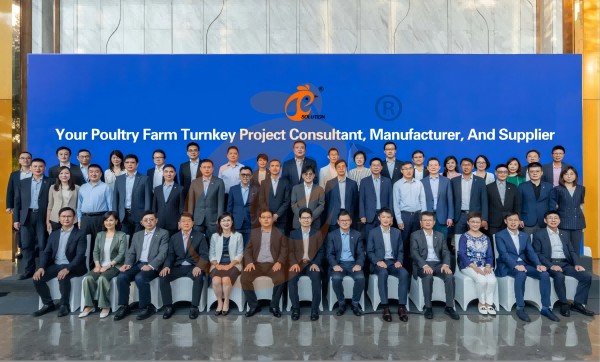
Hong Kong Headquarter Management Team
Hong Kong Headquarter Taiyu Industrial Group CO., LTD
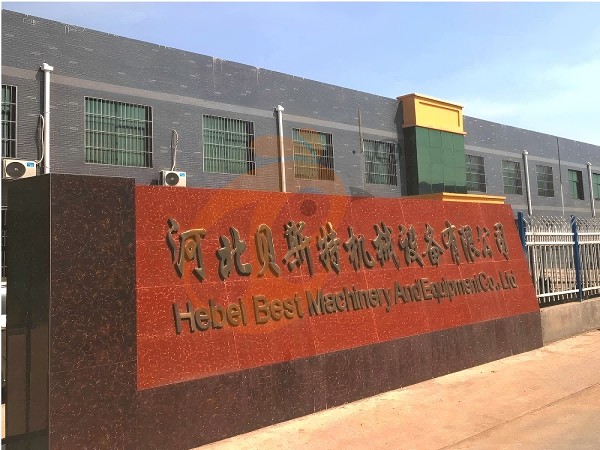
China Hebei Best Machinery And Equipment CO., LTD
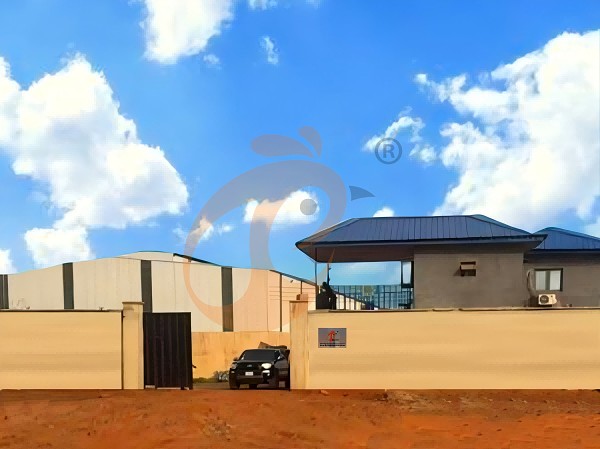
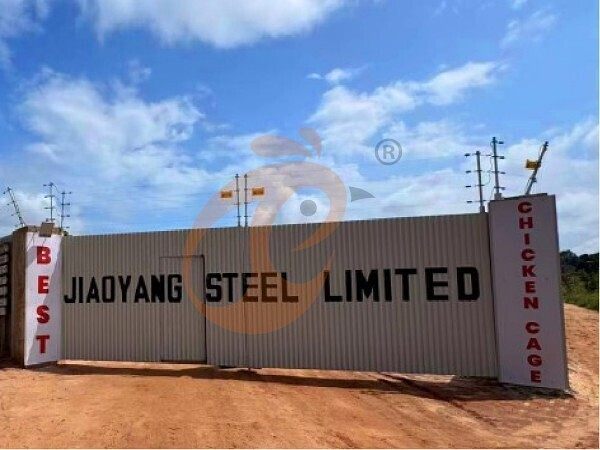
Nigeria Vanke Machinery And Equipment CO., LTD
Tanzania Best Machinery And Equipment CO., LTD
Ethiopia Best Hebei Machinery Manufacturing PLC

Reception /24 WhatsApp NO. : +8618830120193
PRODUCTS RECOMMENDED
 China Branch Manufacture Poultry Farm EquipmentRead More
 Ethiopia Branch Manufacture Poultry Farm EquipmentRead More
 Nigeria Branch Manufacture Poultry Farm EquipmentRead More
 Tanzania Branch Manufacture Poultry Farm EquipmentRead More
 IoT Smart Poultry FarmRead More
 >30,000 Layers Automatic H Type Battery CageRead More
 10,000 - 30,000 Layers Automatic A Type Battery CageRead More
MESSAGE
NEWS
 Manual Vs Automatic Poultry Cage System Cost In Ethiopia: 6 Budget Comparisons For Layer ProductionRead More
 Local Supplier Vs China Poultry Cage Factory Price For Ethiopian Market: 5 Key ComparisonsRead More
 Are Cost-Effective Ethiopian H Type Chicken Cage Systems Worth Buying?Read More
 How Do Optimized Ethiopian H Type Poultry Cages Reduce Feed Wastage?Read More